DNPA Engine
- Engine
- 1984 cm3
- Aspiration
- Turbocharger, Intercooler
- Fuel
- Petrol (Gasoline)
- Fuel injection system
- Direct injection
- Power
- 245 hp @ 5000 rpm
- Torque
- 370 Nm
- Cylinders
- 4
- Valves
- 16, 4 per cylinder
- Cylinders position
- Inline
- Valvetrain
- DOHC
- Oil capacity
- 5.7 l
- Coolant
- 10 l
- Systems
- Start & Stop System, Particulate filter
# Vehicles powered by this engine




2.0 TSI DNPA (245 hp): Experiences, Problems, Fuel Consumption and Used Car Buying Guide
Key points (TL;DR)
- New-generation engine (EA888 Gen 4): Many of the “childhood diseases” of older TSI engines have been fixed, but it requires strict maintenance.
- Performance: 245 hp and 370 Nm offer an excellent balance between daily driving and sporty performance (Golf GTI, Octavia vRS).
- Timing drive: Uses a timing chain, which is more durable than before, but still requires attention to noises at cold start.
- Sensitivity to cooling system: The thermostat module and water pump are still weak points – monitor the coolant level.
- GPF filter: Equipped with a gasoline particulate filter (OPF/GPF), which means it does not like exclusively short city trips.
- Oil consumption: Significantly reduced compared to older generations, but the use of 0W-20 oil (due to eco norms) requires regular level checks.
- Recommendation: An excellent engine for enthusiasts, but avoid cars with a dubious service history, especially regarding DSG gearbox oil changes.
Contents
- Introduction and Applications
- Technical Specifications
- Reliability and Maintenance
- Specific Components (Costs)
- Fuel Consumption and Performance
- Additional Options and Modifications
- Gearbox and Drivetrain
- Buying Used and Conclusion
Introduction and Applications
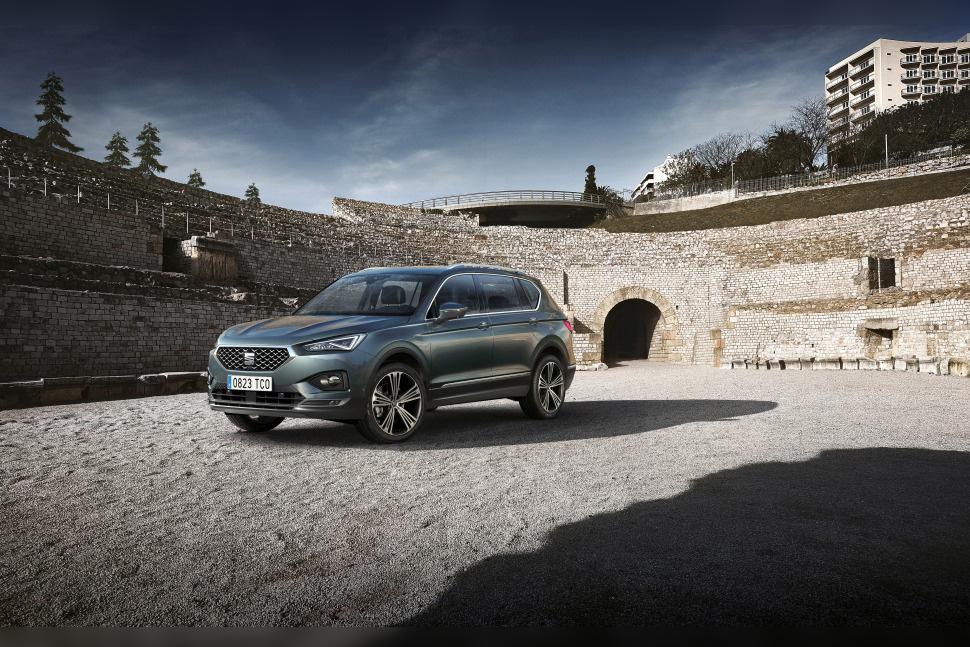
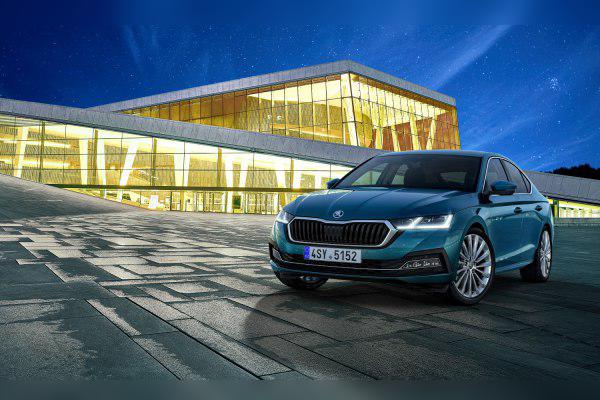
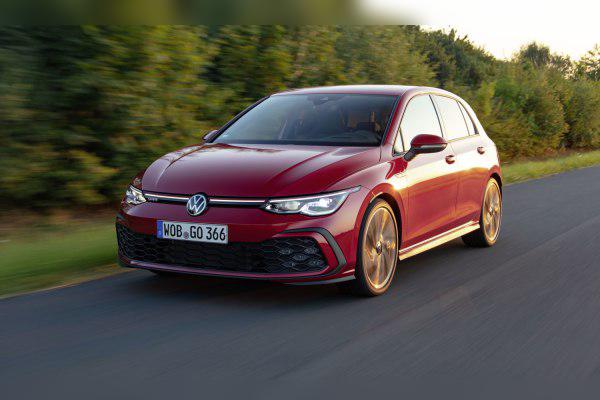
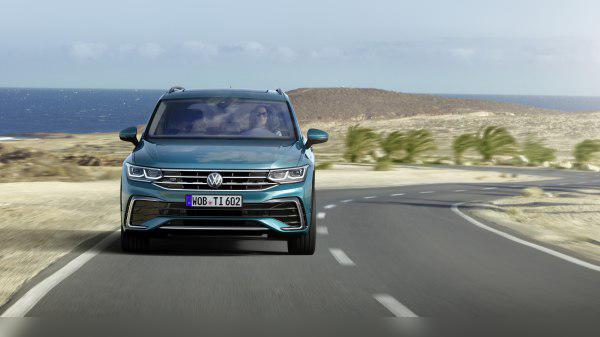
The engine with the code DNPA belongs to the fourth generation (Gen 4) of the famous VAG EA888 engine family. This is the heart of modern hot hatches and performance SUVs from the Volkswagen Group. It is installed in icons such as the Golf 8 GTI and Škoda Octavia vRS, but also in family cruisers like the Seat Tarraco and VW Tiguan.
Unlike weaker variants (such as the 190 hp version), the DNPA brings a noticeably sharper throttle response, a larger turbocharger and components adapted to higher thermal loads. This is not just an engine for getting from point A to point B; it is a powerplant designed to put a smile on your face, but that fun comes with certain maintenance requirements.
Technical Specifications
| Characteristic | Data |
|---|---|
| Engine displacement | 1984 cc (2.0 L) |
| Power | 180 kW (245 hp) at 5000–6500 rpm |
| Torque | 370 Nm at 1600–4300 rpm |
| Engine code | DNPA (EA888 Gen 4) |
| Injection type | Direct injection (TSI/FSI) – up to 350 bar |
| Forced induction | Turbocharger (single-scroll), intercooler |
| Cylinder layout | Inline, 4 cylinders |
| Emission standard | Euro 6d-TEMP / Euro 6d |
Reliability and Maintenance
Timing system: Belt or Chain?
The DNPA engine uses a timing chain. The VAG Group has learned from past mistakes, so the chain on Gen 4 engines is much more robust and reliable than on the notorious Gen 2 units (early 2010s). There is no fixed replacement interval; it is changed “as needed”. Still, it is recommended to have the condition of the chain and tensioner thoroughly checked after 150,000 km, or earlier if you hear metallic rattling at cold start (first 2–3 seconds of operation).
Oil consumption and service intervals
This engine holds approximately 5.7 liters of oil. Due to strict environmental regulations and the low-friction engine design, the manufacturer strictly recommends 0W-20 oil (VW 508.00/509.00 specification). This thin oil reduces fuel consumption, but under hard driving it can evaporate more quickly.
Does it consume oil? Yes, every high-performance engine consumes some oil, but with the DNPA it should not be as alarming as it once was. Consumption of up to 0.5 L per 10,000 km is considered acceptable, especially if you drive aggressively. If it uses a liter every 2,000 km, you have a problem with piston rings or the PCV valve.
A minor service (oil and filters) should be done every 10,000 to 15,000 km at most, or once a year. Factory “Long Life” intervals of 30,000 km are disastrous for this engine if you plan to keep it long term.
Most common failures
Although more reliable than its predecessors, the DNPA has its weak spots:
- Water pump and thermostat: The thermostat module is made of plastic and prone to cracking or leaking. Symptoms include loss of coolant without a visible puddle under the car (it evaporates on the hot block) or engine overheating. This is not a cheap repair (depends on the market) due to difficult access.
- Spark plugs and ignition coils: Due to high boost pressure, spark plugs are heavily stressed. It is recommended to replace them every 60,000 km, or even earlier (40,000 km) if you enjoy spirited driving. A failing coil manifests as rough idle and a “Check Engine” light.
- Carbon buildup: As a direct-injection engine, the valves are not “washed” by fuel. Over time, soot deposits build up on the intake valves, leading to power loss and poorer throttle response at higher mileage (usually over 100,000 km). Cleaning requires removal of the intake manifold.
Specific Components (Costs)
Turbocharger and Fuel Injection
The engine uses a single Garrett or Continental turbocharger with an electronically controlled wastegate. Its service life is generally long and follows the life of the engine, provided that you respect the rule of cooling the turbo after hard driving (let the car idle for a minute before switching off) and perform regular oil changes.
The injection system operates at extremely high pressure (up to 350 bar). The injectors are precise but sensitive to poor fuel quality. A faulty injector can cause a cylinder to be “washed” with gasoline, which destroys the oil film and can lead to engine seizure. Replacing injectors is expensive (depends on the market).
Emissions: GPF filter
All models with the DNPA engine are equipped with a GPF (Gasoline Particulate Filter), the gasoline equivalent of a DPF on diesels. Although the GPF heats up faster and regenerates more easily than a DPF (thanks to higher exhaust gas temperatures on petrol engines), it can still clog if the car is driven exclusively in stop-and-go city traffic for years. Symptoms include a “Check Engine” light and reduced power. A longer drive on the highway usually allows regeneration to complete.
AdBlue? This engine DOES NOT HAVE an AdBlue system. AdBlue is used only on diesel engines for NOx treatment. Here, emissions are handled by the catalytic converter and GPF.
Fuel Consumption and Performance
Is it “lazy” and how does it perform?
With 245 hp and, more importantly, 370 Nm available from just 1600 rpm, this engine is absolutely not lazy. In lighter bodies such as the Golf 8 GTI or Octavia vRS, it delivers explosive acceleration. Even in heavier vehicles like the Tiguan Allspace or Tarraco, the engine copes with the weight without issues, and overtaking is safe and quick.
Real-world fuel consumption
- City driving: Expect between 9 and 12 l/100 km. In heavy traffic or with a “heavy right foot”, this easily goes above 13 liters. Heavier SUV models (Tarraco) will use about 1–2 liters more than a Golf in the city.
- Country roads: It is possible to get down to 6.5–7.5 l/100 km with moderate driving.
- Highway: At 130 km/h the engine runs at relatively low rpm (thanks to the 7th gear), usually around 2000–2200 rpm. Consumption is then around 7.5–8.5 l/100 km.
Additional Options and Modifications
LPG conversion
This engine is not suitable for a conventional LPG conversion. Due to direct injection, you need an expensive liquid LPG injection system (using the petrol injectors) or a system that uses a mixture of petrol and gas (to cool the injectors). Given the high installation cost (very expensive) and complexity, it rarely pays off unless you cover very high mileage.
Chiptuning (Stage 1)
The EA888 Gen 4 is a favorite among tuners. A “Stage 1” remap (software only) can safely raise power to around 290–300 hp and torque to over 450 Nm. However, keep in mind that higher torque puts additional stress on the gearbox and clutch, and the warranty is immediately void.
Gearbox and Drivetrain
DSG and Manual gearboxes
Most of the models on the list (Formentor, Leon, Tiguan, Tarraco) come exclusively with the DSG automatic gearbox. This is the DQ381 model, a seven-speed gearbox with wet clutches. It is a very reliable transmission, capable of handling high torque.
The Golf GTI and Octavia vRS can be found with a 6-speed manual gearbox (MQ350), which offers a greater sense of involvement but is slower than the DSG.
Gearbox maintenance and Dual-mass flywheel
Yes, this engine combined with either DSG or manual gearbox HAS a dual-mass flywheel. Its typical lifespan is around 150,000–200,000 km, depending on driving style. Symptoms of failure include knocking when switching off the engine, vibrations at idle and rattling noises. Replacing the clutch kit together with the flywheel is an expensive job (depends on the market).
- DSG service: The oil and filter in the DQ381 gearbox must be changed. The recommendation is every 60,000 to 80,000 km (depending on service advice, earlier is better). Neglecting this leads to mechatronic failures, which are very expensive.
Buying Used and Conclusion
Before buying a used car with the DNPA engine, pay attention to the following:
- Cold start: Insist that the engine is completely cold. Listen for chain rattling lasting longer than 2 seconds.
- Coolant leaks: Check the engine bay around the intake manifold and below the water pump. Whitish traces indicate coolant leakage.
- DSG service history: Check whether the gearbox oil has been changed. If the car has 130,000 km and the gearbox oil has never been changed – walk away from that example.
- Exhaust smoke: Bluish smoke when you press the accelerator means the engine is burning oil (turbo or piston rings).
Conclusion: The 2.0 TSI (DNPA) is a fantastic engine that offers plenty of fun and modern technology. It is more reliable than its predecessors, but it does not tolerate neglect. It is intended for drivers who want performance and are ready to pay for proper maintenance (quality oil, regular services, premium fuel). If you want a car just to get from A to B with minimal costs, look at the weaker diesels. If you want a smile on your face every time you press the throttle – this is the right choice.
Was this content useful to you?
Your opinion helps us to improve the quality of the content.