EA888 / DKZC Engine
- Engine
- 1984 cm3
- Aspiration
- Turbocharger, Intercooler
- Fuel
- Petrol (Gasoline)
- Fuel injection system
- Direct injection and Multi-port manifold injection
- Power
- 200 hp
- Torque
- 320 Nm
- Cylinders
- 4
- Valves
- 16, 4 per cylinder
- Cylinders position
- Inline
- Valvetrain
- DOHC
- Oil capacity
- 5.7 l
- Coolant
- 10 l
- Systems
- Start & Stop System, Particulate filter
# Vehicles powered by this engine

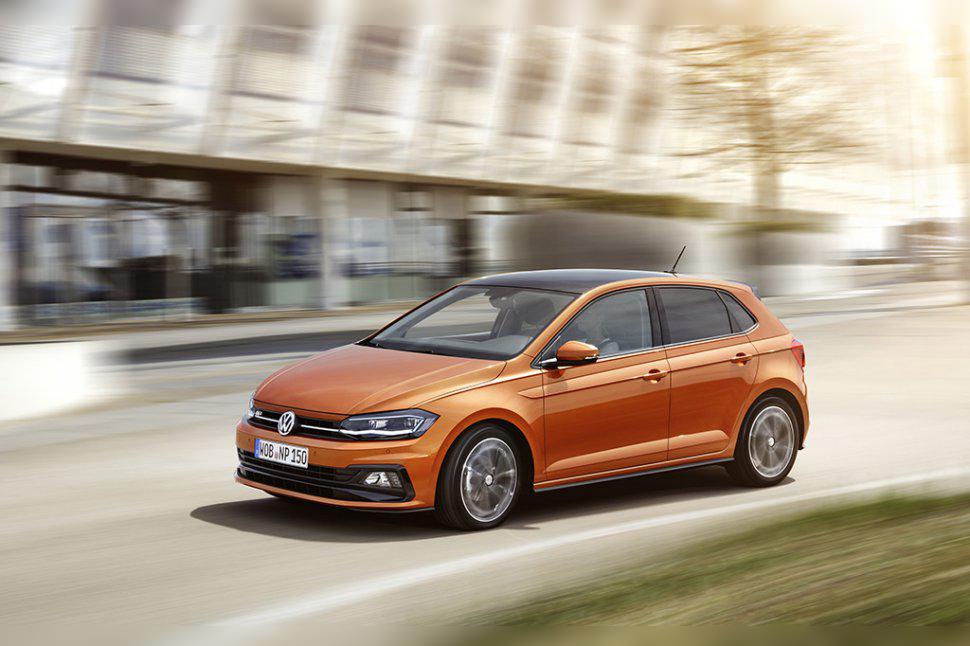
2.0 TSI (EA888 Gen 3B / DKZC) – Experiences, issues, fuel consumption and used car buying guide
If you’re looking for the heart of a true pocket rocket, you’re probably looking at the DKZC variant of the famous EA888 engine. Installed in the Volkswagen Polo GTI and Audi A1 (40 TFSI), this unit represents the pinnacle of engineering when it comes to the power-to-displacement ratio in the B-segment. Although it shares DNA with the Golf GTI engines, this one is specific because it uses the so‑called “B‑cycle” combustion (similar to the Miller cycle) for higher efficiency, but don’t let that fool you – with 200 horsepower in a light body, this is a serious machine.
Key points (TL;DR)
- Performance: An explosive engine for the weight of the Polo and Audi A1. It never lacks power.
- Timing drive: Uses a chain. Much more reliable than older generations, but still requires stretch checks.
- Cooling system: Thermostat module and water pump are the most common and most expensive weak points (coolant leaks).
- Gearbox: Almost always paired with a DSG gearbox (wet clutch), which requires regular oil changes.
- Emissions: Equipped with an OPF (GPF) particulate filter, which means it needs the correct oil and occasional highway driving.
- Oil consumption: Although better than 10 years ago, it still likes to “drink” some oil if driven aggressively.
- Recommendation: An excellent choice for enthusiasts, but requires strict maintenance; it’s not a “fill up and forget” engine.
Contents
- Technical specifications
- Reliability and maintenance
- Specific components (costs)
- Fuel consumption and performance
- Additional options and modifications
- Gearbox
- Buying used and conclusion
Technical specifications
| Parameter | Value |
|---|---|
| Engine code | DKZC (EA888 Gen 3B) |
| Displacement | 1984 cc (2.0 L) |
| Power | 147 kW (200 hp) |
| Torque | 320 Nm |
| Injection system | Direct injection (TSI/FSI) |
| Induction | Turbocharger + intercooler |
| Number of cylinders | 4 (inline) |
Reliability and maintenance
Chain or belt?
The DKZC engine uses a timing chain. This is the third generation (Gen 3B) of the EA888 engine, where the catastrophic chain failures and bad tensioners (which plagued earlier versions) have been largely resolved. However, the chain is not eternal. It’s recommended to check its condition (stretch) via diagnostics after 100,000 km. If you hear rattling on cold start that lasts longer than 2–3 seconds, that’s a sign you need to visit a workshop immediately.
Most common failures
The Achilles’ heel of this engine is the thermostat module and water pump. The housing is made of plastic that deforms over time due to heating and cooling cycles, which leads to coolant leaks. Symptoms include dropping coolant level or the smell of coolant under the hood. Replacement is not cheap (depends on the market) because the part is complex.
Another common issue is the PCV valve (oil vapor separator). When it fails, it can cause increased oil consumption, rough idle, or even oil leaks at the crankshaft seals due to excessive crankcase pressure.
Major and minor service
Since it has a chain, there is no classic “major service” (timing belt replacement) at a fixed interval. However, the auxiliary (serpentine) belt and its tensioners are replaced at around 120,000 km or as needed. The timing chain is replaced only when it stretches, which can be at 150,000 km, but also at 250,000 km, depending on driving style and oil quality.
Oil should be changed every 10,000 to 15,000 km at most, or once a year. Factory intervals of 30,000 km (LongLife) are deadly for this engine if you plan to keep it long term.
Oil: capacity and consumption
This engine takes approximately 5.7 liters of engine oil. The recommended viscosity is usually 0W-20 (VW 508.00 standard) for efficiency and OPF compatibility, but many enthusiasts and mechanics switch to 5W-30 (VW 504.00) for better protection at high temperatures, provided the oil supports specifications for vehicles with a particulate filter.
Does it burn oil? Yes, TSI engines are known for that. For this newer model, consumption of about 0.5 liters per 5,000 km is considered acceptable and normal. If it uses a liter per 1,000 km, you have a problem (piston rings or turbo).
Spark plugs
Due to direct injection and turbocharging, the spark plugs are under heavy stress. It’s recommended to replace them every 60,000 km. If the car is chipped (remapped), this interval should be halved to 30,000 km.
Specific components (costs)
Dual‑mass flywheel
Yes, this engine in combination with the DSG gearbox (which is standard for the Polo GTI and A1 40 TFSI) uses a dual‑mass flywheel. It is subjected to high loads due to the sudden delivery of torque. Failure symptoms include a metallic knocking sound at idle (which changes when the gearbox is put into “D” or “N”) and vibrations when switching the engine off. Replacement is expensive (depends on the market).
Fuel injection system
The DKZC uses direct fuel injection at high pressure. Injectors are generally reliable but sensitive to poor fuel quality. The main issue with direct injection is carbon buildup on intake valves, because fuel does not wash the valves. This manifests as rough idle and power loss at higher mileage (over 100,000 km), which requires mechanical cleaning (walnut blasting).
Turbocharger
The engine has a single turbocharger (usually an IS20 or derivative). Service life is long if you follow the rules: don’t push a cold engine hard and don’t switch off a very hot engine immediately after fast driving. Failure of the electronic actuator (wastegate) can occur, which leads to power loss.
DPF / GPF / EGR
This petrol engine is equipped with an OPF (Otto Particulate Filter), the gasoline equivalent of a DPF on diesels, in order to meet Euro 6d‑TEMP standards. Unlike diesels, the OPF regenerates much more easily and quickly due to higher exhaust gas temperatures on petrol engines. Clogging is rare, unless the car is driven exclusively on short city trips in cold weather. The EGR valve is integrated and rarely causes issues like on diesels.
AdBlue
No, this engine does not have an AdBlue system. That is reserved for modern diesel engines.
Fuel consumption and performance
City driving
Don’t expect miracles. Although this is a “B‑cycle” engine optimized for efficiency, in a model like the Polo GTI, real‑world city consumption is between 8.5 and 11 liters per 100 km, depending on how heavy your right foot is and how bad the traffic is.
Is the engine “lazy”?
Absolutely not. With 320 Nm available from as low as 1,500 rpm, this engine in the body of a Polo or A1 (weighing around 1.3 tons) delivers a genuine sporty driving feel. Throttle response is instant, and overtaking is effortless.
Highway driving
This is an engine that feels at home on the highway. Thanks to the DSG gearbox (usually 6 or 7 speeds), at 130 km/h the engine spins at relatively low revs (around 2,200–2,500 rpm), which contributes to cabin quietness and fuel consumption of about 6.5 to 7.5 liters.
Additional options and modifications
LPG conversion
Although physically possible, converting this engine to run on LPG is expensive and complicated. Due to direct injection, you need a system that either uses liquid‑phase LPG or injects petrol in parallel (e.g. 20% petrol, 80% LPG) to cool the petrol injectors. The system itself is costly (very expensive), and given that this is a performance engine, the risk of cylinder head overheating is not negligible. Not recommended.
Chiptuning (Stage 1)
The EA888 is a tuning king. A Stage 1 software remap is very safe if done by a reputable tuner. With no mechanical changes, power can easily be raised to 240–250 hp, and torque to over 400 Nm. The engine and turbo can handle this without issues, but keep in mind it will shorten clutch life and require more frequent servicing.
Gearbox
Types of gearboxes
With the DKZC engine in the Polo GTI and Audi A1 you most commonly get a DSG gearbox. Depending on the exact production year, this can be the DQ250 (6‑speed with wet clutch) or the newer DQ381 (7‑speed with wet clutch). Manual gearboxes are rare in combination with this specific engine code in some markets, as the trend is towards automated performance.
Gearbox failures and maintenance
Wet‑clutch DSG gearboxes are reliable, but they do require maintenance.
Service: Oil and filter in the DSG must ALWAYS be changed every 60,000 km (for DQ250) or up to 120,000 km for some DQ381 versions (although it’s recommended to do it at 60k–80k km there as well).
Failures: The most expensive failure is the mechatronics unit (the gearbox brain). Symptoms include harsh gear changes, delay when setting off, or warning lights on the dashboard. The clutch pack also wears out and replacement is costly (depends on the market).
Buying used and conclusion
When buying a used Polo GTI or Audi A1 with this engine, pay attention to the following:
- Coolant leaks: Check the coolant level and look for white traces of dried coolant around the thermostat housing (at the front of the engine).
- Chain noise: When starting a cold engine, listen for rattling.
- DSG behavior: The gearbox should shift smoothly and almost imperceptibly. Any jerking when setting off or stopping is a sign of poor condition or lack of maintenance.
- Exhaust: Black smoke is somewhat normal under full throttle (rich mixture), but blue smoke means oil consumption.
Conclusion: The 2.0 TSI (DKZC) is a fantastic engine that turns a small city car into a serious fun machine. It offers a great balance between everyday usability and sporty performance. It’s not the cheapest to maintain (especially due to the DSG and specific cooling components), but if you want a smile on your face every time you press the throttle, this is the right choice.
Was this content useful to you?
Your opinion helps us to improve the quality of the content.