EA888 / DAJB Engine
- Engine
- 1798 cm3
- Aspiration
- Turbocharger, Intercooler
- Fuel
- Petrol (Gasoline)
- Fuel injection system
- Direct injection and Multi-port manifold injection
- Power
- 192 hp @ 5400 rpm
- Torque
- 250 Nm
- Cylinders
- 4
- Valves
- 16, 4 per cylinder
- Cylinders position
- Inline
- Valvetrain
- DOHC
- Oil capacity
- 5.2 l
- Coolant
- 8.5 l
- Systems
- Start & Stop System
# Vehicles powered by this engine
1.8 TSI / TFSI (DAJB) – Experiences, issues, fuel consumption and maintenance
Key points (TL;DR)
- Third-generation unit (Gen 3): This is the crucial piece of information – the catastrophic oil consumption issues that plagued the previous 1.8 TSI engines (EA888 Gen 2) have been resolved.
- Performance: In bodies such as the VW Polo GTI and Audi A1, this engine delivers sporty performance and really “pins you to the seat”.
- Biggest drawback – Water pump: The thermostat housing and water pump are made of plastic and are prone to cracking and coolant leaks.
- Gearbox (DSG): It is mostly paired with the DQ200 gearbox with a dry clutch, which is limited to 250 Nm of torque and requires careful maintenance.
- Timing chain: The engine uses a chain. Although the system has been improved, it still requires tension check at higher mileage.
- Tuning potential: The engine is factory “detuned” because of the gearbox; it has huge potential for power increase.
Contents
- Introduction and applications
- Technical specifications
- Reliability and maintenance
- Specific parts and injection system
- Fuel consumption and performance
- Additional options (LPG and remapping)
- Gearbox and drivetrain
- Buying used and conclusion
Introduction and applications
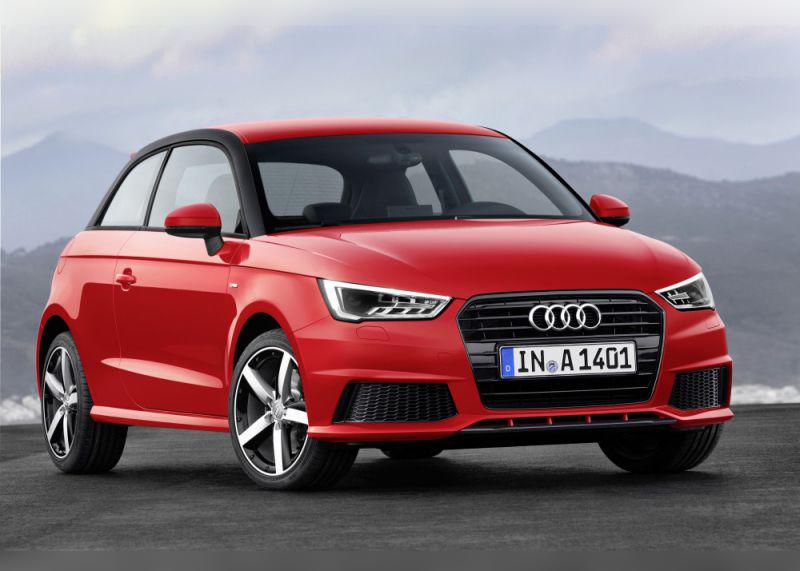
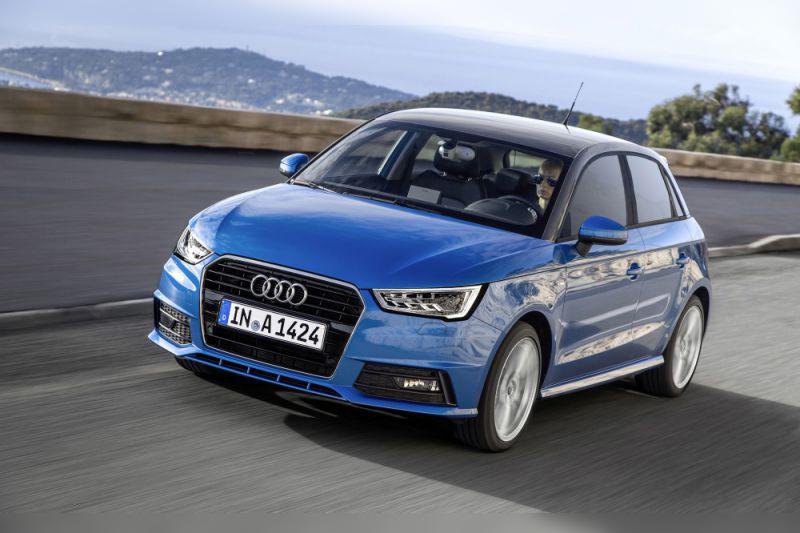
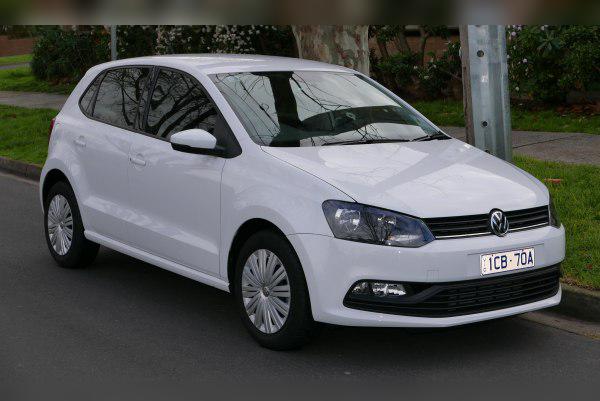
The engine with the code DAJB belongs to the famous EA888 family, but in its third generation (Gen 3). This is very important to emphasize because the previous generations of 1.8 TSI engines were notorious for piston ring issues and extreme oil consumption. This engine, which was installed in the VW Polo GTI (2014 facelift) and Audi A1 (2014 facelift), brings more modern technology, combined injection and much better reliability.
With 192 horsepower in B-segment cars (city cars), this engine turns a small city car into a true hot hatch. A specific feature of this variant is that torque is often electronically limited in order to protect the DSG gearbox.
Technical specifications
| Parameter | Value |
|---|---|
| Displacement | 1798 cc (1.8 L) |
| Power | 141 kW (192 hp) |
| Torque | 250 Nm (DSG versions) / 320 Nm (manual gearbox)* |
| Engine code | DAJB (EA888 Gen 3) |
| Fuel type | Petrol (unleaded) |
| Injection | Direct (FSI) + indirect (MPI) – combined |
| Induction | Turbocharger (IHI IS12), intercooler |
*Note: Although your data may state 250 Nm, it is important to know that manual versions of this engine often have torque unlocked to 320 Nm, while the DSG is limited to 250 Nm.
Reliability and maintenance
Does this engine have a timing belt or a chain?
The EA888 Gen 3 engine uses a timing chain. Unlike older generations where chain stretching was common as early as 60–80,000 km, here the system has been significantly improved. Still, the chain is not eternal. It is recommended to check its condition (elongation) via diagnostics or visually (through the inspection port) after around 150,000 km. If you hear rattling on cold start that lasts longer than 2–3 seconds, that is a sign that replacement is urgently needed.
What are the most common failures on this engine?
The biggest weak point of this engine is the thermostat and water pump module. The housing is made of plastic that deforms over time due to heating and cooling cycles, which leads to coolant leaks. Symptoms include a dropping coolant level and the smell of antifreeze under the bonnet. Oil leaks on the crankshaft seal are also possible.
At what mileage should the major service be done?
Since the engine has a chain, the classic “major service” (as with a belt) is not strictly defined by interval, but by the condition of the chain. However, the auxiliary (serpentine) belt and tensioners should be replaced at around 100,000–120,000 km or every 5–6 years. Chain replacement is done as needed, but in practice this is often between 150,000 and 200,000 km (very expensive, depends on the market).
How many litres of oil does this engine take and which grade is recommended?
The engine holds approximately 5.7 litres of oil (always buy 6 L). The recommended grade is usually 5W-30 (VW 504.00 / 507.00 standard), but newer recommendations may also include 0W-20 (VW 508.00) for fuel economy. For sporty driving and better engine protection, 5W-30 or 5W-40 (with the appropriate VW approval) is a safer choice.
Does it consume oil between services?
This is a Gen 3 engine, which means that the piston ring issues have been resolved. Oil consumption is drastically lower than in its predecessors. Still, high-performance turbo engines can “drink” a bit of oil if driven aggressively. Consumption of up to 0.5 litres per 5,000–8,000 km is considered acceptable. If it consumes more than that (e.g. 1 L per 2,000 km), there is a problem (turbo, leaks or a neglected engine).
At what mileage should the spark plugs be replaced?
For the 1.8 TSI engine, it is recommended to replace spark plugs every 60,000 km or 4 years. If the car is remapped (tuned), the interval should be shortened to 30,000–40,000 km, using colder plugs.
Specific parts (costs)
Does the engine have a dual-mass flywheel?
Yes. Both manual and DSG (S tronic) versions have a dual-mass flywheel. Its role is to dampen engine vibrations before they are transmitted to the gearbox. On petrol engines it lasts longer than on diesels, often over 150,000 km, but when it fails, replacement is expensive.
What type of injection system does it have and are the injectors problematic?
This engine uses an advanced dual injection system. It has 4 injectors for direct injection (FSI) and 4 injectors for port injection into the intake manifold (MPI).
Advantage: The port injectors wash the valves with fuel at lower loads, which significantly reduces carbon buildup on the intake valves, which used to be a major issue on pure direct-injection petrol engines. The injectors are generally reliable and are not a common source of failures.
Does this engine have a turbocharger and what is its lifespan?
It has a single turbocharger, usually an IHI IS12 (a smaller turbo for quicker response) in this power configuration. Turbo lifespan depends on driving style and regular oil changes. With quality oil and proper cooldown after hard driving, the turbo can easily last over 200,000 km. Failure manifests as a whistling noise (like an ambulance siren) or loss of power.
Does this model have a DPF filter or EGR valve?
Being a petrol engine, it does not have a DPF filter (GPF filters were introduced later, mostly from 2018 onwards). EGR: The EA888 Gen 3 does not have a classic, problematic external EGR valve that clogs with soot. Instead, it uses variable valve timing (internal EGR) to achieve the same effect. This is great news because it means one expensive part less to fail.
Does this engine use AdBlue?
No. AdBlue is used exclusively on newer-generation diesel engines (TDI). This petrol engine does not require any exhaust gas additives.
Fuel consumption and performance
What is the real-world fuel consumption in city driving?
Although these are small cars (A1, Polo), the engine is powerful. In real city driving you can expect consumption between 8.5 and 10.5 litres per 100 km. If traffic is heavy or your right foot is heavy, it easily goes over 11 litres. The start-stop system can slightly reduce this figure, but don’t expect miracles.
Is this engine “lazy” for the weight of the car?
Absolutely not. In fact, the engine is oversized for this body. With 192 hp in a car weighing around 1,200–1,300 kg, acceleration is explosive (0–100 km/h in about 6.7 seconds). The driving feel is extremely agile and fun.
How does the engine behave on the motorway and at what revs does it cruise at 130 km/h?
Thanks to the 7-speed DSG gearbox, the engine is very relaxed. At 130 km/h it runs at around 2,400–2,600 rpm (depending on the specific model’s gear ratios). At that point it is quiet, and fuel consumption on the open road drops to a reasonable 6.5–7.5 litres. Overtaking is lightning-fast and does not require much effort from the engine.
Additional options and modifications
Is this engine suitable for LPG conversion?
Not recommended. Due to the direct injection system, installation of a classic sequential LPG system is not possible. A direct-injection LPG system is required (liquid phase or petrol–LPG mix), which is very expensive (often over 1,000 EUR) and complex to set up. Considering the fuel consumption, the payback period is too long.
How far can this engine be safely remapped (Stage 1)?
This engine is a “dream” for tuners. From the factory it is often software-limited (especially torque because of the DSG). A Stage 1 remap can safely raise power to 230–240 hp and torque to over 350 Nm.
WARNING: If you have the DSG DQ200 gearbox, raising torque above 250–280 Nm can drastically shorten clutch life, so a “gearbox remap” (TCU tune) is recommended to increase clutch pressure.
Gearbox
Which gearboxes are fitted?
- 6-speed manual: Reliable, can handle higher torque.
- 7-speed DSG (S tronic): DQ200 model with dry clutch.
What are the most common issues with the manual and automatic gearboxes?
Manual: Generally very reliable. Synchro wear is possible if gears are shifted aggressively, but this is rare. Failures are mostly related to the clutch kit and flywheel.
DSG (DQ200): This is the more sensitive point. The most common issue is clutch pack wear in stop–go city driving and mechatronic failure (the gearbox control unit). Symptoms include juddering when moving off, jolts when changing gears or inability to engage a gear (e.g. reverse). Mechatronic repair is expensive.
Does this model have a dual-mass flywheel and how much does clutch replacement cost?
It does have a dual-mass flywheel.
Cost (rough estimate – depends on market):
- Replacement of clutch kit and flywheel for manual: Expensive.
- Replacement of clutch pack for DSG (without flywheel): Very expensive (requires special tools and adaptation). The DSG flywheel is replaced separately and is also a significant cost.
At what mileage should the gearbox be serviced and the oil changed?
Manual: VW says the oil is “lifetime”, but experts recommend changing it every 80,000–100,000 km.
DSG DQ200 (dry): On this gearbox, the oil in the mechanical section is changed rarely, but an inspection is recommended at 60,000 km. Unlike “wet” DSG gearboxes (DQ250), there is no filter and no oil that cools the clutch packs, so maintenance is cheaper, but the gearbox itself is less resistant to heat and wear.
Buying used and conclusion
What should be checked before purchase?
- Cold start: The engine must be completely cold. Listen to the chain. Any rattling lasting more than a couple of seconds is a red flag.
- Coolant: Check the level in the expansion tank and look for white traces of leakage around the thermostat housing (on the right side of the engine when viewed from the front).
- DSG test: Warm up the car. Start slowly uphill without pressing the accelerator (does it judder?). Accelerate hard. Gear changes must be seamless.
- Service history: Check whether the oil has been changed regularly (maximum 15,000 km, never “Long Life” intervals of 30,000 km if you want longevity).
Final conclusion
The 1.8 TSI (DAJB) engine is a gem hidden in a small package. Unlike its problematic predecessors, this is a reliable and very potent unit. It is ideal for drivers who want serious performance (GTI feel) but are not ready for the registration and maintenance costs of a 2.0 TSI engine.
If you can live with the potential risk of DSG gearbox repairs or water pump leaks, this engine will give you a lot of smiles per kilometre. It is recommended to look for an example with a complete service history and, if possible, a manual gearbox for fewer maintenance headaches.
Was this content useful to you?
Your opinion helps us to improve the quality of the content.