CUSB Engine
- Engine
- 1422 cm3
- Aspiration
- Turbocharger, Intercooler
- Fuel
- Diesel
- Fuel injection system
- Diesel Commonrail
- Power
- 90 hp @ 3500 rpm
- Torque
- 230 Nm @ 1750 rpm
- Cylinders
- 3
- Valves
- 12, 4 per cylinder
- Cylinders position
- Inline
- Valvetrain
- DOHC
- Oil capacity
- 4.1 l
- Coolant
- 8 l
- Systems
- Particulate filter
# Vehicles powered by this engine
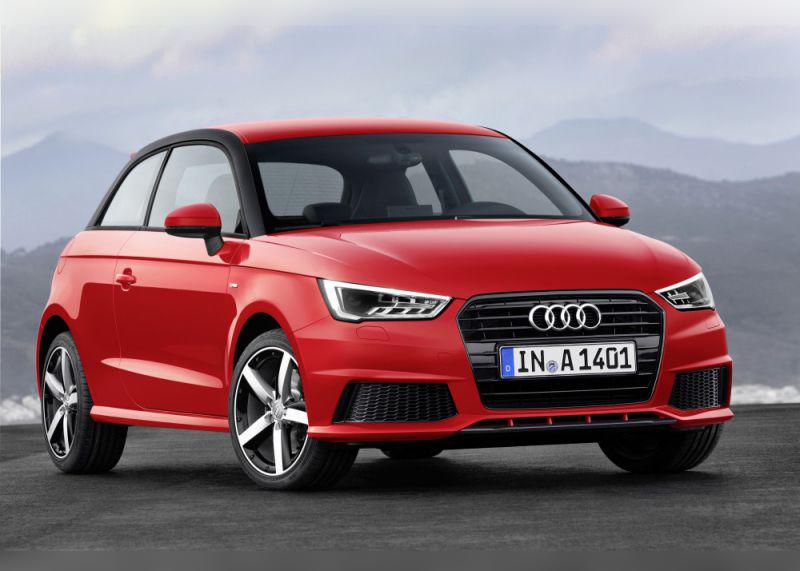
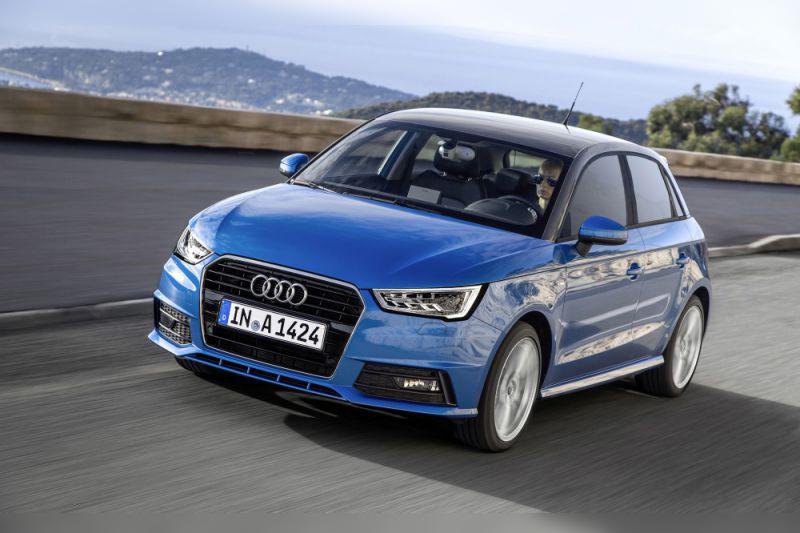
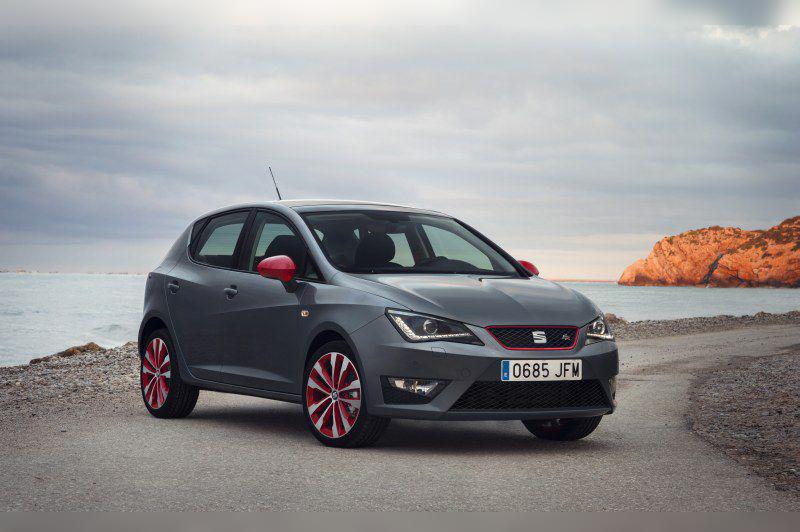
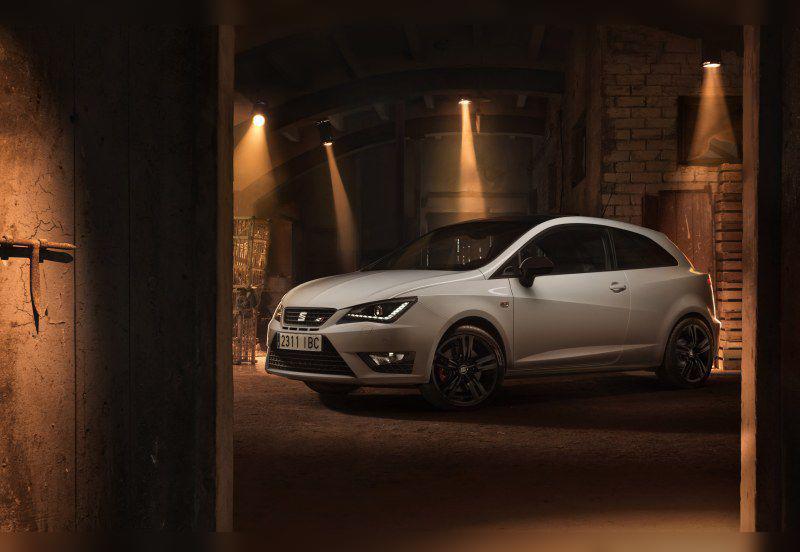
1.4 TDI (CUSB) 90 HP Engine – Experiences, Problems, Fuel Consumption and Maintenance
Most important in short (TL;DR)
- Exceptional efficiency: This is one of the most economical engines on the market, with real-world consumption often dropping below 4.5 l/100 km on the open road.
- 3 cylinders: The engine is a three-cylinder, which means the sound is specific ("snorty") and vibrations are more pronounced than on 1.6 TDI or 2.0 TDI engines, especially at idle.
- Cooling system: The biggest weak point of the EA288 series (to which this engine belongs) is the water pump with variable flow, which can seize and cause overheating.
- DPF and EGR: Sensitive to exclusively city driving. Although the engine is small, it needs open road to "breathe".
- Gearbox: Comes with a reliable manual gearbox or with a 7-speed DSG (dry clutch), which requires caution when buying used.
- Good torque: With 230 Nm, it pulls surprisingly well for its displacement, making it agile in the city.
Contents
Introduction: CUSB code and application
The engine with the code CUSB represents a modern generation of Volkswagen diesels (EA288 family), which replaced the old 1.2 TDI and 1.6 TDI engines in smaller vehicles. This is not that old, noisy 1.4 TDI with the "pump–duse" system from the early 2000s. This is a modern Common Rail engine with an aluminum block, designed to meet strict Euro 6 standards.
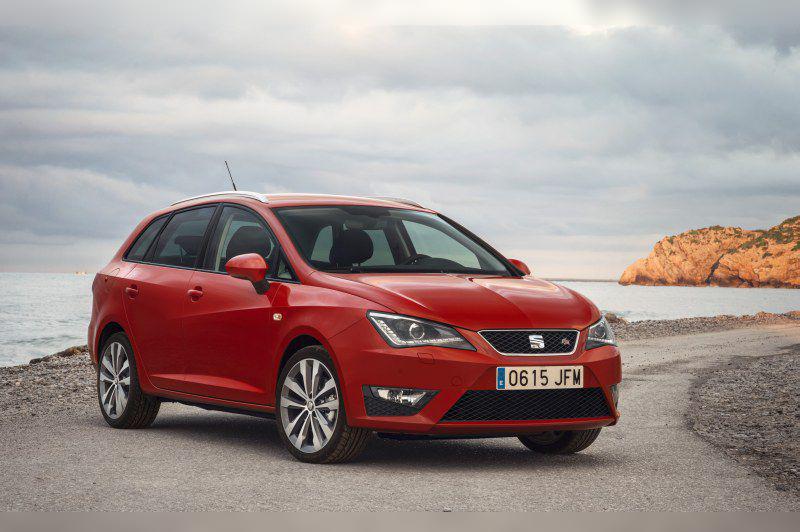
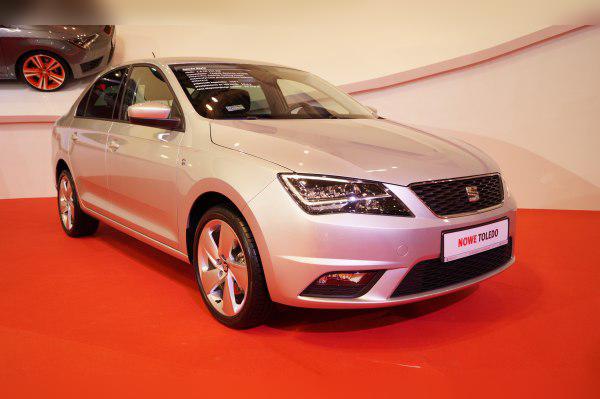
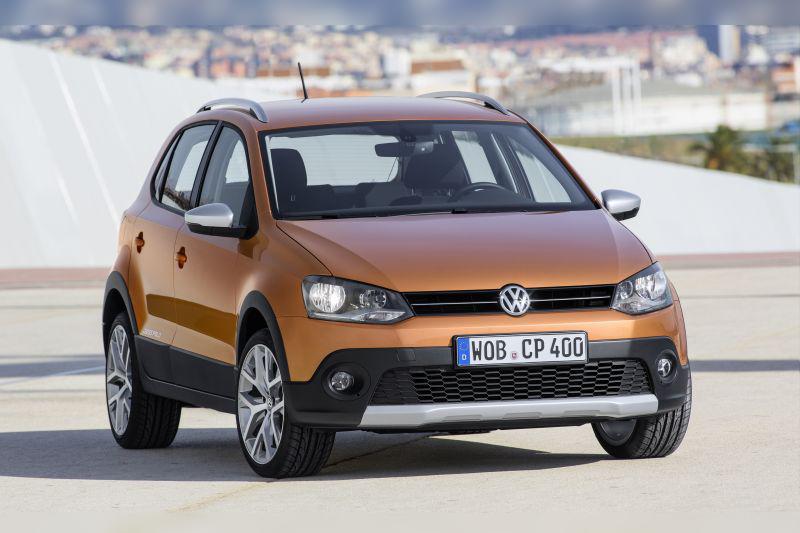
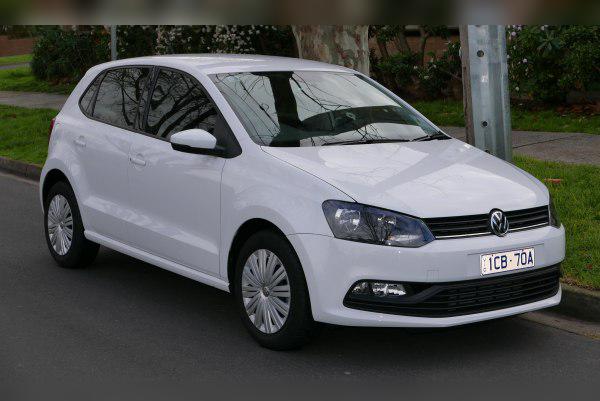
It was primarily installed in facelifted VW Group models from 2014 onwards (Audi A1, VW Polo, Seat Ibiza/Toledo). Its purpose is clear: to offer diesel torque and low fuel consumption in a compact package, with reduced harmful emissions.
Technical specifications
| Parameter | Value |
|---|---|
| Engine code | CUSB |
| Displacement | 1422 cc (1.4 L) |
| Configuration | Inline, 3 cylinders, 12 valves |
| Power | 66 kW (90 HP) at 3500 rpm |
| Torque | 230 Nm at 1500–2500 rpm |
| Injection system | Common Rail (Direct injection) |
| Turbocharger | Turbo with variable geometry (VGT) + intercooler |
| Emission standard | Euro 6 |
Reliability and Maintenance
Does this engine have a timing belt or a chain?
The CUSB engine uses a timing belt for the valvetrain. This is good news because the system is quieter and generally more predictable than a chain. The belt is immersed in oil vapor on some modern designs, but here it is a classic dry system with a replacement interval which the manufacturer optimistically sets at as much as 210,000 km.
Mechanic’s advice: Do not wait for 210,000 km. Due to rubber aging and harsh driving conditions, do the major service between 160,000 km and 180,000 km or after 5 to 7 years, whichever comes first. A snapped belt leads to a "collision" between pistons and valves, which is a catastrophic failure.
What are the most common failures on this engine?
Although the EA288 series is reliable, the CUSB has several specific issues:
- Water pump: This is the most critical point. The pump has a movable "ring" (shroud) that regulates coolant flow to warm up the engine faster. This mechanism often seizes, which leads to engine overheating. If you notice that the engine temperature fluctuates or jumps above 90°C, stop immediately.
- Oil leaks: Sometimes appear on the crankshaft seal or on the valve cover.
- Sensors: Failures of the DPF differential pressure sensor are relatively common, which can falsely indicate a clogged filter.
Minor service and oil
This engine holds approximately 3.8 to 4.2 liters of oil (depending on whether the filter is also changed; always buy 5 liters). You must use 5W-30 oil that meets the strict VW 507.00 specification.
Why VW 507.00? Because it is a "Low SAPS" oil (low ash content) that protects the DPF filter. Using the wrong oil will permanently damage the DPF.
Oil consumption: Between two services (it is recommended to service every 10,000–15,000 km, never at 30,000 km "Long Life"), it is normal for the engine to consume 0.3 to 0.8 liters of oil. If it consumes more than 1 liter per 10,000 km, this may indicate a problem with piston rings or the turbo, although these engines are not known as "oil burners" if they are in good condition.
How long do the injectors last?
The CUSB uses Delphi Common Rail solenoid injectors. They have proven to be quite robust and less sensitive than the old Siemens piezo injectors. The expected service life is over 200,000–250,000 km with good-quality fuel.
Symptoms of bad injectors: Rough idle (which is harder to notice on a three-cylinder, but can be felt as irregular "jerking"), difficult cold starts, and increased fuel consumption. Refurbishment is possible and the price is moderate (depends on the market).
Specific Parts (Costs)
Does the engine have a dual-mass flywheel?
Yes. The 90 HP and 230 Nm variant usually comes with a dual-mass flywheel, especially in models with Start/Stop. Due to the nature of a three-cylinder engine, which creates more vibrations and imbalance, a dual-mass flywheel is necessary to keep driving comfortable and to protect the gearbox.
Failure symptoms: Metallic knocking noise when switching the engine off, vibrations on the clutch pedal, or rattling at idle that disappears when the clutch is pressed.
Turbocharger and service life
The engine uses a single turbocharger with variable geometry (VGT). This allows the engine to pull well at both low and high revs. Its service life is usually equal to the life of the engine with regular oil changes.
However, the VGT mechanism ("vanes") can get clogged with soot if the car is driven in a "pensioner style" (constantly lugging the engine). The symptom is "safe mode" (loss of power) during hard acceleration, because the turbo overboosts or does not boost enough.
DPF filter, EGR and AdBlue
- DPF and EGR: It has both. The EGR valve (exhaust gas recirculation valve) is integrated into a complex module and prone to clogging with soot. The DPF filter is standard. Problems occur mainly in city driving where the temperature required for regeneration is not reached.
- AdBlue: In models such as the Polo and Ibiza with this engine (CUSB), VW mostly used a LNT (Lean NOx Trap) catalyst instead of an SCR system with AdBlue fluid, because the vehicles are lighter. This is a big advantage because you do not have the cost of topping up AdBlue or failures of the pump, heater and urea injector. Still, always check next to the fuel filler: if there is no blue cap, you do not have AdBlue. Most CUSB engines do not have it.
Fuel Consumption and Performance
Real-world fuel consumption
This is the strongest selling point of this engine.
- City driving: Expect between 5.0 and 6.5 l/100 km, depending on traffic and how heavy your right foot is. The Start/Stop system helps here.
- Open road: It easily drops to 3.8–4.5 l/100 km. With one tank in a Polo or Ibiza you can cover huge distances.
Is the engine "lazy"?
Absolutely not. With 230 Nm of torque available already from 1500 rpm, this engine in a Polo or Ibiza body (weighing around 1100–1200 kg) feels very lively. In the city it is quick off the line, and in-gear acceleration is perfectly adequate for overtaking. The "pushed into the seat" feeling is present in the first three gears.
Behavior on the motorway
At 130 km/h the engine spins at around 2,400–2,600 rpm (depending on whether it is a 5-speed manual or 7-speed DSG). This is a range where the engine is still relatively quiet and economical. It maintains that speed on inclines without any problem. Top speed is around 180–185 km/h, but above 150 km/h wind and engine noise become tiring.
Additional Options and Modifications
Is this engine suitable for LPG?
No. This is a diesel engine; LPG installation is neither technically worthwhile nor common on passenger diesel vehicles.
Remapping (Stage 1)
The CUSB engine has a power "reserve". A safe Stage 1 remap can raise power to about 110–115 HP and torque to 260–270 Nm.
Warning: Although the engine can handle it, keep in mind the gearbox and clutch. If you have a DSG gearbox (DQ200), it is rated for a limit of 250 Nm. Aggressive remapping can drastically shorten the life of the DSG. With the manual gearbox, the flywheel will be subjected to higher loads.
Gearbox
Gearbox options
- Manual (5-speed): The most common option. Precise, with the typical Volkswagen feel.
- DSG (7-speed): Code DQ200. This is an automatic dual-clutch gearbox with dry clutches.
Most common gearbox failures
- Manual: Very reliable. Failures are rare and mostly come down to replacing the clutch kit and flywheel due to wear. The cost of replacing the clutch with the flywheel is significant (expensive, depends on the market), but it is done infrequently.
- DSG (DQ200): This is a problematic point. The dry-clutch gearbox does not like stop-and-go traffic. The mechatronics unit (the gearbox brain) is prone to failure (the cost is very high), and the clutch pack can wear out as early as 150,000 km if driven exclusively in the city. Symptoms are juddering when setting off or a delay when engaging reverse.
Gearbox servicing
- Manual: VW says the oil is "lifetime", but it is recommended to change it every 100,000 km.
- DSG (DQ200): Officially, the oil in the gearbox itself is not changed (because it is dry), but the oil in the mechatronics is. Many mechanics still recommend changing the oil in the gear section every 60,000–80,000 km for longevity.
Buying Used and Conclusion
What to check before buying?
If you are looking at an Audi A1, Polo or Ibiza with this engine:
- Cold start: The engine should start "on half a turn". Listen for the chain (although it has a belt, there is a small chain for the oil pump) and for the flywheel noise when switching off.
- Coolant/antifreeze: Look at the coolant reservoir. If the level is low or there are traces of leaks around the engine, suspect the water pump.
- Diagnostics: Check the "DPF ash load" (ash mass) and injector corrections.
- DSG test: If it is an automatic, release the brake on an incline without pressing the accelerator – the car must not roll back or jerk before moving forward.
Conclusion: Who is it for?
The 1.4 TDI (CUSB) engine is an excellent choice for drivers who cover more than 15,000 km per year and want a compact car. It is ideal for a mix of highway and city driving. It offers performance almost like a 1.6 TDI, but with lower registration costs and lower fuel consumption.
If you are buying used, the manual gearbox is the safer (and cheaper) option. Avoid examples that have been driven exclusively in the city (delivery vehicles), as their DPF and clutch are likely near the end of their life. With regular maintenance, this little engine can cover serious mileage.
Was this content useful to you?
Your opinion helps us to improve the quality of the content.