CAYB Engine
- Engine
- 1598 cm3
- Aspiration
- Turbocharger, Intercooler
- Fuel
- Diesel
- Fuel injection system
- Diesel Commonrail
- Power
- 90 hp @ 4200 rpm
- Torque
- 230 Nm
- Cylinders
- 4
- Valves
- 16, 4 per cylinder
- Cylinders position
- Inline
- Valvetrain
- DOHC
- Oil capacity
- 4.3 l
- Coolant
- 8 l
- Systems
- Particulate filter
# Vehicles powered by this engine
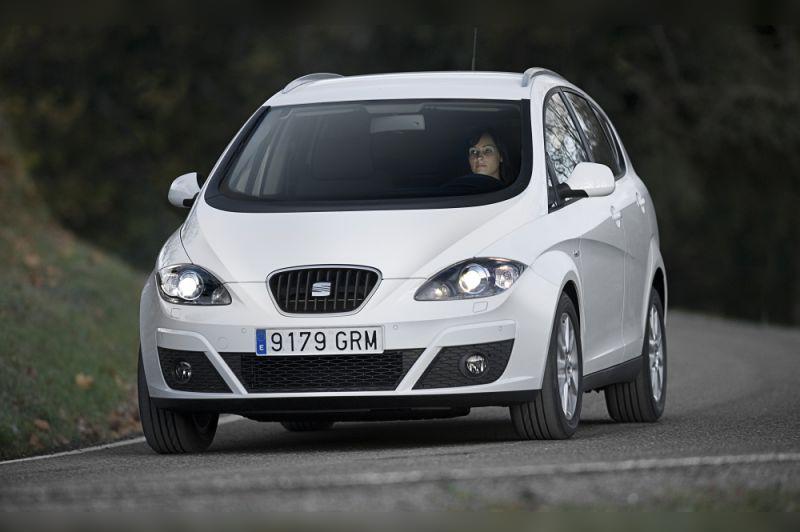
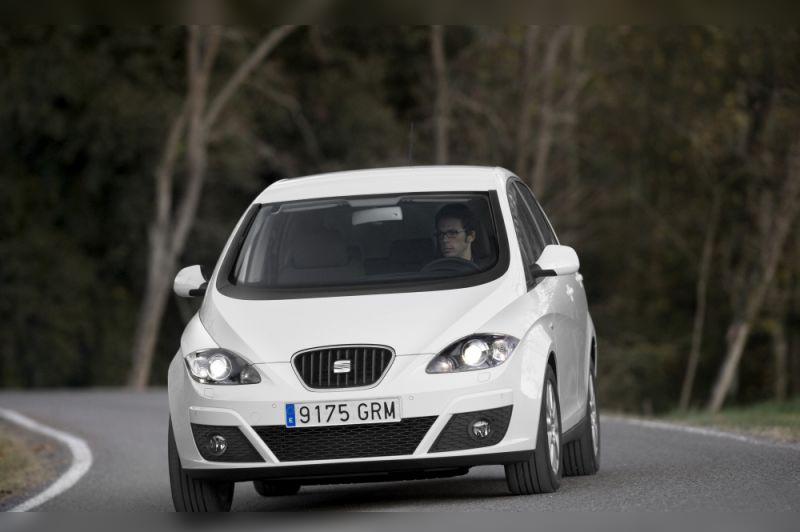
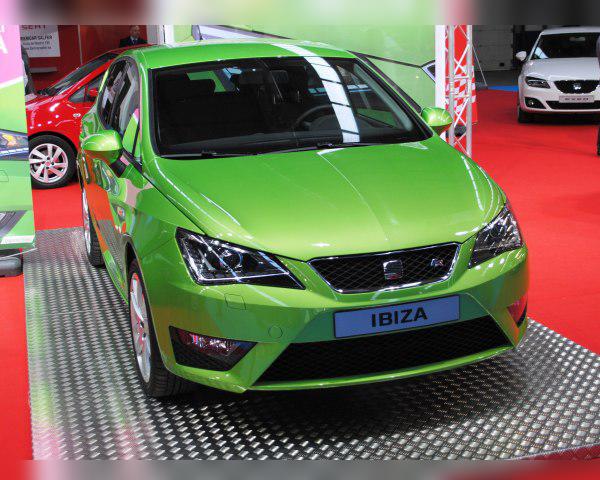
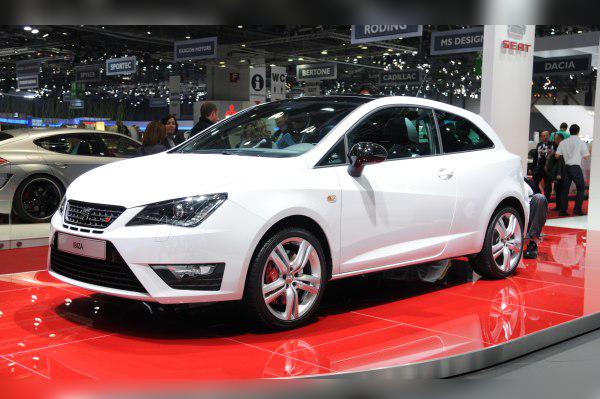
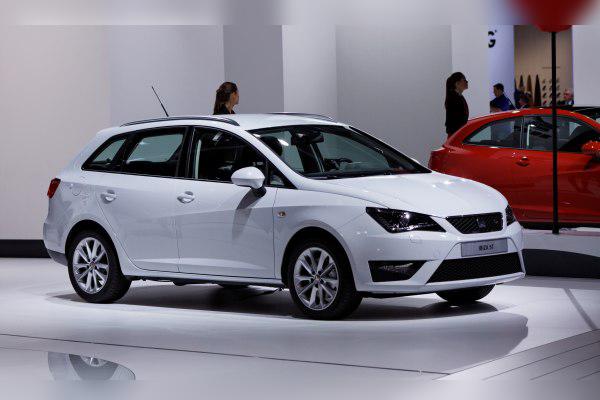
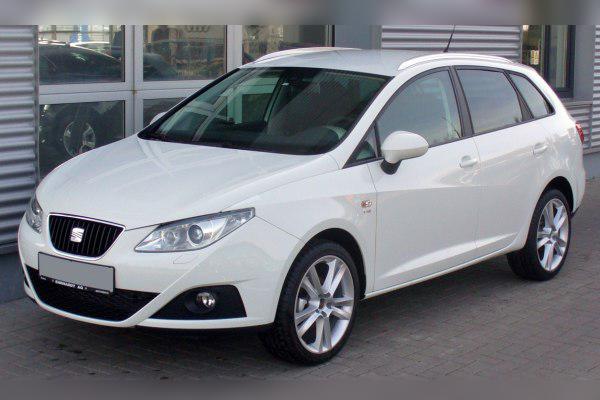
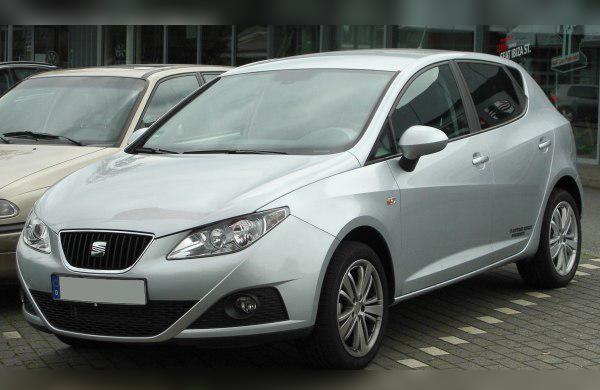
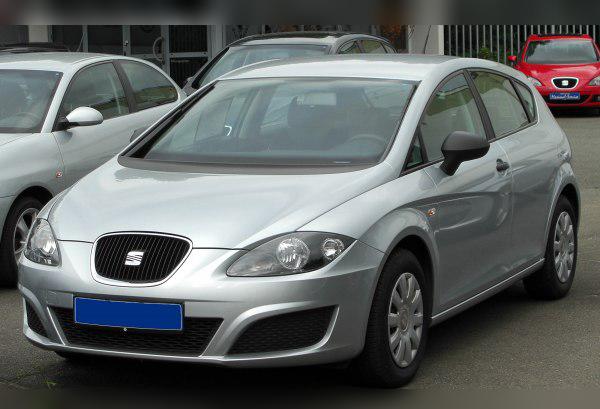
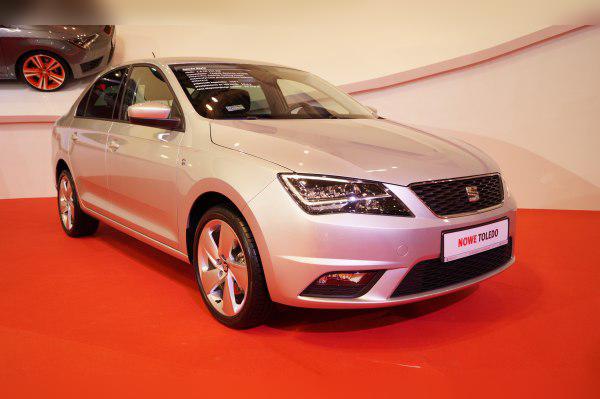
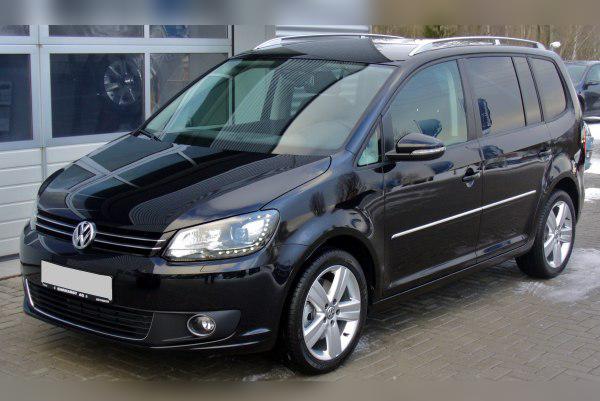
VW / Audi / Seat 1.6 TDI (CAYB) – Experiences, problems, fuel consumption and buying tips
Key points in short (TL;DR)
- Injectors are the Achilles' heel: Siemens/Continental piezo injectors are sensitive and expensive to replace. Pay close attention to how the engine idles.
- Solid vs. Dual-mass flywheel: A big advantage of the 90 hp version is that in the manual variant (on smaller models like the Ibiza and A1) it often comes with a solid flywheel, which significantly reduces maintenance costs.
- EGR valve: The EGR cooler often fails or the valve itself clogs with soot, especially in city driving.
- Fuel consumption: Extremely economical engine, a real fuel-saving champion on open roads.
- Performance: Sluggish in heavier bodies (Touran, Altea XL), while perfectly adequate for the A1 and Ibiza.
- Tuning potential: The engine is hardware-wise almost identical to the more powerful 105 hp version, so by "unlocking" the software you can safely gain a lot more power.
- Recommendation: An excellent choice for drivers who cover a lot of mileage, provided the injectors are in good condition.
Contents
Introduction: Successor to the legendary 1.9 TDI
The engine with the code CAYB belongs to the EA189 engine family and represents the first generation of 1.6 TDI units with common-rail injection. The VAG group (VW, Audi, Seat, Škoda) introduced it as a direct replacement for the iconic 1.9 TDI, with the goal of meeting stricter Euro 5 standards and reducing noise and fuel consumption.
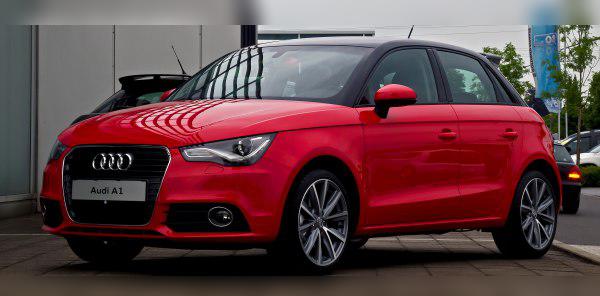
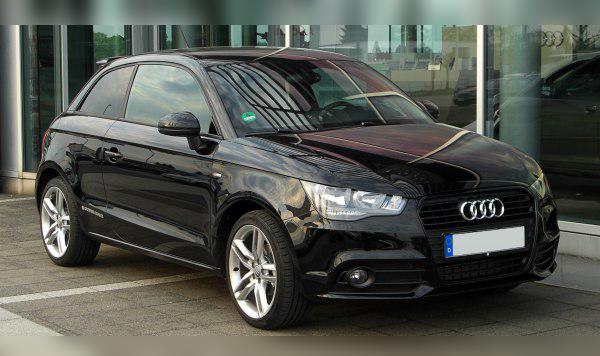
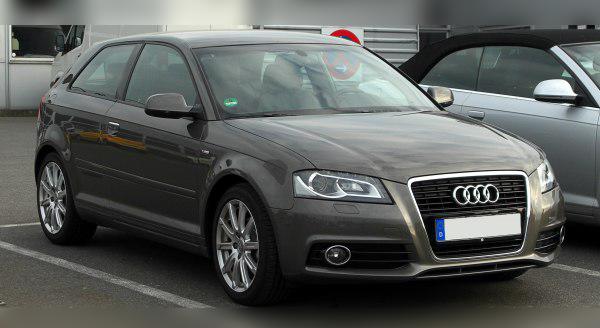
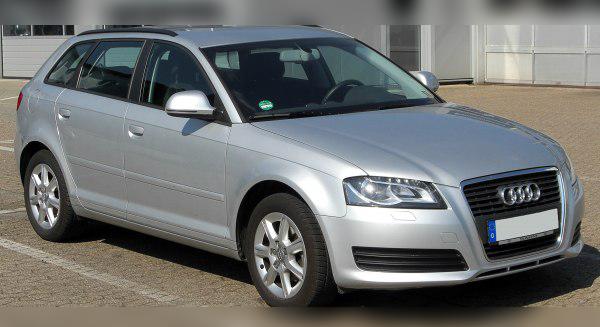
This specific 90 hp (66 kW) version is actually a "detuned" variant of the more powerful 105 hp engine. It was installed in a wide range of vehicles, from small city cars like the Audi A1 and Seat Ibiza, to family MPVs such as the VW Touran and Seat Altea XL. Although it looks weak on paper, in practice it has proven to be a durable workhorse, provided it is properly maintained.
Technical specifications
| Parameter | Value |
|---|---|
| Engine displacement | 1598 cc (1.6 L) |
| Power | 66 kW / 90 hp (at 4200 rpm) |
| Torque | 230 Nm (at 1500–2500 rpm) |
| Engine code | CAYB |
| Injection system | Common Rail (Siemens/Continental piezo) |
| Charging type | Turbocharger (VGT - variable geometry) + intercooler |
| Emission standard | Euro 5 |
| Engine block / head | Aluminium / aluminium |
Reliability and maintenance
Does this engine have a timing belt or a chain?
The CAYB engine uses a timing belt to drive the camshafts. This is good news because the system is quieter and generally more predictable than the chains on some TSI engines from the same period. Along with the timing belt, the system also drives the water pump, so both parts must be replaced at the same time.
At what mileage should the major service be done?
The factory recommendation for timing belt replacement is often optimistic (some sources even state 210,000 km). However, workshop experience and real-world practice show that this interval is too long. For our conditions and the average age of these cars, the recommendation is:
- First replacement: No later than 160,000 – 180,000 km.
- Time interval: Every 5 to 7 years, regardless of mileage (the rubber ages and loses its properties).
If you are buying a used car without proof of service history, do the major service immediately. A snapped belt will cause catastrophic engine damage.
What are the most common failures on this engine?
Although it is mechanically robust (pistons, rings, bearings are rarely an issue), the engine peripherals can cause headaches:
- Injectors: The biggest problem of the CAYB engine. They are sensitive to poor-quality fuel and the electronics inside them (piezo element) tend to fail. Symptoms include rough idle, knocking/rattling under acceleration and smoke.
- EGR valve and EGR cooler: Coolant often leaks into the engine through the EGR cooler, or the valve gets stuck due to soot build-up.
- Exhaust gas pressure sensor (DPF sensor): A cheap part that often fails, but can falsely report that the DPF is full.
- Water pump: A known weak point; it can start leaking or seize before the scheduled major service.
How long do the injectors last and how reliable are they?
The injectors are Siemens/Continental piezo type. Unlike Bosch solenoid injectors (which are easier to refurbish), these are more complex. Their typical lifespan is between 150,000 and 200,000 km. They often do not fail all at once, but once one goes, the others usually follow. Refurbishment is possible but the success rate is variable – many workshops recommend new or factory-refurbished injectors, which is very expensive (depending on the market, but expect a serious bill).
Oil consumption and service intervals
Oil capacity: The engine takes about 4.3 litres of oil.
Grade: Always use oil that meets the VW 507.00 specification (most commonly 5W-30). This is crucial because of the DPF filter (low SAPS oil).
Does it consume oil? A healthy 1.6 TDI should not consume a significant amount of oil between services. Consumption up to 0.5 litres per 10,000 km is acceptable, but anything above that points to a problem (turbo, piston rings or leaks). Do the minor service (oil and filters) every 10,000 – 15,000 km (or once a year); do not follow the "Long Life" intervals of 30,000 km if you want the engine to last.
Specific parts (costs)
Does the engine have a dual-mass flywheel?
This is where one of the biggest advantages of the 90 hp (CAYB) version lies.
Manual gearbox (5-speed): In lighter models such as the Audi A1, Seat Ibiza and Toledo, this engine is often paired with a solid flywheel. This means there is no expensive dual-mass flywheel to replace; only the clutch kit is replaced, which is much cheaper.
Exceptions: Heavier models (VW Touran, Seat Altea XL) and versions with Start-Stop may have a dual-mass flywheel even with 90 hp for comfort reasons.
DSG gearbox: Always has a flywheel (specific to DSG) which is a wear item.
Does the engine have a turbocharger and what is its lifespan?
The engine has a single variable-geometry turbocharger (VGT). Although the engine is less powerful, the turbo works hard to deliver 230 Nm of torque at low revs. Its lifespan is long (over 200,000 km) if you follow the turbo cool-down procedure after fast driving and change the oil regularly. Turbo whistling is a warning sign.
DPF filter and EGR valve
All models with the CAYB engine have a DPF (diesel particulate filter) and an EGR valve.
DPF issues: If the car is driven exclusively in the city (stop-and-go), the DPF will not be able to regenerate (clean itself). This leads to a warning light and the car going into "safe mode" (limp mode).
EGR issues: As mentioned, the EGR cooler is a weak point. A symptom of a leaking cooler is coolant disappearing without visible traces under the car (the engine "drinks" it).
Does this engine have AdBlue?
Most vehicles with the CAYB engine (Euro 5, model years 2009–2015) DO NOT have an AdBlue system. They rely only on the DPF and EGR for emission control. This is an advantage because you have one less system to maintain (no AdBlue heater, pump, or urea injector). AdBlue became widespread only with the Euro 6 standard and the newer generation of engines (EA288).
Fuel consumption and performance
What is the real-world fuel consumption?
This is the strongest selling point of this engine.
- City driving: 5.5 – 6.5 l/100 km (depending on traffic and vehicle weight).
- Open road (secondary roads): 3.8 – 4.5 l/100 km.
- Motorway (130 km/h): 5.0 – 6.0 l/100 km.
Is the engine "lazy"?
It depends on which car it is installed in:
In the Audi A1 / Seat Ibiza: The engine is perfectly adequate. With 230 Nm of torque, it pulls nicely around town and is sufficient for normal overtaking.
In the VW Touran / Seat Altea XL: Here the lack of power is noticeable. With 90 hp in a body weighing around 1.5 tonnes, the engine struggles under full load (family + luggage). Overtaking on country roads requires planning and downshifting.
What is it like on the motorway?
The engine comes with a 5-speed manual gearbox with fairly long gear ratios. At 130 km/h in 5th gear, the engine runs at about 2400–2500 rpm. This is not too noisy, but a 6th gear is missing for full comfort. If you drive faster than 140 km/h, both noise and fuel consumption rise sharply.
Additional options and modifications
Chip tuning (Stage 1)
Since this is a diesel engine, the LPG question does not apply. However, the question of remapping is very relevant.
Hidden potential: The CAYB (90 hp) is hardware-wise almost identical to the CAYC (105 hp) engine. The only difference is in the map (software). This makes it one of the best engines for a Stage 1 tune.
It can safely be taken to 130 – 140 hp and around 300 Nm of torque. This modification drastically changes the character of the car – it becomes much livelier, and fuel consumption in normal driving can even slightly decrease. Of course, this assumes that the clutch and turbo are in good condition.
Gearbox: manual and automatic
Which gearboxes are used?
- Manual: 5-speed gearbox (code MQ250).
- Automatic: 7-speed S-Tronic / DSG (code DQ200) with dry clutches.
Manual gearbox issues
The manual gearboxes are generally very reliable. There are no characteristic failures. The manufacturer does not specify an oil change interval ("filled for life"), but it is recommended to change the oil every 100,000 – 150,000 km (75W80 or 75W90 oil) to improve cold shifting. Clutch replacement costs are relatively low if the car has a solid flywheel (not expensive).
Automatic (DSG/S-tronic) gearbox issues
This is where you need to be careful. The 1.6 TDI is paired with the notorious DQ200 gearbox with dry clutches.
Most common failures:
- Mechatronics unit: The "brain" of the gearbox. It can fail, resulting in a very expensive repair.
- Clutch pack: The clutches wear out faster than in "wet" DSG gearboxes, especially in city driving. Symptoms include juddering when setting off or slipping.
Buying used and conclusion
What should you check before buying?
- Cold start: The engine should start immediately and idle smoothly. Any fluctuation in revs or a "tak-tak-tak" sound points to injector issues.
- Smoke: Under sudden throttle there should be no clouds of black or blue smoke. A little smoke is normal, but anything excessive indicates poor combustion or DPF tampering.
- Diagnostics: Always check injector correction values (deviations) and DPF status (how many grams of soot it contains).
- Shutdown noises: If you hear a thump or shudder when switching off the engine, this may indicate a worn flywheel (if that particular model has one).
Final conclusion
The 1.6 TDI CAYB (90 hp) engine is a sensible choice for pragmatic drivers. It is not a racer, but it is capable of covering high mileages with minimal fuel consumption.
Who is it for? Ideally for drivers who spend a lot of time on secondary roads, students, or as a second car in the family (in models like the Ibiza/A1). For heavier models (Touran), the recommendation is to look for the more powerful 2.0 TDI or plan a remap immediately after purchase.
If you find an example with good injectors and a solid flywheel, maintenance will be affordable. Avoid neglected cars, as repairing the injection system can cost as much as half the value of the vehicle.
Was this content useful to you?
Your opinion helps us to improve the quality of the content.