EA211 / CPTA Engine
- Engine
- 1395 cm3
- Aspiration
- Turbocharger, Intercooler
- Fuel
- Petrol (Gasoline)
- Fuel injection system
- Direct injection
- Power
- 140 hp @ 5000 rpm
- Torque
- 250 Nm
- Cylinders
- 4
- Valves
- 16, 4 per cylinder
- Cylinders position
- Inline
- Valvetrain
- DOHC
- Oil capacity
- 4 l
- Systems
- Start & Stop System, Cylinder deactivation system
# Vehicles powered by this engine
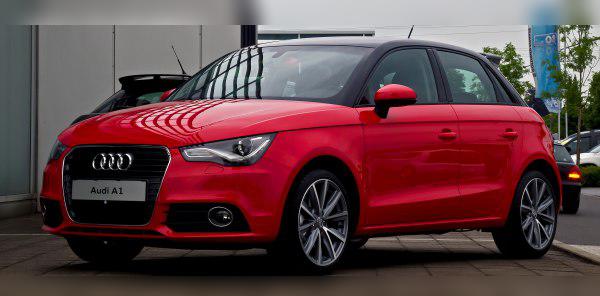
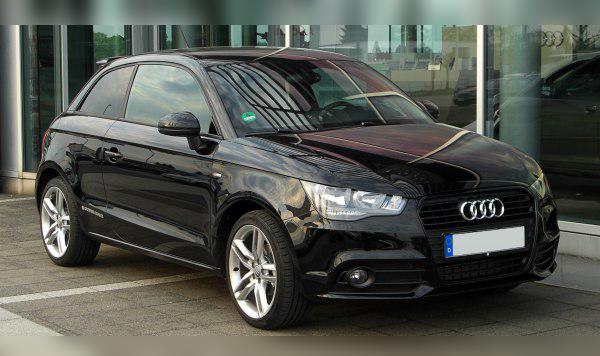
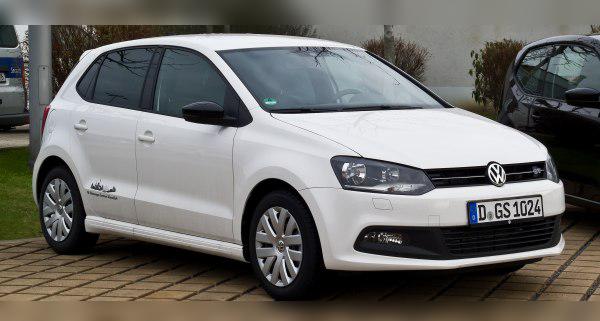
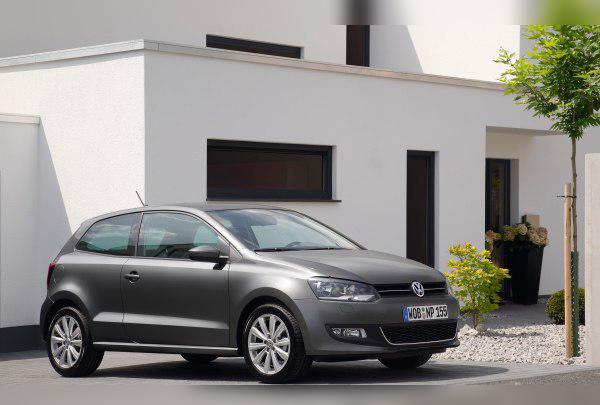
1.4 TSI/TFSI (EA211) CPTA 140 HP: Experiences, problems, fuel consumption and used car buying guide
If you’re looking for the “golden middle ground” in the world of small city runabouts like the Audi A1 or VW Polo, the engine with the code CPTA (EA211 family) is probably one of the most interesting choices. This is not your average 1.4 turbo petrol; it’s a technologically advanced unit with a cylinder deactivation system (ACT/COD). Is that a recipe for disaster or brilliance? As someone who has spent years under the hood and behind the wheel, I’ll be honest: this engine has fixed many of its predecessor’s flaws, but it comes with its own specific risks.
Key points in short (TL;DR)
- Biggest advantage: Excellent power-to-economy ratio thanks to ACT technology (shutting down two cylinders).
- Major change: Unlike the old 1.4 TSI engines (EA111), this engine uses a timing belt, which solved the timing chain failure issues.
- Oil consumption: Significantly lower than in older generations, but still present with more aggressive driving.
- Achilles’ heel: Thermostat housing and water pump are prone to leaks.
- Gearbox: Often paired with a DSG gearbox (DQ200 with dry clutch) which requires caution when buying used.
- Performance: In a Polo or A1 body, 140 HP delivers almost sporty performance (a true “pocket rocket”).
- Recommendation: One of the best small petrol engines of its era, provided it has been regularly maintained.
Contents
- Technical specifications
- Reliability and maintenance
- Specific parts and costs
- Fuel consumption and performance
- Additional options and modifications
- Gearbox: Manual vs DSG
- Buying used and conclusion
Technical specifications
| Feature | Data |
|---|---|
| Name / Engine code | EA211 / CPTA (ACT/COD) |
| Displacement | 1395 cc (1.4 L) |
| Power | 103 kW (140 HP) at 4500–6000 rpm |
| Torque | 250 Nm at 1500–3500 rpm |
| Injection type | Direct injection (TSI/TFSI) |
| Charging | Turbocharger + intercooler (water-air) |
| Timing drive | Timing belt |
Reliability and maintenance
Belt or chain: a final solution to the problem
The first and most important question everyone asks: Yes, this engine (EA211) has a timing belt. This is the key difference compared to the notorious previous generation (EA111), which had issues with chain stretching and breaking. The belt has proven to be very reliable. The factory replacement interval is often stated as “inspection at 240,000 km” or similarly optimistic, but in real life you should do the major timing service at around 160,000 to 210,000 km or every 7–10 years (whichever comes first). Don’t take chances: rubber ages even if the car is barely driven.
Most common failures and symptoms
Although more reliable than its predecessor, the CPTA engine is not without flaws:
- Coolant leaks: The most common issue is the water pump module and thermostat housing. They are made of plastic, which cracks over time due to heat cycles. Symptoms include a dropping coolant level in the expansion tank or the smell of coolant in the cabin.
- ACT system (Active Cylinder Technology): This system shuts down the two middle cylinders (2 and 3) under low load to save fuel. While the mechanism is generally reliable, camshaft actuators can fail (rarely), causing rough engine operation and triggering the “Check Engine” light.
- Carbon buildup: Like every direct-injection engine, the intake valves are not “washed” by fuel. Over time, carbon deposits build up, which can lead to power loss and rough idle at higher mileage (over 150,000 km).
- Turbo wastegate actuator: It can stick, leading to power loss (limp mode) or excessive boost pressure.
Oil and servicing
This engine takes approximately 4.0 to 4.5 liters of oil (always buy a 5L can). The recommended viscosity is usually 5W-30 (VW 504.00/507.00 standard), although newer models may require 0W-20 (check by VIN).
Does it burn oil? The EA211 is dramatically better than the EA111 in this regard. Still, consumption of 0.3 to 0.5 liters per 10,000 km is considered completely normal, especially if you often drive on the motorway or frequently use the turbo’s full potential. If it burns a liter every 2,000 km, you have a problem (piston rings or valve stem seals).
Spark plugs and ignition system
Since this is a turbocharged direct-injection petrol engine, the spark plugs are under heavy stress. Replacement is recommended every 60,000 km. Use only iridium or platinum plugs recommended by the manufacturer (NGK or Bosch). Worn plugs can damage the individual coil packs and cause misfires.
Specific parts and costs
Dual-mass flywheel
Yes, this 140 HP / 250 Nm version of the engine typically comes with a dual-mass flywheel, whether paired with a manual gearbox or DSG. Its role is to dampen engine vibrations, especially because the ACT system (running on 2 cylinders) can create specific vibration patterns. Replacement is expensive (varies by market), but necessary for driving comfort.
Turbo and injection
- Turbocharger: The engine uses a small, fast-spooling turbocharger. Its lifespan is long, often over 200,000 km with regular oil changes. If the engine is switched off immediately after hard driving, its life is drastically shortened (oil coking in the bearings).
- Injectors: The direct-injection system operates at high pressures. Injectors are generally durable but sensitive to poor fuel quality. Failure symptoms include fuel leaking into a cylinder (diluting the oil) or rough running. The high-pressure fuel pump (HPFP), driven by the camshaft, is also a more expensive component.
Emissions: DPF, EGR, AdBlue?
This is a petrol engine, so it does not have a DPF filter (like diesels do), nor does it use AdBlue fluid. However, it does have a catalytic converter and an EGR system (exhaust gas recirculation). Models produced after 2018 (which mostly does not apply to this CPTA generation in the mentioned cars) may have a GPF (Gasoline Particulate Filter), but for the A1 (8X) and Polo V this is usually not the case. The EGR valve can get clogged, but it can often be cleaned before replacement is needed.
Fuel consumption and performance
Fuel consumption
This is where the CPTA engine shines. Thanks to the ACT system, which shuts down two cylinders when cruising or going downhill, fuel consumption can be surprisingly low.
- City driving: Expect between 6.5 and 8.5 l/100 km, depending on traffic and how heavy your right foot is. The start-stop system helps here.
- Country roads (up to 90 km/h): It’s possible to get down to 4.5–5.0 l/100 km.
- Motorway (130 km/h): Consumption is around 6.0–6.5 l/100 km.
Is the engine “lazy”?
Absolutely not. With 140 HP and 250 Nm in a Polo or Audi A1 body (both relatively light cars), this engine delivers excellent performance. The 0–100 km/h sprint is often under 8 seconds. The engine pulls linearly from low revs (maximum torque available from 1,500 rpm), making it very agile in the city and safe for overtaking.
Motorway cruising
Thanks to the 6-speed manual or 7-speed DSG gearbox, at 130 km/h the engine spins at a relatively low 2600–2800 rpm (depending on the gearbox). This means the cabin is quiet and comfortable for long journeys.
Additional options and modifications
LPG conversion
Since this is an engine with direct injection (FSI/TSI), LPG conversion is neither simple nor cheap. A special system is required (“Direct Liquid Injection” or a system that mixes petrol and LPG to cool the injectors). Installation cost is high (varies by market, but think “very expensive” compared to conventional systems). It only really pays off if you drive more than about 30,000 km per year.
Remapping (Stage 1)
This engine responds very well to software tuning. A safe Stage 1 remap can raise power to about 170–180 HP and torque to around 300–320 Nm.
Warning: If you have a DSG gearbox (DQ200), it is factory-rated for a limit of 250 Nm. Aggressive remapping can drastically shorten the life of the clutch pack and mechatronics in the DSG. With the manual gearbox, the clutch may wear out faster.
Gearbox: Manual vs DSG
Gearbox options
This engine was paired with a precise 6-speed manual gearbox or a 7-speed S tronic / DSG (DQ200) dual-clutch transmission.
Manual gearbox issues
Manual gearboxes are generally robust. The most common expense is the clutch kit and dual-mass flywheel. Replacement is usually needed between 150,000 and 200,000 km, depending on driving style. It’s advisable to change the gearbox oil every 100,000 km, even though the manufacturer claims it is “lifetime fill”.
DSG (S tronic) gearbox issues
This is the critical point. The 1.4 TSI is paired with the DQ200 model, which uses “dry” clutches.
Most common failures:
1. Mechatronics unit: The brain of the gearbox that controls gear changes. Failure is expensive (very expensive).
2. Clutch wear: In city stop-and-go traffic, dry clutches wear faster. Symptoms include shuddering when setting off or when shifting from 1st to 2nd gear.
Servicing: Unlike “wet” DSG gearboxes, the DQ200 does not have a prescribed oil change interval for the gearbox itself at 60,000 km, but a preventive oil change in the gear mechanism and checking the mechatronics hydraulic fluid is recommended.
Buying used and conclusion
Before buying a used Audi A1 or Polo BlueGT with this engine, make sure you do the following:
- Cold start: Listen to the engine when it is completely cold. The sound should stabilize within a few seconds. If you hear prolonged metallic rattling or knocking, it may indicate issues with valve actuators or (more rarely) the timing system.
- Check for leaks: Look under the water pump (on the left side of the engine when viewed from the front) for traces of dried pink/red coolant.
- Test drive (ACT): Try driving at a constant speed (e.g. 80 km/h). You should see a “2-cylinder mode” (or “eco”) indication on the dash. The transition should be seamless, without jerks.
- DSG test: If it’s an automatic, release the brake on an incline (without throttle). The car should hold or creep forward slightly; it must not roll back or shudder. Gear changes should be instant and smooth.
Final verdict
The 1.4 TSI (CPTA) 140 HP engine is a fantastic piece of engineering. It offers the performance of a larger engine with the fuel consumption of a smaller one. It’s ideal for drivers who want an agile city car that they can confidently take on long trips across Europe. If you can choose, the manual gearbox is the safer (and cheaper to maintain) option on the used market. If you opt for the automatic, be prepared to set aside money for a potential mechatronics or clutch overhaul, but in return you’ll get top-notch comfort.
Was this content useful to you?
Your opinion helps us to improve the quality of the content.