EA211 evo2 Engine
- Engine
- 1498 cm3
- Aspiration
- Turbocharger, Intercooler
- Fuel
- Petrol / electricity
- Fuel injection system
- Direct injection
- Power
- 150 hp @ 5000 rpm
- Torque
- 250 Nm
- Cylinders
- 4
- Valves
- 16, 4 per cylinder
- Cylinders position
- Inline
- Valvetrain
- DOHC
- Oil capacity
- 4.3 l
- Coolant
- 16.2 l
- Systems
- Start & Stop System, Particulate filter
# Vehicles powered by this engine
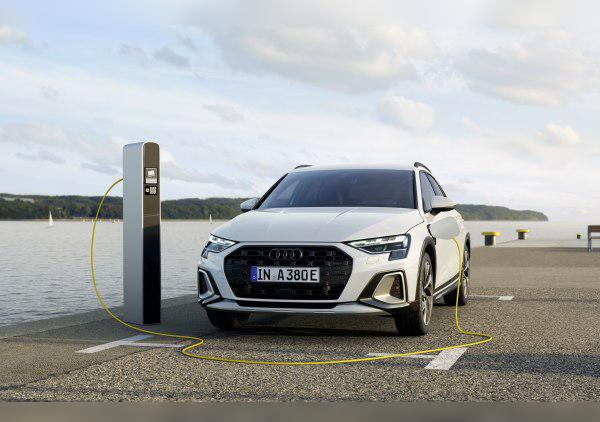
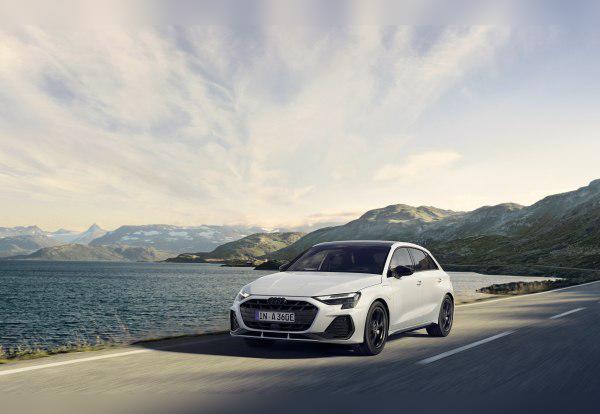
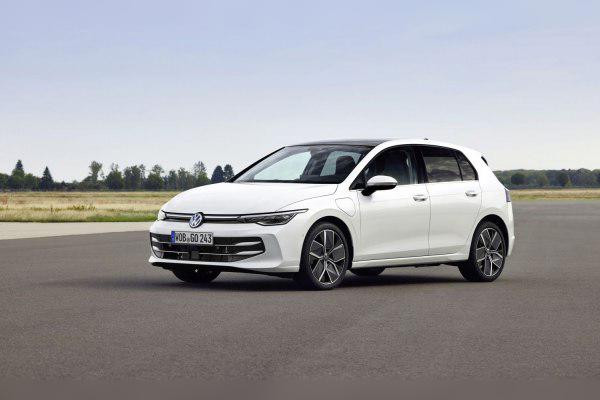
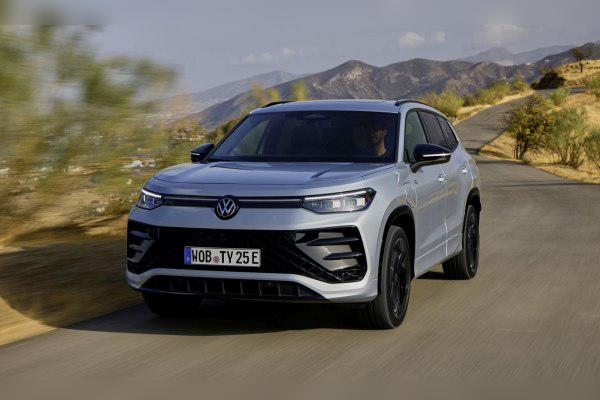
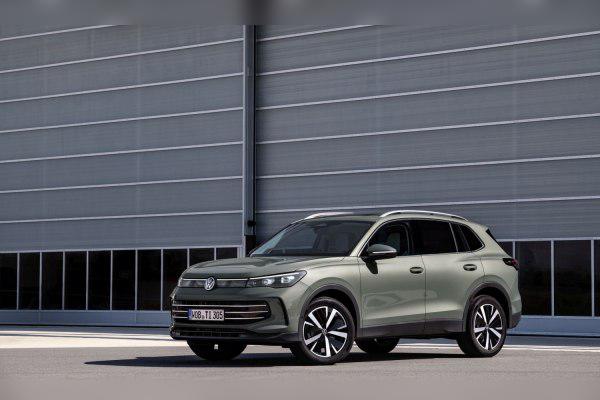
1.5 TSI EA211 evo2 (150 HP & Hybrid) – Experiences, problems, fuel consumption and used car buying guide
Key points (TL;DR)
- Latest generation: This is the evolution (evo2) of the popular 1.5 TSI engine, optimized for Euro 7 standards with advanced thermal management.
- Timing belt: It does not use a chain but a belt, which makes it quieter, yet requires regular inspection and replacement.
- System complexity: It features ACTplus (cylinder deactivation) and a VTG turbocharger (variable geometry), which are expensive components if they fail.
- Hybrid variants: In new models (Golf 8.5, Tiguan 3, Tayron) it often comes as a "Mild Hybrid" (eTSI) or "Plug-in Hybrid" (eHybrid), which drastically reduces fuel consumption in the city but increases maintenance complexity.
- Sensitivity to fuel: High-pressure direct injection requires high-quality petrol to avoid carbon buildup on the valves.
- GPF filter: Like diesels, it has a particulate filter (GPF) that can clog if the car is driven exclusively on short trips.
- Recommendation: Excellent balance of power and fuel consumption for the modern driver, but it requires strict maintenance (oil every 10–15k km).
Contents
- Introduction and applications
- Technical specifications
- Reliability and maintenance
- Specific parts and costs
- Fuel consumption and performance
- Additional options (LPG/Tuning)
- Gearbox: DSG and manual
- Buying tips and conclusion
Introduction: EA211 evo2 – Technological gem or overcomplicated machine?
The 1.5 TSI EA211 evo2 engine represents the latest in Volkswagen Group’s petrol engine technology in the mid-displacement class. It is the successor to the "evo1" version and is designed to meet increasingly strict emission standards while still delivering the performance customers expect. Its key characteristic is modularity – it is the heart of the new plug-in hybrid systems (replacing the old 1.4 TSI), as well as mild hybrid drivetrains.
It is installed in the latest 2024 facelift models, including the VW Golf VIII, Tiguan III, Tayron II, as well as the refreshed Audi A3. This is the engine you will most often encounter in the C and D segments of the VAG group over the next 5 to 10 years. Unlike older TSI engines, the focus here was on efficiency and thermal control, with the catalytic converter and particulate filter (GPF) now combined into a single module placed right next to the engine for faster warm-up.
Technical specifications
| Characteristic | Data |
|---|---|
| Engine code | EA211 evo2 |
| Displacement | 1498 cm³ (1.5 litres) |
| Power (ICE only) | 110 kW (150 HP) |
| System power (in hybrids) | Up to 150 kW (204 HP) in eHybrid versions |
| Torque | 250 Nm (available from just 1500 rpm) |
| Injection system | Direct injection (TSI), up to 350 bar |
| Charging | VTG turbocharger (variable geometry) + intercooler |
| Cylinders / Valves | 4 cylinders / 16 valves (DOHC) |
Reliability and maintenance
Belt or chain?
This engine uses a timing belt. This is important because older TSI engines (EA111 generation) were notorious for timing chain issues. The belt on EA211 evo2 engines is reinforced and designed for a long service life. The manufacturer often states "lifetime" or very long intervals (e.g. 210,000 km), but as an experienced technical advisor, I recommend the first serious inspection and possible replacement at 120,000 to 150,000 km or after 6–7 years of age, whichever comes first. A snapped belt leads to catastrophic engine damage.
Most common failures
Although the engine is relatively new (evo2), based on its predecessor and current technology, the following potential issues stand out:
- ACTplus system: The system that deactivates two cylinders under low load has been improved, but it can still cause slight vibrations or jerks during transitions. Software updates often solve these problems.
- Carbon buildup: As with any direct injection engine, the intake valves are not washed by fuel. Over time (over 100,000 km), carbon deposits can build up and restrict airflow, causing rough running.
- Electronics and sensors: In Mild-Hybrid (eTSI) and Plug-in (eHybrid) versions, the complex electronics (48V system or high-voltage system) can cause issues. Dashboard errors related to "Hybrid system failure" are not uncommon and often require only a software update, but sometimes also module replacement.
- Coolant leaks: The thermal management module (a complex thermostat and pump housing) can start leaking.
Service intervals and oil
The major service (replacement of belt, tensioner, water pump) is, as mentioned, preventively done between 150,000 km and 180,000 km. The minor service is crucial. Although the manufacturer allows "LongLife" intervals of 30,000 km, that is deadly for this engine in city driving. Recommendation: Change the oil every 10,000 to 15,000 km or once a year.
The engine takes approximately 4.3 litres of oil (check precisely by VIN, as the sump can differ on hybrids). It uses a very rare 0W-20 oil grade with specification VW 508.00 / 509.00. This oil is green in colour. Do not use thicker oils because the engine (especially the oil pump and turbo) is designed for this "thin" oil.
Oil consumption
Modern TSI engines are drastically better in this regard than older generations. Still, due to the 0W-20 oil, consumption of up to 0.5 litres per 10,000 km is completely acceptable and normal, especially if the car is driven on motorways at higher revs. If it consumes more than 0.5 L per 1,000 km, this points to a problem with the piston rings or turbocharger.
Spark plugs and injectors
On this turbo petrol engine, spark plugs are replaced every 60,000 km or 4 years. Do not postpone replacement because a bad spark plug can damage the coil pack (which is expensive). As for the injectors, they are very precise and operate at pressures up to 350 bar. They last a long time (over 200,000 km), but are sensitive to poor-quality fuel. Symptoms of issues include rough idle and increased fuel consumption.
Specific parts and costs
Dual-mass flywheel
Yes, most models with this engine, especially those paired with a DSG gearbox, have a dual-mass flywheel. Its role is to dampen engine vibrations, especially when running on 2 cylinders. Its lifespan is usually around 150,000–200,000 km, depending on driving style. Replacement is expensive (it varies by market, but consider it a "major expense").
Turbocharger
This engine uses an advanced VTG turbocharger (variable turbine geometry), a technology previously reserved mainly for diesel engines and Porsche petrol engines. This allows excellent throttle response at low revs. Service life is long if the oil is changed regularly and the engine is not switched off immediately after hard driving. Overhauling a VTG turbo is more complex and more expensive than a conventional one.
Emissions: GPF and EGR
The engine does not have a DPF (that’s for diesels), but it does have a GPF (Gasoline Particulate Filter). It can clog if the car is driven exclusively in stop-and-go city traffic. The symptom is a warning light on the dashboard and loss of power. The solution is to go out on an open road and drive at a constant speed above 3000 rpm for about 20 minutes. Also, the engine does not have a classic troublesome EGR valve like old diesels; exhaust gas recirculation is handled via smart valve control (Miller cycle), which is a more reliable solution. AdBlue: This engine does NOT use AdBlue fluid. That is reserved exclusively for TDI engines.
Fuel consumption and performance
City driving
This is where the biggest advantage of the hybrid versions comes in.
- Plug-in Hybrid (eHybrid): If you charge the battery, petrol consumption in the city can be 0 l/100 km. When the battery is depleted, the engine operates as a conventional hybrid and consumes around 6.0–7.5 l/100 km (the car is heavier due to the batteries).
- Mild Hybrid (eTSI): Realistic city consumption ranges between 7.0 and 8.5 l/100 km, depending on traffic. The system often shuts the engine off while decelerating ("coasting"), which saves fuel.
Power and motorway driving
With 150 HP and 250 Nm, this engine is far from sluggish. Even in heavier bodies such as the VW Tayron or Tiguan, it copes quite well with the weight. Acceleration is linear. Plug-in hybrids with a system output of 204 HP are seriously quick cars when the electric motor assists (boost).
On the motorway at 130 km/h, the engine is in its comfort zone. Thanks to the 7-speed DSG gearbox, revs are low (often below 2500 rpm), and noise is minimal. Fuel consumption on the open road is around 5.5 to 6.5 l/100 km, which is an excellent result for a petrol engine.
Additional options and modifications
LPG conversion
Is it possible? Technically yes. Is it worth it? Probably not. Due to direct injection, an expensive system is required (liquid injection systems or systems that use both petrol and LPG simultaneously to cool the injectors). The installation cost is very high (often over 1000 EUR, depending on the market), and the payback is questionable unless you drive more than 30,000 km per year. You also lose boot space, which is already reduced by the batteries in hybrids.
Chip tuning (Stage 1)
The engine has potential. A safe "Stage 1" remap can raise power from 150 HP to about 170–180 HP and torque to around 300 Nm. However, keep in mind that the turbo is expensive (VTG) and that the GPF filter is sensitive to changes in fuel mixture. On hybrids, tuning is more complicated due to synchronization with the electric motor and is not recommended for amateurs.
Gearbox
With this engine in the mentioned models (Audi A3 2024, Golf 8, Tiguan 3), you get exclusively automatic DSG (S tronic) gearboxes. Manual gearboxes have become rare in this configuration.
- DQ200 (7-speed, dry clutch): Installed in lighter models with front-wheel drive and lower torque (Mild Hybrid). Historically, this gearbox has had issues with the mechatronics unit and clutch pack. Although it has been significantly improved in the latest models, it still does not like creeping in heavy traffic.
- DQ381 / DQ400e (6 or 7-speed, wet clutch): Installed in eHybrid (plug-in) models and heavier SUVs. These gearboxes are much more robust and reliable because the clutch plates are oil-cooled.
Gearbox service: For gearboxes with "dry" clutches (DQ200), VW says the oil is lifetime, but in practice, oil in the mechatronics should be changed. For "wet" gearboxes (in hybrids), changing the gearbox oil and filter every 60,000 km is mandatory. The cost of replacing the clutch pack is high on both types, but it is done rarely (usually after 200,000+ km if driven normally).
Used car buying guide and conclusion
If you are looking at a used Audi A3, Golf 8 or Tiguan with this engine, here is what to check:
- Cold start: Listen to the engine at first start. A brief rattle for the first 2–3 seconds is acceptable (until the oil circulates), but if it continues, it may indicate an issue with the cam phasers.
- Test drive: The gearbox must shift imperceptibly. Any thumping when moving off or stopping is a sign of problems with the mechatronics unit or clutches.
- Service history: Insist on proof of oil changes every 15,000 km. If the car has been run on "LongLife" intervals (30k km) and has over 100,000 km, the risk of oil consumption issues is higher.
- Hybrid battery: On eHybrid models, check the battery "health" via diagnostics. Battery capacity decreases with age.
CONCLUSION:
The 1.5 TSI EA211 evo2 is currently one of the best "all-round" engines on the market. It is powerful enough for overtaking, extremely quiet and refined, and in hybrid variants offers laughably low fuel consumption. Its complexity (ACT, VTG, GPF, hybrid) means that maintenance is not as cheap as on old naturally aspirated engines, but that is the price of modern motoring. It is ideal for: Drivers who combine city and highway driving and want a premium driving feel without diesel engine noise.
Was this content useful to you?
Your opinion helps us to improve the quality of the content.