EA288 evo Engine
- Engine
- 1968 cm3
- Aspiration
- Turbocharger, Intercooler
- Fuel
- Diesel
- Fuel injection system
- Diesel Commonrail
- Power
- 150 hp @ 3500 rpm
- Torque
- 360 Nm
- Cylinders
- 4
- Valves
- 16, 4 per cylinder
- Cylinders position
- Inline
- Valvetrain
- DOHC
- Oil capacity
- 5.5 l
- Coolant
- 12 l
- Systems
- Start & Stop System, Particulate filter
# Vehicles powered by this engine


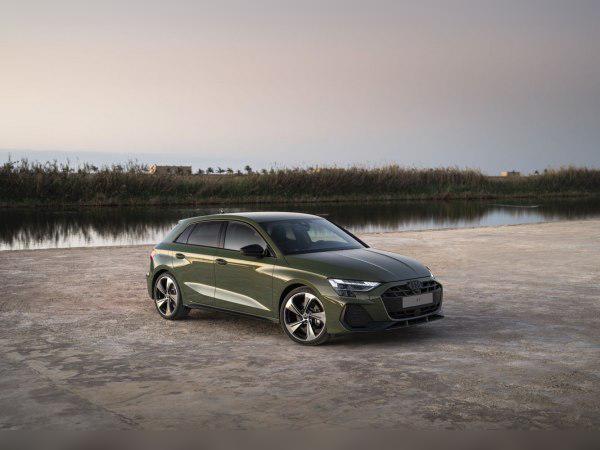
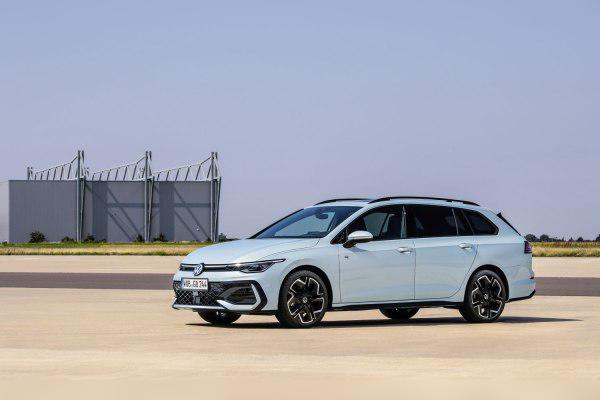
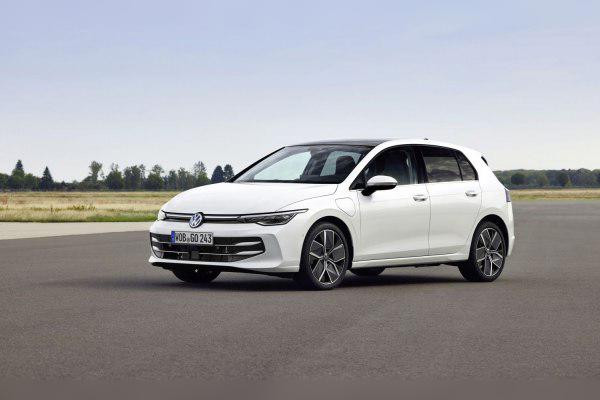
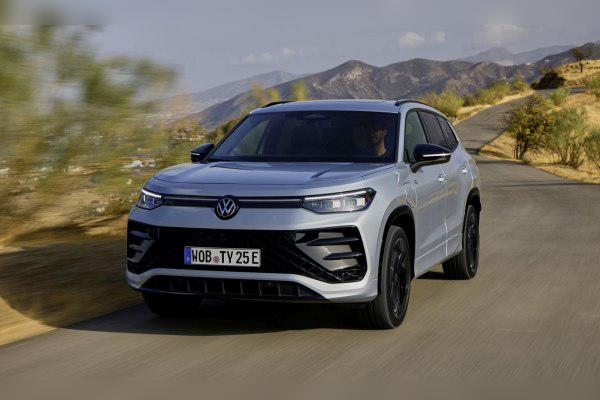
2.0 TDI EA288 evo (150 hp) – Experiences, problems, fuel consumption and used car buying guide
Key points (TL;DR)
- Twin Dosing technology: This engine uses two SCR catalytic converters and dual AdBlue injection. It’s cleaner for the environment, but the system is more complex and more expensive to repair.
- Timing drive: Uses a timing belt, not a chain. Replacement intervals are extended, but require caution.
- Oil: Requires a specific, rare 0W-20 oil (VW 509.00 standard) to reduce friction and fuel consumption.
- Reliability: Mechanically very robust; problems are mostly related to electronics, sensors and the AdBlue system.
- Purpose: Ideal long-distance cruiser. Not recommended for exclusively city driving due to the DPF and complex exhaust system.
- Performance: 150 hp and 360 Nm is the “sweet spot” – enough power for overtaking, with extremely low fuel consumption.
Contents
- Introduction and Models
- Technical Specifications
- Reliability and Maintenance
- Specific Parts and Costs
- Fuel Consumption and Performance
- Additional Options and Modifications
- Gearbox
- Conclusion and Buying Tips
Introduction: Evolution of the most popular diesel
The EA288 evo engine represents the latest generation of Volkswagen’s 2.0 TDI units. Although it shares displacement with its predecessors, the “evo” designation brings significant changes aimed at meeting strict Euro 6d (and future Euro 7) standards, reducing friction and improving efficiency. This is the engine you’ll find in the latest VW Group models from 2020 onwards, including facelift versions of the Golf 8 and Audi A3, as well as the new Tayron.
Unlike older diesels, this engine is designed to run quieter, smoother and to be compatible with 48V mild-hybrid systems (eTDI designation on some models, although the basic TDI is still widely used). Its main feature is the “Twin Dosing” exhaust aftertreatment system, which drastically reduces nitrogen oxide emissions, but adds a layer of complexity to maintenance.
Technical specifications
| Feature | Data |
|---|---|
| Engine displacement | 1968 cc (2.0 L) |
| Power | 110 kW (150 hp) |
| Torque | 360 Nm at 1600–2750 rpm |
| Engine codes (examples) | DXPA, DTSA, DTUA (varies depending on market) |
| Injection type | Common Rail (up to 2200 bar) |
| Turbo / Aspiration | Variable geometry turbocharger (VGT) + intercooler |
| Timing drive | Timing belt |
Reliability and Maintenance
As an experienced editor, I can say that the EA288 evo is a mechanically very mature product, but modern emissions regulations take their toll. Here’s what you need to know about maintenance.
Timing belt or chain?
This engine uses a timing belt running in oil or a conventional dry belt (depending on the specific sub-variant and presence of a mild-hybrid system, but on standard 150 hp versions it’s usually a classic system with an extended interval). The manufacturer often states a replacement interval of up to 210,000 km (no time limit or up to 10 years). However, practice and common sense suggest doing the major service earlier, ideally between 160,000 and 180,000 km or after 7–8 years. The water pump is electronically controlled and is often replaced together with the belt.
Most common failures
Although the engine is relatively new, some issues have already stood out:
- Electronics and sensors: Most complaints are not about the engine itself, but about the ECU software and sensors (NOx sensors, exhaust gas pressure sensors). The symptom is a “Check Engine” light without loss of power.
- AdBlue system: Due to its complexity (two injectors, pump, heaters), the urea system is sensitive. Failure of the AdBlue tank heater or urea crystallization can lead to the car refusing to start once the countdown reaches zero.
- Water pump: Earlier EA288 series had issues with leaks or sticking of the variable ring in the pump (leading to overheating). On the “evo” version this has been improved, but you should still keep an eye on temperature.
Minor service and oil
This engine takes approximately 5.5 to 5.7 liters of oil (the amount may vary slightly depending on filter and sump size on a specific model). The most important thing is the grade: EA288 evo uses 0W-20 oil (VW 508.00 / 509.00 standard). This oil is “like water” to reduce friction.
Oil consumption: These engines are designed with tight tolerances. Consumption of around 0.5 liters per 10,000 km is perfectly acceptable and normal, especially if driven on the motorway under load. If it uses a liter per 2,000 km, you have a problem (rings or turbo).
Injectors
The system uses advanced solenoid injectors which have proven to be extremely durable. They can easily exceed 250,000+ km with good-quality fuel. Symptoms of bad injectors are rough idle (“hammering”), increased smoke under acceleration or difficult starting. Refurbishment is possible, but replacement with new ones is expensive (depends on the market).
Specific Parts (Costs)
Dual-mass flywheel
Yes, this engine has a dual-mass flywheel (DMF). It is necessary to absorb diesel engine vibrations and protect the gearbox (especially the DSG). Its lifespan is usually around 200,000 km, but aggressive driving (hard acceleration from low revs) can destroy it earlier. Replacement is a costly investment.
Turbocharger
The engine uses a single variable geometry turbocharger (VGT). Its lifespan is closely linked to regular oil changes. If you change the oil every 15,000 km instead of the factory 30,000 km, the turbo can last as long as the engine. Actuator failures are possible, resulting in loss of power (“limp mode”).
DPF, EGR and AdBlue (Twin Dosing)
This is where we get to the most complex part.
- DPF: Standard, but positioned very close to the engine for faster warm-up. It clogs if the car is used only for short trips.
- EGR: There are high- and low-pressure EGR circuits. The EGR cooler is prone to coolant leaks into the engine or clogging with soot.
- AdBlue (Twin Dosing): This is the key difference of the “evo” engines. There are two SCR catalytic converters and two AdBlue injectors. One is right next to the engine, the other further down the exhaust. This ensures clean exhaust gases in all operating conditions, but AdBlue consumption is higher than on older models. Maintenance basically means regularly topping up with quality AdBlue. Pump or injector failures are expensive (very expensive).
Fuel Consumption and Performance
Real-world fuel consumption
The EA288 evo is an efficiency champion, despite strict emissions standards.
- City driving: Expect between 5.5 and 7.0 l/100 km. The start-stop system helps here, but vehicle weight (especially Tayron or Golf estate) pushes the average up in heavy traffic.
- Motorway: This is where the engine shines. At 130 km/h, consumption is around 4.5 to 5.5 l/100 km.
Performance: Is it “lazy”?
Absolutely not. With 360 Nm of torque available from just 1600 rpm, this engine pulls very convincingly. In models such as the Golf 8 or A3, it feels very lively. Even in the heavier Tayron, 150 hp is perfectly adequate for normal and dynamic family driving. It’s not a sports car, but overtaking is safe and quick.
On the motorway at 130 km/h, the engine in 7th gear (DSG) runs at very low revs (often below 2000 rpm), which guarantees a quiet cabin.
Additional Options and Modifications
Chip tuning (Stage 1)
Since this is a turbo diesel, the tuning potential is significant. A Stage 1 remap usually raises power to 190–200 hp and torque to 420–440 Nm.
Warning: Although the engine can handle it, keep in mind that higher torque puts additional stress on the dual-mass flywheel and DSG gearbox. Also, the “Twin Dosing” system is sensitive to changes in exhaust gas temperatures that tuning can cause.
Gearbox
Types of gearboxes
With the EA288 evo (150 hp) in the mentioned models (2024 facelift), you most commonly get a 7-speed DSG automatic gearbox (code DQ381). Manual 6-speed gearboxes have become rare in this power and equipment class, but can still be found on some markets in more basic trims.
Gearbox maintenance and failures
- DSG (DQ381): This is a gearbox with wet clutches (oil cools the clutch packs). It is much more reliable than the old dry-clutch DQ200. However, it requires regular oil and filter changes. The factory might say 120,000 km, but the recommendation is every 60,000 km to change the oil in the DSG. If this is not done, the mechatronics unit (the “brain” of the gearbox) suffers, and repairs are costly (very expensive).
- Manual gearbox: Very reliable. Failures are rare and mostly come down to replacing the clutch kit and dual-mass flywheel due to wear.
Used car buying guide and Conclusion
When buying a used car with the EA288 evo engine, pay attention to the following:
- Diagnostics is a must: Check the DPF status (ash load) and AdBlue system functionality. AdBlue faults are often masked before sale.
- Cold start: The engine should start immediately and run smoothly right after starting. Any rattling may indicate issues with hydraulic lifters or the flywheel.
- Service history: Check whether the DSG oil has been changed on time.
- Signs of leaks: Remove the plastic engine cover (if possible) and inspect around the injectors and valve cover.
Conclusion: The EA288 evo 2.0 TDI (150 hp) is probably the best all-round engine for a European buyer today. It is powerful enough for all needs, incredibly economical and refined. Its biggest downside is the complex emissions system, which can be expensive to maintain as the car ages. It is ideal for those who drive more than 20,000 km per year, mostly on open roads. If you drive only in the city – consider a petrol or hybrid, because you will “choke” the diesel.
Was this content useful to you?
Your opinion helps us to improve the quality of the content.