EA211 evo2 Engine
- Engine
- 1498 cm3
- Aspiration
- Turbocharger, Intercooler
- Fuel
- Petrol / electricity
- Fuel injection system
- Direct injection
- Power
- 177 hp @ 5000 rpm
- Torque
- 250 Nm
- Cylinders
- 4
- Valves
- 16, 4 per cylinder
- Cylinders position
- Inline
- Valvetrain
- DOHC
- Oil capacity
- 4.3 l
- Coolant
- 16.2 l
- Systems
- Start & Stop System, Particulate filter
# Vehicles powered by this engine
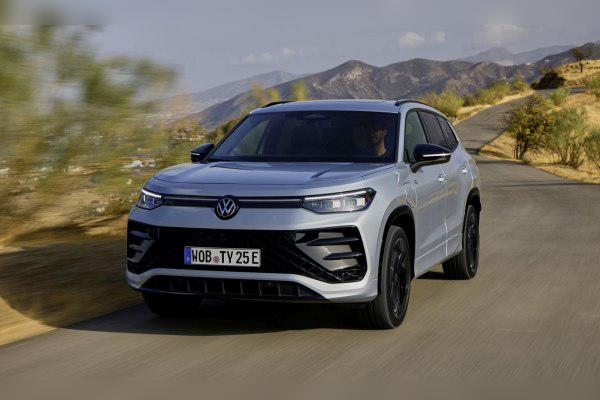
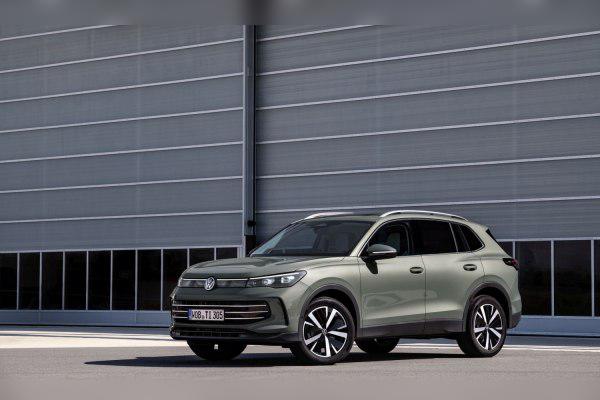
1.5 TSI evo2 (EA211) eHybrid (177 hp): Experiences, problems, fuel consumption and maintenance of the hybrid beast
1. The most important in short (TL;DR)
If you don’t have time to read the whole article, here’s what you need to know about the 1.5 TSI evo2 engine in its hybrid version:
- System: This is the heart of the new Plug-in hybrids (PHEV) of the VW Group, replacing the old 1.4 TSI.
- Technology: It features a VTG turbo (variable geometry) and ACTplus (cylinder deactivation), which makes it very complex.
- Timing drive: It uses a timing belt, not a chain, which is generally good news for longevity, but it does require replacement.
- Gearbox: It comes exclusively with a specialized DSG gearbox (eHybrid) that requires regular maintenance.
- Fuel consumption: Fantastic if you charge the battery regularly; if you drive with an empty battery, it behaves like a standard petrol engine (6–8 l/100 km).
- Recommendation: An excellent choice for those who can charge the car at home, but complicated to maintain out of warranty due to the high level of technology.
Contents
- Introduction and applications
- Technical specifications
- Reliability and maintenance
- Specific parts and costs
- Fuel consumption and performance
- Additional options (LPG and tuning)
- Gearbox
- Buying used and conclusion
Introduction: The successor of a legend in a hybrid suit
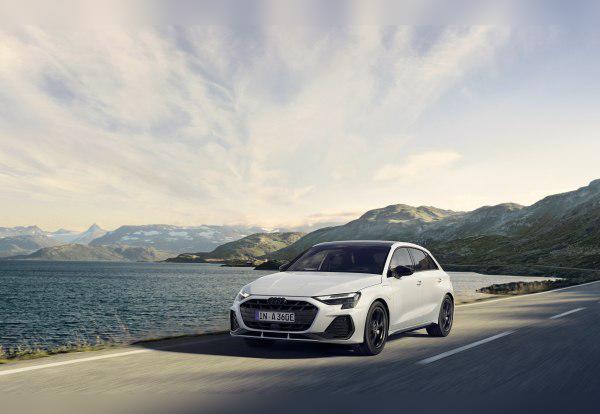
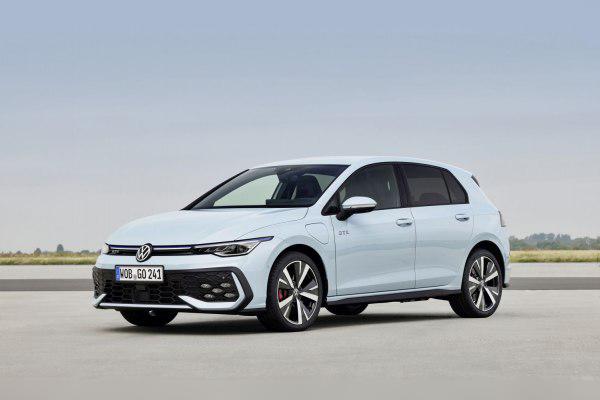
The 1.5 TSI evo2 (EA211) engine in its 177 hp (130 kW) version represents the pinnacle of Volkswagen’s current engineering offering for compact and mid-size models. This is not an ordinary engine – it is the thermal component of a powerful Plug-in Hybrid system. It is installed in the latest models such as the Golf 8.5 GTE, the new Tiguan III and the Audi A3.
Its task is demanding: it has to be imperceptible when it kicks in at 130 km/h, it has to be economical when the battery is empty, and it has to deliver a sporty 272 hp (total system output) when you floor the throttle. Unlike its predecessor (1.4 TSI), this engine operates in a more efficient Miller cycle and uses a variable-geometry turbocharger, a technology once reserved only for diesel engines and Porsche petrol engines.
Technical specifications
| Parameter | Data |
|---|---|
| Displacement | 1498 cc (1.5 litres) |
| Power (ICE) | 130 kW (177 hp) |
| Torque (ICE) | 250 Nm |
| Total system output (Hybrid) | From 204 hp to 272 hp (depending on model) |
| Engine code | DXDB (and other evo2 series variants) |
| Injection type | Direct injection (up to 350 bar) |
| Charging | VTG turbocharger + intercooler |
Reliability and maintenance
Timing belt or chain?
The 1.5 TSI evo2 engine uses a timing belt. This is important to point out because older TSI engines (EA111) had problematic chains. In the evo2 generation, the belt is reinforced and designed to last a very long time. Although the manufacturer often states intervals of 210,000 km or “lifetime” (which is a marketing trick), the realistic recommendation for peace of mind is replacement at around 150,000 km to 180,000 km or after 7–8 years of age, whichever comes first.
Most common failures
Since the “evo2” is a relatively new engine, serious catastrophic failures are not common, but there are some specific weak points:
- Carbon buildup: Like every direct-injection engine, the intake valves are prone to deposits. This manifests as rough idle and a slight loss of power at higher mileage.
- Software issues: Communication between the electric motor and the petrol engine is complex. Sometimes you get warning lights on the dashboard related to the hybrid system that only require a software update (“flashing”).
- GPF sensors: Pressure sensors on the gasoline particulate filter (GPF) can trigger false alarms.
- Water pump and thermostat: The thermal management module is complex and electronically controlled. Coolant leaks are possible at the thermostat housing.
Major service and oil
The major service (replacement of belt, tensioner, water pump) is done preventively, as mentioned above, ideally at around 150,000 km. As for the oil, this engine uses an extremely thin oil of grade 0W-20 (VW standard 508.00 / 509.00). This oil is crucial for the proper operation of the deactivated cylinders (ACT system).
The engine takes approximately 4.3 litres of oil. Oil consumption in newer TSI engines has been reduced to a minimum. Consumption of up to 0.5 litres per 10,000 km is considered perfectly normal, especially if driven more aggressively on the motorway. If it consumes more than 1 litre over a service interval, that requires inspection.
Spark plugs
On 1.5 TSI engines, spark plugs are extremely important due to the precise ignition of the mixture. Replacement is recommended every 60,000 km or 4 years. Do not skimp on spark plugs; use only NGK or Bosch according to the catalogue number, because a bad plug can damage the ignition coil.
Specific parts (Costs)
Dual-mass flywheel
Yes, this engine has a dual-mass flywheel. It is necessary for pairing with the DSG gearbox and for damping vibrations, especially during transitions from electric to petrol drive. Its lifespan depends on driving style, but in hybrids the load is specific (frequent starts and stops). Replacement is expensive (it depends on the market, but count on it being “expensive”).
Injection system and injectors
It uses high-pressure direct injection (up to 350 bar). The injectors are generally reliable, much better than in earlier generations. However, they are sensitive to poor fuel quality. Symptoms of failure are jerking during acceleration or a “check engine” light. Replacing a single injector is not cheap.
Turbocharger
This is a technical gem but also a potential cost. The engine uses a VTG turbo (Variable Turbine Geometry). This means that the vanes inside the turbo move so that the engine has power at both low and high revs. These turbochargers are sensitive to high temperatures and oil quality. Their lifespan should match the life of the engine (250k+ km) with proper maintenance, but if it fails, refurbishment is difficult and a new unit is very expensive.
DPF/GPF and EGR
This petrol engine has a GPF (Gasoline Particulate Filter), which is the petrol equivalent of a DPF on diesels. It rarely clogs because petrol burns cleaner, but in hybrids that run briefly on petrol and then shut off, it is possible that operating temperature for regeneration is not reached. The symptom is a warning light on the dashboard asking for a “longer drive”. There is an EGR valve to reduce NOx emissions; it is not as problematic as on diesels.
AdBlue: This engine does not have an AdBlue system, because it is a petrol engine.
Fuel consumption and performance
Real-world city consumption
This is a trick question for a hybrid.
Scenario A (Full battery): Petrol consumption is 0 l/100 km as long as you have charge (the real electric-only range for these new models is about 80–100 km).
Scenario B (Empty battery): When you drive it as a conventional hybrid, city consumption is around 6.0 to 7.5 l/100 km. Regenerative braking helps a lot in stop-and-go traffic.
Is the engine “lazy”?
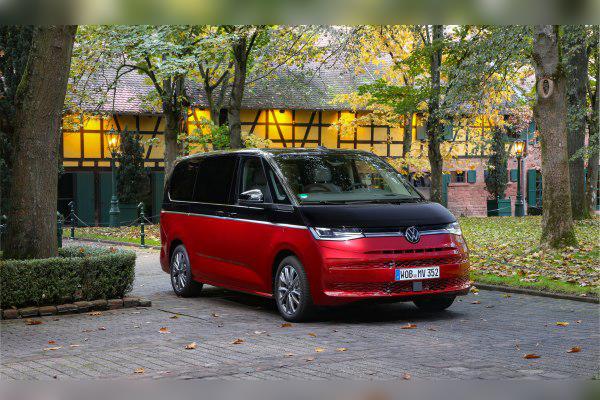
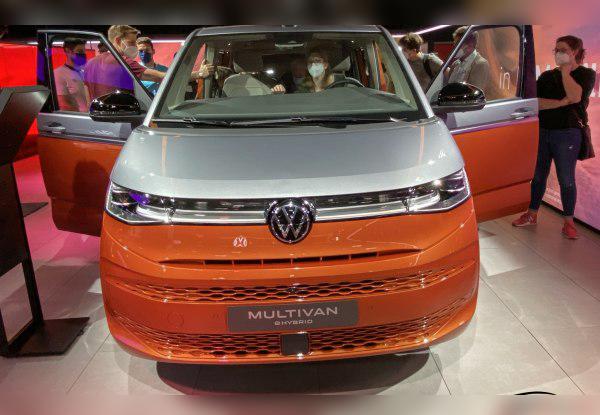
Absolutely not. With a system output of 204 hp or 272 hp and the instant torque of the electric motor, these cars launch hard from a standstill. Even the petrol engine alone with 177 hp and 250 Nm is quite sufficient for bodies like the Tiguan or Multivan, although in the Multivan (due to its high weight and aerodynamic drag) you may feel it struggling if the battery is completely empty on long uphill stretches.
Behaviour on the motorway
On the motorway, the hybrid system helps less. There the 1.5 TSI does most of the work. At 130 km/h, the engine runs at quite low revs (around 2200–2400 rpm) thanks to long DSG gear ratios. Real motorway consumption is 6.5 to 8.5 l/100 km, depending on whether you are driving a more aerodynamic Golf or a boxy Multivan T7. Engine noise is well insulated.
Additional options and modifications
LPG conversion
Not recommended. Although it is technically possible to install LPG on direct-injection engines (so-called liquid phase or systems that still dose some petrol), on PHEV models it makes no sense. First, you lose boot space that is already reduced by the battery. Second, the electronics are so complex that an additional LPG ECU would likely create chaos in the hybrid system communication. The economic benefit is questionable.
Chiptuning (Stage 1)
The engine can be tuned, but on hybrids this is risky. The 1.5 TSI alone can safely handle an extra 20–30 hp. However, the problem is the gearbox and hybrid unit. The software has to be perfectly matched so as not to cause jerks when switching drive sources. It is recommended to avoid “backyard” tuners and, if you really must, go only to reputable companies that map both the engine and the DSG gearbox.
Gearbox
Which gearboxes are used?
The 1.5 TSI eHybrid (PHEV) comes exclusively with a 6-speed DSG automatic gearbox developed specifically for hybrids (often designated DQ400e or its evolution). The electric motor is also housed inside the gearbox casing.
Failures and maintenance
The most common failures are related to the mechatronics (the brain of the gearbox) and the clutch pack.
Maintenance: Gearbox oil changes are MANDATORY every 60,000 km. This is not a recommendation, this is an order if you want the gearbox to last.
Costs: The clutch pack for this gearbox is more expensive than for a regular DSG because it is integrated with hybrid components. Symptoms of clutch failure are slipping or harsh shifts (especially from 1st to 2nd gear).
Buying used and conclusion
When buying a used vehicle with this engine, a specific inspection is mandatory:
- Battery health (SOH): Use diagnostics to check the capacity of the high-voltage battery. Replacement is extremely expensive (several thousand euros).
- Drive transition: Drive the car so that the petrol engine switches on and off. The transition must be almost imperceptible. Any jerk indicates a problem with engine mounts, flywheel or gearbox.
- Cold start: Listen to the engine when it starts for the first time (force “Battery Hold” or “Charge” mode). There must be no rattling or metallic noises.
Conclusion: The 1.5 TSI evo2 eHybrid is a technologically brilliant engine. It offers GTI-level performance with scooter-like fuel consumption (if charged). It is intended for people who have a garage/charger and drive up to 80 km per day, and travel far on weekends. It is not for those who want cheap “fill up and drive” maintenance in non-authorised workshops. It requires high-quality oil, regular gearbox servicing and expert diagnostics.
Was this content useful to you?
Your opinion helps us to improve the quality of the content.