EA888 evo4 / DNNA Engine
- Engine
- 1984 cm3
- Aspiration
- Turbocharger, Intercooler
- Fuel
- Petrol (Gasoline)
- Fuel injection system
- Direct injection
- Power
- 190 hp @ 4200 rpm
- Torque
- 320 Nm
- Cylinders
- 4
- Valves
- 16, 4 per cylinder
- Cylinders position
- Inline
- Valvetrain
- DOHC
- Oil capacity
- 5.7 l
- Coolant
- 10 l
- Systems
- Start & Stop System, Particulate filter
# Vehicles powered by this engine
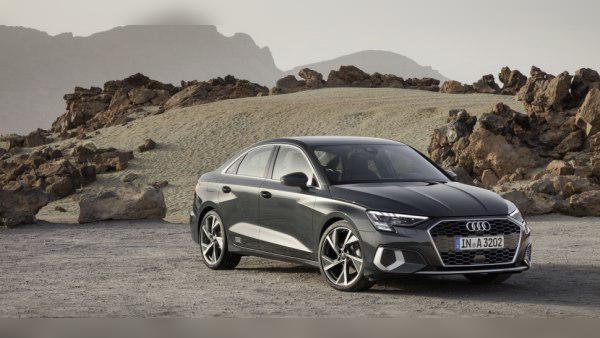






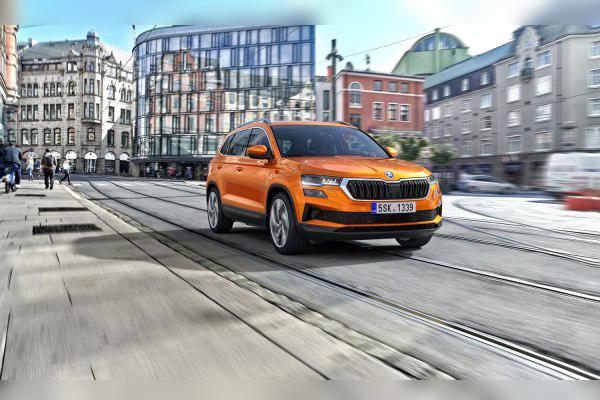


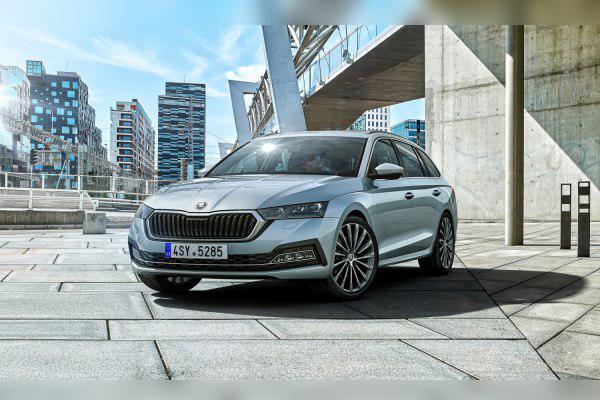
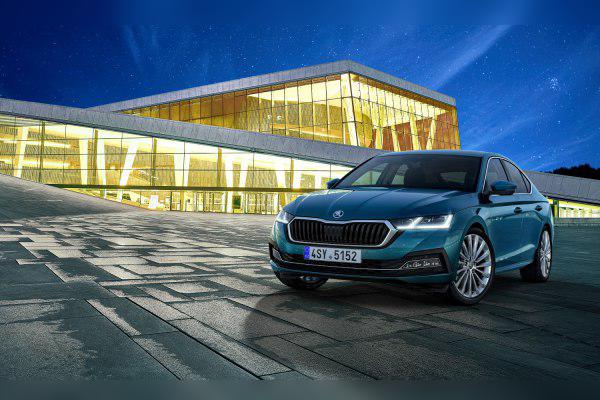


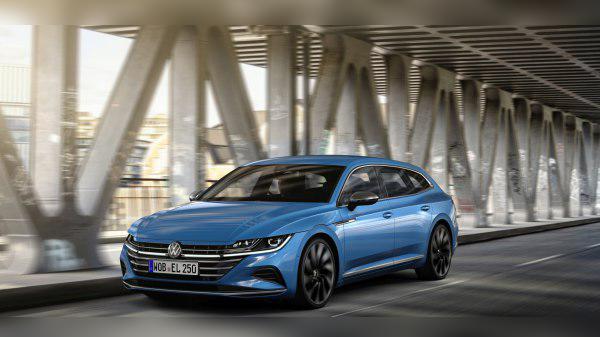
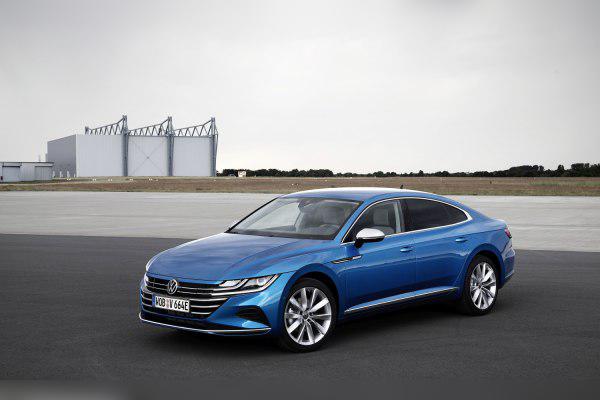
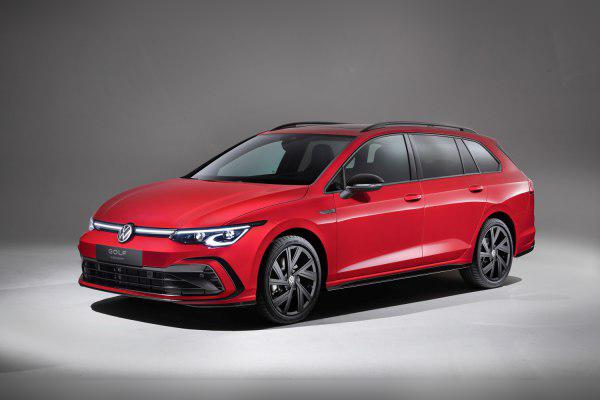
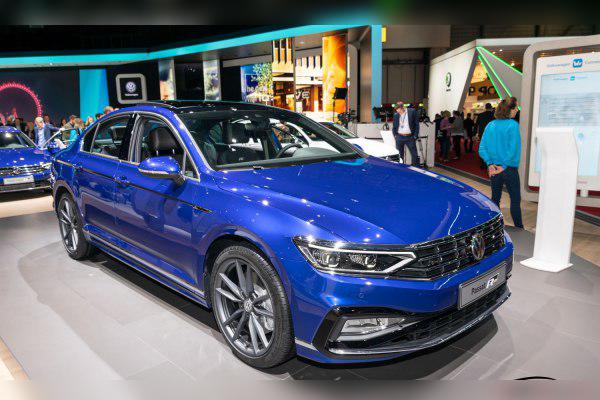


2.0 TSI / TFSI (190 hp) EA888 Gen4 (DNNA) – Real-world experience, fuel consumption and maintenance
If you’re looking for the “golden middle” in the VAG group (VW, Audi, Škoda, Seat, Cupra) – an engine that’s stronger than the standard 1.5 TSI but more economical than the sporty GTI versions – you’re most likely looking at this unit. The 2.0 TSI with 190 hp (engine code DNNA) belongs to the latest EA888 evo4 generation.
This is not a racing engine, but a so‑called “B-cycle” (Budack cycle) engine. What does that mean for you? Engineers sacrificed high revs in favor of higher efficiency and torque at low rpm. In practice, this petrol engine drives almost like a diesel, but without the noise and vibration.
Key points in short (TL;DR)
- Timing drive: Uses a chain, which is very reliable in this (evo4) generation.
- Gearbox: Almost always comes with a DSG (S tronic) dual-clutch gearbox with wet clutches. Gearbox maintenance is mandatory.
- Fuel consumption: Surprisingly low for a 2.0 engine with 190 hp, thanks to the B-cycle operating mode.
- Emissions: Equipped with a OPF/GPF filter (gasoline particulate filter), but no AdBlue system.
- Maintenance: Requires a specific “thin” oil (0W‑20) and regular spark plug replacement.
- Recommendation: Ideal for heavier bodies (SUV models like Kodiaq, Tiguan) where smaller 1.5 TSI engines run out of breath.
Contents
- Technical specifications
- Reliability and maintenance
- Specific parts and systems
- Fuel consumption and performance
- Additional options and modifications
- Gearbox and drivetrain
- Buying used and conclusion
Technical specifications
| Parameter | Value |
|---|---|
| Engine displacement | 1984 cc (2.0 L) |
| Power | 140 kW (190 hp) at 4200–6000 rpm |
| Torque | 320 Nm at 1500–4100 rpm |
| Engine code | DNNA (EA888 Gen4 B-cycle) |
| Injection type | Direct injection (TSI/TFSI) – 350 bar |
| Charging | Turbocharger + intercooler |
| Timing drive | Chain |
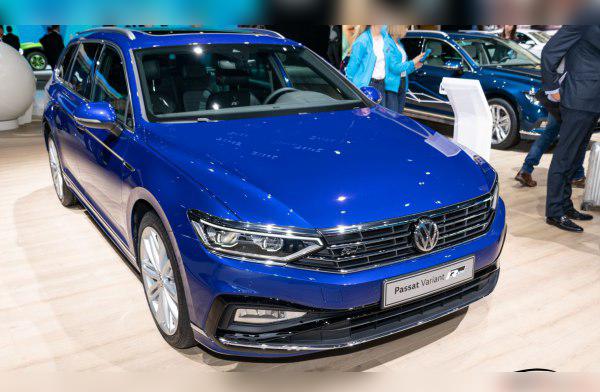
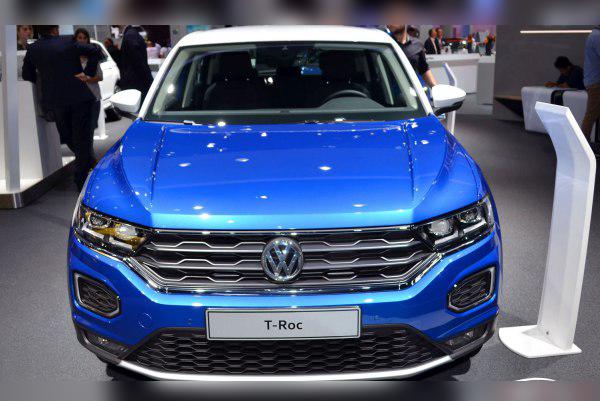
This engine is installed in a wide range of vehicles, from sedans like the VW Passat, Arteon and Škoda Superb, through popular compacts such as the Golf 8, Audi A3, Octavia, all the way to SUVs like the Tiguan, Kodiaq, Formentor and Audi Q3.
Reliability and maintenance
Timing system (chain or belt?)
EA888 evo4 engines use a timing chain. Unlike the notorious first generations of TSI engines where the chain was practically a “consumable”, the situation here is drastically better. The chain is reinforced and designed to last the entire service life of the engine, although in practice the first serious inspection or replacement may be needed only after 150,000 to 200,000 km, provided that the oil has been changed regularly. A typical symptom of problems is a characteristic rattling on cold start (metal-on-metal noise).
Oil consumption and service intervals
The major service (replacement of chain, guides, tensioner) has no fixed interval and is done as needed (when the chain can be heard). However, replacement of the auxiliary belt (serpentine belt) and water pump is usually recommended at around 120,000 km or 5–6 years of age.
As for oil, this engine takes approximately 5.7 liters. The factory recommendation for evo4 engines is a specific low-viscosity oil, most commonly 0W‑20 (VW standard 508.00 / 509.00). This “thin” oil is crucial for efficiency and for the operation of the variable valve timing system. Oil consumption in this generation has been reduced to a minimum. If the engine uses more than 0.5 liters per 5,000 km, that indicates a problem (often the PCV valve or, less commonly, piston rings), but in general these engines do not require topping up between services if everything is in order.
Spark plugs and injectors
Since this is a petrol engine, spark plugs are a key item. Replacement is recommended every 60,000 km. Do not skimp on spark plugs; use only NGK or Bosch by catalog number, because a bad plug can damage the ignition coils (which are also wear items).
Most common failures
Although reliable, the engine is not immune to failures:
- Thermostat module and water pump: The housing is plastic and prone to coolant leaks. If you notice the coolant level dropping, this is the first place to check. This is a relatively expensive repair because the entire module is often replaced.
- Sensor electronics: Occasional faults in oil pressure sensors or camshaft sensors are not uncommon, but are often cheap to fix.
- Carbon buildup (coking): As a direct-injection engine, the intake valves are not washed by fuel. At higher mileages (100k+ km) carbon deposits may accumulate and choke the engine. The solution is mechanical cleaning (walnut shell blasting).
Specific parts (costs)
Dual-mass flywheel
Yes, this engine has a dual-mass flywheel. Since it is paired with a DSG gearbox, a dual-mass flywheel is necessary to dampen vibrations. Its lifespan is usually between 150,000 and 200,000 km, but it heavily depends on driving style. Replacement is expensive (varies by market, but expect a serious cost) and is usually done together with the clutch packs if they are worn.
Turbocharger and injection
The engine uses a single turbocharger (usually Continental or Garrett). The turbo is very durable and rarely fails before 200,000 km, unless the engine is shut off hot immediately after hard driving or if oil changes are neglected. The injection system operates at very high pressure (350 bar). Injectors are precise but sensitive to poor fuel quality. Injector failure manifests as rough running and “stuttering” under acceleration.
GPF (OPF) filter
This engine is equipped with a GPF (Gasoline Particulate Filter), which is the petrol equivalent of a DPF on diesels. The good news is that petrol engines heat up much faster, so the GPF regenerates more easily and passively while driving. Clogging is rare, unless you drive exclusively short trips in winter. There is no AdBlue fluid; that is reserved only for diesels.
An EGR valve is present (often integrated into complex recirculation systems), but on petrol engines it causes far fewer problems than on diesels.
Fuel consumption and performance
This is the DNNA engine’s strongest selling point. Thanks to the B-cycle operation (a modified Miller cycle), the engine is very efficient.
- City driving: Expect between 8.5 and 10.5 l/100 km. In heavy SUV models (Kodiaq, Tiguan Allspace) with all-wheel drive, this can go up to 12 liters in heavy traffic.
- Country roads: This is where the engine shines. Consumption drops to 6.0 – 7.0 l/100 km.
- Motorway: At 130 km/h the engine spins at a low 2,000 – 2,200 rpm (in 7th gear). Fuel consumption is then around 7.5 liters, and the cabin is very quiet.
Is the engine sluggish? Absolutely not. With 320 Nm of torque available from just 1500 rpm, this engine pulls decisively. 0–100 km/h acceleration is under 8 seconds in most models, which is more than enough for dynamic driving and overtaking.
Additional options and modifications
LPG conversion
Although it is physically possible, converting a 2.0 TSI Evo4 engine to LPG is very expensive and complicated. Due to direct injection, you need a system that either injects liquid gas directly through the petrol injectors (the most expensive option) or a system that “mixes” petrol and gas to cool the injectors. Economic viability is questionable unless you cover huge mileages. General recommendation: avoid LPG on this engine.
Remapping (Stage 1)
The engine can be remapped, but don’t expect gains like on GTI models. Due to the smaller turbocharger and different compression ratio (B-cycle), a safe Stage 1 tune raises power to about 230–240 hp and torque to about 400 Nm. This significantly improves in-gear acceleration. Still, be aware that any power increase puts additional stress on the DSG gearbox and turbo.
Gearbox
This 190 hp engine is supplied in 99% of cases with a 7-speed DSG automatic gearbox. The gearbox code is usually DQ381 (wet clutch), which is the successor to the older DQ380/DQ250. Manual gearboxes are rare in this power and drivetrain configuration (often combined with 4x4).
- Gearbox service: Mandatory! Oil in the DQ381 gearbox should be changed every 60,000 to 120,000 km (for longevity, it’s recommended to do it at 60,000 km).
- Failures: The most common problems are related to the mechatronics unit (the “brain” of the gearbox) and the clutch pack. Symptoms include jerking when moving off, harsh shifts or a delay in “engaging” a gear.
- Repair costs: Very expensive. Overhauling the mechatronics or replacing the clutch pack costs several hundred (and often over a thousand) euros.
Buying used and conclusion
Before buying a used car with this engine, pay attention to the following:
- Cold start: Listen to the engine when it is completely cold. Chain rattling lasting longer than 2–3 seconds is a red flag.
- Coolant leaks: Check the engine bay around the water pump (under the intake manifold) for traces of pink/red dried coolant residue.
- DSG service history: If the car has more than 60,000 km and the gearbox oil has never been changed, it’s a risky purchase.
- Vibrations: Check whether the car vibrates at idle or when switching off (dual-mass flywheel).
Conclusion: The 2.0 TSI 190 hp (DNNA) is probably the best all-round petrol engine that the VAG group currently offers. It is powerful enough to move heavy SUVs and estates without strain, while consuming only slightly more than a diesel. There are no complications with an AdBlue system and a DPF that easily clogs in city driving. If you service the DSG gearbox regularly and change the oil on time, this engine can serve you for hundreds of thousands of kilometers.
Was this content useful to you?
Your opinion helps us to improve the quality of the content.