DPCA Engine
- Engine
- 1498 cm3
- Aspiration
- Turbocharger, Intercooler
- Fuel
- Petrol (Gasoline)
- Fuel injection system
- Direct injection
- Power
- 150 hp @ 5000 rpm
- Torque
- 250 Nm
- Cylinders
- 4
- Valves
- 16, 4 per cylinder
- Cylinders position
- Inline
- Valvetrain
- DOHC
- Oil capacity
- 4.3 l
- Coolant
- 10 l
- Systems
- Start & Stop System, Cylinder deactivation system, Particulate filter
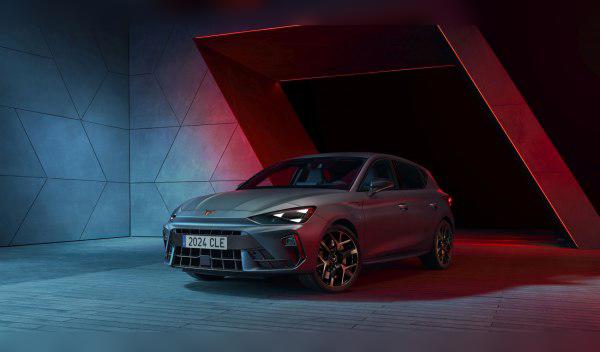
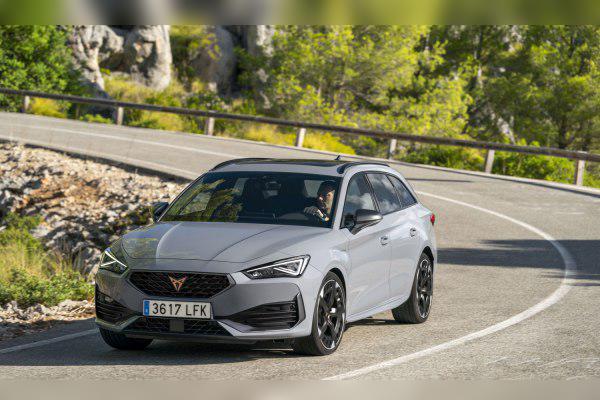
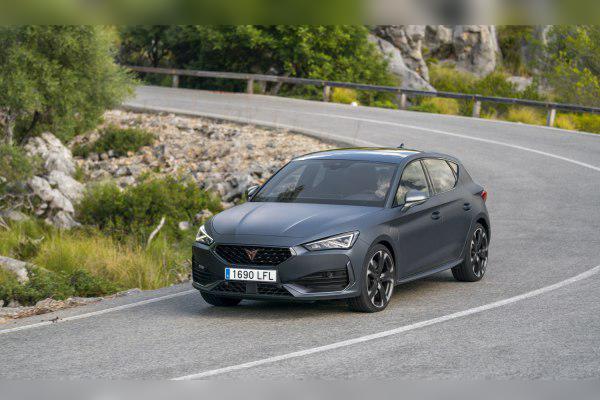
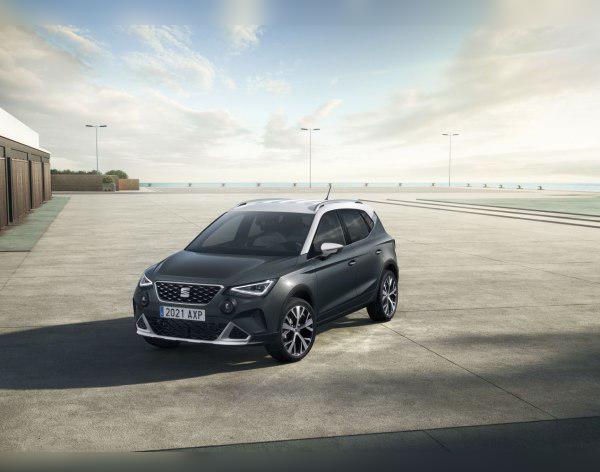
# Vehicles powered by this engine
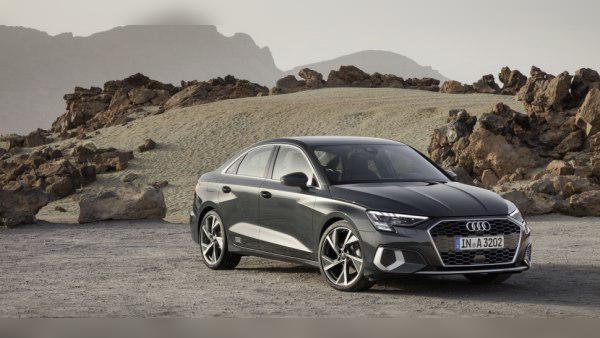
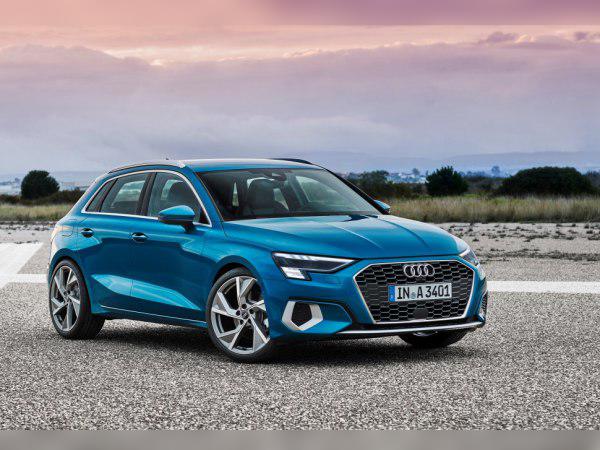
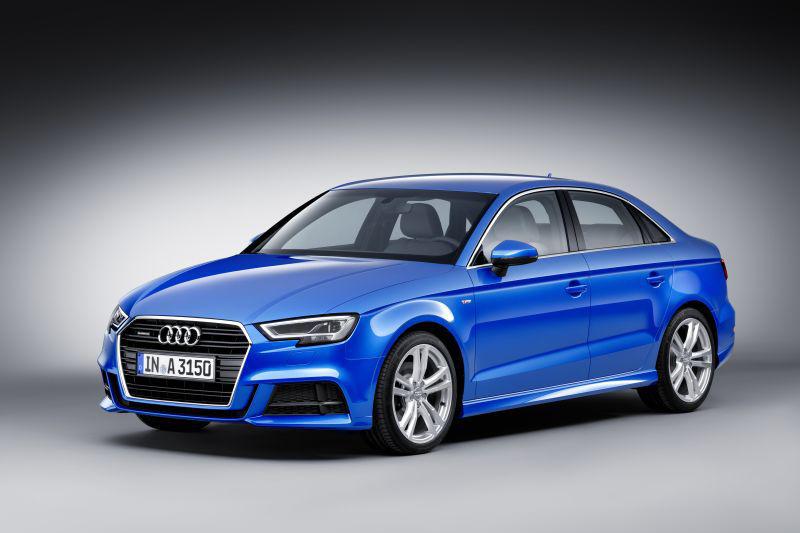
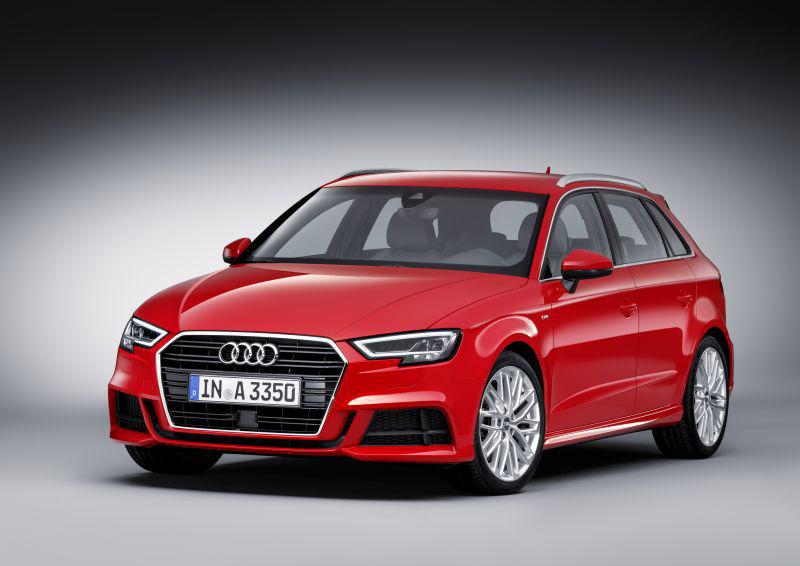

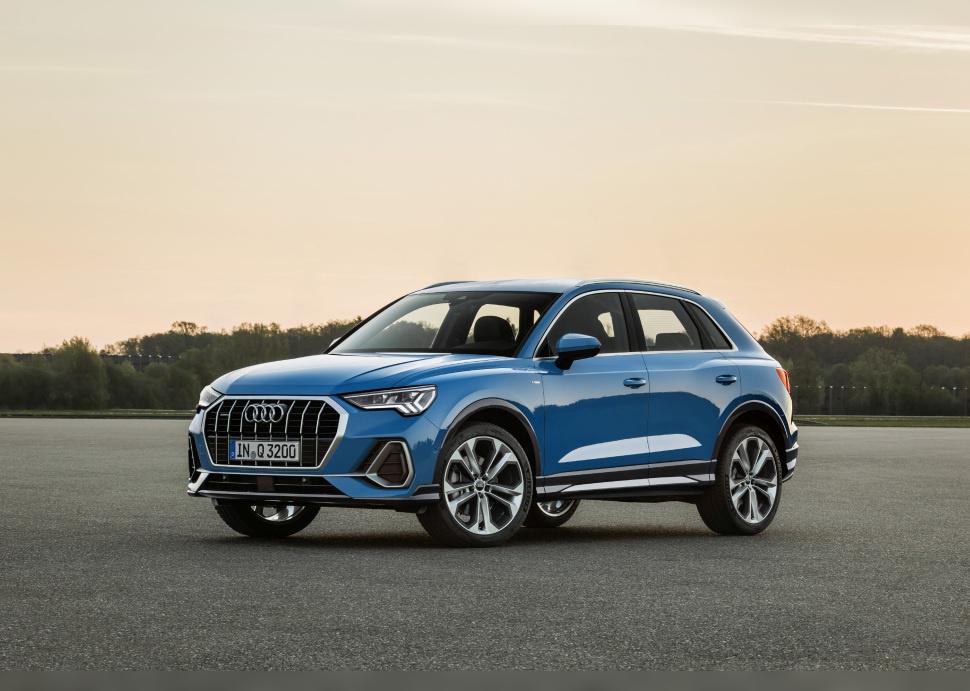

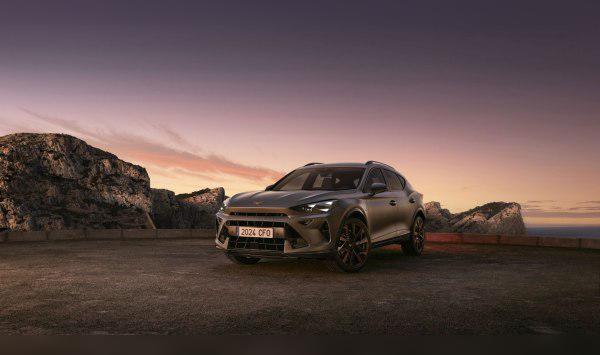
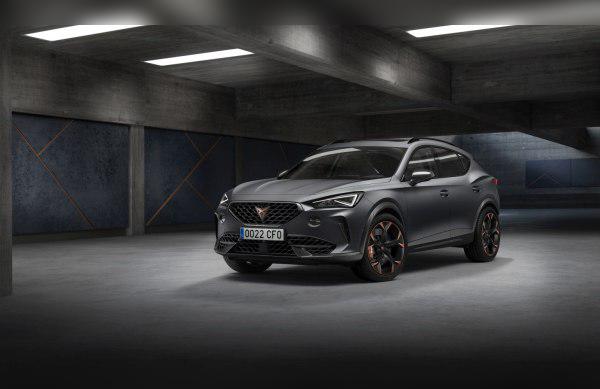
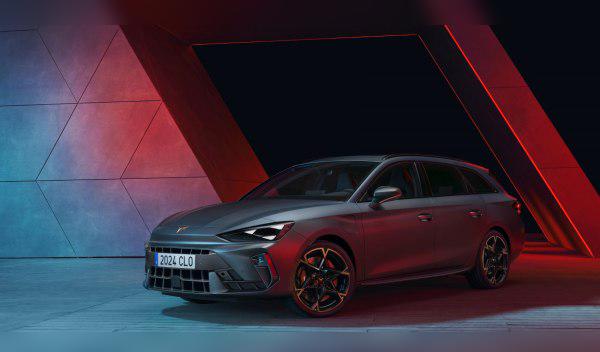
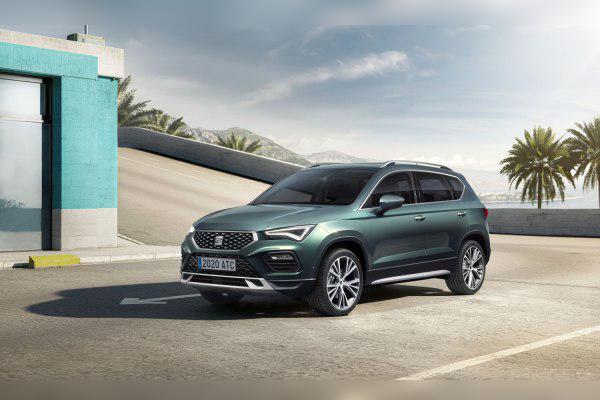
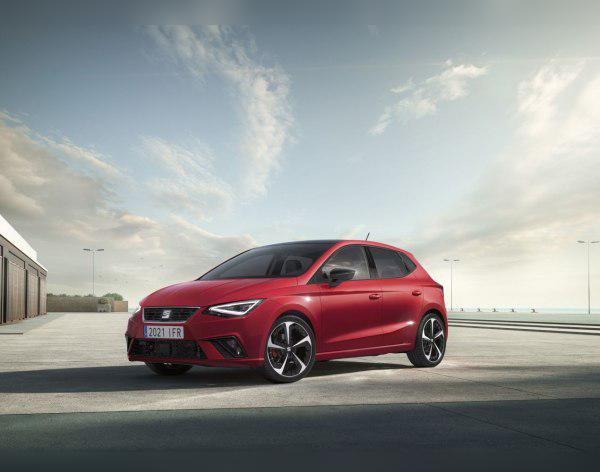
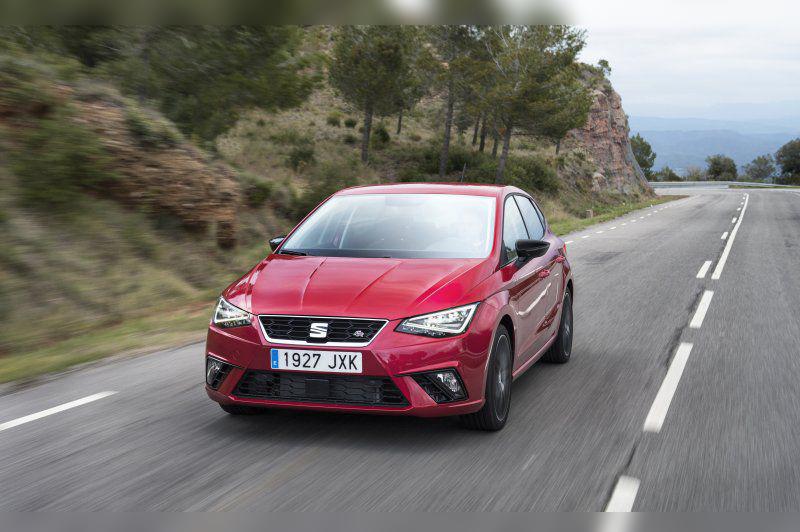
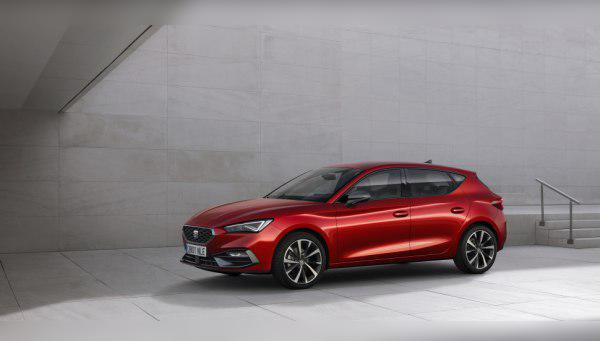
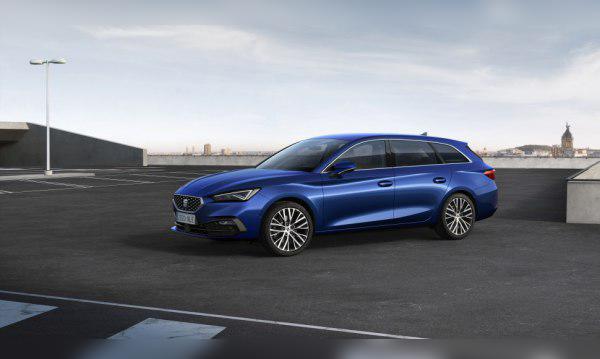
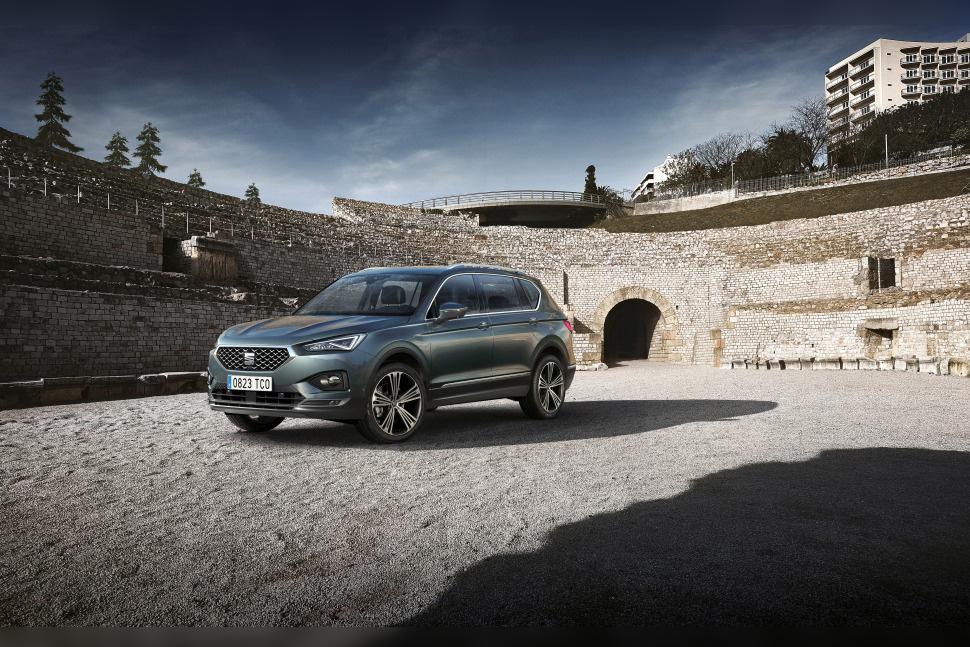


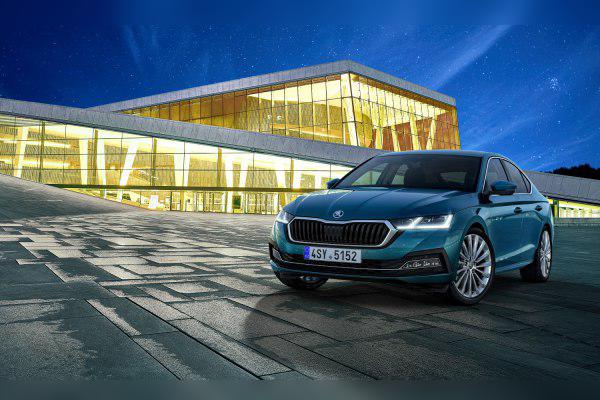
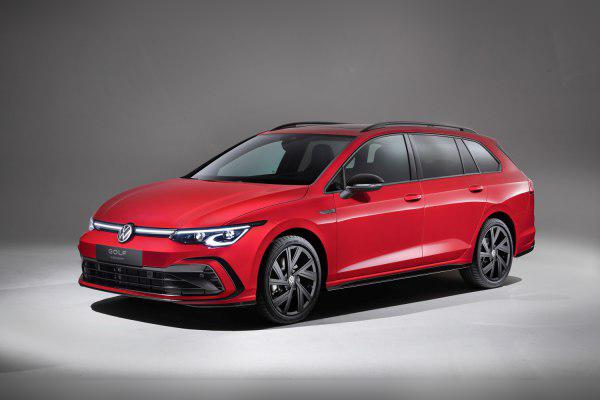
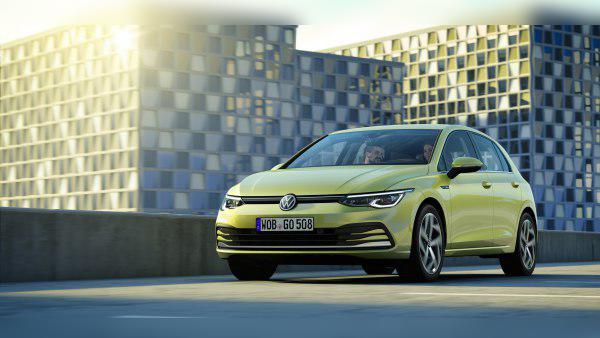
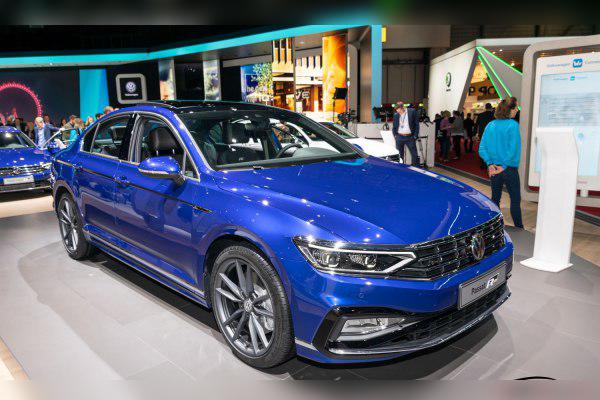
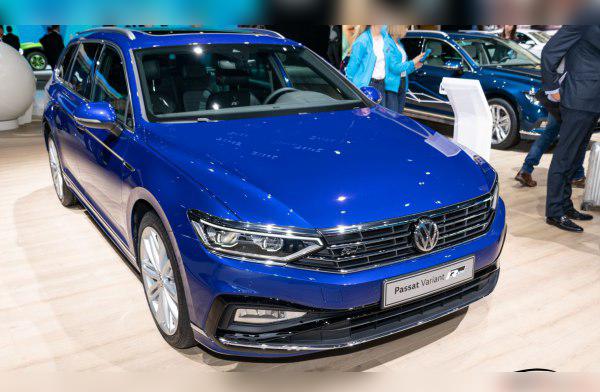
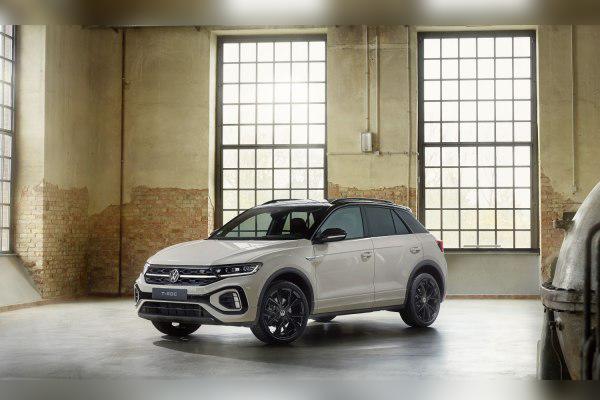
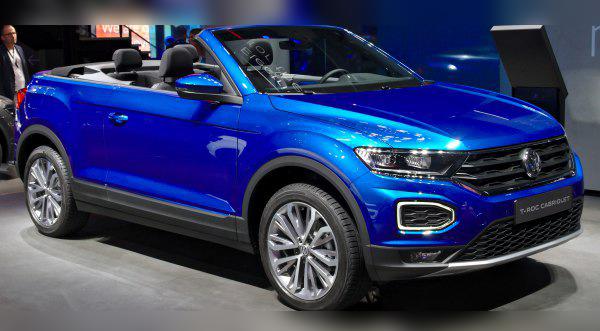
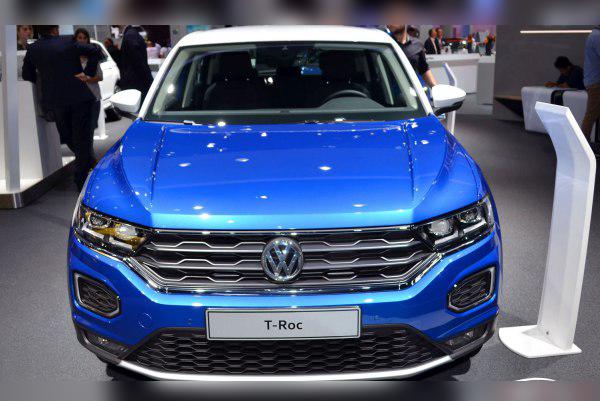
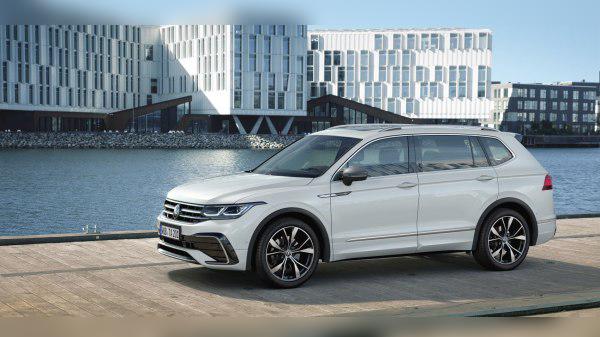
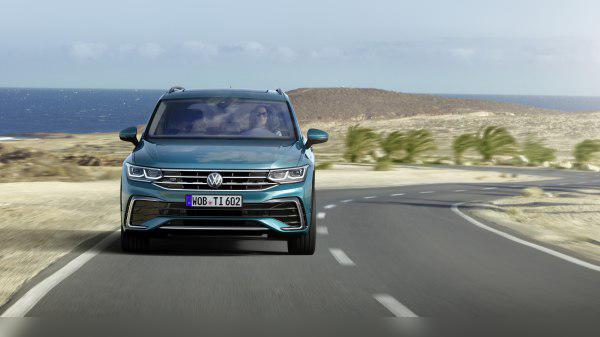
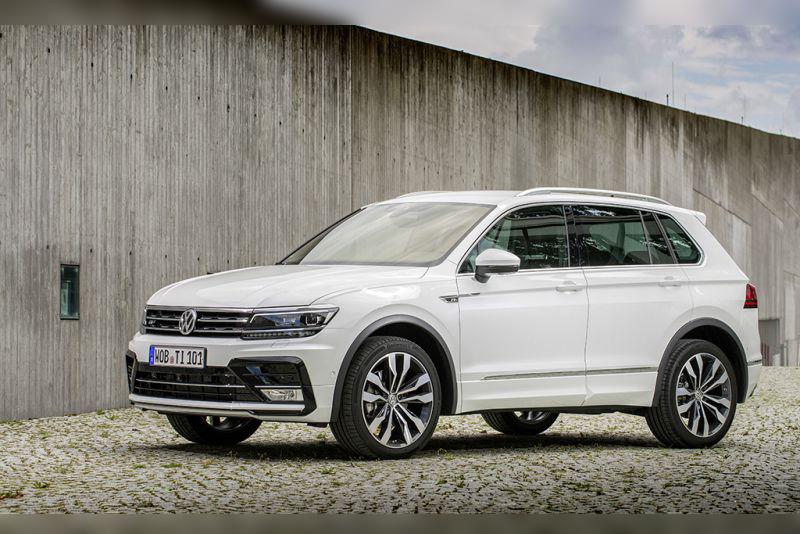
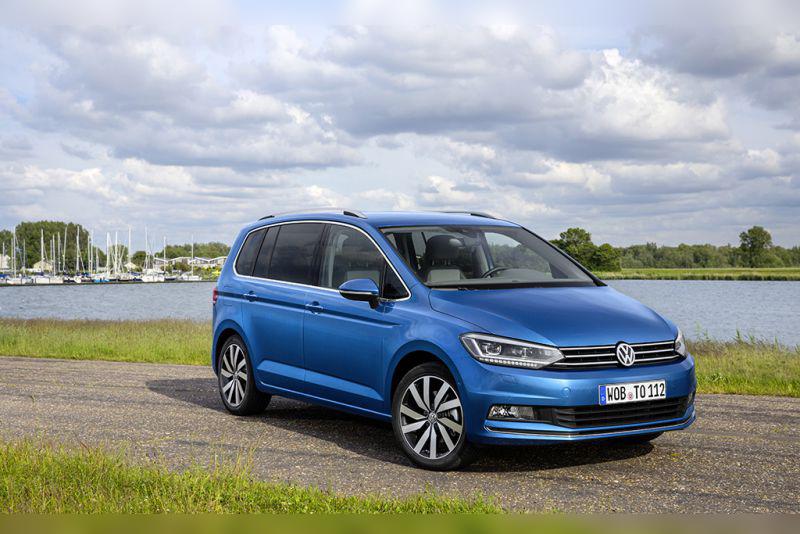
1.5 TSI (DPCA) 150 HP: Experiences, problems, fuel consumption and maintenance
If in the last few years you’ve been looking at any car from the Volkswagen Group (VW, Audi, Škoda, Seat, Cupra), you’ve probably come across the 1.5 TSI badge or, more precisely, the engine code DPCA. This is the direct successor to the famous 1.4 TSI engine and today represents the “golden middle” in the petrol lineup – powerful enough for overtaking, and on paper very economical.
DPCA is part of the EA211 Evo engine family. That means it’s packed with modern technology, including cylinder deactivation (ACT) and a variable geometry turbocharger (VTG), something that used to be reserved only for diesels and Porsche models. But is all that technology reliable after a few years of real-world use?
Key points in short (TL;DR)
- Timing belt: The engine uses a belt, not a chain. That’s good news (fewer issues than older TSI engines).
- “Kangaroo” effect: The most well-known problem is jerking when setting off while the engine is cold (mostly solved via software updates).
- Oil consumption: Generally low, but it uses extremely thin 0W-20 oil, which requires regular level checks.
- Complexity: It has an ACT system (2-cylinder deactivation) and a GPF filter (petrol with a DPF-like filter), which makes potential repairs more expensive.
- Gearbox: Often paired with the DSG DQ200 gearbox (dry clutch), which is more sensitive than the engine itself.
- Recommendation: An excellent engine for those who drive up to 20–30,000 km per year, but it requires high-quality fuel and strict maintenance.
Contents
- Technical specifications
- Reliability and maintenance
- Specific components (costs)
- Fuel consumption and performance
- Additional options and modifications
- Gearbox
- Buying used and conclusion
Technical specifications
| Parameter | Value |
| Displacement | 1498 cc (1.5 L) |
| Power | 110 kW (150 HP) at 5000–6000 rpm |
| Torque | 250 Nm at 1500–3500 rpm |
| Engine code | DPCA (EA211 Evo family) |
| Injection type | Direct injection (TSI) – up to 350 bar |
| Induction | Turbocharger with variable geometry (VTG) + intercooler |
| Technology | ACT (Active Cylinder Technology), mild hybrid (on some models) |
Reliability and maintenance
Does this engine have a timing belt or a chain?
The DPCA engine uses a timing belt. This is important because older TSI engines (from the EA111 series) had problematic chains that tended to fail. By switching to a belt in the EA211 series, the VW Group solved that issue. The belt is reinforced and designed to last a long time, but a visual inspection is mandatory after 150,000 km.
What are the most common failures on this engine?
Although generally reliable, the DPCA has a few specific “weak spots”:
1. “Kangaroo effect” (rooftopping/jerking): The most common owner complaint. On a cold start, especially in first gear, the car can jerk and hop like a kangaroo for the first minute or two. Cause: A software map that runs the mixture too lean for emissions reasons while the catalytic converter is still cold. Solution: Software update at an authorized dealer (doesn’t always fix it 100%, but helps).
2. Coolant loss (water pump): The thermostat and water pump module is made of plastic and prone to leaks or housing cracks. If you notice the coolant level dropping, this is the first place to check.
3. Carbon buildup: Like any direct-injection engine, the intake valves are not “washed” by fuel. Over time, carbon deposits build up, which can reduce performance and cause rough running.
4. ACT system: Although rare, the cylinder deactivation mechanism can cause vibrations if the engine mounts are not in perfect condition.
At what mileage should the major service be done?
The manufacturer lists very optimistic intervals (often over 200,000 km for the belt, with no time limit). However, workshop experience says: Do the major service at a maximum of 180,000 km or after 8–10 years (whichever comes first). A timing belt kit with water pump is not excessively expensive (depends on the market, but mid-range), while a failure due to belt breakage is catastrophic.
How many liters of oil does this engine take and which viscosity is recommended?
The sump holds approximately 4.3 liters of oil. What’s specific to DPCA (TSI Evo) engines is the use of very low-viscosity oil: 0W-20 (VW 508.00 / 509.00 spec). This oil is “like water” to reduce friction and fuel consumption.
Tip: Don’t experiment with thicker oils (e.g. 5W-40) without proper consultation, because the oil channels and pump are designed for thin oil. Do the oil service every 10,000–15,000 km, never at 30,000 km (LongLife), if you want the engine to last.
Does it consume oil between services?
DPCA engines are much better than their predecessors in this regard. Still, due to the 0W-20 grade and the turbocharger, consumption of 0.5 to 1 liter per 10,000 km is considered completely normal and acceptable, especially if driven harder on the motorway. If it uses more than that, an inspection is needed (turbo, piston rings).
At what mileage should the spark plugs be replaced?
The spark plugs are iridium and long-lasting. The recommendation is to replace them every 60,000 km or 4 years. Don’t wait for the engine to start misfiring, because a bad plug can damage the coil pack (which is expensive).
Specific components (costs)
Does the engine have a dual-mass flywheel?
Yes. The 150 HP (DPCA) version comes with a dual-mass flywheel in 99% of cases, whether it’s paired with a manual or DSG gearbox. Due to the high torque (250 Nm), the dual-mass flywheel is under significant load. Failure symptoms are metallic rattling when switching the engine off or vibrations at idle. Replacement is expensive (market-dependent).
What kind of injection system does it have and are the injectors problematic?
It uses a high-pressure direct injection system (up to 350 bar). The injectors are precise and generally reliable, but sensitive to poor fuel quality. A faulty injector manifests as rough running on one cylinder, a “check engine” light and a smell of petrol. They are not cheap to replace.
Does the engine have a turbocharger and what is its lifespan?
It has a single turbocharger, but a special one – VTG (Variable Turbine Geometry). This is rare on petrol engines because exhaust gas temperatures are higher than on diesels (where VTG is standard). The materials had to be extremely heat-resistant. Lifespan is long if the car is properly maintained (regular oil changes, allowing the turbo to cool before shutdown), but if the variable-geometry vanes get stuck, repair or replacement is very expensive, more expensive than with a conventional turbo.
Does this model have a DPF filter or an EGR valve?
Being a petrol engine, it doesn’t have a DPF, but it does have its equivalent – a OPF/GPF (Gasoline Particulate Filter). It’s located in the exhaust and traps soot. Unlike diesels, the GPF regenerates much more easily and quickly (heats up faster) because petrol engines run at higher temperatures. Clogging is rare, unless the car is driven exclusively on very short trips in winter. There is an EGR valve, but thanks to cleaner petrol combustion, it rarely clogs like on diesels.
Does this engine use AdBlue?
No. AdBlue is reserved for diesel engines to reduce NOx emissions. This engine meets Euro 6 standards without AdBlue, which is one less thing to worry about in maintenance.
Fuel consumption and performance
What is the real-world fuel consumption in city driving?
Thanks to the ACT system (two-cylinder deactivation when cruising gently) and the start-stop system, fuel consumption is surprisingly low for 150 HP.
In the city (depending on traffic and vehicle size) you can expect 7.5 to 9.0 l/100 km. In ideal conditions without heavy stop-and-go traffic, it can drop to around 7 l/100 km, but a heavy right foot will easily push the average up.
Is this engine “lazy” for the weight of the car?
It depends on the model.
In a Golf, Audi A3, Leon: The engine feels very lively and sporty.
In a Tiguan, Ateca, Karoq: The engine is “just right”. It’s no racer, but it moves the body without issues.
In a Tarraco, Kodiaq, Passat estate (fully loaded): Here you can feel that 1.5 TSI is the lower limit. If you plan to tow a trailer or constantly carry 7 people, the engine will have to rev high, which increases fuel consumption and noise.
How does the engine behave on the motorway and at what rpm does it cruise at 130 km/h?
This is the engine’s natural habitat. With the DSG gearbox (7-speed), at 130 km/h the engine spins at about 2,600–2,800 rpm (depending on model and wheel size). That means the cabin is quiet and fuel consumption is around 6.0–7.0 l/100 km. There’s enough power for overtaking without having to drop three gears down.
Additional options and modifications
Is this engine suitable for LPG conversion?
Difficult and expensive. Since it has direct injection, a regular sequential LPG system cannot be installed (the injectors would overheat because they’re not cooled by petrol). You need expensive systems (liquid injection or systems that still use around 20% petrol and 80% LPG). Considering the low fuel consumption of the petrol engine itself and the high cost of LPG conversion on TSI engines, the payback is questionable unless you drive more than 40,000 km per year.
How far can this engine be safely tuned (Stage 1)?
The DPCA engine has good potential. A safe Stage 1 tune raises power to about 170–175 HP and torque to around 300 Nm.
Warning: Newer models (from 2020 onwards) have locked ECUs (SFD protection), so “chipping” requires physically opening the ECU or expensive unlocking solutions. Also keep in mind that increasing torque further stresses the DSG gearbox and the dual-mass flywheel.
Gearbox
Which manual and automatic gearboxes are fitted to this engine?
The DPCA is most commonly paired with the DQ200 DSG (7-speed dual-clutch automatic). This is the version with “dry” clutches.
Manual gearboxes are usually 6-speed (codes like MQ250 or similar), very precise and light to use.
What are the most common failures of the manual and automatic gearboxes?
Manual: Very reliable. Failures are rare and mostly limited to regular replacement of the clutch kit and flywheel at high mileage.
DSG (DQ200): This is the “Achilles’ heel” of this drivetrain. Since the clutches are dry, they wear out, especially in city stop-and-go driving. The most common failures are the mechatronics unit (the gearbox brain) and the clutch pack. Symptoms include jerking when setting off, hesitation when changing gears or grinding noises. Repairs are expensive.
Does this model have a dual-mass flywheel and how much does clutch replacement cost?
As mentioned, it does have a dual-mass flywheel. On a manual gearbox, the entire kit is replaced (pressure plate, disc, release bearing, flywheel) and the price is similar to that of modern diesels (not cheap, but not insanely expensive either). On DSG, the flywheel is a separate part and the clutch pack is separate. They often fail independently of each other.
At what mileage should the gearbox be serviced and the oil changed?
For the manual gearbox, the manufacturer says the oil is “lifetime fill”, but the recommendation is to change it at 100,000 km.
For the DSG DQ200, VW also claims the oil doesn’t need changing (there’s only a small amount of oil for the gears, the clutches are dry). However, many specialists recommend changing the oil in the mechanical section and checking the mechatronics hydraulics every 60,000–80,000 km as a preventive measure.
Buying used and conclusion
What should you check before buying?
1. Cold start: Insist that the engine is completely cold. Start it and drive off gently. If the car jerks unbearably (kangaroo effect), that’s a sign to negotiate the price (software update needed) or walk away.
2. Water pump: Check the coolant reservoir. If the level is below minimum or you see white traces around the engine (belt side), the pump is probably leaking.
3. Flywheel noise: Listen for knocking noises while the car idles, which disappear or change when you press the clutch (on a manual).
4. Service history: Check whether the oil has been changed regularly. LongLife intervals (30k km) are the enemy of this engine.
Conclusion: Who is it for?
The 1.5 TSI (DPCA) engine is one of the best all-rounders on the market today. It’s quieter and more refined than a diesel, and uses only slightly more fuel.
It’s ideal for drivers who mix city and highway driving. If you cover 15–25,000 km per year, this is a better choice than the 2.0 TDI (fewer worries about DPF and AdBlue, cheaper registration in many markets). However, if you’re buying a used car with a DSG gearbox, keep some money aside for potential clutch or mechatronics repairs.
Was this content useful to you?
Your opinion helps us to improve the quality of the content.