DTUA Engine
- Engine
- 1968 cm3
- Aspiration
- Turbocharger, Intercooler
- Fuel
- Diesel
- Fuel injection system
- Diesel Commonrail
- Power
- 200 hp @ 3500 rpm
- Torque
- 400 Nm
- Cylinders
- 4
- Valves
- 16, 4 per cylinder
- Cylinders position
- Inline
- Valvetrain
- DOHC
- Oil capacity
- 5.5 l
- Coolant
- 8 l
- Systems
- Start & Stop System, Particulate filter
# Vehicles powered by this engine
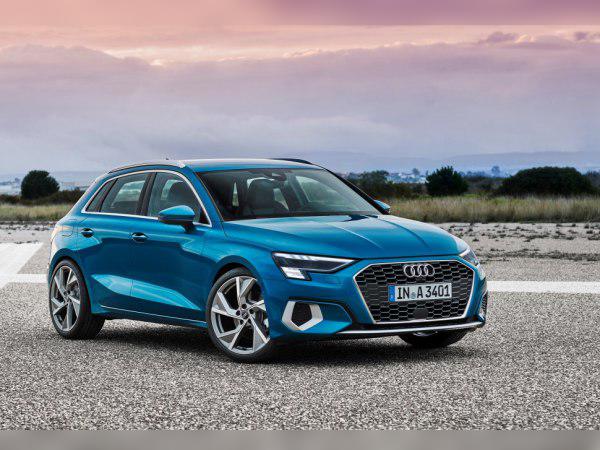

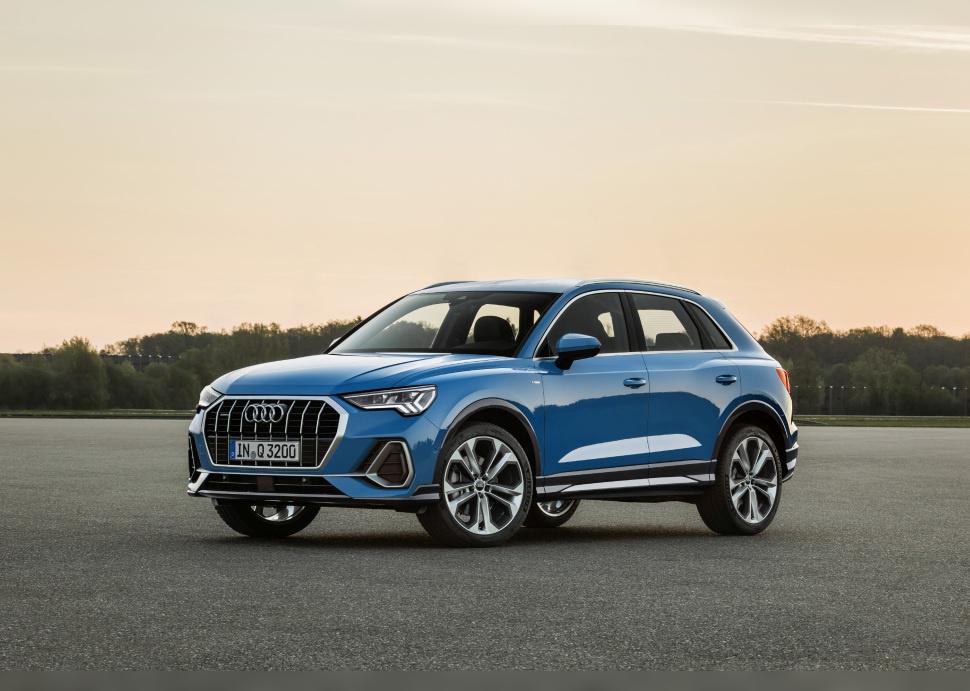
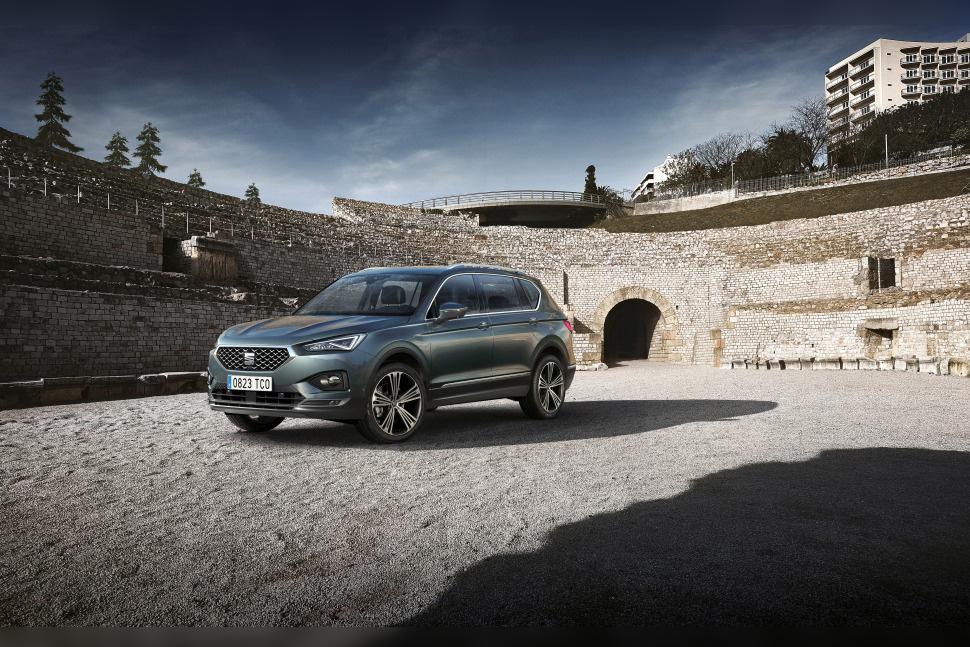

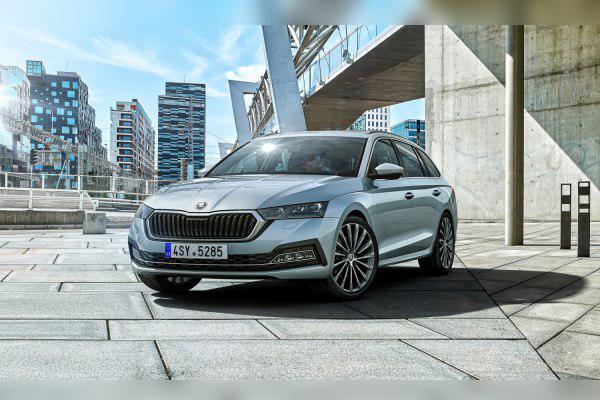
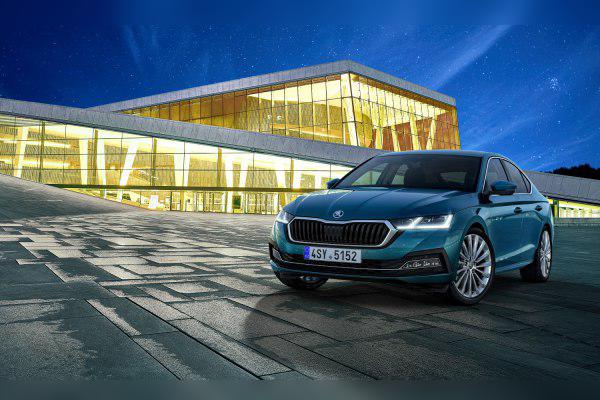
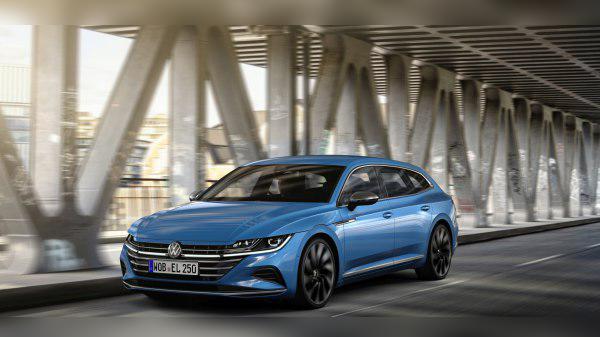
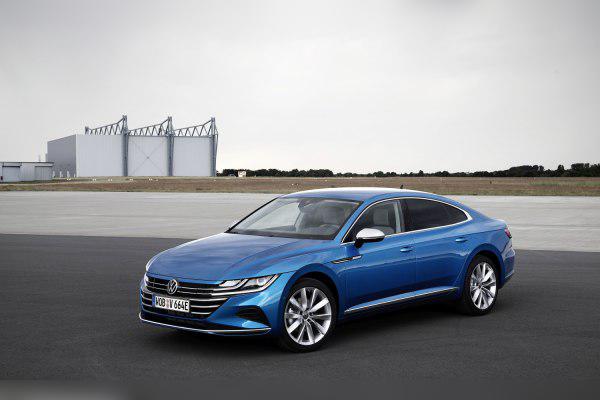
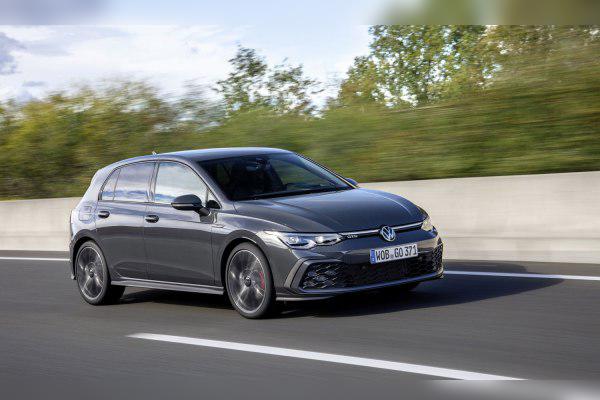
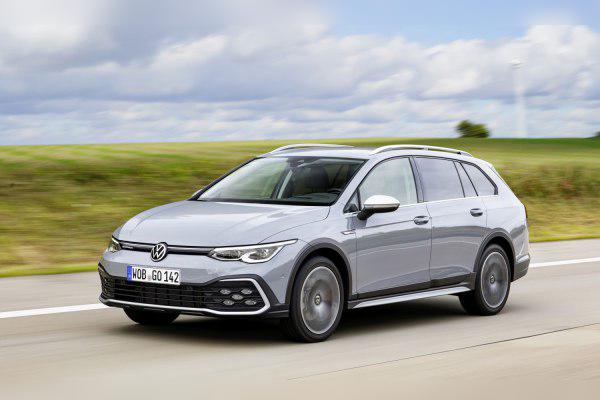
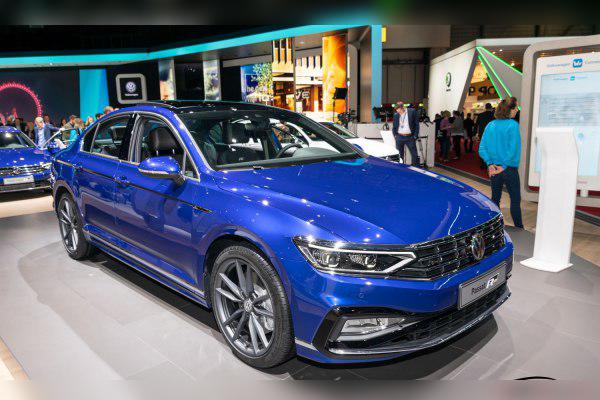
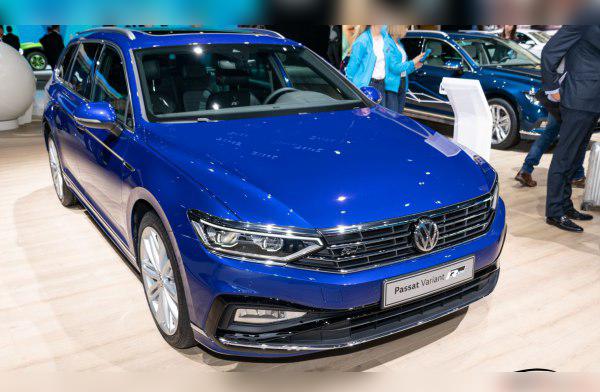
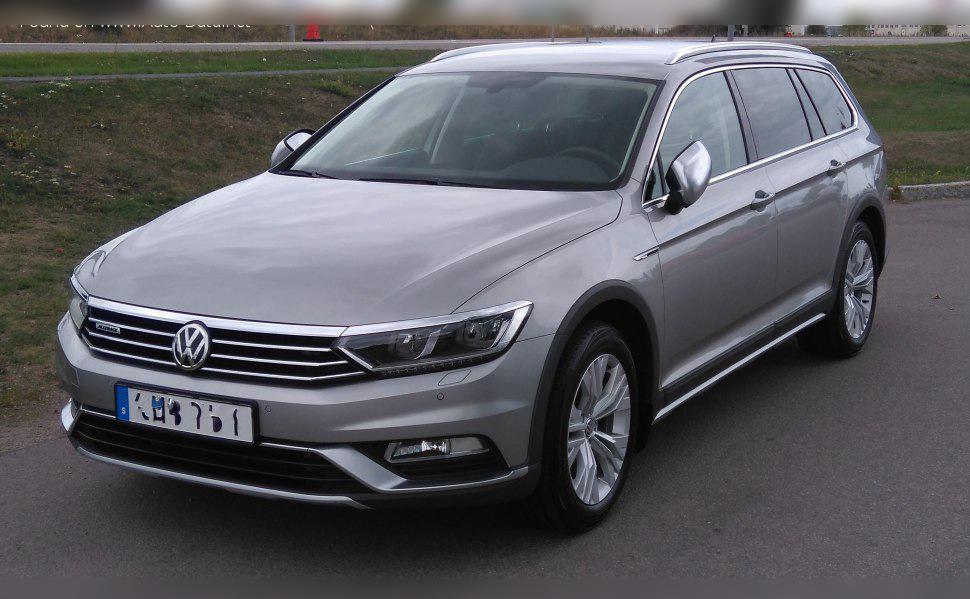
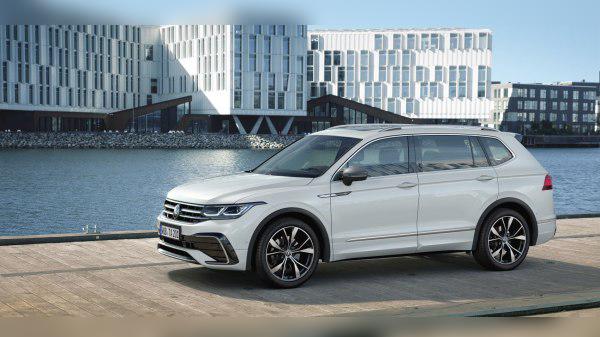
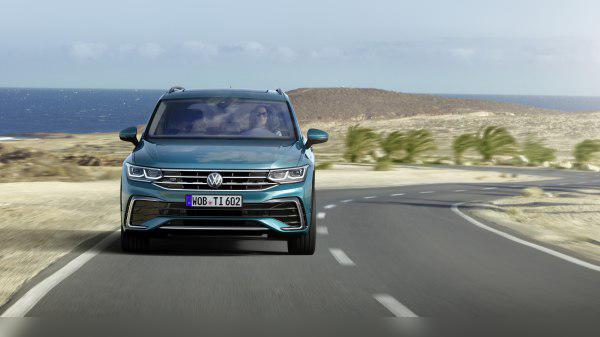
2.0 TDI (DTUA) 200 HP: The peak of diesel evolution or an ecological headache?
Key points (TL;DR)
- The most powerful 2.0-liter single-turbo diesel in the new VW Group "Evo" generation – successor to the famous 190 HP engine.
- "Twin Dosing" AdBlue system: Features two SCR catalysts and two AdBlue injectors, which drastically reduces emissions but increases system complexity.
- DSG gearbox only: This power output is always factory-paired with the DQ381 automatic transmission; a manual gearbox practically does not exist with the DTUA code.
- Reliability is high, but exhaust aftertreatment components (DPF, EGR, AdBlue) are the Achilles' heel if the car is driven exclusively in the city.
- Performance is excellent: 400 Nm of torque moves even heavy SUVs (Tarraco, Tiguan) without effort.
- Maintenance is not cheap: Requires specific low-viscosity oil (new 0W-30 specs) and regular servicing of the gearbox and 4x4 system.
Contents
- Introduction and applications
- Technical specifications
- Reliability and maintenance
- Specific parts and injection system
- Fuel consumption and performance
- Tuning and modifications
- Gearbox and drivetrain
- Conclusion and buying tips
Introduction: EA288 Evo generation
The engine with the code DTUA represents the very top of the 2.0-liter single-turbo diesel range within the Volkswagen Group (VW, Audi, Škoda, Seat). It belongs to the new EA288 Evo engine family. This is not just an "overmapped" old 150 or 190 HP engine, but a unit that has undergone significant changes in order to meet strict Euro 6d standards (including ISC-FCM), while still delivering an impressive 200 horsepower.
The main characteristic of this engine is the use of an aluminum block (to reduce weight), optimized thermal management and, most importantly, the implementation of Twin Dosing exhaust aftertreatment technology. It is installed in stylish and performance-oriented models such as the Golf GTD, but also in workhorses like the Škoda Octavia Scout or heavy SUVs such as the Seat Tarraco.
Technical specifications
| Specification | Data |
|---|---|
| Engine displacement | 1968 ccm (2.0 l) |
| Power | 147 kW / 200 HP |
| Torque | 400 Nm (at 1750–3500 rpm) |
| Engine code | DTUA (EA288 Evo series) |
| Injection type | Common Rail (up to 2200 bar) |
| Charging | Variable-geometry turbocharger (VTG) + intercooler |
| Engine block | Aluminum |
Reliability and maintenance
Timing belt or chain?
The DTUA engine uses a timing belt to drive the camshafts. This is good news for many owners, as the system is quieter and generally cheaper to replace than the complex chains on older VAG engines. However, note that the water pump is often replaced as part of the same job, and on newer models it can be electronically controlled (variable), which makes the part itself more expensive.
Major service and intervals
The factory recommendation for timing belt replacement is often optimistic and is listed at 210,000 km (in some regions with no time limit). However, from an experienced editor’s perspective, it is wise to shorten that interval. Due to rubber and tensioner material fatigue, it is ideal to do the major service between 160,000 km and 180,000 km or after 6 to 7 years of age. A snapped belt on this engine leads to catastrophic damage (pistons hitting valves).
Oil: capacity and consumption
This engine takes approximately 5.5 to 5.7 liters of oil (always buy 6 liters). The recommended grade is specific to new engines: most often the VW 509.00 / 507.00 standard with a viscosity of 0W-30 or 0W-20 (LongLife IV FE), depending on the exact production year and market. These engines are designed for low-viscosity oils to save fuel.
Does it burn oil? The VAG Group has significantly improved tolerances. Oil consumption between services has been reduced to a minimum. Still, it is normal for the engine to consume up to 0.5 liters per 10,000 km, especially if driven aggressively on the highway. If it consumes more than a liter between services, this may indicate a problem with the oil control rings or the turbo, but with DTUA engines this is still not a widespread issue given their relative youth.
Most common failures
Although mechanically (pistons, crankshaft) very robust, problems are mostly peripheral:
- Exhaust gas temperature sensors and NOx sensors: Due to the extremely complex aftertreatment system, these sensors are under heavy thermal load and can fail, triggering the "Check Engine" light.
- Water pump electronics: Sometimes there is leakage or sticking of the pump’s variable ring, which can lead to overheating.
- Software issues: Early models (2020/2021) had bugs in the engine and infotainment software, which are resolved with updates at an authorized service center.
Specific parts (costs)
Injection system and injectors
The DTUA uses the latest generation Common Rail system with pressures exceeding 2200 bar. Injectors are mostly electromagnetic (solenoid) in this generation, which is a step forward in reliability compared to the old, sensitive piezo injectors. Injector lifespan: Expect a service life of over 250,000 km with good-quality fuel. Symptoms of bad injectors include rough idle (fluctuating revs), smoke under hard acceleration, or difficult starting. Refurbishment is possible, but replacement with new units is (very expensive).
Turbocharger
The engine has a single turbocharger with variable geometry (VTG). Even though it has 200 HP, VW did not use a bi-turbo system (two turbos) as on the older 2.0 BiTDI (240 HP), which is a huge advantage for maintenance. A single turbo is cheaper to refurbish and more reliable. With regular oil changes, the lifespan is 200,000+ km.
Dual-mass flywheel
Yes, this engine has a dual-mass flywheel. Given the 400 Nm torque, the flywheel is under heavy load, especially during hard launches ("Launch Control"). In models with a DSG gearbox, the flywheel usually lasts longer than in manuals, often over 200,000 km, because the computer smooths out torque shocks. A metallic knocking sound when switching the engine off is the first sign it needs replacement.
DPF, EGR and AdBlue (Twin Dosing)
This is the most complex part of the story. The engine has:
1. A DPF filter (closed system).
2. An EGR valve (exhaust gas recirculation).
3. An AdBlue system with Twin Dosing technology.
"Twin Dosing" means there are two AdBlue injectors – one right after the engine and another further down the exhaust system. This allows efficient NOx reduction both when the engine is cold and when it is hot. Problems: AdBlue heaters and pumps are prone to failure. If the system fails, the car will count down the remaining kilometers until complete shutdown and will not allow the engine to start. Repairs are expensive. Also, the DPF clogs faster if the car is driven on short trips (less than 15–20 minutes of driving).
Fuel consumption and performance
Is the engine "lazy"?
Absolutely not. With 200 HP and 400 Nm, this engine is bursting with power. Even in heavy bodies such as the VW Tiguan Allspace or Seat Tarraco (which weigh almost 1.8 tons), the engine pulls decisively. In lighter models such as the Golf 8 GTD or Audi A3, this engine delivers a genuinely sporty feel (hot-hatch-like performance in a diesel package).
Real-world fuel consumption
- City driving: Expect between 7.0 and 8.5 l/100 km. In heavy SUV models with 4x4 and heavy traffic, this can go up to 9.5 l/100 km. The start-stop system helps, but weight is a factor.
- Country roads / secondary roads: This is where the engine shines. Consumption drops to 4.5 to 5.5 l/100 km.
- Highway (130 km/h): At this speed, thanks to the 7-speed DSG gearbox, the engine spins at a low 1900–2000 rpm (depending on model and wheel size). Consumption is then around 6.0 to 6.5 l/100 km.
Additional options and modifications
Chiptuning (Stage 1)
The DTUA engine has potential to be "unlocked". Since it has a single turbo, gains are not as extreme as on BiTDI engines, but they are noticeable. A safe Stage 1 remap raises power to around 240–250 HP and torque to 480–500 Nm. Warning: The gearbox and turbo can handle this increase, but keep in mind that the DPF will be subjected to higher soot loads. Also, the warranty is instantly voided.
Gearbox and drivetrain
Which gearbox is used?
With the 200 HP DTUA engine, you almost exclusively get a DSG dual-clutch automatic gearbox. The specific model is usually the DQ381 (7 speeds, wet clutches). It is the successor to the legendary DQ250 and has proven to be a very durable and fast gearbox. A manual gearbox is extremely rare with this power level and in most of the mentioned models it was not even an option.
Servicing the gearbox and 4x4 (4Motion/Quattro) drivetrain
DSG service: For the DQ381, the manufacturer specifies an oil change interval of 120,000 km (using low-friction oil). However, real-world experience and common sense suggest changing the gearbox oil and filter every 60,000 to 80,000 km. This drastically extends the life of the mechatronics and clutch packs.
If your model has 4Motion / Quattro / 4Drive, it uses a Haldex coupling (usually 5th or 6th generation). The oil in the Haldex should be changed every 3 years or 45,000–60,000 km. If you skip this, the Haldex pump will fail and you will be left with front-wheel drive only (you will really notice this in winter when you get stuck).
Most common gearbox failures
The DQ381 is reliable, but issues with the mechatronics (electronic control unit) and oil leaks at the seals are possible. Symptoms include jerking when moving off from a standstill or a delay when shifting from R to D. Mechatronics repair is (very expensive), while clutch pack replacement is a wear-and-tear item at higher mileages.
Buying used and conclusion
What to check before buying?
1. Cold start: Listen for any rattling from the camshaft chain (which connects the two camshafts, even though the main drive is by belt).
2. AdBlue history: Use diagnostics to check for any past errors related to the urea pump or NOx sensors.
3. Coolant: Check whether the expansion tank is clean. The silicone bag (silicate) in the tank on some models can burst and clog the small radiator.
Conclusion: The 2.0 TDI (DTUA) with 200 HP is an excellent engine for long-distance driving. It is ideal for drivers who cover a lot of highway mileage, tow a trailer, or drive with a fully loaded car (family, luggage). It offers a perfect balance between performance and efficiency. However, if you plan to drive 90% of the time in the city (stop-and-go), avoid this engine. The complex aftertreatment system (EGR, DPF, dual SCR) will quickly clog up and generate huge repair costs. For city driving, a petrol engine or a hybrid is a far better choice.
Was this content useful to you?
Your opinion helps us to improve the quality of the content.