CUNA Engine
- Engine
- 1968 cm3
- Aspiration
- Turbocharger, Intercooler
- Fuel
- Diesel
- Fuel injection system
- Diesel Commonrail
- Power
- 184 hp
- Torque
- 380 Nm
- Cylinders
- 4
- Valves
- 16, 4 per cylinder
- Cylinders position
- Inline
- Valvetrain
- DOHC
- Oil capacity
- 4.7 l
- Coolant
- 12 l
- Systems
- Particulate filter
# Vehicles powered by this engine

2.0 TDI CUNA (184 HP) – Experiences, Problems, Fuel Consumption and Buying Used
Key points (TL;DR)
- Powerful and flexible: With 184 HP and 380 Nm, this is one of the most entertaining 2.0 TDI engines, ideal for overtaking and highway driving.
- Reliability: Generally high (EA288 series), but it has specific weak points related to the cooling system and oil consumption.
- Water pump: A common issue with the variable pump ring getting stuck, which leads to overheating.
- Emission systems: Equipped with DPF, EGR and AdBlue. Sensitive to exclusively city driving.
- Oil consumption: Some CUNA engines are prone to increased oil consumption; pay attention to service history.
- Gearbox: Most often paired with DSG (S-tronic), which requires regular oil changes every 60,000 km.
- Recommendation: An excellent choice for drivers who cover a lot of kilometers on open roads; best avoided if you drive only “from traffic light to traffic light”.
Contents
Introduction and engine applications
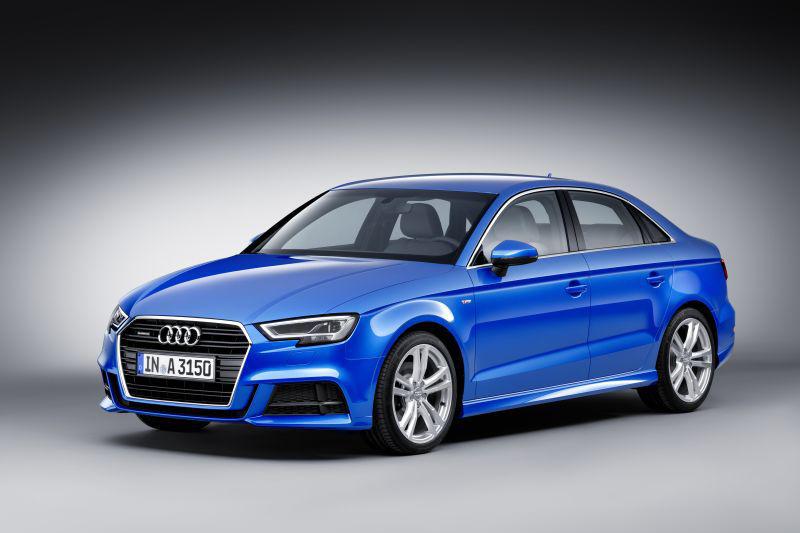
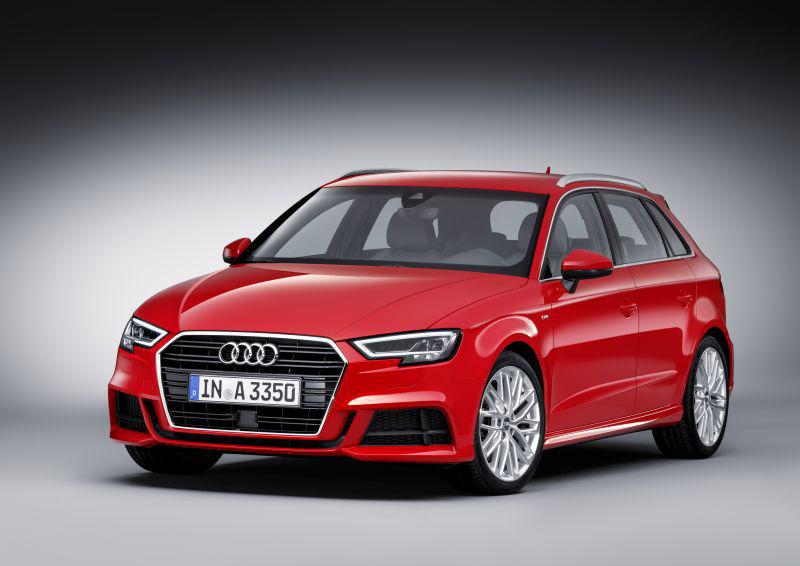
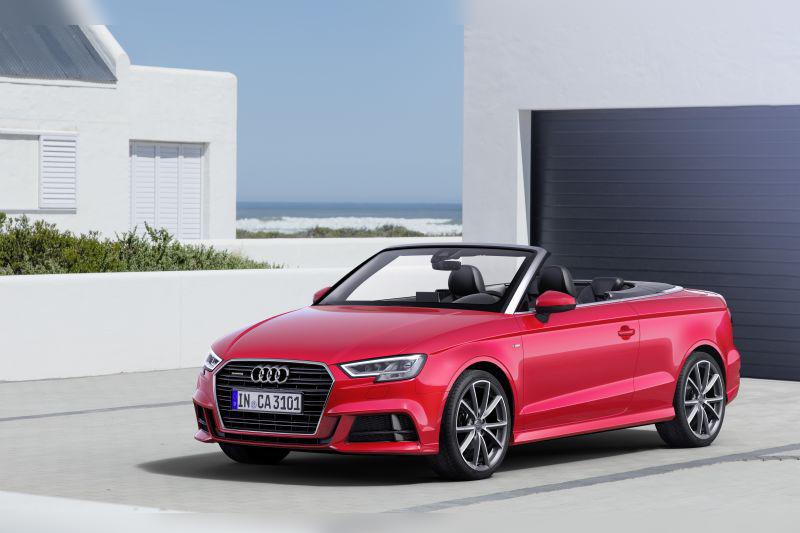
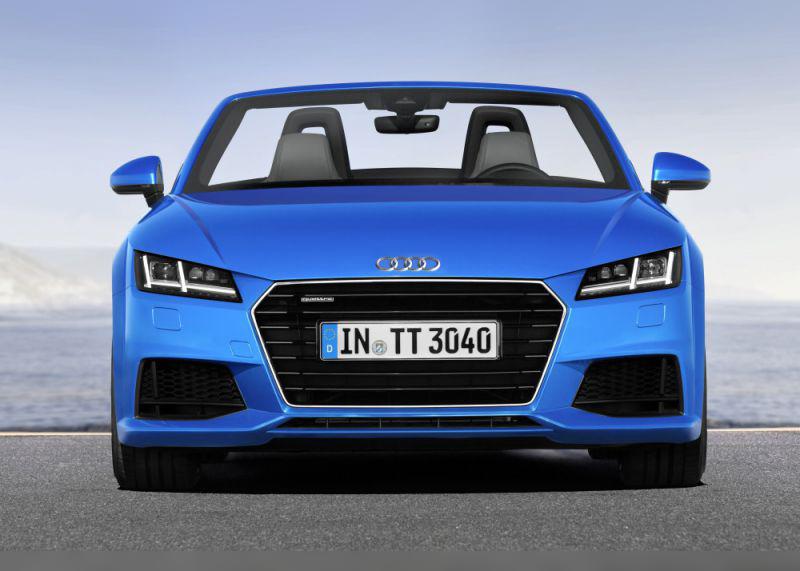
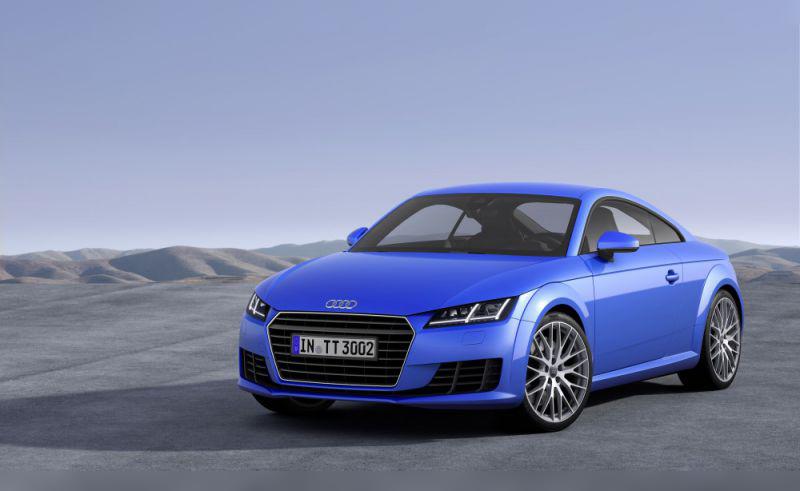
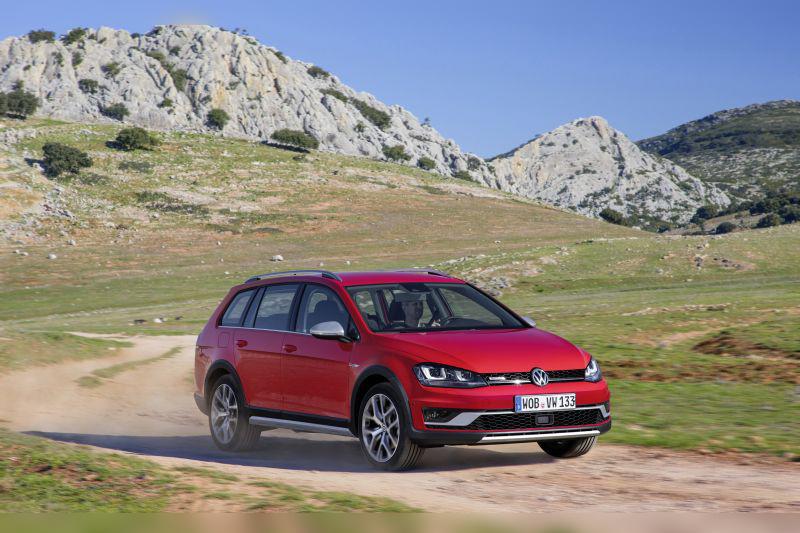
The engine with the code CUNA belongs to the modern EA288 family of the Volkswagen Group. This is the most powerful version of the 2.0 TDI engine with a single turbo (before moving to the Bi-Turbo 240 HP variants). It was installed in more premium C-segment models and sporty coupés such as the Audi A3, Audi TT and VW Golf (in GTD and Alltrack versions).
Unlike the older PD (Pumpe-Düse) engines, and even the first generation of Common Rail, the CUNA engine was designed to meet strict Euro 6 standards, which means it is equipped with complex exhaust after-treatment systems. Its main characteristic is an excellent balance between performance and efficiency, but this sophistication also brings potentially higher maintenance costs as mileage increases.
Technical specifications
| Parameter | Value |
|---|---|
| Displacement | 1968 cc (2.0 L) |
| Power | 135 kW (184 HP) at 3500–4000 rpm |
| Torque | 380 Nm at 1750–3250 rpm |
| Engine code | CUNA |
| Injection type | Common Rail (Bosch solenoid or Piezo, depending on revision) |
| Charging | Variable-geometry turbocharger (VGT) + intercooler |
| Camshaft drive | Timing belt |
Reliability, maintenance and failures
Timing belt or chain?
The CUNA engine uses a timing belt to drive the camshafts. The factory replacement interval is often optimistically set at 210,000 km. However, real-world experience and feedback from workshops across Europe suggest caution. It is recommended to do the “major service” (replacement of belt, tensioner, rollers and water pump) at 150,000 to 180,000 km or at the latest after 5 to 7 years of age, whichever comes first. A snapped belt leads to catastrophic engine damage (pistons and valves “colliding”).
Most common failures and symptoms
Although the EA288 series is reliable, the CUNA has a few specific issues:
- Variable-flow water pump: This is the most common problem. The pump has a sleeve that moves over the impeller to speed up engine warm-up. This mechanism often gets stuck, which causes the engine to overheat under load, while at idle the temperature drops. The solution is to replace the pump.
- Oil consumption: Specific to the CUNA (and related CUPA) engine, there are a larger number of reported cases of increased oil consumption due to issues with oil control rings or cylinder ovality at higher mileage.
- Coolant leaks: Often occur at the thermostat housing or the EGR cooler. The symptom is loss of coolant without visible traces under the car (because the coolant evaporates on the hot block or goes into the exhaust).
Oil: quantity and grade
This engine takes approximately 4.7 to 5.7 liters of oil (depending on the shape of the oil pan and whether the filter is changed). It is mandatory to use oil that meets the VW 504.00 / 507.00 specification. The most commonly recommended viscosity is 5W-30, although 0W-30 is increasingly promoted for environmental reasons.
Does it burn oil? Unfortunately, CUNA engines are more notorious for oil consumption than the lower-powered versions (150 HP). Consumption of 0.5 liters per 1,000 km is considered “acceptable” by factory standards, but in reality a healthy engine should not consume more than 0.5 to 1 liter between two minor services (10–15 thousand km). If you have to top up a liter every 2,000 km, the engine likely has an issue with the piston rings.
Injector lifespan
The CUNA uses sophisticated injectors operating at pressures up to 2,000 bar. They are generally durable and can last over 200,000–250,000 km with good-quality fuel. The first symptoms of failure are rough running on cold start, increased fuel consumption or smoke. Refurbishment is possible, but replacing them with new units is expensive (depends on the market, but expect a high cost per injector).
Specific parts (costs) and emissions
Dual-mass flywheel
Yes, this engine always has a dual-mass flywheel (DMF), regardless of whether it is paired with a manual or automatic (DSG) gearbox. Given the high torque of 380 Nm, the flywheel is under heavy load. Symptoms of failure include a metallic “rattling” noise when switching off the engine or vibrations in the clutch pedal/at idle.
Turbocharger
The engine has a single turbocharger with variable geometry. It is not prone to premature failure if the engine is properly maintained (regular oil changes) and allowed to cool down after spirited driving. Its lifespan is usually equal to that of the engine, but the geometry actuator can seize up due to soot, resulting in loss of power (“limp mode”).
DPF, EGR and AdBlue system
As a Euro 6 engine, the CUNA is packed with emissions equipment:
- DPF filter: Standard equipment. If the car is driven mostly on open roads, it rarely causes issues before 250,000 km. City driving clogs it quickly.
- EGR valve: There are two recirculation circuits (high and low pressure). The EGR cooler is prone to cracking or clogging with soot.
- AdBlue (SCR): Yes, this engine uses AdBlue fluid to reduce NOx emissions. This is a frequent source of headaches. The heater in the AdBlue tank or the pump can fail, which is an expensive repair (depending on the market, the entire module is often replaced). If the system fails, the car will refuse to start after a certain number of kilometers.
Fuel consumption and performance
Real-world fuel consumption
- City driving: Expect between 7.0 and 8.5 l/100 km. Quattro drive and a heavier body (e.g. Golf Alltrack) push this figure closer to the upper limit.
- Country roads: This is where the engine shines, with consumption dropping to 4.5 to 5.5 l/100 km.
- Motorway (130 km/h): Consumption is around 5.5 to 6.5 l/100 km.
Performance and driving feel
Is the engine sluggish? Absolutely not. With 380 Nm available from just 1,750 rpm, this engine pulls hard. Even in heavier bodies such as the Golf Alltrack or Audi A3 Cabrio with Quattro drive, in-gear acceleration is excellent. On the motorway, at 130 km/h in top gear (6th or 7th), the engine spins at a low 2,000 to 2,200 rpm, making the drive quiet and economical.
Additional options and modifications
Remapping (Stage 1)
The CUNA engine responds very well to software tuning (remap). A safe Stage 1 raises power to about 215–225 HP and torque to 440–450 Nm.
Warning: Although the engine can handle it, the increased power puts additional stress on the DPF (it fills up faster), the dual-mass flywheel and the turbocharger. On models with a DSG gearbox, it is often necessary to remap the gearbox as well, so that clutch pressure is adapted to the higher torque.
Gearbox
Types of gearboxes
The following are most commonly paired with this engine:
- 6-speed manual gearbox: Robust and precise.
- 6-speed DSG (DQ250): “Wet” gearbox, very reliable.
- 7-speed DSG (DQ381): Newer generation “wet” gearbox installed in later facelift models (usually from 2017/2018).
Gearbox maintenance and failures
With the manual gearbox, the only regular major expense is the clutch kit and dual-mass flywheel. Replacement is expensive (depends on the market), but it is done rarely (every 150k–200k km).
With DSG gearboxes (S-tronic), it is crucial to change the oil and filter every 60,000 km. If this is followed, the gearboxes can easily exceed 300,000 km. Failures include the mechatronic unit (the gearbox “brain”) or clutch pack wear if the car has been driven aggressively or remapped. Symptoms are juddering when setting off or delayed gear changes.
Buying used and conclusion
What to check before buying?
- Cold start: The engine should start immediately, without long cranking and without a cloud of white or blue smoke. Rough running in the first minute points to bad injectors.
- Coolant: Check the coolant reservoir. If the level is below minimum or there are limescale marks around the tank, suspect the water pump or EGR cooler. The coolant should be clean (G13, purple), never brown.
- Rattling noises: Listen for sounds from the gearbox area while the car is idling. Rattling that disappears when you press the clutch (on manuals) is a sign of a worn flywheel.
- Diagnostics: Always check DPF status (ash loading) and injector values.
Final conclusion
The 2.0 TDI CUNA (184 HP) engine is a fantastic piece of engineering that offers hot-hatch performance with the fuel consumption of a regular diesel. It is intended for drivers who spend a lot of time on open roads and appreciate having power in reserve.
However, it is not ideal for city-only driving due to the sensitive DPF/EGR/AdBlue system. If you are buying a used example with more than 150,000 km, have a budget set aside for a potential dual-mass flywheel replacement, major service and resolving water pump issues. If the car has been regularly maintained, it will serve you for years with a big smile on your face.
Was this content useful to you?
Your opinion helps us to improve the quality of the content.