DGTE Engine
- Engine
- 1598 cm3
- Aspiration
- Turbocharger, Intercooler
- Fuel
- Diesel
- Fuel injection system
- Diesel Commonrail
- Power
- 116 hp @ 3250 rpm
- Torque
- 250 Nm
- Cylinders
- 4
- Valves
- 16, 4 per cylinder
- Cylinders position
- Inline
- Oil capacity
- 4.7 l
- Coolant
- 8 l
- Systems
- Particulate filter
# Vehicles powered by this engine
1.6 TDI (DGTE) 116 HP – Experiences, Problems, Fuel Consumption and Used Car Buying Guide
Key points (TL;DR)
- Sweet spot: DGTE is a modern version of the 1.6 TDI engine (EA288 series) that offers an excellent balance between fuel consumption and power for everyday use.
- AdBlue system: Unlike older 1.6 TDI models, this engine almost always comes with an SCR (AdBlue) system, which adds a layer of complexity and potential failures (heaters, pumps, urea injectors).
- Water pump: A known weak point of this engine generation. The electronically controlled valve can get stuck and cause overheating.
- DSG gearbox (S tronic): Paired with the DQ200 gearbox with “dry” clutches. Although fast, it requires a check of the mechatronics and clutch before purchase.
- Reliability: Generally a very reliable unit if serviced regularly and driven on open roads as well, so the DPF can do its job.
- Performance: With 116 HP and 250 Nm it’s no sports car, but it’s not sluggish either. Quite sufficient for A3, Q2 and T-Roc bodies.
Contents
Introduction and applications
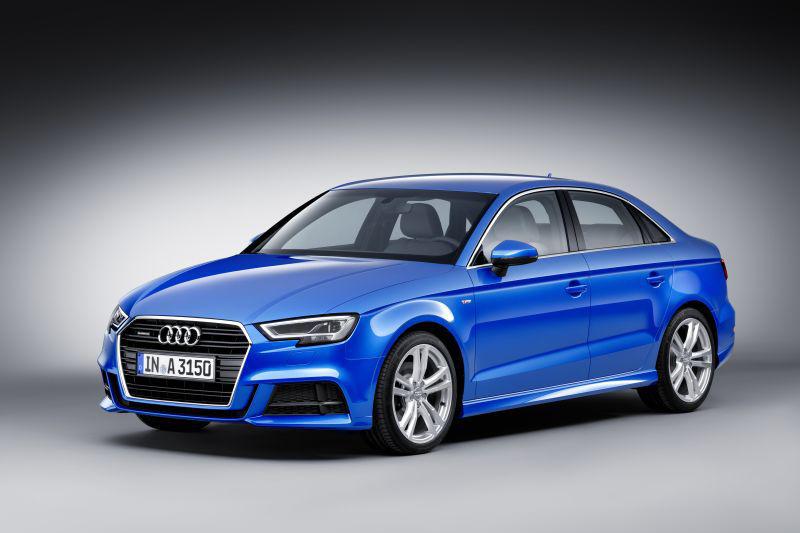
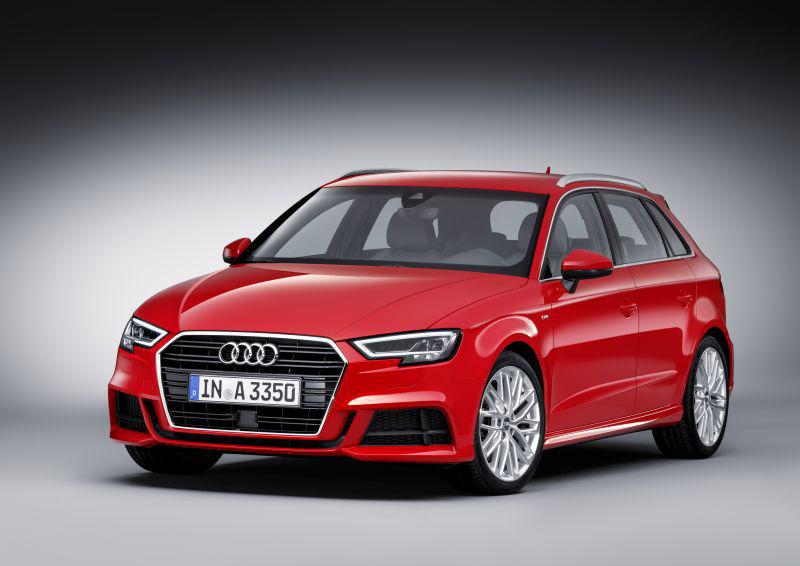
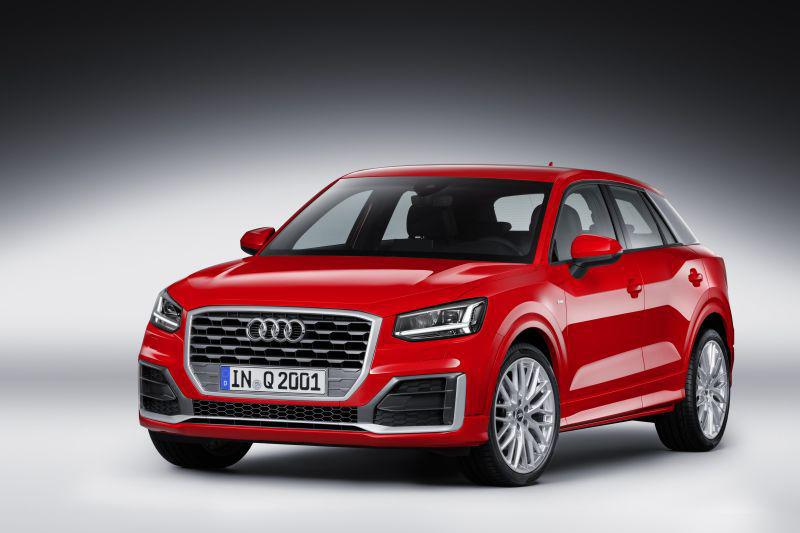
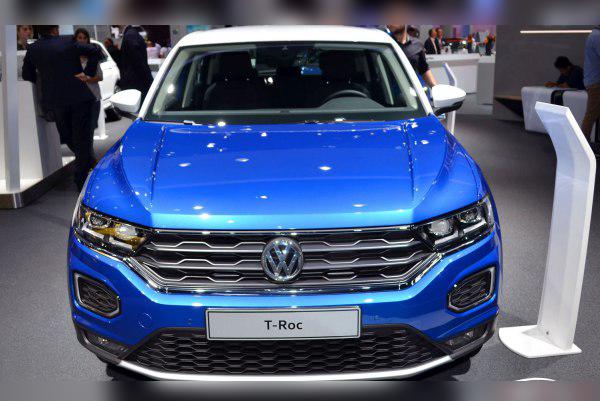
The engine with the code DGTE is one of the most refined versions of Volkswagen’s popular 1.6 TDI unit. It belongs to the EA288 engine family and is designed to meet strict Euro 6 standards (including Euro 6d-TEMP), which is why it is equipped with advanced exhaust aftertreatment systems. It is installed in models such as the Audi A3 (8V Facelift), Audi Q2 and the popular crossover VW T-Roc.
This is an engine chosen by drivers who cover high mileage and want minimal fuel consumption with decent driving dynamics. Although it shares displacement with the old 1.6 TDI engines, DGTE brings significant improvements in the injection system, thermal management and acoustics.
Technical specifications
| Specification | Data |
|---|---|
| Engine code | DGTE |
| Displacement | 1598 cc (1.6 L) |
| Power | 85 kW (116 HP) at 3250–4000 rpm |
| Torque | 250 Nm at 1500–3200 rpm |
| Fuel type | Diesel (Common Rail) |
| Induction | Variable-geometry turbocharger (VGT), intercooler |
| Number of cylinders / valves | 4 / 16 |
| Emissions standard | Euro 6 (usually with SCR/AdBlue system) |
Reliability and maintenance
Timing belt or chain?
The DGTE engine uses a timing belt to drive the camshafts. This is good news because the system is quieter and generally more predictable than a chain. The factory replacement interval is often listed at an optimistic 210,000 km, but real-world experience and mechanics say otherwise. The recommendation is to do the major service between 150,000 km and 180,000 km, or every 5 to 7 years of vehicle age, whichever comes first. A snapped belt leads to catastrophic engine damage.
Most common issues
Although the EA288 series is reliable, the DGTE has a few specific problems:
- Water pump: This is the most common issue. The pump has a movable “shield” that regulates coolant flow for faster engine warm-up. This mechanism often gets stuck, which leads to engine overheating. The symptom is coolant temperature jumping above 90°C.
- Oil leaks: Sometimes leaks appear at the crankshaft seal or on the valve cover.
- Exhaust gas temperature sensors: They can fail, which triggers the “Check Engine” light and can prevent DPF regeneration.
Oil and service intervals
This engine takes approximately 4.7 liters of oil. It is mandatory to use oil that meets the VW 507.00 specification. The recommended grade is usually 5W-30 or the newer 0W-30. Minor service (oil and filter change) should be done every 10,000 km to 15,000 km (or once a year), never at “Long Life” intervals of 30,000 km if you want to preserve the turbo and the engine.
As for oil consumption, this engine is not known as a heavy oil burner. It is normal to consume up to 0.5 liters per 10,000 km, especially if driven more aggressively on the motorway. Anything over 1 liter between services requires inspection (piston rings or turbo).
Injectors
The injection system is Common Rail (Bosch or Delphi, depending on the series). Injectors on the DGTE engine have proven to be much more durable than on the old 1.6 TDI (EA189) engines. With good-quality fuel and regular fuel filter changes, they easily last 200,000 to 250,000 km. Symptoms of bad injectors are rough idle (“knocking”), increased smoke under acceleration and harder starting.
Specific parts and costs
Dual mass flywheel
Yes, in most cases this engine has a dual mass flywheel, especially in 116 HP variants with the S tronic gearbox. It is also common with manual gearboxes. This is a wear item that usually lasts between 150,000 and 200,000 km. The cost of replacing the clutch kit with the flywheel is considered high (depends on the market).
Turbocharger
The engine uses a single variable-geometry turbocharger (VGT). Turbo lifespan is directly related to oil quality and regular changes. It is generally very reliable and rarely fails before 200,000 km, unless the engine is switched off immediately after hard driving. Whistling or a sudden loss of power (safe mode) are the first signs of trouble.
Emissions: DPF, EGR and AdBlue
This is a key area for the DGTE engine. Since it is installed in the T-Roc and facelift A3, it has to meet strict standards.
- DPF filter: Standard equipment. If you only drive in the city, it will clog. You need to regularly take the car out on open roads.
- EGR valve: Prone to soot build-up. The EGR cooler can fail and let coolant into the engine (coolant level dropping without visible leaks under the car).
- AdBlue (SCR): Yes, DGTE engines use AdBlue fluid. The system consists of a tank, pump, heaters and a urea injector. This is a frequent source of problems – AdBlue tank heaters can burn out, and the dosing injector can crystallize (“clog”) from urea. Repairs to this system can be very expensive (depends on the market), so SCR system diagnostics before purchase are a must.
Fuel consumption and performance
Real-world fuel consumption
- City driving: Expect between 6.0 and 7.0 l/100 km. In heavy stop-and-go traffic it can go up to 7.5 liters, especially in heavier models like the T-Roc or Q2.
- Country roads: This is where the engine shines. Consumption drops to 4.0 to 4.5 l/100 km.
- Motorway (130 km/h): Consumption is around 5.0 to 5.8 l/100 km, depending on load and vehicle aerodynamics.
Is the engine “lazy”?
With 250 Nm of torque available from just 1500 rpm, the engine is not lazy in everyday driving. It feels lively in the city. However, in models like the T-Roc or Q2, when the car is fully loaded with passengers and luggage, you will feel a lack of power when overtaking uphill. For the average driver it is more than adequate, but don’t expect sports-car performance.
Motorway driving
The engine is perfectly capable of long journeys. At 130 km/h in the highest gear (6th with the manual or 7th with S tronic), the engine spins at a comfortable 2200–2400 rpm. Cabin noise is minimal.
Additional options and modifications
Remapping (Stage 1)
This engine has solid potential for software tuning. A Stage 1 remap can safely raise power to around 140–145 HP and torque to 300–320 Nm. This significantly changes the character of the car and makes overtaking easier.
Note: Before remapping, always check the condition of the clutch and flywheel, as the increased torque accelerates their wear. Also, pay attention to the DPF – a poor map can quickly destroy it.
Gearbox
Gearbox variants
There are two main options paired with the DGTE engine:
- Manual gearbox (5 or 6 speeds): Most 116 HP models come with a precise 6-speed gearbox.
- Automatic S tronic / DSG (7 speeds): This is the DQ200 model.
Gearbox problems
The manual gearbox is robust and rarely causes issues. You only need to change the oil regularly (recommended every 100,000 km, even though the factory claims it is “lifetime”).
S tronic (DQ200): This is a gearbox with a dual dry clutch. Although fast and efficient, it is less durable than the “wet” DSG gearboxes paired with 2.0 TDI engines.
Most common DQ200 issues:
- Clutch plate wear (symptom: slipping or jerking when setting off).
- Mechatronics failure (control unit), which is a very expensive repair (depends on the market).
The gearbox oil (in the gear section) and hydraulic oil in the mechatronics should be changed every 60,000 km to extend its lifespan, even though VW often does not list this as mandatory for this model.
Buying used and conclusion
When buying a used car with the DGTE engine, pay attention to the following:
- Cold start: Listen to the engine when it is cold. Uneven running can indicate injector issues.
- Flywheel noise: A metallic “rattling” sound when switching off the engine or a change in sound when pressing the clutch pedal indicates a worn dual mass flywheel.
- Coolant: Check the coolant level and color. Look for traces of leaks around the water pump. Make sure the coolant reservoir is clean (no oil).
- AdBlue history: Ask the seller if there have been any problems with the AdBlue system and check the system status with diagnostics.
- DSG test: If it’s an automatic, test hill starts without throttle and hard accelerations. Any jerking is a red flag.
Conclusion: The 1.6 TDI (DGTE) is an ideal engine for the average European driver. It is powerful enough for family use in an A3 or T-Roc, and extremely economical. If you drive more than 15,000 km per year, it is a smart purchase. However, be prepared for potential maintenance of the AdBlue system and water pump, as well as flywheel costs at higher mileage.
Was this content useful to you?
Your opinion helps us to improve the quality of the content.