CPWA Engine
- Engine
- 1395 cm3
- Aspiration
- Turbocharger
- Fuel
- Petrol / CNG
- Fuel injection system
- Direct injection
- Power
- 110 hp
- Torque
- 200 Nm
- Cylinders
- 4
- Valves
- 16, 4 per cylinder
- Cylinders position
- Inline
- Valvetrain
- DOHC
- Oil capacity
- 4 l
- Coolant
- 10.2 l
- Systems
- Start & Stop System
# Vehicles powered by this engine
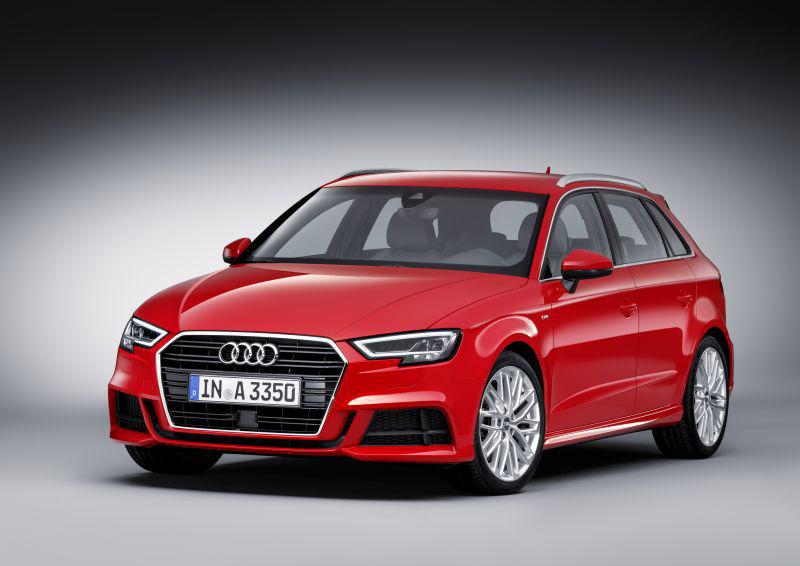
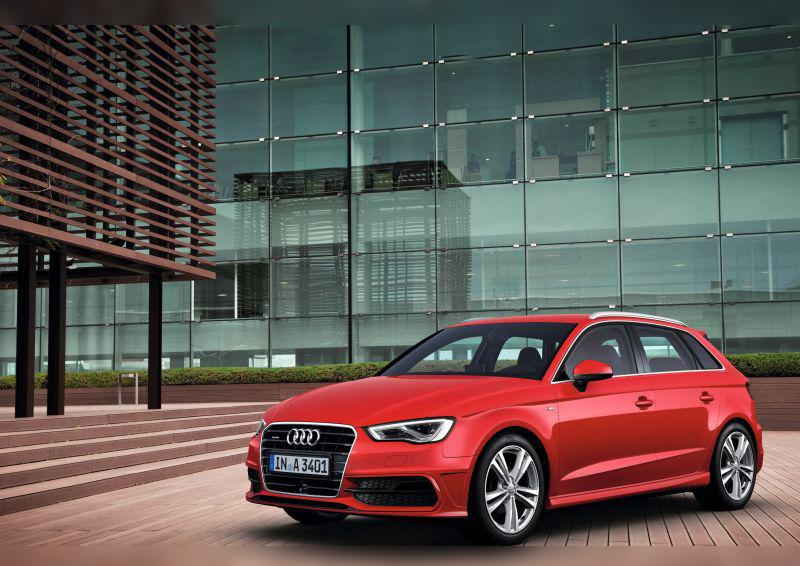
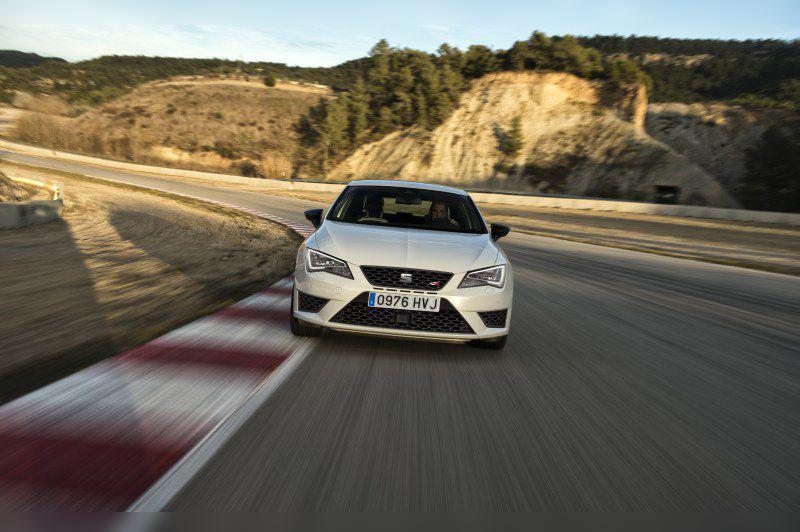
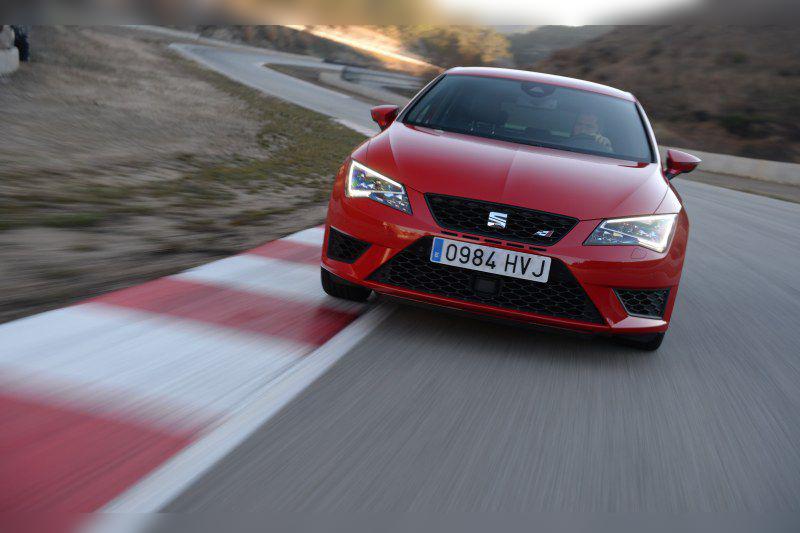
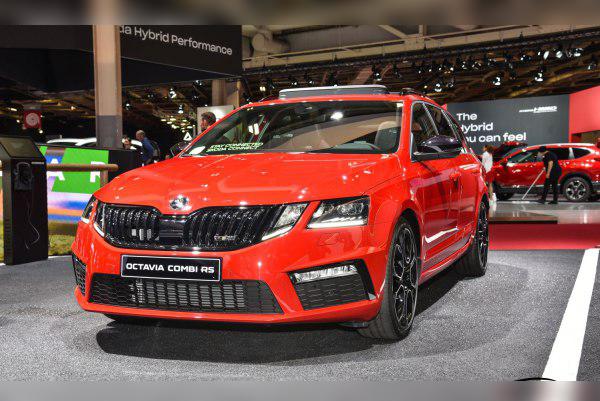
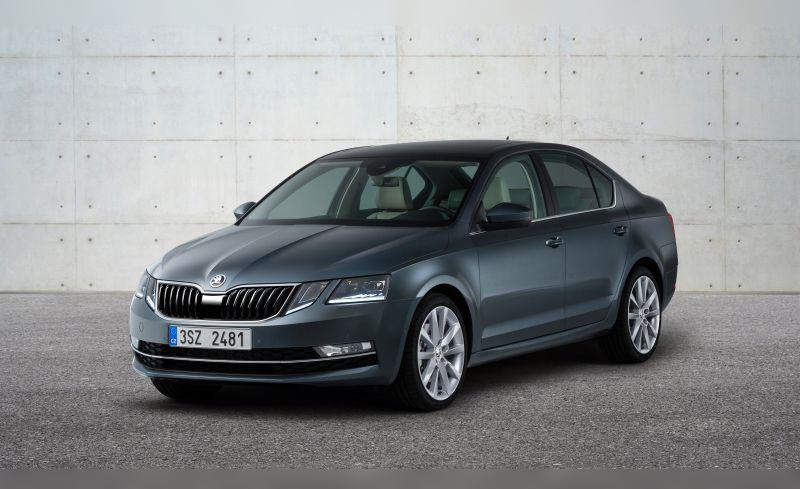
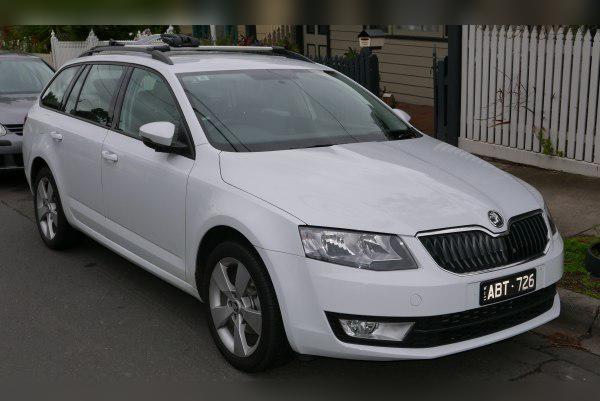
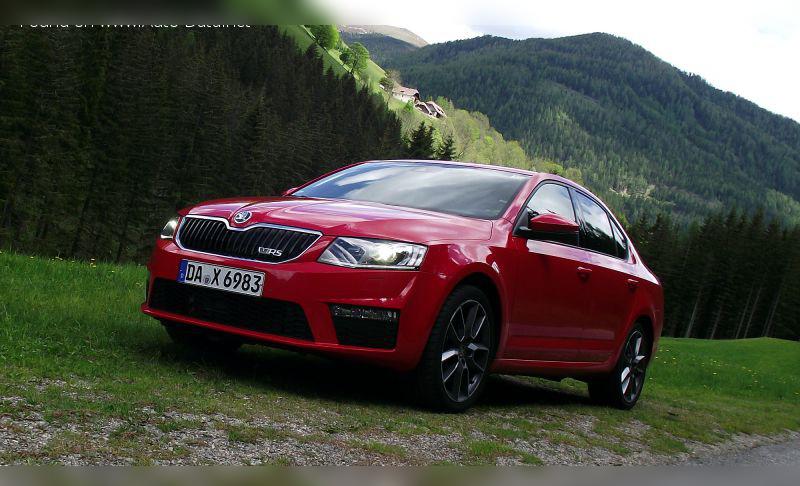
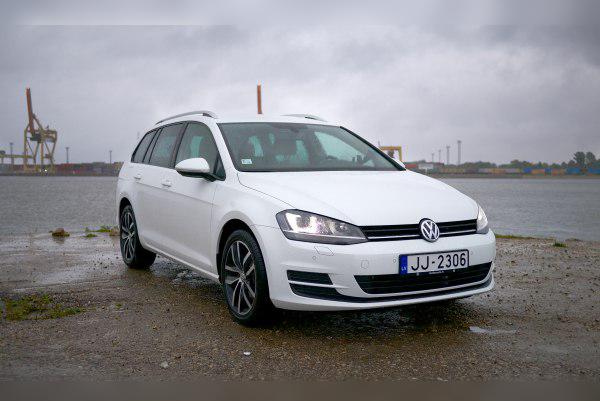
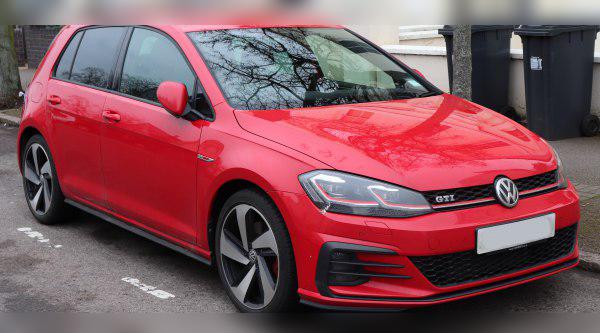
1.4 TGI / G-TEC (CPWA) – Experiences, issues, fuel consumption and buying used
Key points (TL;DR)
- CNG drive: This is a factory bi‑fuel engine designed to primarily run on CNG, which results in extremely low running costs.
- Timing belt: Unlike older 1.4 TSI chain-driven engines, this EA211-series engine uses a timing belt, which is more reliable and quieter.
- Range: The CPWA variant is specific because (in most models before 2018) it keeps a full-size petrol tank (50L) alongside the CNG tanks, which gives a huge total range (over 1000 km).
- Reduced boot space: Because the CNG tanks are mounted under the floor, the boot is smaller by about 100–150 litres compared to standard models.
- DQ200 DSG gearbox: If you choose an automatic, it’s a 7‑speed DSG with “dry” clutches, which requires caution when buying and a check of the mechatronics.
- Registration and inspection costs: Keep in mind that the tanks have a service life (usually 20 years) and the system requires periodic inspections (depends on the law in your country).
- Ideal use case: Excellent for taxi drivers and people who cover high mileages on open roads.
Contents
- Introduction and use cases
- Technical specifications
- Reliability and maintenance
- Specific parts (costs)
- Fuel consumption and performance
- Additional options and modifications
- Gearbox (manual and DSG)
- Buying used and conclusion
Introduction and use cases
The engine with the code CPWA belongs to Volkswagen’s modern EA211 engine family. This is not an aftermarket LPG/CNG conversion, but factory engineering. The cylinder head, valves, valve seats and turbocharger are modified to withstand the higher combustion temperatures generated by compressed natural gas (CNG).
It was installed in the most popular VW Group models (Golf 7, Octavia 3, Leon, A3) and represented the “sweet spot” for those who want the eco-friendliness and economy of a diesel, but without the noise and DPF issues. Its biggest advantage over later 1.5 TGI engines is that CPWA models often have a full-size petrol tank, while newer models only have a small “emergency” tank.
Technical specifications
| Feature | Data |
|---|---|
| Engine displacement | 1395 cc (1.4 litres) |
| Power | 81 kW (110 hp) at 4800–6000 rpm |
| Torque | 200 Nm at 1500–3500 rpm |
| Engine code | CPWA |
| Fuel type | Petrol / CNG (methane) |
| Charging | Turbocharger |
| Injection | Direct injection (TSI/TGI) |
| Cylinder layout | Inline 4‑cylinder |
Reliability and maintenance
Timing belt or chain?
This is a key question for every used VW petrol buyer. Fortunately, the CPWA engine (as part of the EA211 series) uses a timing belt. This is a big step forward compared to the older EA111 engines (1.4 TSI with 122/160 hp) which had problematic chains. The belt on this engine is durable, quiet and cheaper to replace as part of the major service.
Most common failures
Although the mechanical base of the engine is very reliable, there are specific issues related to the CNG system:
- Gas pressure regulator (reducer valve): This is an electro‑mechanical device that reduces the pressure from the tanks (200 bar) to the working pressure for the injectors. It can start leaking or the electronics can fail. Symptoms are difficult switching to CNG, buzzing noises or a smell of gas. Replacement is expensive (depends on the market).
- CNG tank corrosion: The tanks are steel (on older models) or composite (on newer Audi/Golf models). Steel tanks are prone to corrosion from underneath. Always inspect them on a lift! If they are corroded, you will fail the technical inspection / CNG certification.
- Turbo actuator (wastegate): It can seize, which leads to loss of power and a “Check Engine” light (EPC fault). It often has to be replaced together with the turbo or refurbished.
Major service
The factory recommendation is often optimistic (e.g. 210,000 km for belt inspection), but real‑world experience and mechanics’ advice call for caution. The recommendation is to do a major service (timing belt, tensioner and water pump replacement) every 160,000–180,000 km, or every 5–7 years, whichever comes first. The water pump is integrated into the thermostat cooling module on the opposite side of the engine (driven by a small toothed belt), so it is replaced as well.
Oil: quantity, grade and consumption
The engine takes approximately 4.0 litres of engine oil. The recommended grade is 5W‑30 or 0W‑20 (must meet VW 502.00 / 504.00 specification). As for oil consumption, EA211 engines are drastically better than their predecessors. Consumption of 0.5 to 1 litre per 10,000 km is considered normal, especially if the car is driven mostly on motorways. If it uses more than that, there may be issues with piston rings or the turbo.
Spark plugs and injectors
Since the engine runs on CNG, which burns at higher temperatures, the spark plugs are under higher stress. It is recommended to replace them every 40,000 to 60,000 km. Use only spark plugs designed for TGI/CNG engines (they are often more expensive than standard ones).
Regarding the petrol injectors, they are direct‑injection. They can get dirty if the car is driven exclusively on CNG for years, because petrol does not “rinse” the system regularly. The recommendation is to occasionally (e.g. once a month) drive about 20 km on petrol only to clean the system.
Specific parts (costs)
Dual‑mass flywheel
Yes, most models with the CPWA engine have a dual‑mass flywheel. Although the 200 Nm torque figure is relatively modest, the dual‑mass flywheel serves to neutralise vibrations and improve comfort. On manual gearboxes it usually lasts a long time (often over 200,000 km), but when it does need replacement, it falls into the expensive category (depends on the market).
Turbocharger
The engine has a single turbocharger, specifically developed for this engine (a smaller turbo for quicker response). Its lifespan is generally good and follows the life of the engine with regular oil changes. It is not prone to sudden failures like older diesels, apart from the mentioned actuator (wastegate) issue.
DPF, EGR, AdBlue
This is a petrol/CNG engine, so:
- There is no DPF filter (it may have a GPF on the very latest model years, but CPWA generally doesn’t).
- No AdBlue fluid.
- It has a catalytic converter which is very expensive because it contains precious metals needed to clean methane exhaust gases.
- The EGR valve is not as problematic as on diesels because methane combustion produces much less soot, so the valve doesn’t clog as easily.
Fuel consumption and performance
Real‑world consumption and economy
This is the strongest selling point of this engine. CNG consumption is measured in kilograms (kg):
- City driving: 4.5–5.5 kg/100 km of CNG.
- Open road: 3.0–4.0 kg/100 km of CNG.
- Combined: Around 4.0 kg/100 km.
If you drive on petrol, consumption is about 6.5 to 8.0 l/100 km, which is perfectly acceptable.
Is the engine “sluggish”?
With 110 hp and 200 Nm available from just 1500 rpm, the engine is not sluggish for an average driver. In a Golf 7 or Octavia body, it provides perfectly adequate acceleration for city and highway driving. It’s not a sports engine, but turbo lag is minimal and it pulls nicely from low revs.
Behaviour on the motorway
The engine is very quiet and refined. At 130 km/h in 6th gear (or 7th on the DSG), the engine spins at about 2600–2800 rpm. This allows for quiet cruising. Overtaking on the motorway requires a downshift, but there is enough power to maintain 140–150 km/h without strain.
Additional options and modifications
Installing LPG?
Absolutely NO and unnecessary. The engine already has a factory‑fitted CNG system which is even more economical than LPG. Such a conversion would be technically pointless and practically unfeasible.
Chiptuning (Stage 1)
This engine can be remapped, but it is not recommended or must be done with great caution. The reason is the combustion temperature of CNG. More power means more heat, and the turbo and exhaust valves are already under high thermal load. The safe gain is small (maybe up to 125–130 hp), but you risk engine damage. It’s better to leave it in stock form.
Gearbox: manual and DSG
Types of gearboxes
- Manual: 6‑speed gearbox. Precise, light and very reliable.
- Automatic: 7‑speed DSG (code DQ200) with dry clutches.
DSG (DQ200) gearbox issues
This is a critical point. The DQ200 is known for its sensitivity. Since the clutches are “dry” (they don’t run in oil), they are more prone to overheating in city stop‑and‑go traffic. Symptoms of problems are juddering when taking off, harsh shifts from 1st to 2nd gear or a delay when engaging reverse.
The mechatronics unit (the “brain” of the gearbox) can also fail, and repairing it falls into the very expensive category (depends on the market). However, post‑2016 models have a revised version which is more reliable.
Clutch replacement and gearbox service
- Manual: Replacing the clutch kit and dual‑mass flywheel is costly (depends on the market), but it is done rarely. VW says the oil in the manual gearbox is “lifetime”, but the recommendation is to replace it at 150,000 km.
- DSG: Replacing the clutch pack is an expensive job. Although it’s a “dry” gearbox, it does have oil in the mechatronics and gearsets. Service recommendation is to change the oil in the mechatronics and gearbox every 60,000 km to extend its life, even if the factory sometimes claims otherwise.
Buying used and conclusion
Buying a used CPWA model is a numbers‑driven decision. If you drive more than 15,000 km per year, the fuel savings will quickly offset any potentially higher service costs.
What to check before buying?
- Tank certification and system paperwork: Ask for the documents. When do the tanks expire? (Service life is usually 20 years from the production date). Has the re‑certification been done?
- Condition of the tanks: Look under the car (remove the plastic cover if possible). If the tanks are metal and heavily corroded, walk away from that car or ask for a huge discount (tank replacement is very expensive).
- Operation on both fuels: The car must start on petrol (when cold) and switch to CNG seamlessly. If it jerks when switching, the pressure regulator or injectors are likely at fault.
- Cold start noise: Listen for rattling during the first 3 seconds. Even though it has a belt, the cam phaser can be heard.
- DSG check: If it’s an automatic, warm it up and test hill starts without throttle. It must not judder.
Conclusion
The 1.4 TGI/G‑TEC (CPWA) engine is probably the most rational powertrain the VW Group has made in the last decade. It offers petrol‑engine comfort, diesel‑like range (thanks to two fuel tanks) and running costs lower than any other fuel. It is ideal for taxi drivers, sales reps and families who love travelling. If you find a car with a properly maintained gas system and healthy tanks, it comes with a strong recommendation to buy.
Was this content useful to you?
Your opinion helps us to improve the quality of the content.