CUNA, DGCA Engine
- Engine
- 1968 cm3
- Aspiration
- Turbocharger, Intercooler
- Fuel
- Diesel
- Fuel injection system
- Diesel Commonrail
- Power
- 184 hp
- Torque
- 380 Nm
- Cylinders
- 4
- Valves
- 16, 4 per cylinder
- Cylinders position
- Inline
- Valvetrain
- DOHC
- Oil capacity
- 4.7 l
- Systems
- Particulate filter
# Vehicles powered by this engine
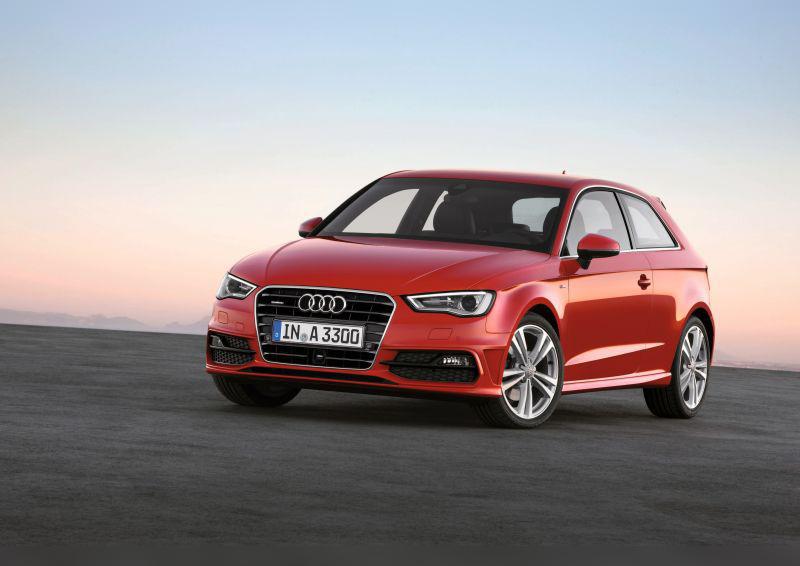
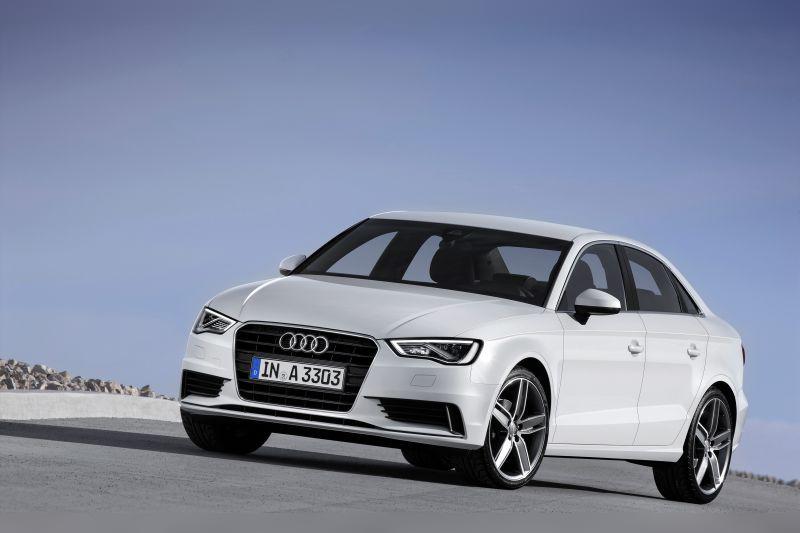
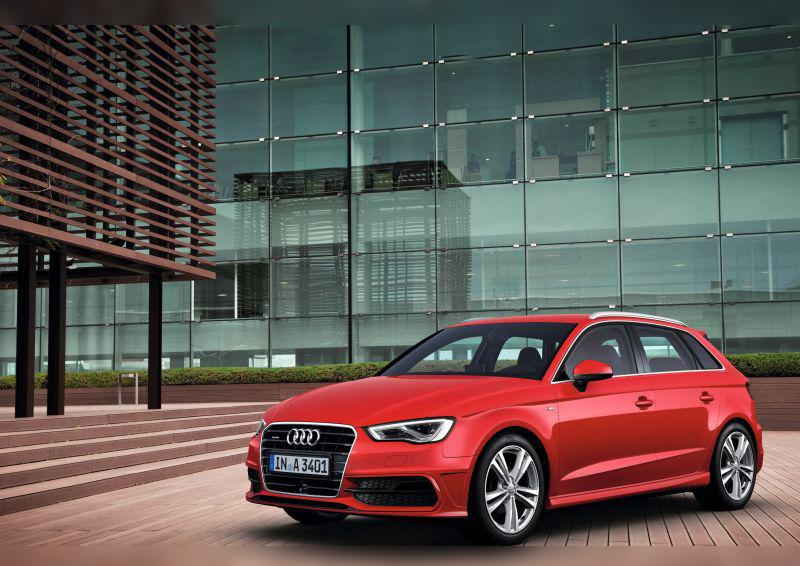
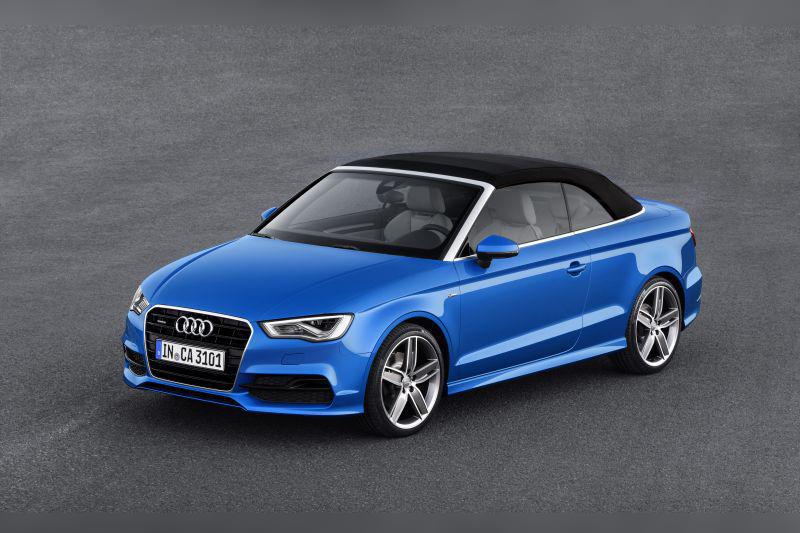
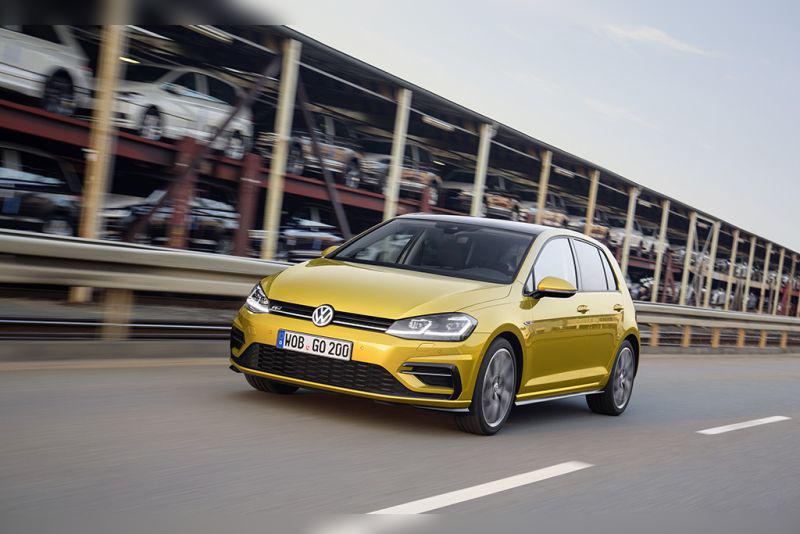
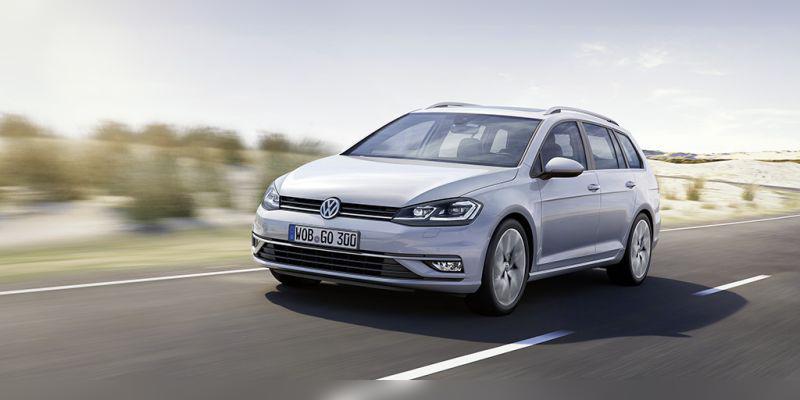
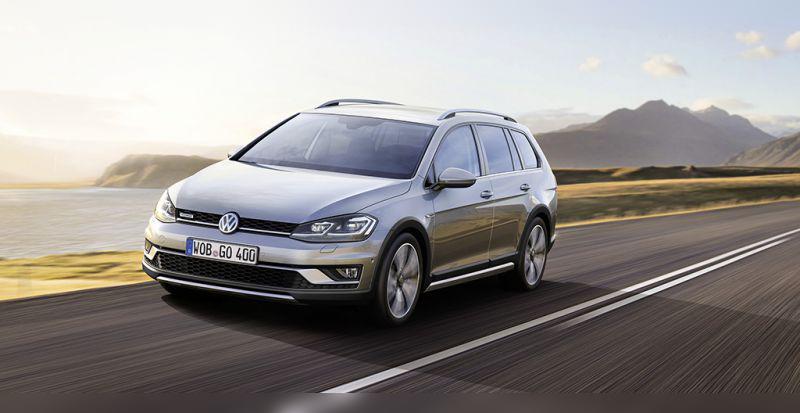
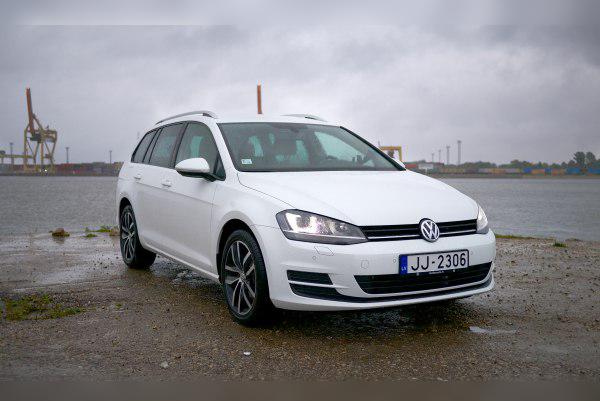
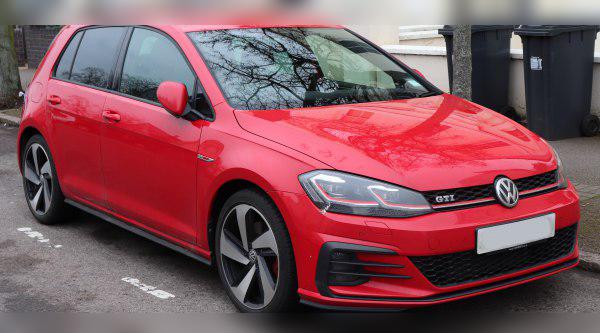
2.0 TDI (CUNA, DGCA) 184 HP: Experiences, problems, fuel consumption and buying used
If you’re looking for the “golden middle ground” between serious performance and low fuel consumption in the VAG world, you’re probably looking at the 2.0 TDI engine with 184 HP. These engines carry the codes CUNA and DGCA, and represent the peak of the four‑cylinder diesel range in models such as the VW Golf VII GTD and Audi A3 (8V). This is not the usual 150 HP 2.0 TDI that sales reps drive; this is an engine made for enthusiasts who cover big mileages.
However, higher power and stricter emission standards (Euro 6) bring more complex systems that can cause headaches for owners if not maintained properly. As someone who has spent years analyzing VAG engines, I’ll tell you honestly what to expect – no sugar‑coating.
Key points (TL;DR)
- Performance: With 380 Nm of torque, this is a true “highway cruiser”. Overtaking is easy and the engine is anything but “lazy”.
- Emissions: These engines (Clean Diesel label) use an AdBlue system which is a common source of failures (heaters, pumps).
- Cooling: The variable water pump is a well‑known weak point – watch out for coolant leaks or overheating.
- Gearbox: Usually comes with a wet‑clutch DSG which is reliable only if the oil is changed regularly (every 60,000 km).
- Fuel consumption: Considering the power, consumption is ridiculously low, but it can jump in city driving.
- Recommendation: Ideal for open road use. If you drive only in the city, the DPF and EGR will quickly become a problem.
Contents
- Technical specifications
- Reliability and maintenance
- Specific parts and costs
- Fuel consumption and performance
- Additional options and modifications
- Gearbox (DSG and manual)
- Buying used and conclusion
Technical specifications
| Parameter | Value |
|---|---|
| Engine displacement | 1968 cc (2.0 L) |
| Power | 135 kW (184 HP) |
| Torque | 380 Nm at 1750–3250 rpm |
| Engine codes | CUNA, DGCA |
| Injection type | Common Rail (piezo injectors) |
| Induction | Variable geometry turbocharger (VGT) + intercooler |
| Emission standard | Euro 6 (with AdBlue system) |
Reliability and maintenance
The CUNA/DGCA engine belongs to the EA288 family, which is significantly more modern and refined than the old PD (Pumpe‑Düse) engines, and even than the first Common Rail generations. Still, complexity comes with its own risks.
Timing belt or chain?
This engine uses a timing belt. That’s good news because modern belts are quieter and cheaper to replace than chains, which caused problems on older VAG engines. The oil pump is usually driven by a separate small in‑oil belt (“wet belt”) or a chain, depending on the exact revision, but the main timing drive is a conventional dry belt.
What are the most common failures?
Although the mechanical base (block, pistons, crankshaft) is extremely strong (“bulletproof”), the peripherals are problematic:
- Variable water pump: This is the “Achilles’ heel” of EA288 engines. The pump has a movable sleeve that regulates coolant flow to warm up the engine faster. That sleeve often sticks, which leads to engine overheating. Symptom: temperature climbs above 90°C or you’re losing coolant.
- Coolant leaks: Apart from the pump, the thermostat housing or EGR cooler can crack.
- Exhaust gas temperature sensors: They often fail, which triggers the “Check Engine” light and prevents DPF regeneration.
Major and minor service
The factory recommendation for timing belt replacement (major service) is often an optimistic 210,000 km. As an experienced editor, I advise you to ignore that. Replace the timing kit and water pump at a maximum of 150,000 to 160,000 km or every 5 to 7 years. The risk of catastrophic failure is too high to save money here. Always replace the water pump, even if it seems fine.
Oil: quantity and consumption
The engine takes approximately 4.7 to 5.5 liters of oil (depending on sump and filter size, always buy 6 liters). The recommended grade is 5W-30 or 0W-30 with the mandatory VW 507.00 specification (because of the DPF filter).
Does it burn oil? These engines are much “tighter” than the old TDI units. Consumption of up to 0.5 liters per 10,000 km is perfectly acceptable and normal, especially if driven aggressively on the highway. If it uses a liter every 2–3 thousand kilometers, you have a problem with piston rings or the turbo.
Injector lifespan
The piezo injectors on this engine are generally reliable and can last over 250,000 km with good‑quality fuel. However, they are sensitive to poor diesel. The first symptoms are rough idle (fluctuating revs), harder starting or increased smoke under sudden acceleration. Overhauling piezo injectors is often difficult or impossible, so they are usually replaced or exchanged for factory‑refurbished units.
Specific parts (costs)
When you buy a GTD or A3 with 184 HP, you must be prepared for premium‑level maintenance. Parts prices fall into the category: moderately expensive to expensive (depending on the market).
Dual mass flywheel
Yes, this engine has a dual mass flywheel (DMF), regardless of whether the gearbox is manual or automatic (DSG). Due to the high torque (380 Nm), the flywheel is under heavy load. Typical lifespan is around 150,000 – 200,000 km. Symptoms of failure are metallic noise (rattling) when switching the engine off and vibrations on the clutch pedal or in the cabin while idling.
Turbocharger
The engine uses a single variable geometry turbocharger. Its lifespan is long, often as long as the engine’s, provided the oil is changed regularly (every 10–15 thousand km, not 30 thousand as the factory suggests for LongLife). On some variants the turbo is integrated with the exhaust manifold, which can make replacement more expensive.
DPF, EGR and AdBlue
This is a critical section.
DPF (Diesel particulate filter): Standard equipment. If you drive mostly in the city, it will clog. You need open‑road driving for regeneration.
EGR valve: There are two EGR circuits (high‑ and low‑pressure). They tend to get clogged with soot. Cleaning is possible, but replacement is a more durable solution.
AdBlue (SCR): Yes, CUNA and DGCA engines are “Clean Diesel” and use AdBlue fluid. This is a common source of problems. The most frequent failures are the heater in the AdBlue tank or the dosing pump/injector itself. Repair often requires replacing the entire tank module, which is not cheap. Software‑disabling the AdBlue system is possible, but it makes the vehicle technically unroadworthy in most countries.
Fuel consumption and performance
City driving
In real‑world conditions, a Golf VII GTD or Audi A3 with this engine will use between 6.5 and 8.5 l/100 km in the city. If you have a heavy right foot or drive short distances in winter, expect up to 9 liters. Still, the start‑stop system (if you don’t switch it off) helps reduce consumption.
Is the engine “lazy”?
Absolutely not. With 184 HP and 380 Nm, this engine “plays” with the Golf or A3 body. 0–100 km/h takes about 7.5 seconds, which is in the territory of sports cars from a couple of decades ago. In‑gear acceleration is brutal – overtaking a truck on a country road takes the blink of an eye.
Motorway and cruising
This is the natural habitat of this engine. At 130 km/h in top gear, the engine spins at a low 2,000 – 2,200 rpm (depending on gearbox). The cabin is quiet, and fuel consumption is around 5.0 – 5.8 l/100 km. Top speed is over 230 km/h, and the engine can effortlessly maintain high cruising speeds (160+ km/h) for hours.
Additional options and modifications
Remapping (Stage 1)
The 2.0 TDI 184 HP is extremely tuning‑friendly.
Stage 1: It can be safely taken to about 220 HP and 440–460 Nm.
However, caution! If you have a manual gearbox, the clutch will wear out faster. If you have a DSG, it’s recommended to remap the gearbox as well (TCU tune) to increase oil pressure on the clutches and prevent slip due to the higher torque.
Gearbox (manual and DSG)
There are two types of transmissions paired with this engine, and both are excellent if maintained properly.
1. Manual gearbox (6‑speed)
Precise, with a short throw. Failures of the gearbox itself are rare. The biggest expense is the clutch kit with dual mass flywheel. Replacement is done when the clutch starts slipping or the flywheel starts knocking. It’s not a bad idea to change the oil in the manual gearbox at around 150,000 km, even though the factory calls it “lifetime”.
2. Automatic DSG gearbox (6 or 7‑speed)
Most pre‑facelift models (and early facelifts) come with the DQ250 (6‑speed) wet‑clutch gearbox. Later models (from 2017/2018, depending on the car) may have the DQ381 (7‑speed), also with wet clutches.
Maintenance: They require oil and filter changes every 60,000 km (DQ250) or 120,000 km (DQ381 – though I recommend earlier). If you skip this, the mechatronics unit will fail, and repairs are very expensive.
Failures: If maintained, a DSG lasts a long time. Symptoms of trouble are jerking when taking off, hesitation when shifting or a “thump” when engaging from P to D.
Buying used and conclusion
Before you pull out your money for an Audi A3 or Golf GTD with this engine, do the following:
- Cold start: The engine should start “on half a turn” and immediately idle smoothly. Listen for any noise from the oil pump chain or rattling from the flywheel.
- Coolant check: Look at the coolant reservoir. If the level is below minimum or you see traces of leaks around the engine (especially on the timing belt side), the water pump is probably due for replacement.
- Diagnostics: Always check the DPF status (how many grams of ash it has) and injector corrections (they shouldn’t be far out of spec). Check for any fault codes related to AdBlue heaters.
Conclusion: Who is it for?
The 2.0 TDI (184 HP) engine is a fantastic choice for drivers who spend a lot of time on the open road and want power in reserve for safe overtakes, without going broke at the fuel station. It’s an engine that offers a sporty feel with diesel economy.
However, if you plan to drive 90% of the time in city traffic (“from light to light”), avoid this engine. The AdBlue system, DPF and EGR will quickly generate costs that will wipe out any fuel savings. For the city, a petrol or hybrid is better; for everything else – the 2.0 TDI 184 HP is the king of its class.
Was this content useful to you?
Your opinion helps us to improve the quality of the content.