CPTA Engine
- Engine
- 1395 cm3
- Aspiration
- Turbocharger, Intercooler
- Fuel
- Petrol (Gasoline)
- Fuel injection system
- Direct injection
- Power
- 140 hp @ 5000 rpm
- Torque
- 250 Nm
- Cylinders
- 4
- Valves
- 16, 4 per cylinder
- Cylinders position
- Inline
- Valvetrain
- DOHC
- Oil capacity
- 4 l
- Coolant
- 8 l
- Systems
- Start & Stop System, Cylinder deactivation system
# Vehicles powered by this engine
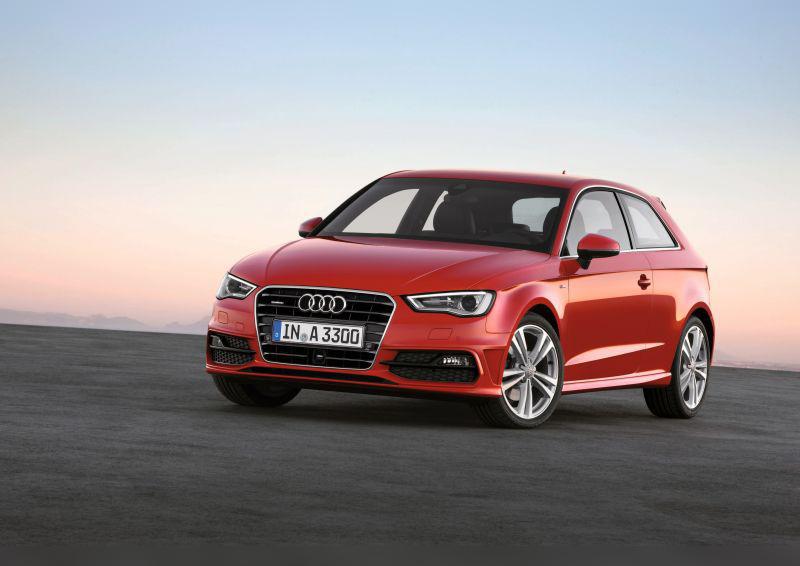
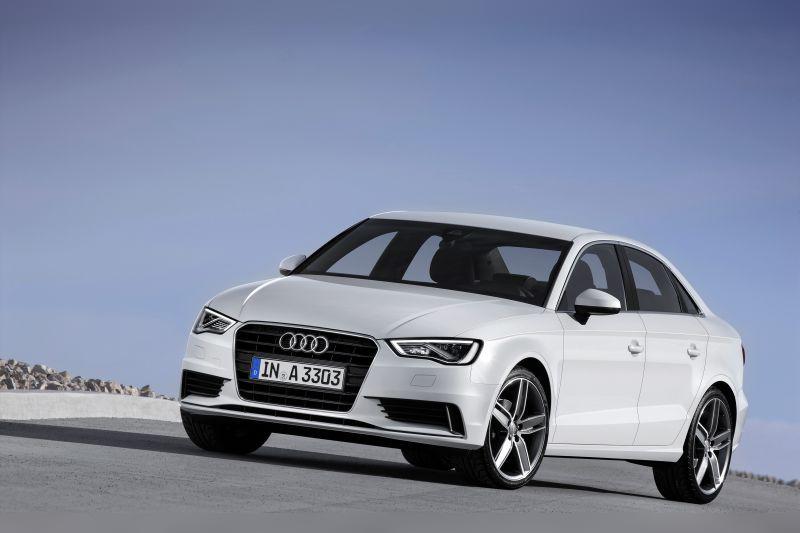
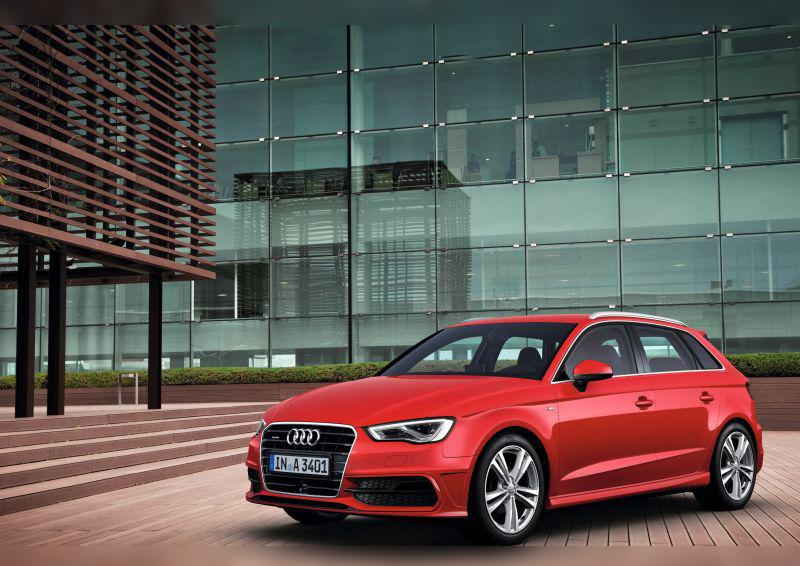
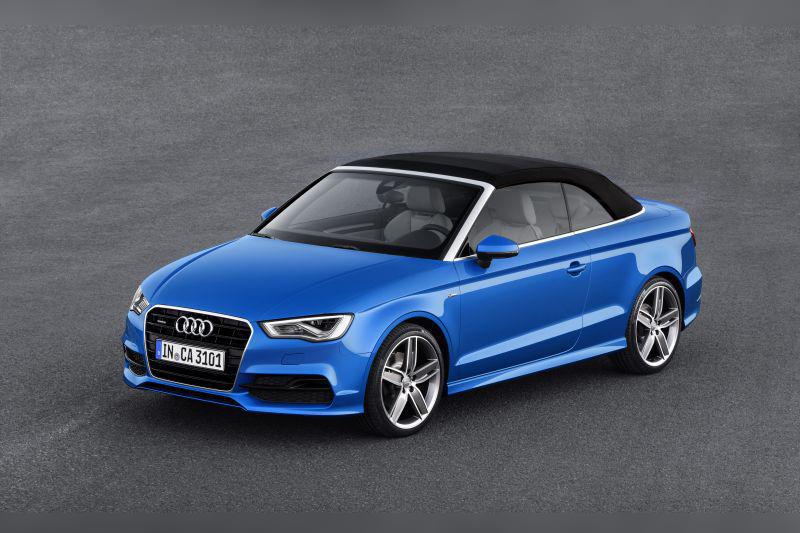
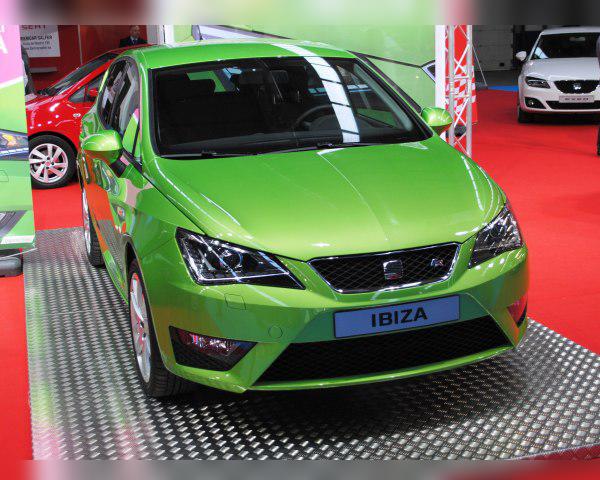
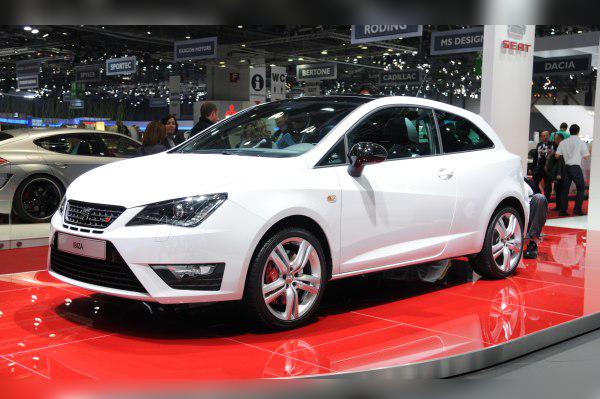

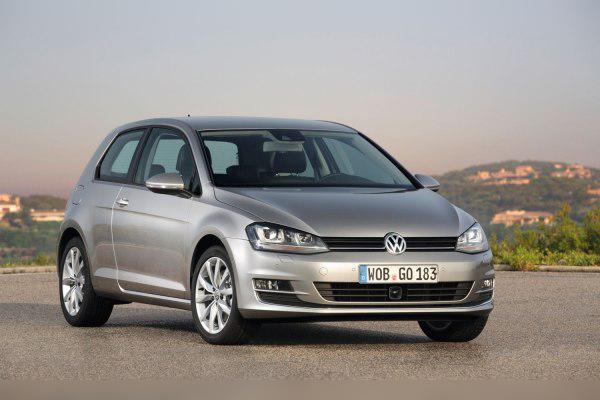
1.4 TSI / TFSI (CPTA) 140 HP: Experiences, issues, fuel consumption and used-car buying tips
If you’re looking for a modern petrol engine in a VW Golf 7, Audi A3 (8V) or Seat Ibiza, you’ve probably come across the 1.4 TSI (or TFSI in Audi) badge with 140 horsepower. This is not “that old” problematic chain-driven engine you read horror stories about on forums. This is the EA211 generation, the engine that restored trust in Volkswagen petrol units.
The distinctive feature of this engine (engine code CPTA) is the cylinder deactivation system, known as ACT (Active Cylinder Technology) in VW or CoD (Cylinder on Demand) in Audi. Is this a technology you should fear, or a lifesaver for your wallet? Read the detailed analysis below.
Key points in short (TL;DR)
- Timing drive: Uses a timing belt, not a chain. That’s excellent news – no more chain-stretch issues.
- ACT Technology: The engine shuts down cylinders 2 and 3 when there is little or no load. The system is surprisingly reliable and significantly reduces fuel consumption.
- Oil consumption: Much lower than in previous generations, but checking the level every 1,000 km should still be standard practice.
- Water pump: The plastic thermostat/pump housing is a weak point and prone to leaking.
- Carbon build-up: Like every direct-injection engine, the valves tend to accumulate carbon deposits at higher mileages.
- Gearbox: Often paired with a DSG gearbox (DQ200 with “dry” clutch) which requires caution when buying used.
- Recommendation: One of the best all-rounder engines of its generation. An ideal balance of power and efficiency.
Contents
- Technical specifications
- Reliability and maintenance
- Specific parts and costs
- Fuel consumption and performance
- Additional options and modifications
- Gearbox (manual and DSG)
- Buying used and conclusion
Technical specifications
| Displacement | 1395 cc (1.4 L) |
| Power | 103 kW (140 HP) at 4500–6000 rpm |
| Torque | 250 Nm at 1500–3500 rpm |
| Engine code | CPTA (EA211 family) |
| Injection type | Direct injection (TSI / TFSI) |
| Charging | Turbocharger + intercooler (water-to-air) |
| Specific technology | ACT / CoD (2-cylinder deactivation) |
Reliability and maintenance
Does this engine have a timing belt or a chain?
This is the most important question. The CPTA (EA211) engine has a timing belt. The VW Group learned its lesson from the previous generation (EA111), which had a problematic chain. The belt on this engine is reinforced and designed to last long, and the engine runs quieter and smoother.
What are the most common failures on this engine?
Although more reliable than its predecessor, the CPTA is not flawless:
- Thermostat and water pump housing: Made of plastic and located on the gearbox side (driven by a separate small belt). The plastic often cracks or coolant starts leaking. If you smell antifreeze, this is the first place to check.
- ACT actuators: Although the system is generally robust, the mechanism that physically moves the camshaft lobes to deactivate cylinders can (rarely) fail. Symptoms include rough engine operation, a lit “Check Engine” light and the inability to enter “2-cylinder mode”.
- Turbo wastegate: The actuator rod on the turbo can seize or develop play, which leads to power loss or incorrect boost pressure.
- Carbon deposits: Due to direct injection, the fuel does not “wash” the intake valves. Over time, soot builds up and can reduce airflow and cause rough running.
At what mileage should the major service be done?
The factory recommendation is extremely optimistic (you’ll often see “inspection” at 240,000 km or “lifetime”), but in practice no experienced mechanic will advise that. For peace of mind, do the major service (timing belt, tensioner and water pump replacement) at 160,000–180,000 km or after 6–8 years of age, whichever comes first.
How many liters of oil does it take and which grade?
The sump holds approximately 4.0 to 4.5 liters of oil (depending on whether you change the filter as well, which is mandatory). The recommended grade is usually 5W-30 (VW 504.00 / 507.00 standard). For newer models or specific markets, 0W-20 (VW 508.00) may be specified, but 5W-30 is the golden standard for the CPTA engine.
Does it consume oil and how much?
Unlike the old 1.4 Twincharger engines that drank oil like fuel, the CPTA is drastically better. Still, consumption of 0.5 to 0.8 liters per 10,000 km is considered completely normal and acceptable. If it uses a liter per 2,000 km, you have a problem (piston rings or turbo).
At what mileage should the spark plugs be replaced?
The recommendation is replacement every 60,000 km. Don’t try to save money on spark plugs; use only those specified by the manufacturer (usually NGK or Bosch iridium) because bad plugs can damage the ignition coils (which sit directly on the plugs).
Specific parts (costs)
Does the engine have a dual-mass flywheel?
Yes. The 140 HP and 250 Nm version is powerful enough to require a dual-mass flywheel (DMF) to reduce vibrations and protect the gearbox. This applies to both manual and DSG models. Its typical lifespan is around 150,000–200,000 km, depending on driving style (city stop-and-go driving wears it out faster).
What kind of fuel injection system does it have?
This is an engine with direct petrol injection into the cylinders at high pressure. The injectors are generally reliable but sensitive to poor fuel quality. Injector failure manifests as leaking (which can wash oil off the cylinder walls and cause engine seizure) or poor spray pattern. Replacing injectors is expensive (varies by market).
Does the engine have a turbocharger and what is its lifespan?
The engine has a single turbocharger. A specific feature of EA211 engines is that the exhaust manifold is integrated into the cylinder head and water-cooled, which helps the turbo warm up faster but also prevents overheating under load. With regular oil changes, the turbo will easily outlast 200,000 km.
Does it have a DPF or EGR?
The CPTA is a petrol engine, so it does not have a DPF filter (that’s for diesels). However, newer models (after 2018/19) have a GPF (Gasoline Particulate Filter), but the CPTA is an older generation that generally doesn’t have it. As for the EGR valve, exhaust gas recirculation is often achieved through variable valve timing (VVT), so there is no classic EGR valve that clogs with soot like on diesels.
AdBlue?
No. AdBlue is used exclusively in diesel engines to reduce NOx emissions. This engine doesn’t use any additional fluids besides fuel, oil, coolant and washer fluid.
Fuel consumption and performance
What is the real fuel consumption in the city?
This is where the ACT/CoD system comes into play. In heavy traffic you won’t see much benefit, so expect 7.5 to 9.0 l/100 km. However, when driving on urban boulevards at a steady speed (e.g. 50–60 km/h), the engine deactivates two cylinders and consumption drops, so the average can be around 7 liters. A heavy right foot in the city will easily push the average to 10 liters.
Is the engine “lazy” for this body size?
Absolutely not. With 250 Nm of torque available from just 1,500 rpm, this engine pulls like a 2.0 diesel. In a Golf 7 or Audi A3, the driving feel is very agile. It reaches 100 km/h in about 8 seconds, which is quicker than most average cars on the road.
What is it like on the motorway?
This is an excellent long-distance engine. At 130 km/h in top gear (6th in the manual or 7th in the DSG), the engine spins at relatively low revs (around 2,500–2,700 rpm). It is very quiet at that point. Fuel consumption on the open road at normal speeds is around 5.5 to 6.5 l/100 km.
Additional options and modifications
Is it suitable for LPG conversion?
Since this is a direct-injection engine (injectors are in the cylinder, not in the intake manifold), a “standard” LPG system cannot be fitted. You need sophisticated systems that either inject liquid gas through the petrol injectors (a very expensive solution) or systems that use a mixture of gas and petrol (e.g. 80% LPG, 20% petrol) to cool the petrol injectors. In general, it’s not worth it unless you cover huge mileages.
Chip tuning (Stage 1)?
EA211 engines respond very well to remapping. A safe Stage 1 tune raises power to about 165–175 HP and torque to 300–320 Nm. However, if you have a DSG gearbox, you must be careful because the factory torque limit of the DQ200 is rated at 250 Nm (even though in practice it can handle a bit more). Excessive torque increase can shorten clutch life.
Gearbox
Which gearboxes are fitted?
- 6-speed manual gearbox: Precise and easy to use.
- S tronic / DSG (7-speed): DQ200 designation. This is a “dry” dual-clutch gearbox.
Most common gearbox issues?
- Manual: Generally reliable. Possible issues with gearbox bearings at high mileage (whining noise). Replacing the clutch kit and dual-mass flywheel is a standard maintenance cost.
- DSG (DQ200): This is the sensitive point. The “dry” DSG has no oil cooling the clutch plates, so it’s vulnerable to stop-and-go driving and creeping in traffic jams. The most common failures are the mechatronics unit (the gearbox brain) and the clutch pack, which can wear out as early as 100,000–150,000 km. Repairs are expensive (depending on the market, they often exceed 1,000 EUR).
Gearbox servicing?
- Manual: The factory does not prescribe oil changes, but it’s wise to replace the oil every 100,000 km.
- DSG (DQ200): The factory calls it “maintenance-free” because it’s a dry type. Still, it’s recommended to change the oil in the mechatronics and gear set every 60,000–80,000 km at specialized workshops to extend its lifespan.
Buying used and conclusion
When buying a used car with the CPTA 1.4 TSI engine, pay attention to the following:
- Cold start: The engine should run smoothly immediately after starting. Any rattling or knocking may indicate an issue with hydraulic lifters or (less commonly) the cam phaser.
- ACT test: Drive the car at a constant speed (e.g. 80 km/h in 5th or 6th gear). The instrument cluster should display “2-cylinder mode”. The transition must be seamless. If the car shudders when switching, the engine mounts are worn or the ACT system has a problem.
- Coolant leaks: Look at the left side of the engine (towards the gearbox) and check for white or pink traces of dried antifreeze.
- DSG test: If it’s an automatic, release the brake on level ground – the car should start moving immediately without jerks. Reversing uphill must not cause vibrations.
Conclusion:
The 1.4 TSI (CPTA) with 140 HP is an excellent engine. It has solved most of the issues of its predecessors, offers performance close to a 2.0 TDI, but with greater refinement and quietness. The cylinder deactivation system works imperceptibly and really saves fuel if you’re a moderate driver.
It’s ideal for drivers who cover up to 20–25,000 km per year and want a car that’s fun to drive without being a major burden to maintain. Just be cautious with the DSG gearbox and regularly check the coolant level.
Was this content useful to you?
Your opinion helps us to improve the quality of the content.