CYVB Engine
- Engine
- 1197 cm3
- Aspiration
- Turbocharger, Intercooler
- Fuel
- Petrol (Gasoline)
- Fuel injection system
- Direct injection
- Power
- 110 hp
- Torque
- 175 Nm
- Cylinders
- 4
- Valves
- 16, 4 per cylinder
- Cylinders position
- Inline
- Valvetrain
- DOHC
- Oil capacity
- 4 l
- Coolant
- 8 l
- Systems
- Start & Stop System
# Vehicles powered by this engine

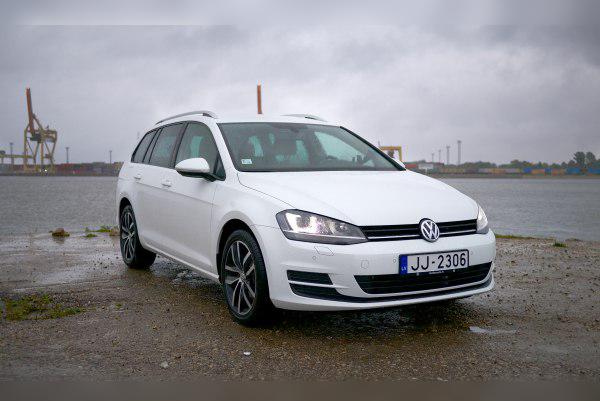
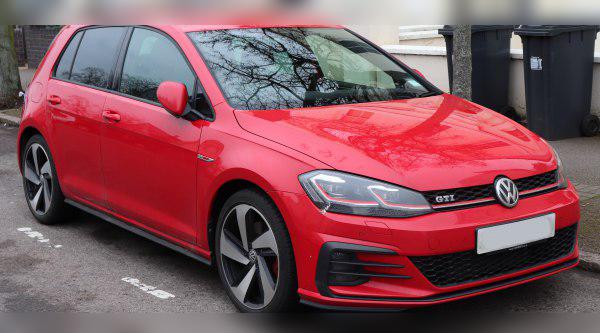
1.2 TSI/TFSI (CYVB) 110 HP: Experiences, problems, fuel consumption and buying tips
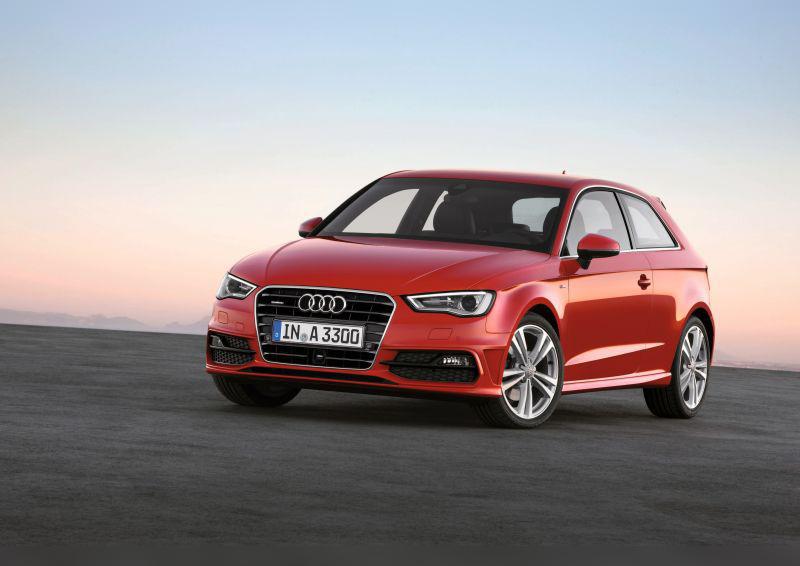
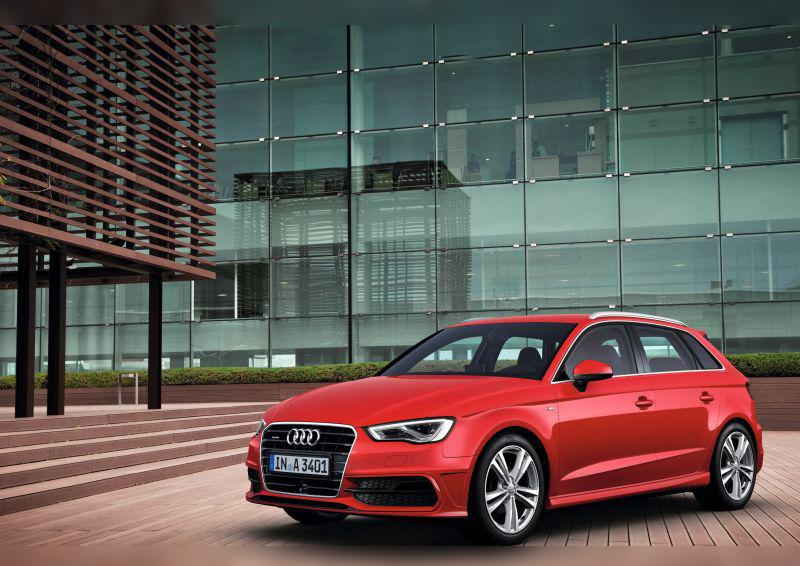
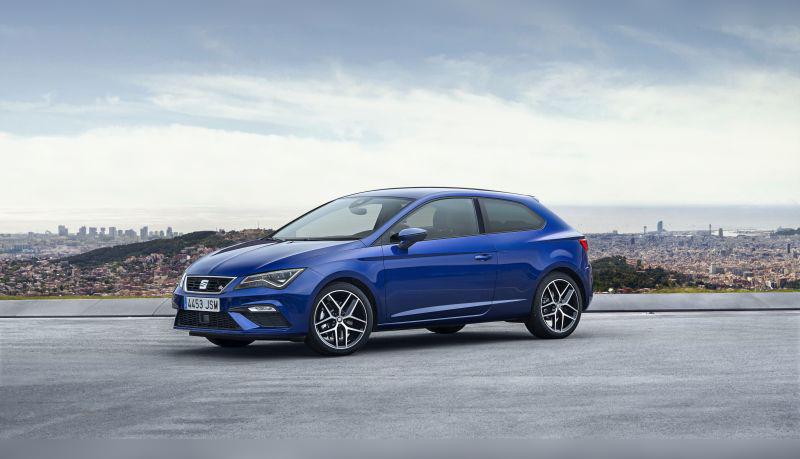
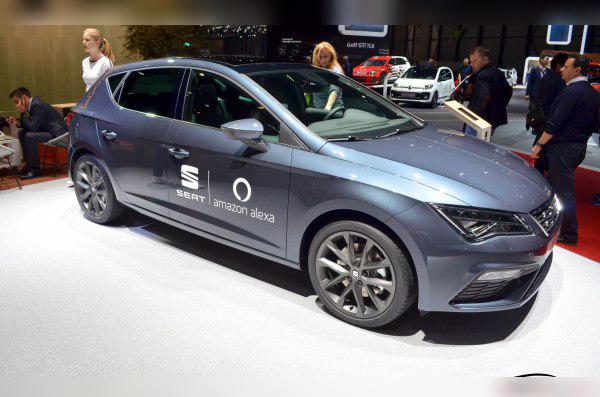
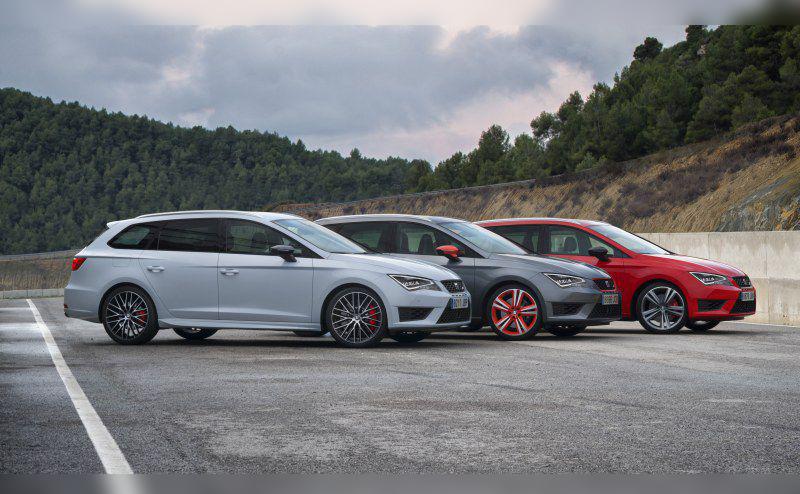
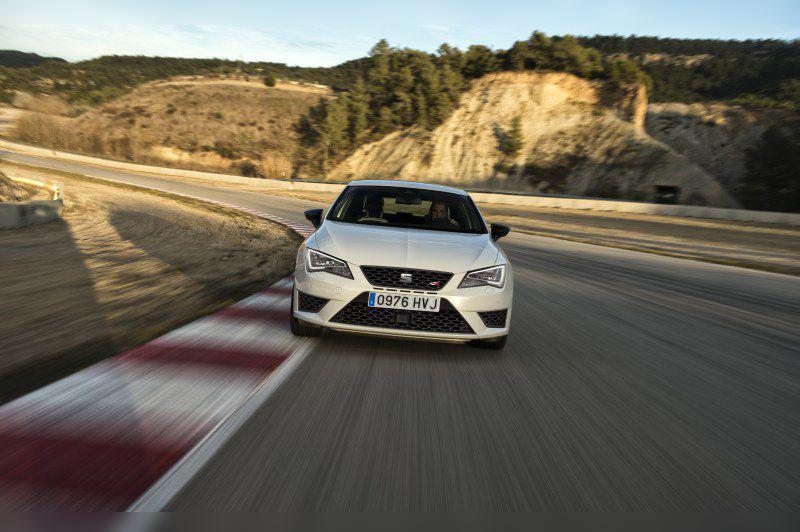
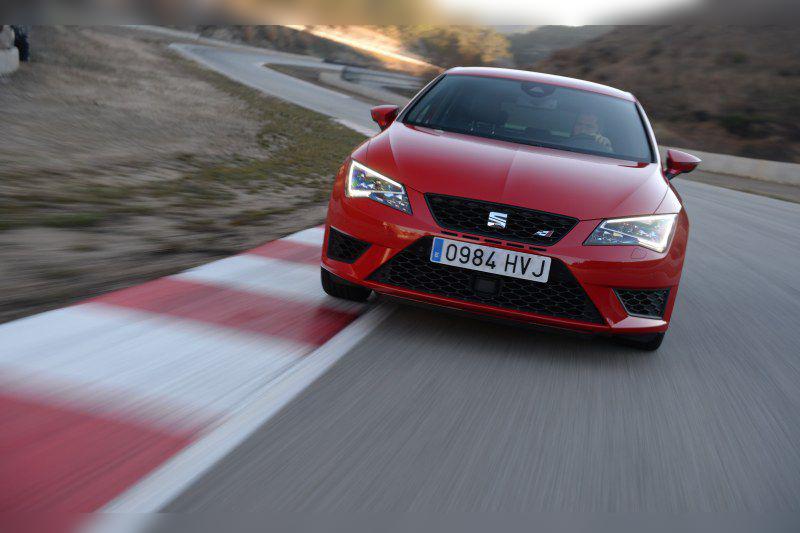
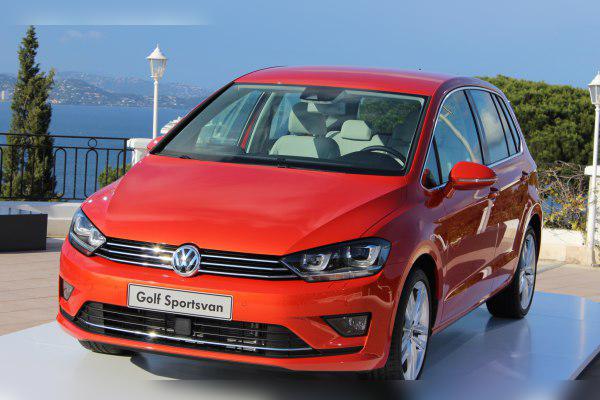
The engine with the code CYVB belongs to the newer generation of VAG engines (EA211) and represents a significant step forward compared to the notorious older chain-driven 1.2 TSI engines. Installed in popular models such as the VW Golf VII, Audi A3 (8V) and Seat Leon III, this 110 HP unit offers a balance between fuel efficiency and solid performance for everyday driving. If you’re considering buying a used car with this engine, here’s everything you need to know.
Key points (TL;DR)
- Biggest advantage: This engine has a timing belt, not the problematic chain of the older generations, which makes it far more reliable.
- Fuel consumption: Extremely economical petrol engine, often comparable to diesels in city driving.
- Performance: With 110 HP and 175 Nm, it is more than adequate for a Golf or Leon body, it doesn’t feel “sluggish”.
- Gearbox: Comes with an excellent 6-speed manual or a 7-speed DSG (DQ200 – requires caution when buying).
- Potential costs: The water pump and thermostat housing are known weak points of this series.
- Recommendation: An excellent alternative to diesel for those who drive shorter distances and want a quieter engine.
Contents
- Technical specifications
- Reliability and maintenance
- Specific components (costs)
- Fuel consumption and performance
- Additional options and modifications
- Gearbox (manual and DSG)
- Buying used and conclusion
Technical specifications
These are the factory specifications for the CYVB engine variant used in the mentioned models.
| Parameter | Data |
|---|---|
| Engine displacement | 1197 cc (1.2 litres) |
| Power | 81 kW (110 HP) |
| Torque | 175 Nm at 1400–4000 rpm |
| Engine code | CYVB (EA211 family) |
| Injection system | Direct injection (TSI/TFSI) |
| Induction | Turbocharger + intercooler |
| Number of cylinders/valves | 4 cylinders / 16 valves |
Reliability and maintenance
Does this engine have a timing belt or a chain?
This is the most important question. The CYVB (EA211) engine uses a timing belt. This is great news because the VW Group abandoned the unreliable chains that tended to stretch on the previous generation (EA111). The timing belt on this engine is durable and quiet, which significantly reduces the risk of catastrophic engine failure.
What are the most common issues with this engine?
Although more reliable than its predecessor, the CYVB has its own specific issues:
- Thermostat housing and water pump: This is the most common problem of the EA211 series. The thermostat module is made of plastic and prone to cracking or deforming, which leads to coolant leaks. If you notice the coolant level dropping, this is the first suspect.
- Turbo actuator: The electric actuator that controls the turbo can stick or fail. Symptoms include loss of power (“safe mode”) and the EPC light coming on in the instrument cluster.
- Carbon build-up: Like every direct-injection engine, the intake valves get dirty over time because fuel does not wash them. This can lead to rough idle at higher mileage.
- Oil consumption: Although less common than before, it can appear at higher mileage due to stuck piston rings if oil was changed infrequently (Long Life intervals).
At what mileage should the major service (timing belt) be done?
The factory recommendation for checking and possibly replacing the timing belt is often very optimistic (e.g. 210,000 km or 10 years). However, experienced mechanics recommend doing the major service between 150,000 km and 180,000 km or after 6 to 8 years of age, whichever comes first. A snapped belt leads to total engine failure, so preventive replacement together with the water pump (which is a known weak point anyway) is the smartest investment.
How many litres of oil does this engine take and which grade is recommended?
The engine takes approximately 4.0 litres of engine oil (with filter). Fully synthetic 5W-30 oil that meets strict VW standards (most commonly VW 504.00 / 507.00) is recommended. Using high-quality oil is crucial for turbo longevity.
Does it consume oil between services?
Consumption of up to 0.5 litres per 10,000 km is considered completely normal and acceptable for this type of engine. If the engine consumes more than 1 litre between services, this may indicate a problem with the piston rings or a leak in the turbocharger. Unlike older 1.8 or 2.0 TSI engines, the 1.2 TSI CYVB is not known as an “oil burner”, provided it has been properly maintained.
At what mileage should the spark plugs be replaced?
As a petrol engine with direct injection, the spark plugs are under higher stress. Replacement is recommended every 60,000 km. Use only iridium or platinum spark plugs recommended by the manufacturer (NGK or Bosch), because poor-quality plugs can damage the ignition coils.
Specific components (costs)
Does this engine have a dual-mass flywheel?
This is a common misconception. Most 1.2 TSI (110 HP) versions with a manual gearbox have a solid (single-mass) flywheel, which makes clutch replacement much cheaper. However, in versions with a DSG gearbox, the situation is different and there is a flywheel adapted to the automatic transmission. Always check by VIN, but for manuals the chance of an expensive dual-mass flywheel is minimal.
What kind of injection system does it have and are the injectors problematic?
The system is high-pressure direct injection. The injectors are generally reliable but sensitive to poor fuel quality. The problem is not so much injector failure as carbon deposits on the valves. It is recommended to occasionally use fuel additives for cleaning the system or to drive on the open road so the engine can “blow out the cobwebs”.
Does this engine have a turbocharger and what is its lifespan?
It has a single turbocharger with a water-cooled intercooler (integrated into the intake manifold on EA211). The turbo is small, spools up quickly and is generally durable. With regular oil changes, its lifespan often exceeds 200,000–250,000 km. There are no twin turbos, which simplifies maintenance.
Does this model have a DPF filter or an EGR valve?
Since this is a petrol engine, it does not have a DPF filter (which is a common issue on diesels). However, newer models (after 2018) may have a GPF (Gasoline Particulate Filter), but most CYVB-coded models (2014–2017) do not. The engine does have an EGR system, but it clogs much less frequently than on diesels because petrol burns cleaner.
Does this engine use AdBlue?
No, this engine does not use AdBlue fluid. AdBlue is reserved exclusively for modern diesel engines to reduce NOx emissions.
Fuel consumption and performance
What is the real-world fuel consumption in city driving?
This is one of the most economical petrol engines. In real city traffic, you can expect consumption between 6.5 and 8.0 l/100 km, depending on how heavy your right foot is and whether you’re driving a Golf (lighter) or a Leon ST (estate, heavier). The Start/Stop system helps reduce consumption while stationary.
Is this engine “underpowered” for the weight of the car?
Absolutely not. With 110 HP and 175 Nm available from as low as 1400 rpm, the car feels lively. The 0–100 km/h time is around 9–10 seconds (depending on the model), which is perfectly adequate. The engine is lighter over the front axle compared to diesels, so the car handles better in corners.
How does the engine perform on the motorway and at what rpm does it cruise at 130 km/h?
Thanks to the 6-speed manual or 7-speed DSG, the engine is not stressed. At 130 km/h, it runs at around 2800–2900 rpm. The cabin is quiet, and fuel consumption at that speed is about 6.0 l/100 km. However, under full load (4 passengers and luggage), the limited displacement can be felt on long uphill sections, where you’ll need to downshift.
Additional options and modifications
Is this engine suitable for LPG conversion?
It’s not an ideal candidate. Due to direct injection, a specific (and expensive) sequential system for direct injection is required, which still uses a small amount of petrol while running on LPG to cool the injectors, or an even more expensive liquid LPG injection system. Considering the low petrol consumption, the cost-effectiveness of an LPG conversion (which is expensive) is questionable unless you cover very high annual mileage.
How much can this engine be safely tuned (Stage 1)?
The engine has power reserves. With a Stage 1 remap, power can be safely raised to about 130–135 HP, and torque to about 220–230 Nm. This significantly changes the character of the car, especially in mid-range acceleration. However, keep in mind that the higher torque puts additional stress on the clutch (especially with the DSG gearbox).
Gearbox: manual and DSG
Which gearboxes are fitted?
Two options are available with the CYVB engine:
- 6-speed manual gearbox: Precise, easy to use and very reliable.
- 7-speed DSG (DQ200): Dual-clutch automatic gearbox.
Most common gearbox issues?
Manual: Almost indestructible with regular oil changes. Failures are rare.
DSG (DQ200): This is a gearbox with “dry” clutches. It is known for its sensitive mechatronics (the gearbox control unit), which can fail, as well as for faster clutch wear in stop-and-go city driving. DSG repairs are expensive (depending on the market, but expect a serious bill).
Clutch replacement cost (manual vs DSG)?
Replacing the clutch kit on the manual gearbox is relatively affordable because it usually doesn’t have a dual-mass flywheel. Replacing the clutch kit on the DSG DQ200 is significantly more expensive (often 2–3 times more than the manual) and requires special tools and calibration.
At what mileage should the gearbox be serviced?
For the manual gearbox, the manufacturer often claims “lifetime oil”, but in practice it’s wise to change it every 100,000 km. For the DSG DQ200, VW also states that the oil does not need to be changed (because of the dry clutches, oil is only in the gearset and mechatronics), but many specialists recommend changing the oil in the mechatronics and gearbox section every 60,000–80,000 km to extend its lifespan.
Buying used and conclusion
When buying a model (Golf, Leon, A3) with this engine, pay attention to:
- Signs of coolant leaks: Check around the thermostat housing (right side of the engine when viewed from the front).
- Noise on cold start: Although it has a belt, there should be no knocking or rattling (hydraulic lifters).
- DSG gearbox behaviour (if automatic): It should pull away smoothly without jerks, especially when starting uphill and when shifting from 1st to 2nd gear.
- Service history: Check whether the major service has been done if the car is close to 150–200 thousand kilometres.
Final conclusion
The 1.2 TSI (CYVB) 110 HP engine is an excellent choice for the average driver. It has solved the main issues of older generations (chain), offers surprisingly good performance with very low fuel consumption and cheaper road tax/registration. It is ideal for those who drive about 60–70% in the city and 30% on open roads. If you’re choosing between this petrol engine and a diesel (1.6 TDI) with similar mileage, the 1.2 TSI is often the better buy due to lower maintenance costs (no DPF, no dual-mass flywheel on manuals, cheaper injectors).
Recommendation: Look for a car with a manual gearbox for maximum reliability and low running costs, or a DSG only if you have the budget for potential repairs.
Was this content useful to you?
Your opinion helps us to improve the quality of the content.