CRKB, CXXB Engine
- Engine
- 1598 cm3
- Aspiration
- Turbocharger, Intercooler
- Fuel
- Diesel
- Fuel injection system
- Diesel Commonrail
- Power
- 110 hp
- Torque
- 250 Nm
- Cylinders
- 4
- Valves
- 16, 4 per cylinder
- Cylinders position
- Inline
- Valvetrain
- DOHC
- Oil capacity
- 4.7 l
- Coolant
- 8 l
- Systems
- Start & Stop System, Particulate filter
# Vehicles powered by this engine
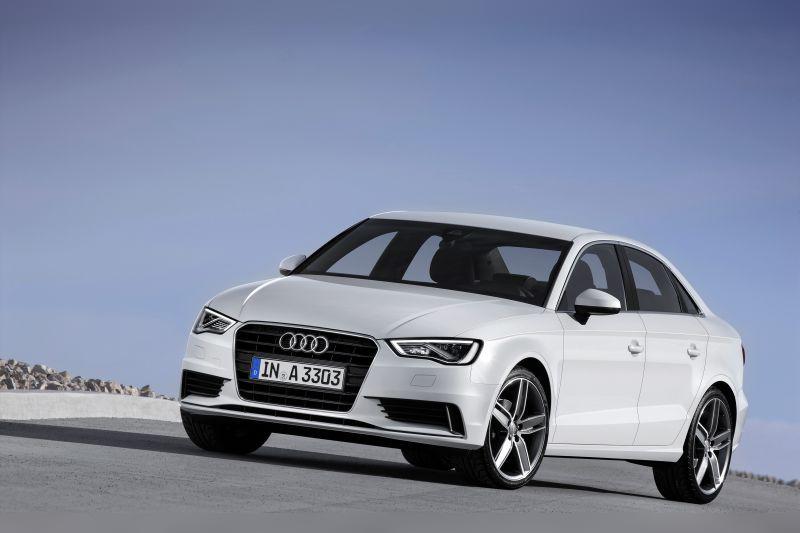
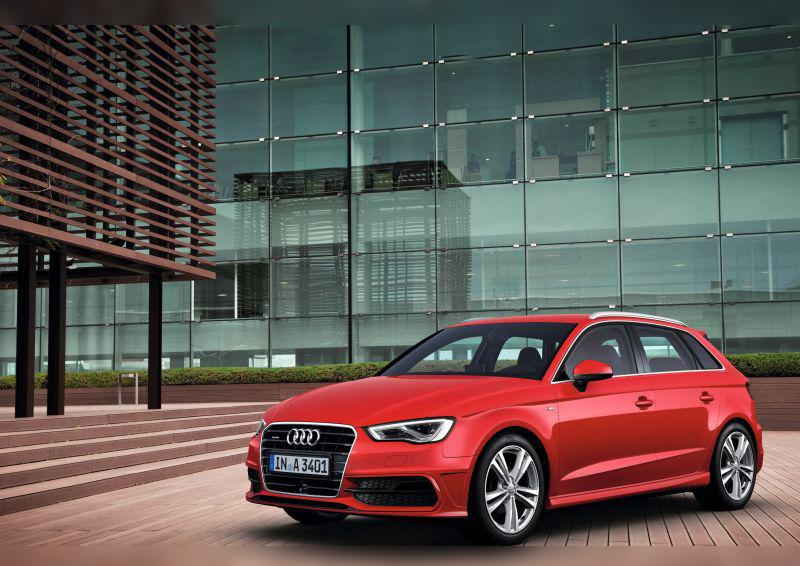
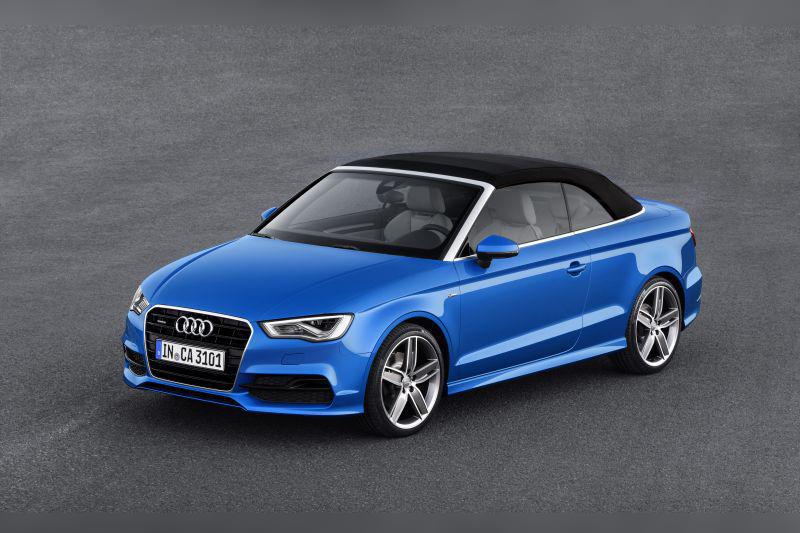
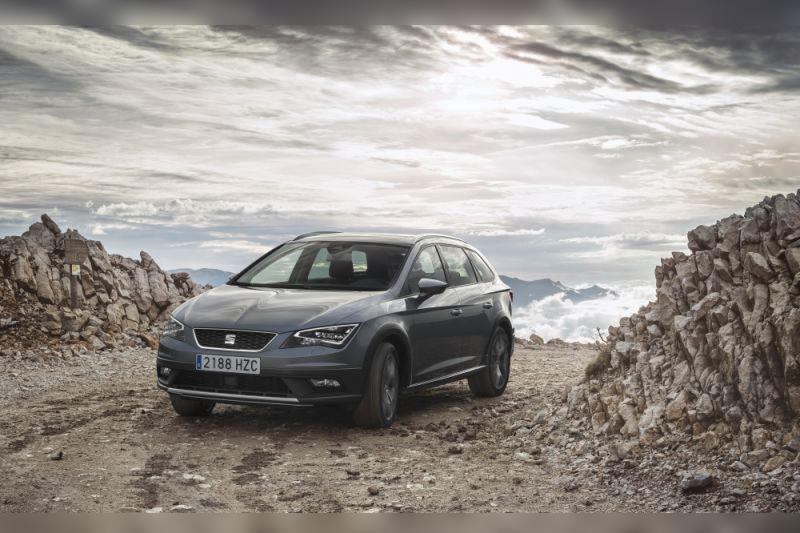
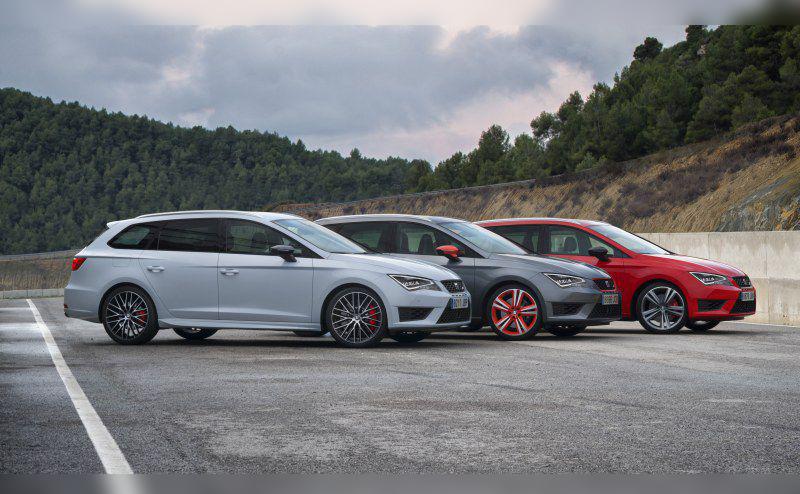
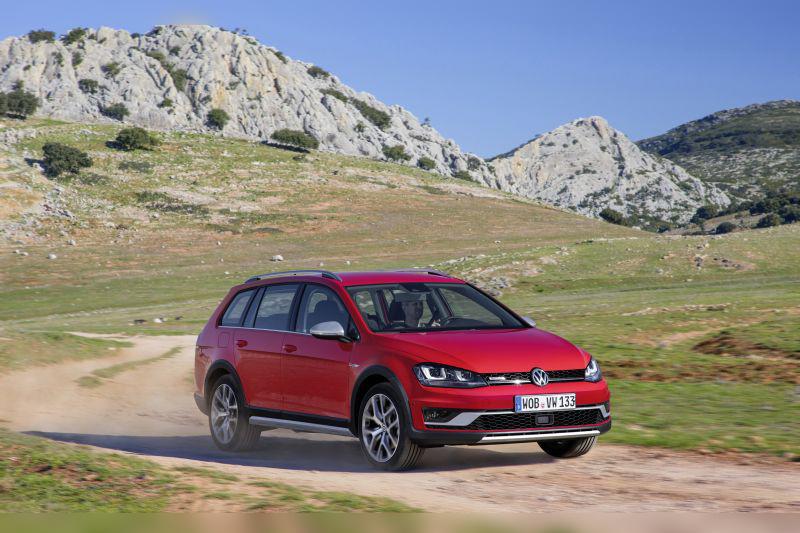
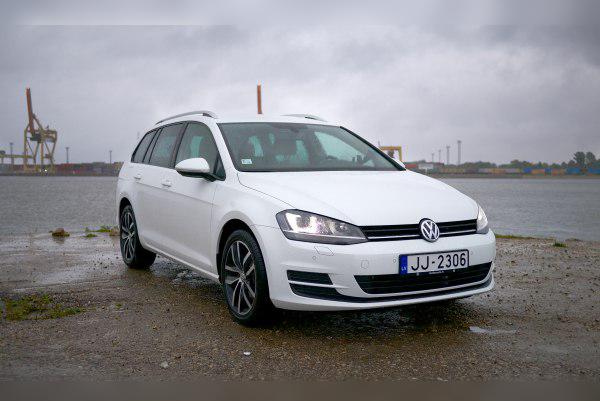
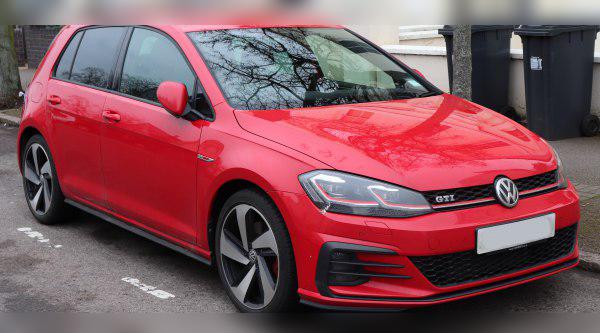
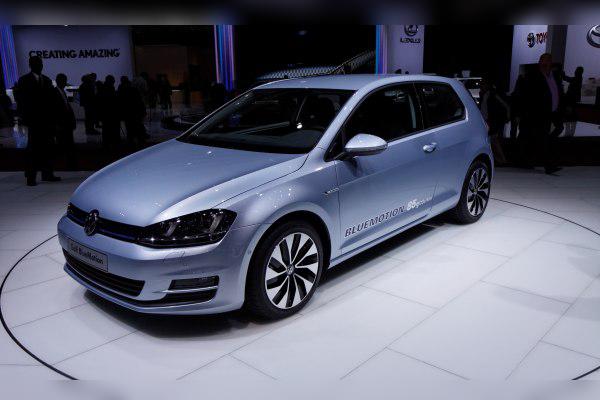
1.6 TDI (CRKB, CXXB) – Experiences, Issues, Fuel Consumption and Maintenance
1. The most important in short (TL;DR)
- Fuel economy above all: This engine is designed to save fuel. Consumption is extremely low, often below 5 l/100 km on the open road.
- Achilles’ heel – Water pump: The most common mechanical failure is leakage or sticking of the variable water pump.
- Dual-mass flywheel: Yes, the 110 hp (81 kW) version has a dual-mass flywheel, which is a wear item.
- DPF and city driving: It is sensitive to exclusively urban use. It needs regular runs on open roads for regeneration.
- DSG gearbox: If paired with an automatic, it is usually the DQ200 with a dry clutch, which requires careful inspection before purchase.
- AdBlue advantage: Most models with these codes in the Golf 7 and A3 (8V) use an LNT catalyst instead of an AdBlue system (check the specific car), which reduces maintenance costs.
- Recommendation: Ideal for drivers who cover a lot of kilometers annually, but not for those looking for sporty performance.
Contents
- Introduction and Models
- Technical Specifications
- Reliability and Maintenance
- Specific Parts and Costs
- Fuel Consumption and Performance
- Gearbox (Manual and DSG)
- Additional Options and Modifications
- Buying Used and Conclusion
Introduction and Models
The 1.6 TDI engine with 110 hp (81 kW) and codes CRKB and CXXB belongs to the EA288 engine family of the Volkswagen Group. It is the “golden middle” in the diesel lineup for models on the MQB platform. It was designed to replace the older 1.6 TDI (EA189) units, bringing quieter operation, better emissions standards (Euro 6) and a more refined driving experience.
It was widely installed in fleet vehicles, which means the used market offer is huge. You can find it under the bonnet of the most popular C‑segment models such as the VW Golf VII, Audi A3 (8V) and Seat Leon III. Its main mission is not to pin you to the seat, but to get you from point A to point B with minimal fuel costs, with enough power in reserve for overtaking when needed.
Technical Specifications
| Characteristic | Data |
|---|---|
| Displacement | 1598 cc |
| Power | 81 kW (110 hp) @ 3200–4000 rpm |
| Torque | 250 Nm @ 1500–3000 rpm |
| Engine codes | CRKB, CXXB |
| Injection type | Common Rail (Direct injection) |
| Configuration | Inline 4 cylinders, 16 valves |
| Charging | Turbocharger with variable geometry (VGT) + intercooler |
Reliability and Maintenance
Timing belt or chain?
This engine (EA288 series) uses a timing belt to drive the camshafts. This is good news, as older chain‑driven VW Group engines proved problematic. The system is robust and quieter in operation. However, there is also a small in‑oil timing belt that drives the oil pump, but it is designed to last as long as the engine (although in practice it is wise to check it during major services).
Most common failures
Although generally reliable, CRKB/CXXB engines have a few characteristic issues:
- Water pump and thermostat: This is the most common problem. The pump has a variable “shutter” that moves to help the engine warm up faster. This mechanism often sticks, which leads to engine overheating or coolant leaks. Symptoms are coolant loss or temperature spikes on the instrument cluster.
- EGR cooler: Cracking or clogging of the exhaust gas cooler can lead to loss of coolant entering the cylinder (white smoke) or to the engine going into “safe mode” due to poor gas flow.
- Exhaust gas pressure sensors: A frequent but cheaper failure that triggers the “Check Engine” light.
Major service
The factory recommendation for timing belt replacement is often optimistic and states 210,000 km. However, experienced mechanics and real‑world use suggest doing the major service earlier. The recommendation is to replace the timing kit (belt, tensioners, water pump) between 150,000 km and 180,000 km, or every 5 to 7 years, whichever comes first. Due to water pump issues, many owners are forced to do this much earlier.
Oil: quantity, grade and consumption
The engine takes approximately 4.6 to 4.7 liters of oil. You must use oil that meets the VW 507.00 specification (Low SAPS due to the DPF filter). The most common grades are 5W‑30 or the newer 0W‑30.
As for oil consumption, these engines are quite “tight”. A healthy engine should not consume a significant amount of oil between service intervals (up to 0.5 liters per 10,000 km is considered acceptable). If it uses more than a liter per 10,000 km, that points to a problem with the turbo, piston rings or a leak.
Injectors
The injectors are of the Common Rail type (often Delphi or Bosch, depending on the series). They are generally more durable than on the old 1.6 TDI (Siemens) engines. They can last well over 250,000 km with good‑quality fuel. Symptoms of bad injectors are rough idle (“knocking”), harder starting and increased smoke. Reconditioning is possible, but the price depends on the market and workshop (it falls into the mid‑to‑expensive repair category).
Specific Parts (Costs)
Dual-mass flywheel
Yes, this engine has a dual-mass flywheel. Unlike the weaker 90 hp version, which sometimes has a solid flywheel, the 110 hp version, due to its higher torque (250 Nm), comes standard with a dual-mass flywheel for comfort. Its lifespan is usually around 150,000–200,000 km, depending on driving style. Symptoms of failure are metallic rattling when switching off the engine and vibrations in the clutch pedal.
Turbocharger
The engine has a single turbocharger with variable geometry. It is not prone to sudden failure if the oil is changed regularly. Its service life is usually equal to the life of the engine, but it requires proper cool‑down after spirited driving.
DPF and EGR
Like every modern diesel (Euro 5/6), it has a DPF filter and an EGR valve.
- EGR: Prone to soot build‑up, especially in city driving. Symptoms are loss of power and jerking.
- DPF: EA288 engines have an efficient regeneration system, but if the car is driven exclusively in the city (short trips where the engine does not warm up), the DPF can become permanently clogged as early as 150,000 km. Cleaning is possible, but replacement is very expensive.
AdBlue system
This is important: Most Golf 7 and Audi A3 (8V) models with the 1.6 TDI engine DO NOT use AdBlue (SCR catalyst), but instead use an LNT (Lean NOx Trap) catalyst to meet Euro 6 standards. This is a big advantage because there are no costs for AdBlue fluid, nor failures of AdBlue heaters and pumps.
Note: Always check next to the fuel cap. If there is a small blue cap, the vehicle has AdBlue (more common on larger models such as the Passat or 4Motion estate versions in later model years).
Fuel Consumption and Performance
Real-world fuel consumption
- City driving: Expect between 5.5 and 6.5 l/100 km. In heavy stop‑and‑go traffic it can reach 7 liters, but rarely more than that. The start‑stop system helps here.
- Open road (rural / B‑roads): This is where the engine shines. It is possible to get consumption down to 3.8 to 4.5 l/100 km with careful driving.
- Motorway: At 130 km/h, consumption is around 5.0 to 5.5 l/100 km.
Is the engine “lazy”?
With 110 hp and 250 Nm, the engine is no sports car, but it is not underpowered either. In hatchback versions (Golf, A3) it is perfectly adequate for dynamic driving. However, in heavier bodies (Golf Variant, Leon ST), and especially when loaded with luggage and passengers or with 4Motion all‑wheel drive, the engine can feel “lazy” when overtaking uphill. For the average driver it is perfectly adequate, but it does require more frequent downshifts when overtaking.
Behaviour on the motorway
It is an excellent cruiser. Due to the 5‑speed gearbox (on most manuals), revs at 130 km/h are slightly higher than with a 6‑speed, but sound insulation on EA288 engines is excellent. At 130 km/h in top gear, the engine spins at about 2200–2400 rpm (depending on the gearbox), which is within the optimal torque band.
Additional Options and Modifications
Remapping (Stage 1)
This engine is very suitable for a “Stage 1” remap. From the factory it is somewhat “strangled” due to emissions and marketing (so as not to threaten the 2.0 TDI). It can safely be taken to 135–145 hp and around 300–320 Nm of torque. This significantly improves throttle response and makes overtaking easier, without a drastic impact on engine life, provided it is regularly maintained and not driven at full throttle all the time.
Gearbox (Manual and Automatic)
Manual gearbox
Most front‑wheel‑drive models come with a 5‑speed manual gearbox (code MQ250). Models with all‑wheel drive (4Motion/Quattro) or certain “Greenline/BlueMotion” versions have a 6‑speed manual gearbox.
- Reliability: Manual gearboxes are very reliable. An oil change is recommended every 100,000 km, even though the factory claims it is “lifetime”.
- Clutch: The clutch kit with flywheel is a significant expense (depending on the market, but it is one of the more expensive regular maintenance items at higher mileage).
Automatic gearbox (DSG)
With the 1.6 TDI, a 7‑speed DSG gearbox (DQ200) with a dry clutch is fitted.
- Issues: The DQ200 is notorious for its sensitive mechatronics and faster clutch wear in city driving. Symptoms are jerking when setting off, hesitation when changing gears or metallic noises.
- Maintenance: Although it is a “dry” gearbox, it is recommended to change the oil in the mechatronics and gearbox section every 60,000 km as a preventive measure, even though this is not always in the official maintenance schedule. Mechatronics repair is very expensive.
Buying Used and Conclusion
What to check before buying?
- Cold start: Listen to the engine when it is cold. Uneven running can indicate injector issues.
- Coolant: Check the coolant reservoir. If the level is low or there are traces of dried coolant around the engine, the water pump is probably due for replacement.
- Flywheel noise: When switching off the engine (without pressing the clutch), listen for metallic knocking. Also, at idle press the clutch halfway – if the vibrations change in intensity, the flywheel is nearing the end of its life.
- DSG test (if automatic): Warm up the car, stop on an incline and release the brake. The car should move off smoothly without jerking and without adding throttle.
- Diagnostics: Check DPF saturation and injector correction values.
Final conclusion
The 1.6 TDI (110 hp) engine is a rational choice. It is not exciting, but it is an extremely competent workhorse. It is ideal for drivers who cover more than 15,000–20,000 km per year, mostly on open roads. If you spend most of your time in the city on 5 km trips, this engine will suffer (DPF, EGR) and a petrol (TSI) is a better option.
When buying, look for a car that has already had the water pump replaced and the major service done. Between the manual and DSG gearboxes, the manual is the safer option for your wallet on a used car with higher mileage.
Was this content useful to you?
Your opinion helps us to improve the quality of the content.