CCZA Engine
- Engine
- 1984 cm3
- Aspiration
- Turbocharger, Intercooler
- Fuel
- Petrol (Gasoline)
- Fuel injection system
- Direct injection
- Power
- 200 hp @ 5100 rpm
- Torque
- 280 Nm @ 1800 rpm
- Cylinders
- 4
- Valves
- 16, 4 per cylinder
- Cylinders position
- Inline
- Valvetrain
- DOHC
- Oil capacity
- 4.7 l
- Coolant
- 8 l
# Vehicles powered by this engine
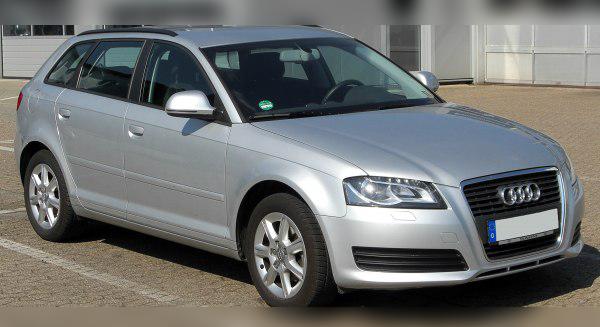
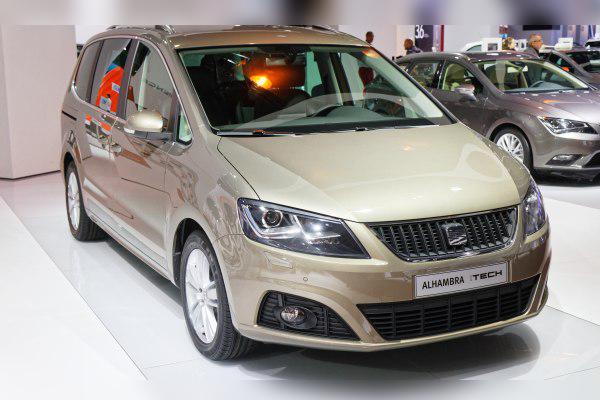
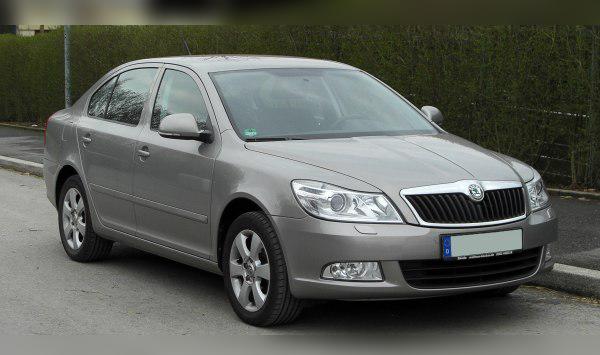
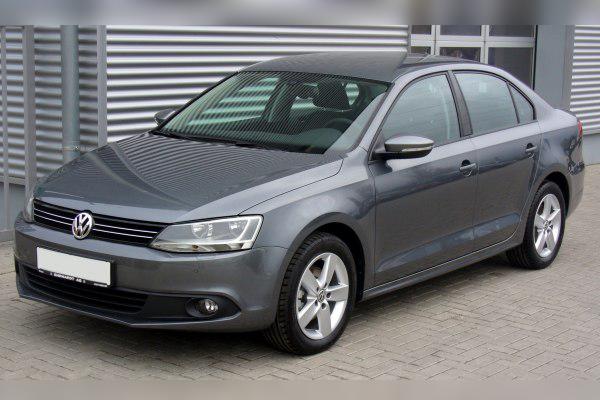
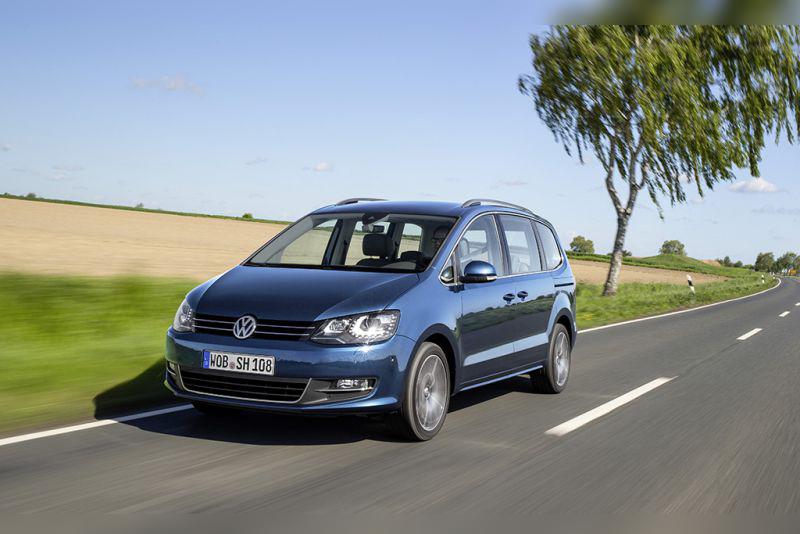
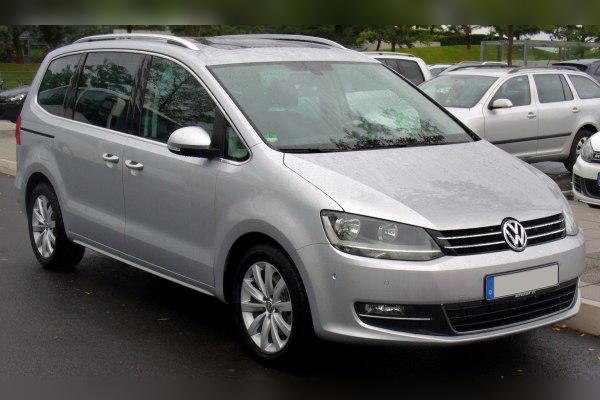
2.0 TSI / TFSI (CCZA) Engine – Experiences, Problems, Fuel Consumption and Used Car Buying Guide
Key points (TL;DR)
If you don’t have time to read the whole article, these are the crucial things you need to know about the CCZA engine:
- Timing chain drive: This is the critical point. The first-generation chain tensioner is prone to failing, which can lead to catastrophic engine damage. It is mandatory to check which revision of the tensioner is installed.
- Oil consumption: As a member of the EA888 Gen 2 family, this engine can consume significant amounts of oil due to the design of the piston rings.
- Performance: Extremely flexible and powerful engine, excellent for overtaking and highway driving.
- Tuning potential: Very suitable for remapping; extra power is easily achieved.
- Carbon buildup: Due to direct injection, intake valves get dirty, which can affect idle quality.
- Recommendation: An excellent choice for enthusiasts who are ready to invest preventively in timing chain replacement and regularly check oil level.
Contents
- Technical Specifications
- Reliability and Maintenance
- Specific Parts and Costs
- Fuel Consumption and Performance
- Additional Options and Modifications
- Gearbox and Drivetrain
- Buying Used and Conclusion
Introduction
The engine with the code CCZA is a 2.0-liter turbocharged petrol unit from the Volkswagen Group, belonging to the famous but also controversial EA888 Gen 2 engine family. This unit represents a bridge between the older EA113 engines (which used a timing belt) and the newer generations.
With an output of 200 hp (147 kW), this engine was the heart of sporty versions of popular models such as the Škoda Octavia RS and Audi A3, but it was also installed in larger family vehicles like the VW Sharan and Seat Alhambra. Its main characteristic is an excellent balance of power and torque, but its reputation is spoiled by specific mechanical issues every owner needs to be aware of.
Technical Specifications
| Displacement | 1984 cc (2.0 L) |
| Configuration | R4 (Inline four-cylinder) |
| Power | 147 kW / 200 hp at 5100–6000 rpm |
| Torque | 280 Nm at 1700–5000 rpm |
| Engine code | CCZA |
| Injection type | Direct injection (TSI / TFSI) |
| Charging | Turbocharger (IHI or BorgWarner K03) + intercooler |
| Timing drive | Chain |
Reliability and Maintenance
Timing belt or chain?
The CCZA engine uses a timing chain. In theory, this was supposed to be a relief for owners (“maintenance-free”), but in practice it is the weakest point of this engine. The problem is not so much the chain itself as the hydraulic chain tensioner. On older revisions, the tensioner can fail, allowing the chain to jump a tooth, which leads to piston-to-valve contact. Symptoms include rattling on cold start (a metallic chain noise). If you hear this, switching the engine off and calling a tow truck is the only safe option.
Most common failures
Besides the chain, owners often encounter the following issues:
- PCV valve (oil vapor separator): When the membrane tears, the engine loses vacuum, idles roughly, “whistles” and increases oil consumption.
- Water pump and thermostat housing: They are made of plastic which deforms over time due to heat, causing coolant leaks.
- Intake manifold: The intake manifold flaps (runner flaps) can stick, or the flap position sensor can fail, which triggers the “Check Engine” light.
- Ignition coils: They often fail, causing one cylinder to misfire.
Major service
Although the chain does not have a prescribed replacement interval like a belt, experienced mechanics recommend that the complete timing set (chain, guides, tensioners) on the CCZA engine be replaced preventively between 100,000 km and 120,000 km, or earlier if rattling is heard. If you are buying a used car, make sure to check whether the latest revision of the tensioner (marked with “K” or newer) has been installed.
Oil: quantity, grade and consumption
The engine takes approximately 4.6 to 4.7 liters of oil. The recommended grade is 5W-30 (VW 504.00/507.00 standard) or 5W-40 (VW 502.00) for fixed change intervals.
Does it burn oil? Unfortunately, yes. CCZA engines are known for oil consumption due to poorly designed oil control rings and thin piston walls. The factory states that consumption of up to 0.5 liters per 1,000 km is “normal”. However, in practice, a healthy engine should not consume more than 1 L per 5,000–8,000 km. If you have to top up a liter every 1,000–1,500 km, the engine is due for a full rebuild (pistons and rings), which is a very expensive job.
Spark plugs
On a stock engine, spark plugs are replaced every 60,000 km. However, given the sensitivity of TSI coils, it is recommended to shorten this interval to 30,000–40,000 km, especially if the car is driven hard or mostly in the city. Use only NGK or Bosch spark plugs as specified by the catalog number.
Specific Parts (Costs)
Dual-mass flywheel
Yes, this engine uses a dual-mass flywheel, regardless of whether it is paired with a manual gearbox or a DSG automatic. Its lifespan is usually around 150,000–200,000 km, depending on driving style. Replacement is expensive (exact price depends on the market, but count on it being in the “expensive” category of parts).
Fuel injection system
It uses direct fuel injection into the cylinders at high pressure. The injectors themselves are generally reliable and rarely fail. However, a direct consequence of this system is carbon buildup on the intake valves. Since fuel does not flow over the valves to “wash” them, deposits accumulate and gradually choke the engine. Symptoms include rough running and loss of power. Cleaning (walnut shell blasting or chemical cleaning) is recommended every 60,000–80,000 km.
Turbocharger
The CCZA uses a single turbocharger (most often IHI or KKK K03). The turbo is quite durable and not prone to premature failure if you respect the rule of letting the engine cool down after fast driving and change the oil regularly. Problems can occur with the wastegate valve (the lever develops play), which leads to rattling and loss of boost pressure.
DPF, EGR and AdBlue
Since this is a petrol engine produced before the introduction of GPF filters (Gasoline Particulate Filter came later), this engine does NOT have a DPF filter or an AdBlue system.
As for the EGR valve, TSI engines of this generation often do not have a classic external EGR valve that clogs up like on diesels; instead, the effect of exhaust gas recirculation is achieved by variable valve timing. So, classic EGR cleaning is not an issue here, but dirty intake ports are.
Fuel Consumption and Performance
Fuel consumption
This is not an engine for those who want maximum fuel economy.
- City driving: Real-world consumption is between 10 and 12 liters/100 km. In heavy vehicles such as the Sharan or Alhambra, or in heavy traffic, this figure easily goes up to 13–14 liters.
- Highway: At 130 km/h the engine spins at a comfortable ~3,000 rpm (depending on gearbox) and consumes between 7.5 and 8.5 liters/100 km.
- Combined: Expect an average of around 9 liters.
Is the engine “lazy”?
Absolutely not. With 280 Nm of torque available from just 1,700 rpm, the engine pulls linearly and strongly. Even in heavier bodies like the VW Sharan, the engine copes with the weight without problems, providing a confident feel when overtaking. In lighter cars (Octavia RS, A3), performance is genuinely sporty.
Additional Options and Modifications
LPG conversion
Installing LPG on FSI/TSI engines is possible, but expensive and complicated. Due to direct injection, specialized systems are required that either inject liquid gas directly through the petrol injectors (very expensive) or use a “blended” system where, for example, 80% LPG and 20% petrol is used to cool the injectors. If you don’t cover high annual mileage, the investment pays off slowly.
Chiptuning (Stage 1)
The CCZA engine responds extremely well to tuning. Since it is hardware-wise very similar to more powerful versions:
- Stage 1: With a software-only remap, power can be safely raised to 240–250 hp, and torque to over 350 Nm. This drastically changes the character of the car. However, before remapping, the engine must be mechanically perfect (chain, turbo, spark plugs).
Gearbox
Types of gearboxes
The CCZA engine most commonly comes with two types of gearboxes:
- 6-speed manual gearbox: Precise and robust.
- 6-speed DSG (DQ250): Automatic dual-clutch gearbox with oil-bathed clutches (wet clutch).
Gearbox failures and maintenance
- Manual: The most common expense is the clutch kit and dual-mass flywheel. Actual gearbox failures are rare.
- DSG (DQ250): This is a reliable gearbox if maintained properly. Oil and filter in the DSG must be changed every 60,000 km. If this is neglected, the mechatronic unit (the “brain” of the gearbox) fails, and repair is very expensive. The clutch pack also wears, but usually lasts over 200,000 km with normal driving.
- Dual-mass flywheel: It is present on DSG models as well. A symptom of failure is knocking at idle that disappears when you rev the engine or engage a gear.
Buying Used and Conclusion
What to check before buying?
- Cold start: Insist that the engine be completely cold. Start it and listen. Any rattling or harsh metallic noise in the first 3–5 seconds points to a problem with the chain/tensioner.
- Exhaust: Look at the exhaust tips. If they are black and oily with soot, the engine is likely burning a lot of oil.
- Diagnostics: Check the camshaft “phase position” with diagnostics – this can indicate chain stretch.
- Service history: When was the chain replaced? When was the DSG oil last changed?
Final verdict
The 2.0 TSI (CCZA) engine is a fantastic unit to drive – quiet, refined and fast. However, it requires a meticulous owner and high-quality maintenance.
Who is it for? Drivers who enjoy performance and the sound of a petrol engine, and who have a budget ready for potential (and almost inevitable) repairs such as the timing chain or intake manifold. It is not recommended for those looking for a “fill up and drive” car with minimal running costs – for them, the 2.0 TDI is a better choice.
Was this content useful to you?
Your opinion helps us to improve the quality of the content.