DTRC Engine
- Engine
- 1968 cm3
- Aspiration
- Turbocharger, Intercooler
- Fuel
- Diesel
- Fuel injection system
- Diesel Commonrail
- Power
- 122 hp
- Torque
- 320 Nm
- Cylinders
- 4
- Valves
- 16, 4 per cylinder
- Cylinders position
- Inline
- Valvetrain
- DOHC
- Oil capacity
- 5.5 l
- Systems
- Start & Stop System, Particulate filter
# Vehicles powered by this engine


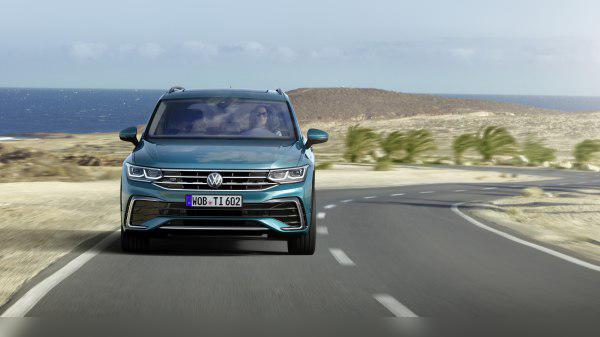
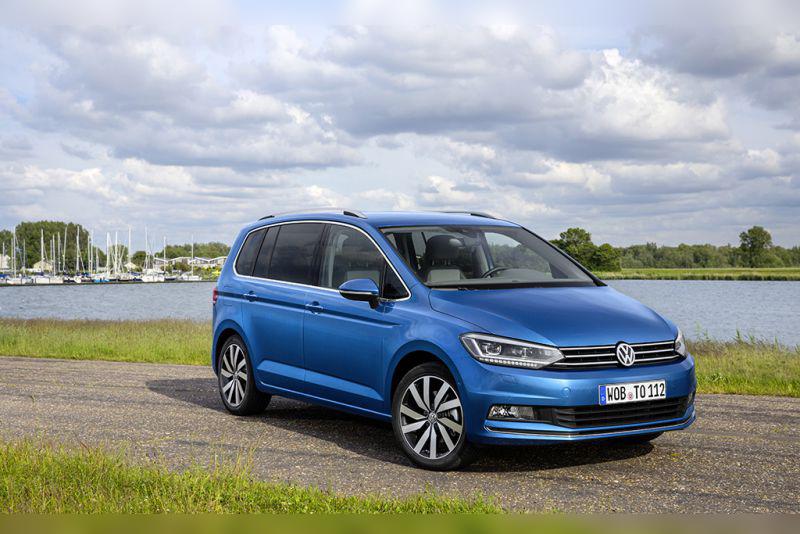
Key points in short (TL;DR)
- Engine origin: Although it’s called “EcoBlue” in Ford models, DTRC is actually a Volkswagen 2.0 TDI (EA288 evo) engine. This is crucial for maintenance.
- Power and purpose: With 122 hp and 320 Nm, this is a “workhorse”. It’s not a sports engine, but it has enough torque for heavier bodies (Tourneo, Tiguan).
- Emissions: It features a Twin Dosing AdBlue system (two injectors). Extremely clean, but potentially expensive to repair if the system fails.
- Reliability: Generally high. Many issues of older TDI engines have been resolved, but electronics and sensors remain sensitive points.
- Timing service: Driven by a timing belt. It’s recommended to replace it earlier than the factory interval (around 150,000–160,000 km).
- Recommendation: An excellent choice for families and long-distance driving. Acceptable for city driving, but it needs regular “blowing out” on open roads because of the DPF.
Contents
VW 2.0 TDI / Ford 2.0 EcoBlue (DTRC): Real-world experience, issues and maintenance
The engine with the code DTRC represents a modern generation of diesel units that is specific in that it blurs the lines between brands. If you drive a Ford Tourneo Connect III, you might think you have a Ford engine. In reality, under the bonnet beats the heart of Volkswagen technology. This Ford model was created in cooperation with the VW Group (based on the Caddy), so DTRC is actually a variant of the famous 2.0 TDI EA288 evo engine.
This is important to know because you can often source parts both through VW and Ford networks. It is installed in heavier bodies such as the VW Tiguan, Touran and the mentioned Fords. It is an engine that is “detuned” to 122 hp for emissions and lower insurance costs in some markets, but hardware-wise it is very robust.
Technical Specifications
| Feature | Value |
|---|---|
| Engine code | DTRC (EA288 evo family) |
| Displacement | 1968 cc (2.0 L) |
| Power | 90 kW (122 hp) |
| Torque | 320 Nm at 1600–2500 rpm |
| Fuel type | Diesel |
| Injection system | Common Rail (solenoid injectors) |
| Charging | Turbocharger (VGT) + intercooler |
| Emissions standard | Euro 6d-ISC-FCM (Twin Dosing AdBlue) |
Reliability and Maintenance
Timing belt or chain?
The DTRC engine uses a timing belt to drive the camshafts. This is good news for many, as modern VW belts are quieter and cheaper to replace than the chains that caused problems on older generations. The water pump is also driven by the timing belt.
Major service and intervals
Factory intervals are often optimistic and state replacement at 210,000 km. However, as someone who has seen what a snapped belt does to an engine, my advice for European operating conditions (lots of city driving, cold starts) is: do the major timing service between 150,000 km and 160,000 km or after 6 to 7 years of age.
Oil: quantity, grade and consumption
This engine takes approximately 5.5 to 5.7 liters of oil. Due to new emissions standards and the DPF filter, VW strictly recommends 0W-20 oil (VW 508.00 / 509.00 specification) for EA288 evo engines, which is very thin (“like water”) to reduce friction. In some markets, 5W-30 (VW 507.00) is still allowed, but check your owner’s manual.
Oil consumption: These engines are much better than old TDI units. Consumption of 0.3 to 0.5 liters per 10,000 km is completely normal and acceptable. If it consumes more than a liter between services, this may indicate a problem with the turbocharger or piston rings, but that is rare at lower mileage.
Injectors
The DTRC engine uses a Bosch Common Rail system. In the 122 hp version it usually uses solenoid (electromagnetic) injectors, which are more robust, cheaper to refurbish and longer-lasting than the piezo injectors used in more powerful variants. Expected service life is over 250,000 km with good-quality fuel.
Most common failures
The headaches with this engine are most often not caused by the “iron” (pistons, crankshaft), but by the peripherals:
- Exhaust gas temperature sensors: They often fail and trigger the “Check Engine” light.
- Water pump: Although improved, it can start leaking before the timing service interval.
- AdBlue system electronics: Heaters in the tank or the urea injectors themselves.
Specific Parts (Costs)
Dual mass flywheel
Yes, this engine has a dual mass flywheel, regardless of whether it is paired with a manual or an automatic (DSG) gearbox. Its role is to dampen diesel vibrations. Symptoms of failure are metallic knocking when starting/stopping and vibrations at idle. This is a expensive part (varies by market), but it is necessary for comfort.
Turbocharger
The engine has a single turbocharger with variable geometry (VGT). It is not prone to failure if the oil is changed regularly (every 15,000 km, not 30,000 km). Symptoms of failure are a whining noise (“police siren”) or loss of power with the car going into “safe mode”.
DPF, EGR and AdBlue (Twin Dosing)
This is the most complex part of the DTRC engine. It uses Twin Dosing technology – it has two AdBlue injectors (one close to the engine, one further down the exhaust). This drastically reduces NOx emissions, but doubles the risk of a failure in the dosing system. The AdBlue system requires regular refilling and is sensitive to low temperatures (hence the heaters).
The EGR valve and DPF filter are standard. If you drive only in the city, the DPF will clog quickly. Symptoms are increased fuel consumption and frequent radiator fan operation after switching off the engine (interrupted regeneration).
Fuel Consumption and Performance
City driving and motorway
Despite the weight of models such as the Tiguan or Grand Tourneo, the DTRC is economical:
- City driving: Expect between 6.5 and 7.5 l/100 km. The start-stop system helps, but the vehicle’s mass still plays a role.
- Motorway (130 km/h): This is where the engine shines. Consumption is around 5.5 to 6.0 l/100 km.
Is the engine “lazy”?
With 122 hp in a vehicle weighing 1.6+ tons, don’t expect sports performance. However, the torque of 320 Nm is what “pulls” you. In the city it is perfectly adequate. On the motorway, at 130 km/h, the engine runs at pleasantly low revs (usually below 2200 rpm in top gear), which means it is quiet and economical.
The feeling of sluggishness appears only during hard overtakes on country roads when the car is fully loaded with passengers. Then you need to shift down one or two gears.
Additional Options and Modifications
Remapping (Stage 1)
This is an ideal engine for a Stage 1 remap. Why? Because the DTRC is hardware-wise almost identical to the more powerful versions (from 150 hp), but is limited in software. It can safely be raised to 150–160 hp and around 360–380 Nm. This drastically changes the character of the vehicle, especially when overtaking, without significantly affecting engine life if driven sensibly.
Gearbox
Manual and automatic (DSG/Powershift)
Two types of gearboxes come with this engine:
- Manual (6-speed): Very precise and reliable. Maintenance is minimal (oil change at a major service is not mandatory per the manufacturer, but recommended). The biggest expense is the clutch kit with flywheel.
- Automatic (7-speed): In VW it is called DSG (DQ381), while Ford markets it as Powershift in the Tourneo. Don’t let the name fool you – it is VW’s DSG gearbox with a dual wet clutch (“wet” DSG).
Automatic gearbox maintenance
The DSG (DQ381) is extremely fast and comfortable, but requires strict maintenance. Oil and filter changes in the gearbox are mandatory every 80,000 km to 120,000 km (depending on the exact revision, but earlier is better – at 60k or 80k). If this is skipped, the mechatronics unit fails, which is very expensive (varies by market). The most common issues are harsh shifts between 1st and 2nd gear or delay when setting off.
Buying Used and Conclusion
Before buying a used car with the DTRC engine, make sure to check the following:
- Flywheel noise: Listen for metallic noises when the car is cold and when switching off.
- Coolant: It must be clean and pink (G12evo or G13). If it’s brown, walk away.
- Diagnostics: Check the DPF filter status (how many grams of soot it contains) and the condition of the AdBlue system.
- Gearbox service history: If an automatic has done over 100k km and the oil has never been changed – that’s a big risk.
Conclusion: The 2.0 TDI/EcoBlue (122 hp) engine is the voice of reason. It’s not exciting, but it is technologically advanced, extremely economical and capable of covering huge mileage. It is ideal for those buying a Ford Tourneo Connect or VW Tiguan/Touran as a family car and who want reliability and low fuel consumption, while being prepared to accept somewhat higher maintenance costs for the emissions systems.
Was this content useful to you?
Your opinion helps us to improve the quality of the content.