K24Z3 Engine
- Engine
- 2354 cm3
- Aspiration
- Naturally aspirated engine
- Fuel
- Petrol (Gasoline)
- Fuel injection system
- Multi-port manifold injection
- Power
- 190 hp @ 7000 rpm
- Torque
- 220 Nm @ 4400 rpm
- Cylinders
- 4
- Valves
- 16, 4 per cylinder
- Cylinders position
- Inline
- Valvetrain
- DOHC
- Oil capacity
- 4.2 l
- Coolant
- 6 l
# Vehicles powered by this engine
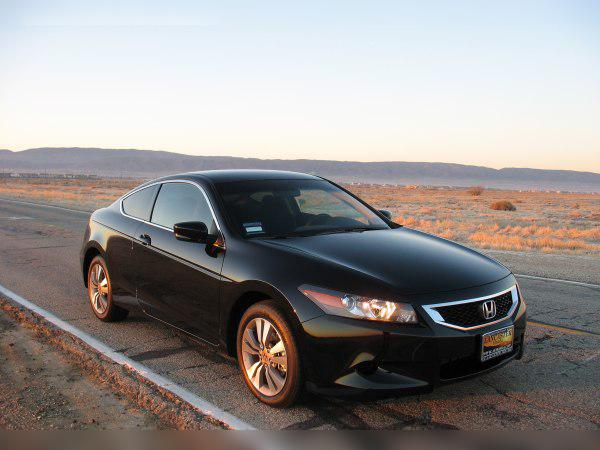
Honda K24Z3 (2.4 i-VTEC) – Experiences, problems, fuel consumption and buying tips
Key points (TL;DR)
- Reliability: Extremely reliable engine, one of Honda’s best modern-era engines, provided it is regularly maintained.
- Main issue: “Gurgling” / rattling noise on cold start (VTC actuator) is the most common flaw.
- Oil consumption: Can consume oil, especially if driven at high RPM or if service intervals were too long.
- Performance: Naturally aspirated engine that needs revs. Not for those who like a low‑RPM turbo “kick”.
- LPG: Handles LPG very well, but requires strict mechanical valve adjustment.
- Maintenance: Regular maintenance is generally affordable, but some specific parts (like the VTC gear) can be expensive.
Contents
- Introduction and applications
- Technical specifications
- Reliability and maintenance
- Specific parts and systems
- Fuel consumption and performance
- Additional options and LPG
- Gearbox and drivetrain
- Buying advice and conclusion
Introduction and applications
The engine designated K24Z3 belongs to Honda’s legendary K-series, known for its durability and ability to withstand high RPM. This specific 2.4‑liter unit is the heart of the eighth‑generation Honda Accord (known as the Accord CU2 in Europe and as the second‑generation Acura TSX in North America).
Unlike its smaller 2.0 sibling (R20 series in this generation), the K24Z3 offers a truly “premium” driving feel, with linear power delivery and the distinctive i-VTEC sound. Although turbo engines are the standard today, this naturally aspirated engine has a cult following among driving enthusiasts thanks to its throttle response and mechanical precision.
Technical specifications
| Specification | Data |
|---|---|
| Engine displacement | 2354 cc |
| Power | 140 kW (190 hp) @ 7000 rpm |
| Torque | 220 – 225 Nm @ 4400 rpm (depending on market) |
| Engine code | K24Z3 |
| Injection type | PGM-FI (port fuel injection into the intake manifold) |
| Induction | Naturally aspirated |
| Cylinders/valves | I4 / 16V DOHC i-VTEC |
Reliability and maintenance
Timing belt or chain?
The Honda K24Z3 uses a timing chain. It is generally very durable and designed to last the life of the engine. However, the chain can stretch if the oil is not changed regularly or if the oil level often drops below minimum. Chain rattle usually does not appear before 200,000 – 250,000 km, except in poorly maintained engines.
Most common issues
Although the engine is “bulletproof”, there are a few specific problems:
- VTC actuator (cam gear): This is the best‑known issue on the K24Z series. It manifests as a loud metallic rattle for 1–2 seconds only on a cold start. The problem is a spring inside the gear that loses tension, allowing the oil to drain out. While annoying, it rarely leads to catastrophic engine failure if not ignored for years, but replacement is not cheap (cost varies by market).
- Oil consumption: Due to the design of the piston rings to reduce friction, this engine can consume oil, especially on the highway at high RPM.
Major service
On this engine there is no classic “major service” involving a timing belt change. Instead, timing chain condition should be checked at around 200,000 km. However, what is MANDATORY on Hondas is valve adjustment. This engine does not have hydraulic lifters. Valve clearances must be checked and adjusted every 40,000 km (especially on LPG) and at most every 100,000 km (on petrol). If you hear a “tick-tick-tick” noise, the valves are likely out of adjustment.
Oil: quantity and grade
The engine takes approximately 4.2 to 4.4 liters of oil (with filter). Honda recommends 0W-20 for optimal fuel economy and cold‑start protection. However, for higher‑mileage engines or in hotter climates, 5W-30 (or even high‑quality fully synthetic 5W-40) has proven to be a better choice to reduce oil consumption and provide protection at high RPM.
Oil consumption
Consumption of up to 0.5 liters per 2,000 – 3,000 km is often considered “acceptable” by Honda if the car is driven aggressively. Still, a healthy engine in normal driving should not require topping up between services (every 10,000 km). If it uses a liter per 1,000 km, the usual culprit is stuck oil control rings.
Spark plugs
Only iridium spark plugs (NGK or Denso) should be used. Replacement intervals are long, usually around 100,000 to 120,000 km. Do not experiment with cheap copper plugs.
Specific parts (costs)
Dual‑mass flywheel
Yes. Models with a manual gearbox have a dual‑mass flywheel. Its lifespan is usually over 200,000 km because petrol engines produce fewer vibrations than diesels, but when the time comes to replace it, the clutch kit with flywheel is expensive. Models with an automatic gearbox do not have a dual‑mass flywheel.
Fuel injection system and injectors
The engine uses conventional multi‑point port injection. This is great news for owners because the injectors are extremely durable, rarely fail, and are not as sensitive to fuel quality as direct‑injection systems (GDI/FSI). There are no issues with carbon buildup on the intake valves.
Turbo, DPF, EGR, AdBlue?
- Turbo: None. The engine is naturally aspirated, which means one (expensive) worry less.
- DPF filter: None (this is a petrol engine).
- AdBlue: None.
- EGR valve: There is an exhaust gas recirculation system, but on this petrol engine the EGR valve very rarely clogs compared to diesels. Maintenance is minimal.
Fuel consumption and performance
Real‑world city consumption
Don’t expect miracles. This is a 2.4‑liter engine in a heavy body (the Accord is a heavy car). In city driving, real‑world consumption is 11 to 13 l/100 km. In heavy stop‑and‑go traffic and in winter, it can reach 14 liters.
Is the engine “lazy”?
The K24Z3 has 190 hp, which sounds like a lot, but the 220 Nm of torque comes in only at 4400 rpm. For drivers used to turbo diesels, the engine will feel “lazy” at low revs (below 3000 rpm). To make this car go quickly, you have to rev it. Once it passes 5000 rpm and VTEC switches to the more aggressive cam profile, the engine becomes very lively. It’s not slow; it just requires you to work the gearbox.
Highway driving
This is the natural habitat of the Accord with this engine. At 130 km/h in top gear (6th with the manual or 5th with the automatic), the engine spins at about 2,800 – 3,000 rpm (depending on the gearbox). It is very quiet and comfortable for cruising. Fuel consumption on the open road drops to 7.0 – 8.5 l/100 km.
Additional options and modifications
LPG conversion
Yes, this engine is an excellent candidate for LPG. Thanks to port injection, installation is straightforward and the system works perfectly. WARNING: When running on LPG, exhaust valve clearances close up faster due to higher combustion temperatures. Valve clearance inspection and adjustment must be done more frequently, ideally every 30,000 to 40,000 km. If you neglect this, the valves will eventually burn (an expensive cylinder head repair). A valve lubrication system (so‑called “valve saver”) is recommended, although not critical if valve adjustments are done regularly.
ECU remap (Stage 1)
On naturally aspirated engines, “chipping” does not bring dramatic gains like on turbo engines. With a Stage 1 map you can expect a gain of around 10 to 15 hp and slightly better throttle response. However, the most useful aspect of remapping this engine (e.g. with Hondata FlashPro) is lowering the VTEC engagement point (the RPM at which the more aggressive cam profile kicks in) from the stock ~5000 to about ~4500 rpm, which gives more power in the mid‑range and makes the car easier to drive in everyday use.
Gearbox
Manual gearbox
A 6‑speed manual gearbox is fitted. This is one of the best gearboxes in its class – precise, with short throws and a “click‑clack” feel. Most common issues: The 2nd and 3rd gear synchros can show signs of wear with aggressive driving (grinding during fast shifts). Gearbox oil (Honda MTF‑3) should be changed every 60,000 – 80,000 km.
Automatic gearbox
A 5‑speed conventional automatic (torque converter) is fitted. This is not a modern dual‑clutch gearbox, so it is a bit slower to respond and slightly increases fuel consumption. Reliability: Extremely reliable and robust. Failures are rare. Maintenance: Oil (ATF‑DW1) must be changed every 60,000 km (or 40,000 km in severe conditions). Neglecting oil changes leads to jerks during shifting.
Clutch replacement cost
For the manual gearbox, the clutch kit (pressure plate, disc, release bearing) is moderately priced. However, if the dual‑mass flywheel also needs replacing, the cost rises significantly and falls into the “very expensive” category (varies by market, but expect a serious bill). Fortunately, petrol engines do not “eat” flywheels like diesels do.
Buying used and conclusion
What to check before buying?
- Cold start: Insist that the engine be completely cold when you arrive. Start it and listen for rattling (VTC actuator) in the first 2 seconds.
- Oil level: Check the dipstick. If the level is at minimum or below, that’s a red flag that the owner does not monitor oil consumption.
- Steering rack: On the eighth‑gen Accord, the electric steering rack can develop play (steering “knock”). Check for strange noises when turning the wheel at a standstill.
- Rust: Honda improved corrosion protection, but check the wheel arches and underside, especially if the car was imported from northern Europe.
Conclusion:
The Honda K24Z3 is an engine for people who value mechanical perfection and reliability over low fuel consumption. If you can live with around 12 l/100 km in the city (or install LPG) and higher registration costs due to displacement (in countries where this is taxed), you will get one of the highest‑quality powertrains ever made.
It is ideal for drivers who enjoy engine sound and don’t mind using the gearbox to extract performance. Between the manual and automatic – the manual suits this engine’s character better and gets the most out of its 190 hp.
Was this content useful to you?
Your opinion helps us to improve the quality of the content.