JNA1 Engine
- Engine
- 2997 cm3
- Aspiration
- Naturally aspirated engine
- Fuel
- Petrol (Gasoline)
- Fuel injection system
- Multi-port manifold injection
- Power
- 240 hp @ 6250 rpm
- Torque
- 287 Nm @ 5000 rpm
- Cylinders
- 6
- Valves
- 24, 4 per cylinder
- Cylinders position
- V-engine
- Valvetrain
- SOHC, i-VTEC
- Oil capacity
- 4.3 l
- Coolant
- 8.4 l
- Systems
- Start & Stop System, Cylinder deactivation system
# Vehicles powered by this engine
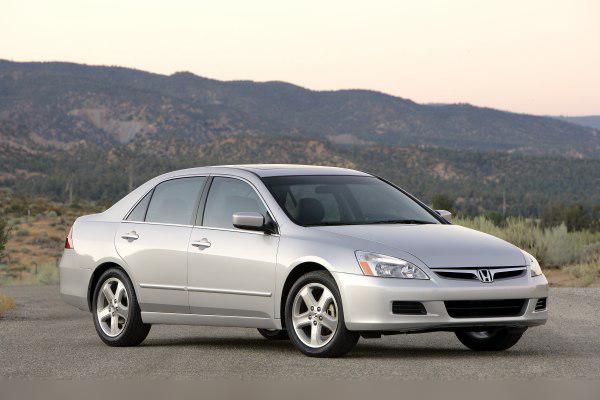
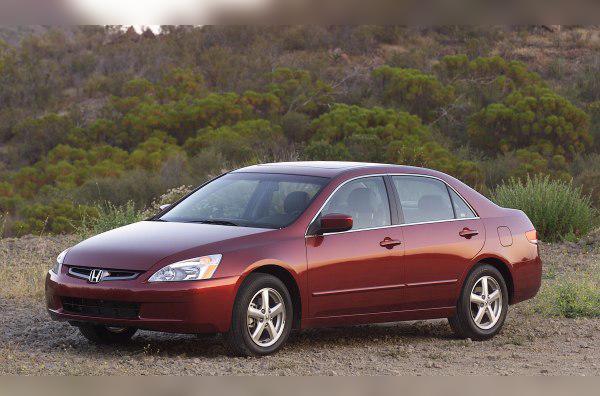
Honda JNA1 3.0 V6 i-VTEC IMA Hybrid: Experiences, Issues, Fuel Consumption and Maintenance
Key points (TL;DR)
- Performance over economy: This is not a hybrid built to break low-consumption records, but to offer V6 power with 4-cylinder fuel usage.
- Timing belt: The engine uses a timing belt that must be replaced on time, which is a significant maintenance cost.
- IMA battery: Considering the age, original hybrid batteries are likely at the end of their lifespan. Replacement is expensive (depends on the market).
- VCM system: The cylinder deactivation system for fuel saving can cause vibrations and increased oil consumption.
- Specific transmission: The automatic transmission is subjected to high torque (gasoline + electric), regular fluid changes are mandatory.
- No space for a spare wheel: Due to the battery in the trunk, space is limited.
Contents
- Introduction and application
- Technical specifications
- Reliability and maintenance
- Specific parts and systems
- Fuel consumption and performance
- Additional options (LPG and tuning)
- Transmission and drivetrain
- Buying used and conclusion
Introduction and application
The engine designated as JNA1 is a specific unit derived from Honda’s famous J-series V6 engines. It is a 3.0-liter V6 paired with Honda’s IMA (Integrated Motor Assist) hybrid system. This engine was primarily installed in the seventh-generation Honda Accord for the North American market (facelift models from 2005 to 2007).
What makes this engine interesting, and somewhat exotic on European roads (where it only appeared through individual imports), is the philosophy behind it. At the time, Honda wasn’t targeting “eco-drivers” like Toyota with the Prius, but enthusiasts. The idea was: V6 power with electric assistance, at the fuel consumption level of a regular 2.4 gasoline engine. That’s why this engine carries the label “Performance Hybrid”.
Technical specifications
| Specification | Value |
|---|---|
| Engine displacement | 2997 cc (3.0 L) |
| Configuration | V6, SOHC, VTEC |
| Power (combined) | approx. 186–188 kW (253–255 hp) |
| Torque | 287 Nm (engine) + additional torque from electric motor |
| Engine code | JNA1 (based on the J30A series) |
| Injection type | Multi-point (port fuel injection) |
| Induction | Naturally aspirated + electric assist |
| Hybrid system | IMA (mild hybrid) |
Reliability and maintenance
Although Honda engines are known for their durability, the JNA1, due to its hybrid nature and VCM technology, requires specific attention.
Timing belt or chain?
This is a key question for every owner. The JNA1 engine, like most Honda J-series V6 engines, uses a timing belt. This is not a chain-driven engine.
Recommendation: The major service must be done strictly on time. If the belt snaps, it will cause catastrophic engine damage (piston-to-valve contact).
Service intervals and oil
Major service: It is recommended to replace the timing belt, tensioner and water pump every 100,000 to 120,000 km or every 7 years, whichever comes first. For used imports, this is the first item that should be done.
Oil: The engine takes about 4.3 to 4.5 liters of oil. Due to the VCM (Variable Cylinder Management) system that shuts off cylinders to save fuel, viscosity is crucial. Only 0W-20 or 5W-20 is recommended. Thicker oil can disrupt the operation of the VCM solenoids.
Oil consumption: These engines are prone to oil consumption, especially because the VCM system can create vacuum in the deactivated cylinders and “pull” oil past the rings. Consumption of 0.5 to 0.8 liters per 10,000 km is considered acceptable, but anything above that requires checking the PCV valve or ring condition.
Spark plugs and injectors
The spark plugs are iridium and are replaced every 100,000 km. However, on this engine the plugs in the cylinders that get deactivated often get fouled (due to the aforementioned oil), so they should be inspected more frequently. The injectors are conventional gasoline injectors and are extremely durable; they rarely cause problems if quality fuel is used.
Most common failures
- Engine mounts: The active engine mounts (designed to cancel out vibrations when the engine runs on 3 cylinders) are expensive and often fail.
- IMA battery: The hybrid battery loses capacity. Symptoms include the “IMA” light coming on and loss of power during acceleration.
- Oil leaks: Valve cover gaskets and VTEC solenoid gaskets tend to harden and leak with age.
Specific parts (costs)
Dual-mass flywheel: This model uses an automatic transmission and a hybrid system, so it does not have a conventional dual-mass flywheel like diesels. However, the connection between the engine and transmission includes the electric motor, which makes any work in that area (e.g. crankshaft rear main seal) complicated and expensive in terms of labor.
Turbo and fuel injection: The engine does not have a turbocharger, which is a big advantage for longevity. Injection is PGM-FI (port fuel injection), which means there are no carbon buildup issues on the valves like with direct injection.
EGR valve: Yes, it has an EGR valve. It can get clogged with soot, leading to rough running and a “Check Engine” light. Cleaning is usually sufficient and not expensive.
AdBlue and DPF: As an older-generation gasoline hybrid, this engine does not have a DPF filter nor does it use AdBlue fluid.
Fuel consumption and performance
Is it sluggish? Absolutely not. With a combined 255 hp and instant torque from the electric motor, this car really pulls hard. 0–100 km/h is under 7 seconds, which is impressive for a sedan of that era.
Fuel consumption:
Expectations need to be realistic. This is not a Prius.
- City driving: Expect between 9 and 11 l/100 km. The hybrid system helps (start-stop, initial take-off), but a 3.0 V6 is still a big drinker when pushed.
- Open road: This is where the VCM system shines. By shutting down 3 cylinders while cruising, consumption can drop to 7–8 l/100 km.
- Highway: At 130 km/h the engine runs relaxed, usually below 2500 rpm, and is very quiet and comfortable for long-distance cruising.
Additional options and modifications
LPG conversion
Technically, the engine is suitable for LPG because it uses port fuel injection. BUT, there is a major logistical problem: Where to put the tank? The spare wheel well is occupied by the hybrid battery. Installing a cylindrical tank in the trunk drastically reduces luggage space. Also, calibrating the LPG system to work perfectly with the VCM system (cylinder deactivation) requires a top-notch specialist.
Chiptuning (Stage 1)
Naturally aspirated gasoline engines do not have great potential for “chipping”. The gains would be negligible (maybe 5–10 hp), and you risk disrupting the operation of the hybrid system. It’s not recommended to waste money on this.
Transmission
This engine was paired exclusively with a 5-speed automatic transmission. A manual gearbox was not an option for the hybrid version.
Transmission reliability: Honda automatic transmissions paired with V6 engines from that period have a history of overheating and failures. Although the hybrid version is reinforced, it is still subjected to high torque loads.
Transmission maintenance: The transmission fluid should be changed every 40,000 to 60,000 km. Use only genuine Honda DW-1 (or older Z-1) fluid. If the transmission starts to “jerk” or hesitate when shifting, that is the first sign of trouble. Rebuilds are very expensive (depends on the market).
Buying used and conclusion
Before buying a Honda with the JNA1 engine, pay attention to the following:
- IMA light: If it’s on, the battery is done. The cost of refurbishing or replacing it can exceed the value of the car.
- Vibrations: Drive the car at a constant speed (e.g. 80 km/h) to activate ECO mode (cylinder deactivation). If you feel strong vibrations, the engine mounts need replacement.
- Service history: When was the timing belt replaced? If there is no proof, count that cost in immediately.
Conclusion: The JNA1 is an engine for a very specific audience. It is intended for those who want V6 performance and technological exotica, and are willing to accept the risks of maintaining an old hybrid system. It is not for people looking for the cheapest transport from point A to point B, but for Honda enthusiasts who appreciate engineering.
Was this content useful to you?
Your opinion helps us to improve the quality of the content.