K24A8 Engine
- Engine
- 2354 cm3
- Aspiration
- Naturally aspirated engine
- Fuel
- Petrol (Gasoline)
- Fuel injection system
- Multi-port manifold injection
- Power
- 166 hp @ 5800 rpm
- Torque
- 218 Nm @ 4000 rpm
- Cylinders
- 4
- Valves
- 16, 4 per cylinder
- Cylinders position
- Inline
- Max engine speed
- 6500 rpm
- Valvetrain
- DOHC, i-VTEC
- Oil capacity
- 4.2 l
- Coolant
- 7.2 l
# Vehicles powered by this engine
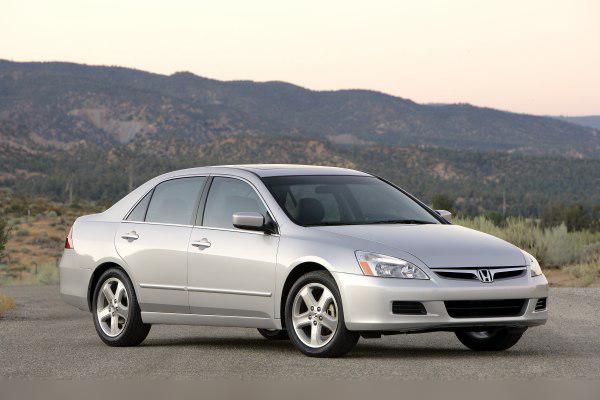
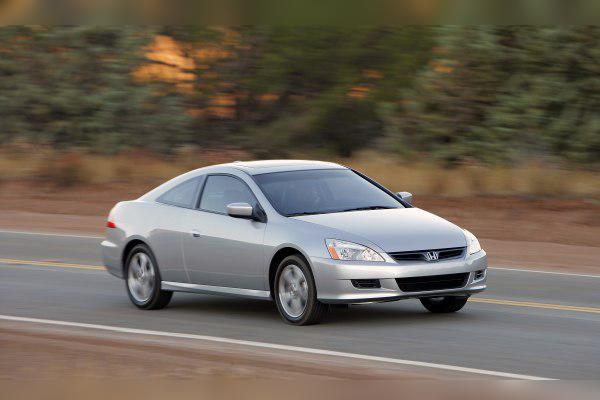
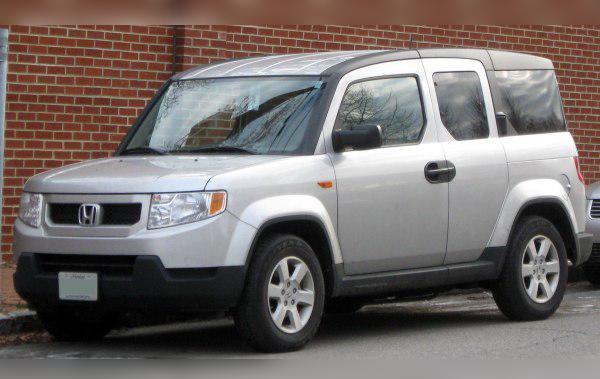
Honda K24A8 2.4 i-VTEC – Experiences, Problems, Fuel Consumption and Buying Used
When we talk about Honda’s K-series engines, we’re entering the territory of what many enthusiasts and mechanics consider the “golden age” of modern engineering. The K24A8 is a specific powerplant that was primarily found in the US versions of the Honda Accord (seventh generation, facelift) and the rugged Honda Element. This is not a high-revving beast like the ones in Type-R models, but rather a “workhorse” designed for comfort, torque and longevity.
With its 166 horsepower, this engine represents a balance between performance and efficiency, using the i-VTEC system to optimize valve operation more for efficiency than for racing. If you’re considering importing such a car or buying a Honda Element, this guide will reveal all the secrets under the hood.
Key points in short (TL;DR)
- Reliability: Extremely high. This is one of the most durable petrol engines on the market.
- Timing drive: Uses a chain, which reduces regular maintenance costs, but requires high-quality oil.
- Most common issue: Rattling of the VTC actuator on cold start (annoying, but solvable).
- Fuel consumption: Not a fuel-saver in city driving due to large displacement (expect over 11 liters).
- LPG: Handles LPG very well, but requires regular valve clearance adjustment.
- Maintenance: Requires strict valve clearance checks every 40,000–50,000 km.
Contents
- Technical Specifications
- Reliability and Maintenance
- Specific Components and Emissions Equipment
- Fuel Consumption and Performance
- Additional Options and Modifications (LPG)
- Gearbox and Drivetrain
- Used Car Buying Tips and Conclusion
Technical Specifications
Before we get into details about failures, here’s the “ID card” of the K24A8 engine:
| Specification | Value |
|---|---|
| Engine code | K24A8 |
| Displacement | 2354 cc (2.4 L) |
| Power | 124 kW (166 hp) at 5800 rpm |
| Torque | 218 Nm at 4000 rpm |
| Configuration | Inline 4-cylinder, DOHC, i-VTEC |
| Injection type | Multipoint (MPI) – Indirect |
| Aspiration | Naturally aspirated |
| Camshaft drive | Chain |
Reliability and Maintenance
Does this engine have a timing belt or a chain?
The K24A8 engine uses a timing chain. That’s great news for owners because the chain on this engine has no fixed replacement interval and often lasts as long as the engine itself (over 300,000 km), provided the oil is changed regularly. However, the chain can stretch if the engine is run low on oil or services are skipped, which will trigger the Check Engine light and cause poor engine operation.
What are the most common failures on this engine?
Although the engine is “bulletproof”, there are some characteristic issues:
- VTC actuator (rattle on start-up): This is the most well-known problem of the K-series. On a cold start you can hear a short, sharp rattle (like metal on metal) lasting 1–2 seconds. The cause is a faulty locking mechanism in the VTC gear that loses oil pressure. Although it sounds scary, it rarely leads to catastrophic failure, but it should be fixed by replacing the gear.
- Oil leak at the VTEC valve: The gasket behind the VTEC solenoid hardens over time and starts to leak oil. The repair is cheap and simple.
- Camshaft wear (less common): On poorly maintained engines, the lobes on the exhaust camshaft can get damaged (pitting), which manifests as valve ticking that cannot be adjusted away.
- Knock sensor: It can crack or fail, turning on the check engine light.
At what mileage is the “major service” done?
Since the engine has a chain, the classic “major service” (like with a belt at 100,000 km) doesn’t exist in that form. However, at around 200,000 km it’s recommended to thoroughly inspect the chain, guides and tensioner. At that time the water pump and serpentine belt with its rollers are usually replaced as well, if they haven’t been changed earlier.
Oil: quantity, grade and consumption
The sump holds approximately 4.2 to 4.4 liters of oil (with filter). The factory recommendation for the K24A8 (especially for the US market) is often 5W-20 for fuel economy. However, for European conditions and higher-mileage engines, 5W-30 (or even 5W-40 in hot summers) has proven to be a better option for protecting the chain and camshafts.
Oil consumption: The K24A8 is generally “tighter” than older Honda engines, but consumption of up to 0.5 liters per 3,000–5,000 km can be considered acceptable for a used engine, especially if it’s often driven in VTEC mode (high revs). If it uses more than a liter per 2,000 km, that points to stuck oil control rings or worn valve stem seals.
Spark plugs and valves
The spark plugs are iridium and are replaced every 100,000 to 120,000 km. Always use NGK or Denso.
Very important: This engine does not have hydraulic lifters. Valve adjustment is mandatory every 40,000–50,000 km (or more often if you run LPG). Symptoms of out-of-spec valves are rough idle or loud “tapping” from the cylinder head.
Specific Components (Costs)
Does the engine have a dual-mass flywheel?
Most models with this engine (US Accord VII, Element) come with an automatic transmission that uses a torque converter, so they do not have a dual-mass flywheel. Versions with a manual gearbox (rarer for the K24A8) usually use a solid flywheel, which is a big cost saver, but always check by VIN because there are variations depending on model year.
Fuel injection system and injectors
It uses a classic MPI (Multi-Point Injection) system. This is excellent news. The injectors are extremely durable, cheap to clean and rarely cause problems. There are no issues with carbon buildup on intake valves like on newer direct-injection engines.
Turbocharger, DPF, EGR, AdBlue?
- Turbo: The engine is naturally aspirated, it has no turbocharger. That means linear power delivery and one very expensive component less to maintain.
- DPF: Being a petrol engine, it does not have a DPF filter.
- EGR: It has an EGR valve. It can get clogged with soot (especially in city driving), which causes “hesitation” at light throttle. Cleaning is possible and not expensive.
- AdBlue: There is no AdBlue system.
Fuel Consumption and Performance
What is the real fuel consumption in city driving?
Don’t have illusions here. The K24A8 has a 2.4-liter displacement and pulls heavy bodies (Accord, the “boxy” and non-aerodynamic Element). In pure city driving, real-world consumption ranges from 11 to 14 liters per 100 km, depending on how heavy your right foot is and how bad the traffic is. In winter it can be even higher.
Is this engine “lazy” for the body?
With 166 hp and 218 Nm, the engine is not lazy, but it’s not a sports engine either. Thanks to the i-VTEC system and large displacement, it has more than enough power for overtaking and hills, even when the car is fully loaded. It’s much more “elastic” than the smaller 2.0 engine, which means you don’t have to constantly change gears (or force the automatic into kick-down) to get it to pull.
Behavior on the highway
This is the natural habitat of this engine. On the highway it’s quiet, refined and has enough power in reserve. At 130 km/h, depending on the gearbox (usually a 5-speed automatic), the engine spins at around 2,500 to 2,800 rpm, which contributes to lower noise and acceptable fuel consumption (around 7.5–9 l/100 km).
Additional Options and Modifications
Is this engine suitable for LPG conversion?
Yes, absolutely. The MPI injection system makes it an ideal candidate for LPG conversion. Installation is straightforward and the system works great. However, Honda engines have “soft” valve seats. If you run LPG, valve clearance checks are MANDATORY every 20,000–30,000 km. Ignoring this will lead to valve seat recession and an expensive cylinder head repair.
Remapping (Stage 1)
Since the engine is naturally aspirated, a remap will not bring dramatic gains. A Stage 1 map can add 5–10 hp, which you will barely notice. What can be improved through mapping (e.g. Hondata FlashPro, if the ECU is supported) is throttle response and lowering the VTEC engagement point, which makes the car livelier in the mid-range. Overall – not a worthwhile investment if you’re chasing outright power.
Gearbox
Types of gearboxes and issues
- Automatic (5-speed): The most common option with the K24A8. This is a classic Honda automatic. It’s more reliable than the ones in V6 models, but requires regular oil changes. Failure symptoms: slipping during shifts, harsh engagement when selecting D or R.
- Manual (5-speed): Rarer, but extremely precise and durable. Almost indestructible with normal use.
Gearbox service
The oil in the automatic gearbox should be changed every 40,000 to 60,000 km. Use only genuine Honda oil (ATF-DW1) or a high-quality equivalent that strictly meets Honda specifications. For the manual gearbox, an oil change (Honda MTF) is recommended at around 80,000–100,000 km. Replacing the clutch kit on the manual is not cheap, but not extremely expensive either (depends on market and labor), as it usually does not have a dual-mass flywheel.
Buying Used and Conclusion
When buying a Honda with the K24A8 engine, pay attention to the following:
- Cold start: Insist that the car is completely cold. Listen for a “krrr” sound in the first 2 seconds (VTC actuator).
- Idle: Once warm, it should idle smoothly. Vibrations can indicate out-of-spec valves or bad engine mounts (which are hydraulic and expensive).
- Oil: Check the level. If it’s at minimum or below, the owner probably didn’t take care of it, and the K-series does not forgive low oil (the chain suffers).
- Test drive: The gearbox must shift smoothly. Any jolt is a red flag.
Conclusion: The K24A8 is a fantastic engine for people who want peace of mind. It’s not as fast as the Type-S or Type-R variants, but it’s built to cover half a million kilometers with basic maintenance. If you don’t mind slightly higher fuel consumption in the city, this is one of the safest used-car choices from that era.
Was this content useful to you?
Your opinion helps us to improve the quality of the content.