J30A4 Engine
- Engine
- 2997 cm3
- Aspiration
- Naturally aspirated engine
- Fuel
- Petrol (Gasoline)
- Fuel injection system
- Multi-port manifold injection
- Power
- 240 hp @ 6250 rpm
- Torque
- 287 Nm @ 5000 rpm
- Cylinders
- 6
- Valves
- 24, 4 per cylinder
- Cylinders position
- V-engine
- Valvetrain
- SOHC, VTEC
- Oil capacity
- 4.3 l
- Coolant
- 8.2 l
# Vehicles powered by this engine
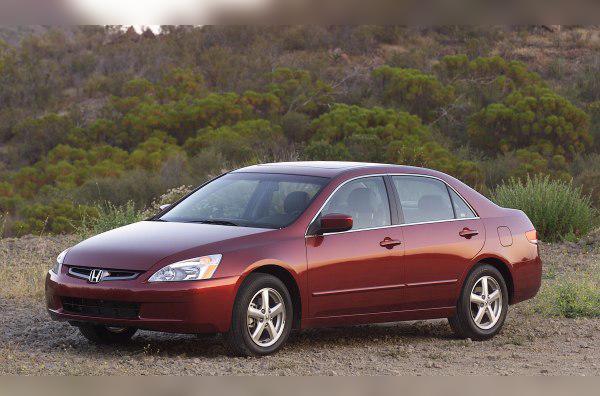
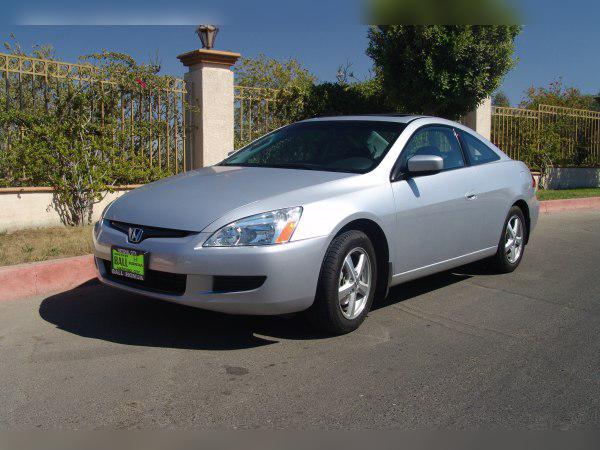
Honda J30A4 3.0 V6 VTEC: Experiences, issues, fuel consumption and used-buying tips
Key points (TL;DR)
- Great performance and sound: With 240 hp, this is one of the smoothest V6 engines of its era, a winner of many awards.
- Automatic gearbox is the weak spot: The 5-speed automatic paired with this engine is known for failures and overheating. A thorough check is mandatory.
- Timing belt: It’s not a chain! It requires regular – and not at all cheap – replacement every 100,000–120,000 km.
- City fuel consumption: Expect high numbers. This is an “American” at heart; city driving drinks fuel.
- LPG (Autogas): It handles LPG well, but requires regular valve adjustment because it has no hydraulic lifters.
- Recommendation: A fantastic engine for open roads and long-distance cruising; best avoided if you drive mostly in the city.
Contents
Introduction: About the J30A4
The engine designated as J30A4 is part of Honda’s legendary J-series of V6 engines. This particular unit became well known in the seventh generation of the Honda Accord models intended primarily for the North American market (but also parts of Asia and some specific imports into Europe). Unlike European Accords, which mostly relied on 2.0 and 2.4 petrol engines (K-series) or the 2.2 diesel, the J30A4 delivers a true “six-cylinder” feel – linear power, refined operation and serious torque.
What makes it special is the new generation of the VTEC system and an exhaust manifold integrated into the cylinder head, which reduced weight and improved catalytic converter warm-up. This is an engine for enthusiasts who want a sedan or coupe with a sporty character, but it also carries certain maintenance risks typical of large petrol engines of that era.
Technical specifications
| Specification | Data |
|---|---|
| Engine code | J30A4 |
| Displacement | 2997 cc (3.0 L) |
| Configuration | V6 (60-degree angle) |
| Power | 177 kW (240 hp) @ 6250 rpm |
| Torque | 287 Nm @ 5000 rpm |
| Injection type | PGM-FI (multi-point indirect) |
| Aspiration | Naturally aspirated |
Reliability and maintenance
Timing belt or chain?
This is crucial information for every owner: The J30A4 uses a timing belt (rubber timing belt), not a chain. That means the major service is mandatory and critical. A snapped belt will cause piston-to-valve contact (it’s an interference engine), which usually means complete engine failure.
Major service and intervals
The major service must be done every 100,000 to 120,000 km or every 5 to 7 years, whichever comes first. When replacing the belt, you must also replace the tensioner, idler pulleys and the water pump, since it is driven by the timing belt as well. It is recommended to use only OEM Honda parts or reputable Japanese aftermarket brands (e.g. Aisin, Koyo), because poor quality here can be very expensive.
Most common issues
The engine itself (block and head) is extremely durable (“bulletproof”), but the peripherals can cause problems:
- EGR valve and passages: They often get clogged with carbon deposits, causing rough idle and a lit “Check Engine” light. Cleaning the EGR intake passages is a common maintenance task.
- Engine mounts: Due to the high torque of the V6, the mounts (especially active/hydraulic ones) tend to fail. Symptoms are strong vibrations in the cabin when accelerating or when stopped at a light in “D”. They are expensive to replace.
- Oil leaks: Valve cover gaskets and VTEC solenoid gaskets can harden with age, and you may notice a burning oil smell if it drips onto the exhaust manifold.
Oil: Capacity and consumption
The engine takes approximately 4.3 to 4.5 liters of oil (with filter). The commonly recommended viscosity is 5W-20 (due to tight tolerances and fuel economy), although in warmer climates or on higher-mileage engines 5W-30 is often used.
As for oil consumption: VTEC engines are designed to use a bit of oil when driven at high rpm (in the VTEC zone). Consumption of 0.5 to 0.8 liters per 10,000 km is considered completely normal. If it uses a liter per 1,000 km, you likely have an issue with piston rings or valve stem seals (the latter is less common on this model).
Spark plugs
The spark plugs are iridium and are replaced every 100,000 to 120,000 km. Access to the rear bank of cylinders (towards the cabin) is a bit more difficult, so mechanics usually charge more labor for this job than on inline four-cylinders.
Specific parts and costs
Fuel injection system: It uses a standard PGM-FI multi-point system. The injectors are very reliable and rarely cause problems if quality fuel is used. It is not direct injection, which means there are no carbon build-up issues on intake valves like on many newer engines.
Turbo and DPF/EGR/AdBlue: This engine does not have a turbocharger (it’s a pure naturally aspirated engine), it has no DPF filter (it’s a petrol engine) and no AdBlue system. It does have an EGR valve which, as mentioned, requires occasional cleaning. This significantly reduces maintenance costs compared to modern diesels or turbo-petrol engines.
Fuel consumption and performance
Is the engine sluggish? Absolutely not. With 240 hp and almost 300 Nm of torque, the J30A4 turned the Accord into a real rocket for its time. Throttle response is instant (no turbo lag), and the sound above 4,500 rpm when VTEC kicks in is fantastic.
Fuel consumption (real-world):
- City driving: Get your wallet ready. Consumption ranges from 13 to 16 liters per 100 km, depending on traffic and how heavy your right foot is. In winter, it can be even higher.
- Highway: This is where the engine shines. Thanks to the V6 configuration and long gearing, consumption drops to 8 to 10 liters per 100 km at normal cruising speeds.
- Cruising: At 130 km/h the engine spins at relatively low rpm (around 2,500–2,800 rpm in top gear), making the drive quiet and comfortable.
Extras and modifications
LPG (Autogas) conversion
Yes, the J30A4 is suitable for LPG, but with a big warning: Honda engines do not have hydraulic valve lifters. This means that valve clearances tighten over time. LPG burns at a higher temperature, which accelerates this process. If you run LPG, valve adjustment is mandatory every 20,000–30,000 km. If you ignore this, the exhaust valves will burn, and the repair is very expensive (both cylinder heads have to come off). With a quality LPG system and regular valve adjustments, the engine can cover hundreds of thousands of kilometers on gas.
Chiptuning (Stage 1)
Since this is a naturally aspirated engine, “chipping” (remap) does not bring dramatic gains like on turbo engines. You can expect an increase of about 10 to 15 hp and a slightly better throttle response, but the investment rarely pays off if you’re chasing power alone. A better investment is a quality exhaust system (cat-back) and a cold air intake to free up the sound and some of the engine’s potential.
Gearbox: The Achilles’ heel of this model
This is the most important section of the text. The J30A4 was most commonly paired with a 5-speed automatic transmission. The 6-speed manual was mostly available in the Coupe version (“6-6” – V6 6-speed) and is extremely rare and sought after.
Automatic transmission (5AT)
Honda’s automatic transmissions from the early 2000s paired with V6 engines are notorious for failures. The main issue is overheating of the fluid and poor lubrication of second gear.
- Failure symptoms: Long delay when engaging gear (especially reverse or from first to second), jerking, slipping (revs rise but the car doesn’t accelerate), flashing “D” indicator.
- Maintenance: The fluid in the automatic transmission (Honda ATF-Z1 or the newer DW-1) must be changed more often than the factory interval – ideally every 40,000 to 60,000 km. Installing an additional transmission oil cooler (aftermarket transmission cooler) is also recommended to extend its lifespan.
Manual transmission (6MT)
If you find a car with a manual gearbox – buy it. These gearboxes are robust, precise and let you get the most out of the engine.
- Dual-mass flywheel: Yes, manual V6 versions have a dual-mass flywheel. Its job is to dampen vibrations.
- Clutch replacement cost: Replacing the clutch kit together with the dual-mass flywheel is an expensive job (exact amount depends on the market, but count on it being “expensive”). However, they last a long time if driven properly.
Buying used and conclusion
What to check before buying:
- Gearbox (first and foremost): Drive the car until it is fully warmed up. It must shift imperceptibly. Any thump when changing gears is a sign you should walk away from that example. Check the color of the transmission fluid on the dipstick – it must be reddish, never brown or smelling burnt.
- Major service: Ask for proof of when the timing belt was changed. If there is no proof, immediately factor that cost (parts + labor) into the price of the car.
- Engine mounts: Put it in D, hold the brake and give it a bit of throttle. If the engine looks like it wants to jump out of the bay, the mounts are done.
- Leaks: Check the power steering pump (a common issue on Hondas of that era – the O-ring seals harden and the pump starts whining).
Final verdict
The Honda Accord with the J30A4 engine is a fantastic cruiser. The engine is an engineering gem – powerful, smooth and durable. However, it is trapped in a car that often has a problematic automatic transmission.
This car is intended for drivers who spend a lot of time on open roads and want plenty of power under their right foot, and who are willing to pay higher registration and fuel costs for that pleasure. If you find a manual – you’ve got a collector’s item. If you’re buying an automatic – checking the transmission’s maintenance history is absolutely essential.
Was this content useful to you?
Your opinion helps us to improve the quality of the content.