L12B3 Engine
- Engine
- 1199 cm3
- Aspiration
- Naturally aspirated engine
- Fuel
- Petrol (Gasoline)
- Fuel injection system
- Multi-port manifold injection
- Power
- 90 hp @ 6000 rpm
- Torque
- 110 Nm @ 4800 rpm
- Cylinders
- 4
- Valves
- 16, 4 per cylinder
- Cylinders position
- Inline
- Valvetrain
- SOHC, i-VTEC
# Vehicles powered by this engine
Honda L12B3 1.2 i-VTEC – Experiences, Issues, Fuel Consumption and Buying Tips
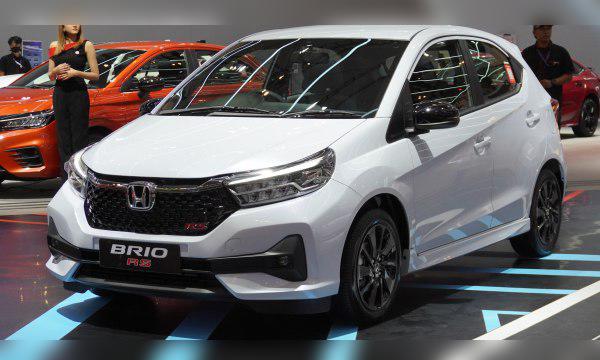
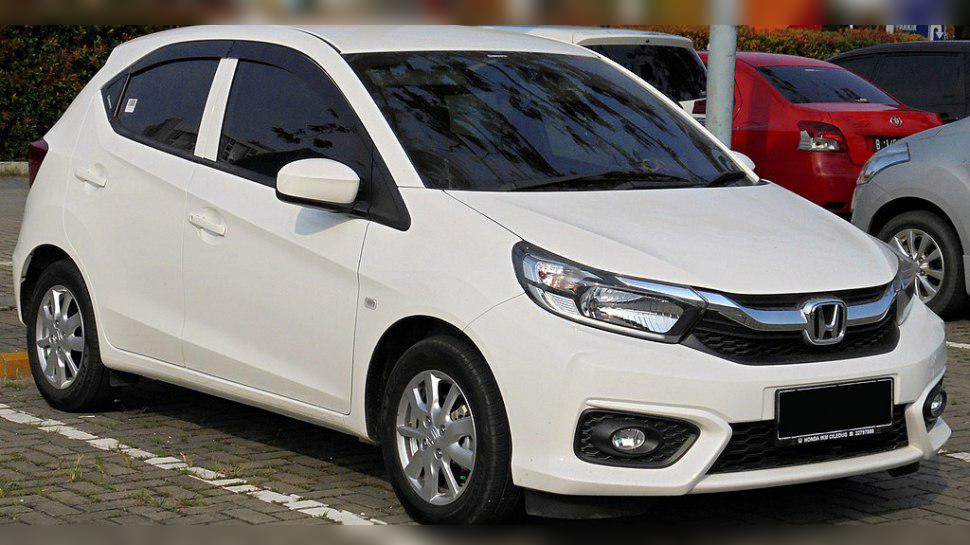
When it comes to small city cars, Honda has always had a reputation for engineering precision. The engine designated L12B3 belongs to Honda’s proven L-series of powerplants and is the heart of models such as the second-generation Honda Brio (including RS and facelift versions). This is a classic representative of the Japanese philosophy: simple construction, high revs and a focus on efficiency.
Although this engine is not a traffic-light sprint champion, its role is clear – to provide reliable transport from point A to point B with minimal maintenance costs. In the following text we analyze in detail what to expect if you opt for a vehicle with this 1.2 i-VTEC engine.
Key points in short (TL;DR)
- Timing chain: Uses a timing chain that is very durable and rarely causes problems.
- Naturally aspirated engine: No turbocharger, no dual-mass flywheel, no complicated injection systems.
- CVT gearbox: Requires strictly regular oil changes; otherwise it is prone to expensive failures.
- Performance: The engine lacks torque at low revs; it needs to be “revved” for any kind of serious action.
- Fuel consumption: Very economical in the city, but consumption rises exponentially on the highway at speeds above 120 km/h.
- LPG: Suitable for LPG conversion, with mandatory valve clearance checks.
- Recommendation: Ideal for city driving and for drivers who value reliability over performance.
Contents
- Technical Specifications
- Reliability and Maintenance
- Specific Parts and Costs
- Fuel Consumption and Performance
- Additional Options and Modifications
- Gearbox (Manual and CVT)
- Buying Used and Conclusion
Technical Specifications
| Engine code | L12B3 |
| Displacement | 1199 cc (1.2 L) |
| Configuration | Inline 4-cylinder, SOHC i-VTEC |
| Power | 66 kW (90 hp) @ 6000 rpm |
| Torque | 110 Nm @ 4800 rpm |
| Aspiration | Naturally aspirated |
| Injection type | MPI (Multi-Point Injection) |
| Camshaft drive | Chain |
Reliability and Maintenance
Honda built its name on reliable petrol engines, and the L12B3 is no exception. This is an “old-school” engine wrapped in more modern materials.
Timing system: Chain or belt?
This engine uses a timing chain. That’s great news for owners because the chain on Honda L-series engines usually lasts as long as the engine itself, provided the oil is changed regularly. It does not need to be replaced preventively like a timing belt; it is only replaced if it starts to make noise (rattling on cold start), which rarely happens before 200,000–250,000 km.
Most common issues
The engine is mechanically very robust, but there are a few minor things that can be annoying:
- Dirty throttle body: Can cause rough idle or stalling. Solved with a simple cleaning.
- Valve adjustment: Although i-VTEC is a modern system, this SOHC engine often requires mechanical valve clearance adjustment every 40,000 to 60,000 km. If neglected, the engine becomes noisier (ticking/“clattering”) and loses power.
- Engine mounts: Due to the vibrations of a four-cylinder in a small body, the rubber engine mounts can fail earlier than expected.
Service intervals and oil
A minor service is recommended every 10,000 to 15,000 km or once a year (whichever comes first). Because the i-VTEC system uses oil pressure to operate variable valve timing, oil cleanliness is crucial.
- Oil capacity: The engine takes about 3.5 to 3.8 liters (with filter).
- Viscosity: Honda recommends thin oils for efficiency. The most common is 0W-20. In warmer climates or for higher-mileage engines, 5W-30 is also an acceptable option.
- Oil consumption: A healthy L12B3 engine should not consume a noticeable amount of oil between services. Consumption up to 0.5 liters per 10,000 km is considered acceptable. If it uses more, the usual culprits are valve stem seals or stuck piston rings due to poor maintenance.
Spark plugs
If the engine uses iridium spark plugs (standard on newer Hondas), the replacement interval is around 100,000 km. If standard nickel plugs are used to save money, they must be replaced every 40,000 km. Iridium is always recommended to protect the ignition coils.
Specific Parts (Costs)
Maintaining this engine falls into the category: Affordable (depending on the market). There are no expensive components that are the nightmare of modern diesels.
- Dual-mass flywheel: NONE. This engine uses a classic solid flywheel. The clutch is cheap and of simple design.
- Injection system: Uses indirect MPI (Multi-Point Injection). Injectors are robust, not too sensitive to slightly poorer fuel quality and very rarely fail. There is no expensive high-pressure pump as with direct injection.
- Turbocharger: NONE. The engine is naturally aspirated, which means one less worry (no turbo rebuilds, intercooler issues, or burst hoses).
- DPF / EGR: As a petrol engine, it has no DPF filter. It has a catalytic converter. An EGR valve is present, but on petrol engines it clogs with soot much less frequently than on diesels. A GPF (gasoline particulate filter) is generally not fitted on this model (depending on market and production year), because MPI engines emit fewer particulates than direct-injection petrol engines.
- AdBlue: Not used.
Fuel Consumption and Performance
City driving
This is the L12B3’s home turf. In the city you can expect real-world consumption between 6.0 and 7.5 l/100 km. With a light right foot and a CVT gearbox that keeps the engine in its optimal range, it is possible to get below 6 liters.
Is the engine “sluggish”?
With 90 hp and only 110 Nm of torque at a high 4800 rpm, the engine can be described as “sluggish” at low revs. You have to rev it above 3500–4000 rpm for the car to pull properly, for example when joining a fast road. For the weight of the Honda Brio (which is light, under 1000 kg), the power is quite sufficient for smooth driving, but do not expect sporty performance, not even in the RS version.
Highway
This is not a car for long highway cruising. At 130 km/h, the engine (depending on the gearbox) spins at around 3500 to 4000 rpm. This results in increased cabin noise and fuel consumption jumping to 7.0–8.0 l/100 km. The lack of torque means that for every overtake or incline on the highway you will have to shift down (or the CVT will do it aggressively for you).
Additional Options and Modifications
LPG conversion
YES, it is suitable. Since it uses indirect injection, LPG installation is simple and relatively cheap. However, Honda engines have sensitive valve seats. If you plan to run on LPG, it is recommended to install a system with valve lubrication (to cool the valves) and to perform more frequent valve clearance checks (every 30,000 km).
Chiptuning (Stage 1)
On small-displacement naturally aspirated engines, remapping is basically a waste of money. You might gain 3–5 hp and a barely noticeable improvement in throttle response. It is much wiser to invest that money in quality tires or regular maintenance.
Gearbox
With the L12B3 engine in the Honda Brio you get two options:
1. Manual gearbox (5-speed)
Honda’s manual gearboxes are among the best in the world in terms of shift feel (that precise “click-clack” sensation). They are very reliable. The gearbox oil should be changed every 60,000 to 80,000 km. The clutch kit is inexpensive and replacement is not complicated.
2. CVT automatic gearbox (Earth Dreams Technology)
This is the most common choice. The CVT (continuously variable transmission) provides smooth, jerk-free driving.
- Failures: If the oil is not changed, the belt inside the gearbox starts to slip, which leads to jerking and complete failure. Repairs are very expensive (often more expensive than a used engine).
- Maintenance: The oil in the CVT (only genuine Honda HCF-2 or an approved equivalent) must be changed every 40,000 km or 2 years. This is critical for longevity!
- Symptoms of problems: Hesitation when setting off, whining noise that follows engine speed, jerks when decelerating.
Buying Used and Conclusion
If you are looking at a Honda Brio with this engine, focus on the following:
- CVT service history: If it is an automatic and there is no proof that the gearbox oil has been changed, this is a major risk.
- Chain noise: Start the engine when it is completely cold. If you hear metallic rattling that lasts longer than 2–3 seconds, the chain or tensioner needs replacement.
- Idle: The engine should idle smoothly. Fluctuating revs indicate a dirty throttle body or sensor issues.
- Test drive: Go out on an open road and floor the throttle. The engine should accelerate linearly up to the redline without “hiccups”.
Conclusion: The Honda L12B3 is an excellent, rational choice for drivers who primarily use their car in urban traffic. Reliability is top-notch, and maintenance costs are minimal if basic service rules are followed. It is not for those seeking sporty performance or who frequently travel long distances on the highway, but as a city warrior – it is hard to find a better competitor.
Was this content useful to you?
Your opinion helps us to improve the quality of the content.