N16A1 Engine
- Engine
- 1597 cm3
- Aspiration
- Turbocharger, Intercooler
- Fuel
- Diesel
- Fuel injection system
- Diesel Commonrail
- Power
- 120 hp @ 4000 rpm
- Torque
- 300 Nm @ 2000 rpm
- Cylinders
- 4
- Valves
- 16, 4 per cylinder
- Cylinders position
- Inline
- Valvetrain
- DOHC
- Oil capacity
- 4.7 l
- Coolant
- 5.7 l
- Systems
- Start & Stop System, Particulate filter
# Vehicles powered by this engine
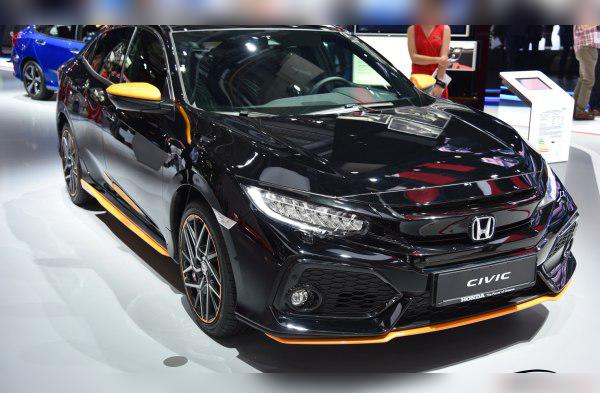

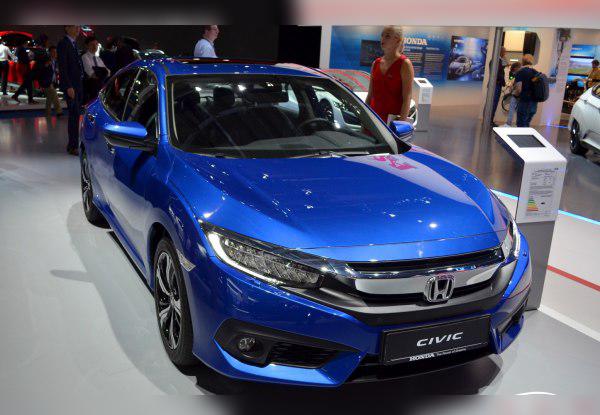

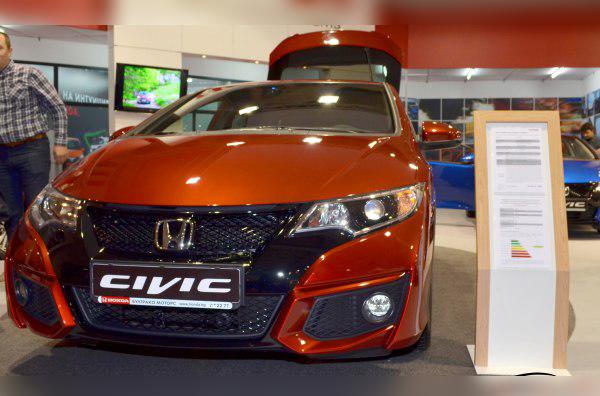
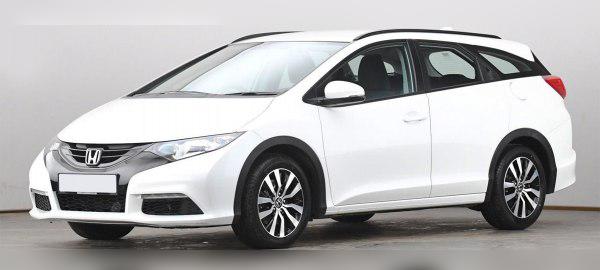
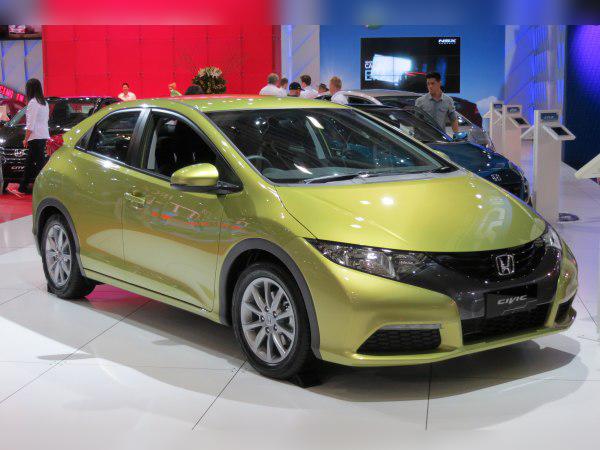
Honda 1.6 i-DTEC (N16A1) – Experiences, problems, fuel consumption and used car buying guide
If you’re looking for the “golden middle ground” in the world of diesel engines from the last decade, Honda’s 1.6 i-DTEC (code N16A1) is probably one of the best candidates. This engine was Honda’s answer to the European “downsizing” trend, replacing the legendary but heavy 2.2 i-DTEC unit.
As part of the “Earth Dreams Technology” series, this engine was designed to be the lightest in its class, with the goal of delivering outstanding fuel economy without sacrificing Honda’s well-known engineering quality. It was installed in the Civic IX and Civic X generations (hatchback, sedan and wagon versions), and drivers appreciate it for its incredibly low fuel consumption and torque that makes driving dynamic.
Key points (TL;DR)
- Timing drive: Uses a chain which is very reliable and does not require frequent replacement.
- Fuel consumption: One of the most economical engines on the market (realistically below 5L on the highway).
- Maintenance: Requires specific 0W-20 or 0W-30 oil; does not tolerate poor maintenance.
- DPF and Emissions: DPF filter is standard, and the Civic X generation often uses an AdBlue system which can be expensive to repair.
- Transmissions: Excellent 6-speed manual or modern 9-speed automatic (ZF) in newer models.
- Flywheel: Equipped with a dual-mass flywheel which is a wear item.
- Recommendation: Ideal for drivers who cover high mileage on open roads.
Contents
- Technical specifications
- Reliability and maintenance
- Specific parts (Costs)
- Fuel consumption and performance
- Additional options and modifications
- Transmission
- Buying used and conclusion
Technical specifications
| Feature | Data |
|---|---|
| Engine code | N16A1 (i-DTEC) |
| Displacement | 1597 cc |
| Power | 88 kW (120 hp) |
| Torque | 300 Nm at 2000 rpm |
| Fuel type | Diesel (Common Rail) |
| Induction | Turbocharger (VGT) + intercooler |
| Block material | Aluminium (open-deck design) |
Reliability and maintenance
Timing system (Chain or belt?)
The Honda 1.6 i-DTEC engine uses a timing chain for valve timing. This is great news for owners because, unlike a belt, the chain has no fixed replacement interval. It is designed to last the life of the engine, provided that the oil is changed regularly. However, at high mileage (over 250,000 km) you should listen for noise on cold start – metallic rattling is a sign that the chain is stretched or that the tensioners have weakened.
Most common failures
Although this is one of the most reliable diesels in its class, it is not immune to problems:
- MAF sensor (air flow meter): It can get dirty or fail, resulting in “flat spots” in acceleration or loss of power. Often, cleaning solves the problem, but sometimes replacement is necessary.
- Intercooler hoses: On older examples (Civic IX), hoses sometimes crack, which leads to air whistling and loss of power.
- Sensitivity to fuel quality: Like any modern CR diesel, it requires high-quality fuel. Poor diesel quickly clogs the fuel filter and can damage the high-pressure pump.
Service intervals and oil
Minor service is recommended every 10,000 to 15,000 km (or once a year), although Honda specifies longer intervals (20,000 km). To prolong the life of the chain and turbo, shorten the interval.
Oil: The engine takes about 4.7 to 5.1 litres of oil (depending on whether the filter is changed and the draining method). The recommended grade is strictly 0W-20 or 0W-30 with ACEA C2/C3 specification. This “thin” oil is crucial for low friction and proper DPF operation. Using thicker oil (e.g. 5W-40) is not recommended.
Oil consumption
This engine is known for not consuming oil excessively. Consumption of 200–300 ml per 10,000 km is acceptable. If it consumes more than 0.5 litres per 1,000 km, this indicates a problem with piston rings, turbocharger or the PCV valve.
Injector durability
The system uses Bosch solenoid injectors, which have proven to be very robust and cheaper to refurbish than the piezo injectors used by some competitors. With good-quality fuel and regular fuel filter changes, the injectors easily last 200,000–250,000 km. Symptoms of bad injectors are rough idle, increased smoke under acceleration and harder starting.
Specific parts (Costs)
Dual-mass flywheel
Yes, the 1.6 i-DTEC engine combined with a manual gearbox has a dual-mass flywheel (DMF). Its role is to dampen diesel engine vibrations. Service life depends on driving style, but it usually lasts between 150,000 and 200,000 km. Replacing the clutch kit together with the flywheel is a significant expense (very expensive, depends on the market).
Turbocharger
The engine uses a single Garrett variable-geometry turbocharger (VGT). The turbo is compact, responds quickly (small “turbo lag”) and is generally long-lasting. It is not prone to premature failure if the engine is not switched off immediately after hard driving. The electronic actuator for the geometry can sometimes cause issues, but this is rare.
DPF, EGR and AdBlue
All models have a DPF filter and an EGR valve.
- Civic IX (up to 2017): Mostly Euro 5 and early Euro 6 standard. The DPF regenerates passively or actively. If you drive only in the city, clogging is inevitable.
- Civic X (from 2017): These models meet stricter standards and most are equipped with an AdBlue system (SCR catalyst). Maintenance includes topping up AdBlue fluid. Weak points can be the pump and AdBlue heater, whose replacement is expensive (depends on the market).
Fuel consumption and performance
Real-world fuel consumption
This is the strongest selling point of this engine. Real-life figures are impressive:
- City driving: 5.0–6.5 l/100 km (depending on traffic and gearbox).
- Open road (single carriageway): 3.5–4.5 l/100 km.
- Motorway (130 km/h): 5.0–5.5 l/100 km.
Is the engine “lazy”?
Absolutely not. With 300 Nm of torque available from just 2000 rpm, the engine pulls the Civic body (hatchback, sedan or wagon) very well. Acceleration is linear, and in-gear acceleration (e.g. from 80 to 120 km/h) is very strong, making overtaking safe. Don’t expect a sports car, but for everyday use there is more than enough power.
Motorway cruising
The engine is very refined and quiet. At 130 km/h in top gear (6th gear on the manual), the engine spins at about 2,200 to 2,300 rpm. With the 9-speed automatic, revs are even lower, which contributes to cabin quietness and low fuel consumption.
Additional options and modifications
Remapping (Stage 1)
Honda’s 1.6 i-DTEC engine has a solid power reserve. A Stage 1 remap can safely raise power to around 145–150 hp and torque to 340–360 Nm. However, be careful: the increased torque puts additional stress on the dual-mass flywheel and clutch. If the clutch is already worn, remapping will speed up its demise. It is recommended only with reputable tuners.
Transmission
Manual and automatic gearboxes
- Manual (6-speed): Standard in most models. One of the best manual gearboxes in its class – short throw, precise (“click-clack” feel). Very reliable.
- Automatic (9-speed – ZF 9HP): Installed in the Civic X (from 2017). This is a conventional automatic with a torque converter, not a CVT and not a dual-clutch.
Gearbox failures and maintenance
Manual: Almost indestructible. The only major expense is the clutch kit and dual-mass flywheel. Gearbox oil should be changed every 60,000–80,000 km (Honda MTF-3).
Automatic (ZF 9HP): Very comfortable and efficient, but complex. Some owners have reported confusing shifting at low speeds (software issue, solved with an update). Although manufacturers often say “sealed for life”, changing the automatic transmission fluid is mandatory every 60,000 to 80,000 km to prevent expensive failures of the mechatronics and solenoids. Servicing the automatic is expensive (depends on the market).
Buying used and conclusion
Before buying a Honda with this engine, pay attention to the following:
- Cold start: Listen to the chain in the first 3–5 seconds of operation. Any rattling is a red flag.
- Flywheel: When switching the engine off there should be no metallic knock. The clutch pedal must not vibrate when pressed halfway.
- AdBlue (for Civic X): Check whether there are any emission-related warnings on the instrument cluster.
- Service history: Check whether the correct 0W-20/30 oil has been used. Using the wrong oil will kill this engine in the long run.
Conclusion
The Honda 1.6 i-DTEC is an excellent engine. It ranks among the very best small-displacement diesels on offer. It provides a perfect balance between performance and extremely low fuel consumption. If you drive more than 15,000 km per year, especially on open roads, this is the right choice for you. Although some parts (flywheel, specific sensors) are sometimes more expensive than on European rivals, they fail less often, so the overall running costs are very favourable.
Was this content useful to you?
Your opinion helps us to improve the quality of the content.