L15B7 Engine
- Engine
- 1498 cm3
- Aspiration
- Turbocharger, Intercooler
- Fuel
- Petrol (Gasoline)
- Fuel injection system
- Direct injection
- Power
- 182 hp @ 6000 rpm
- Torque
- 220 Nm
- Cylinders
- 4
- Valves
- 16, 4 per cylinder
- Cylinders position
- Inline
- Valvetrain
- DOHC
- Oil capacity
- 3.5 l
- Coolant
- 5.1 l
# Vehicles powered by this engine
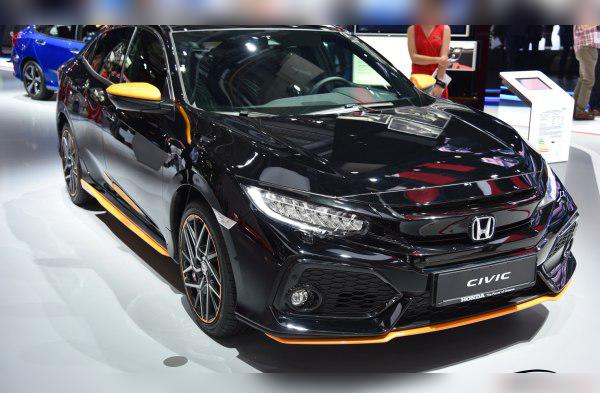
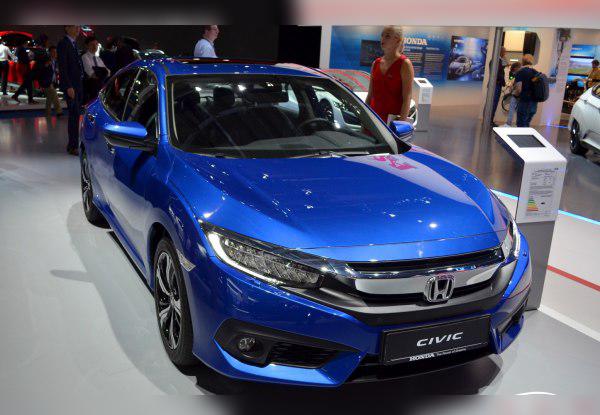
Honda 1.5 VTEC Turbo (L15B7) – experiences, problems, fuel consumption and used car buying guide
Key points (TL;DR)
- Performance: Excellent balance of power and fuel consumption. The engine is very lively and flexible, drastically different from the old naturally aspirated VTEC engines.
- Oil issue (Oil Dilution): The most well-known drawback is fuel mixing with oil in the sump, especially with frequent short drives in cold conditions.
- Timing drive: Uses a chain which is generally reliable with regular maintenance.
- Transmissions: Comes with a precise 6-speed manual or a CVT automatic. Both are reliable, but the CVT requires a specific driving style and regular fluid changes.
- Direct injection: The system is efficient but makes LPG (autogas) installation more complex and expensive.
- Recommendation: Ideal for drivers who want a sporty feel with low fuel consumption, provided they don’t drive exclusively short 2–3 km trips in winter.
Contents
- Technical specifications
- Reliability and Maintenance
- Specific Parts (Costs)
- Fuel Consumption and Performance
- Additional Options and Modifications
- Transmission
- Buying Used and Conclusion
With the L15B7 engine, Honda made a radical turn. Brand enthusiasts were used to high-revving naturally aspirated engines, but the 1.5 VTEC Turbo brings a modern downsizing philosophy to the tenth-generation Civic (Civic X). This engine is important because it represents Honda’s answer to European turbo petrol engines, offering high torque at low revs, which makes everyday driving much more relaxed. It is primarily installed in Civic Hatchback and Sedan variants, replacing the former 1.8 and 2.0 naturally aspirated units.
Technical specifications
| Specification | Data |
|---|---|
| Engine code | L15B7 |
| Displacement | 1498 cc (1.5 L) |
| Power | 134 kW (182 hp) |
| Torque | 220 Nm (CVT) / 240 Nm (Manual – depending on market) |
| Injection type | Direct injection (GDI) |
| Induction | Turbocharger (mono-scroll) + intercooler |
| Valve timing | DOHC VTEC (Variable Valve Timing) |
Reliability and Maintenance
Timing system and service intervals
Good news for owners is that the L15B7 engine uses a timing chain, not a belt. Honda chains are traditionally durable and rarely cause issues before 200,000 km, provided the oil is changed regularly. There is no fixed replacement interval for the chain; it is replaced only if it starts making noise (rattling on cold start) or stretches, which is checked via diagnostics or by physically checking the timing.
An oil service is recommended every 10,000 km to 15,000 km or once a year. Although the manufacturer may allow longer intervals (“variable” service intervals via the trip computer), due to the nature of this engine (turbo + direct injection), shortening the interval is key to longevity. A “major service” in the classic sense (belt replacement) does not exist; it comes down to checking the chain, replacing the auxiliary (serpentine) belt and tensioner if needed, usually around 100,000–120,000 km.
“Oil Dilution” issue (Oil and fuel mixing)
This is the most discussed problem with this engine. On early production batches (2016–2018), especially in cold climates, it was noticed that the oil level rises. The cause is fuel condensing on the cylinder walls and running down into the sump.
Symptoms: Smell of petrol on the dipstick and oil level above the MAX mark.
Cause: The engine is so efficient that it warms up slowly, and direct injection at cold start uses a rich mixture. If you drive short distances, the fuel doesn’t have time to evaporate from the hot oil.
Solution: Honda issued a software update (ECU and climate control unit) that allows the engine to warm up faster. Most vehicles have already been recalled and updated. Still, regularly checking the oil level is mandatory.
Oil and Spark Plugs
The engine takes approximately 3.5 to 3.7 litres of oil (with filter). Only 0W-20 grade is recommended. Thin oils are necessary due to tight tolerances and turbo efficiency. Do not experiment with thicker oils (such as 5W-40) unless you are in an extremely hot climate and after consulting a specialist.
Oil consumption (burning) is rare on this engine. If the level drops, it is a sign of a problem (leaks at seals or turbo issues). It is much more common for the level to “rise” due to the aforementioned fuel issue. It is normal for the level to remain stable from service to service.
The spark plugs are iridium (NGK or Denso) and more expensive than regular ones. The factory replacement interval is often around 100,000 km, but in practice they should be replaced every 60,000–80,000 km to protect the ignition coils and ensure optimal combustion.
Specific Parts (Costs)
Injection system and Turbo
The engine uses high-pressure direct fuel injection. Injectors are generally reliable but sensitive to poor fuel quality. Carbon deposits can build up on the intake valves because fuel does not wash them (as with port injection engines), but Honda has a well-designed oil vapour separator, so this is not as critical as on older European competitors. Walnut shell blasting of the valves may be needed at higher mileage (over 150,000 km).
The turbocharger is a Mitsubishi (MHI) TD03, a small, low-inertia “single scroll” turbo. It is very reliable if quality oil is used. Turbo failures are rare and usually the result of poor maintenance rather than a factory defect. Rebuilding is possible, but a new unit is (very expensive – depends on the market).
Dual-mass flywheel and Emissions
Does it have a dual-mass flywheel? It depends on the transmission.
Versions with a manual gearbox have a dual-mass flywheel. It serves to dampen vibrations and torque shocks. Its lifespan is around 150,000–200,000 km, depending on driving style. Replacing the clutch kit with the flywheel is (expensive – depends on the market).
Versions with a CVT gearbox do not have a dual-mass flywheel, but use a torque converter instead, which makes this part of maintenance cheaper.
As for emissions, this petrol engine does not have an EGR valve in the classic sense (it uses the VTC system for internal exhaust gas recirculation), which is one less thing to worry about. However, newer versions (from 2018/2019 onwards, Euro 6d-TEMP) are equipped with a GPF filter (Gasoline Particulate Filter). It works similarly to a DPF on diesels, but regenerates much more easily (the high exhaust temperature of a petrol engine does this passively). Clogging is extremely rare. The engine does not have an AdBlue system.
Fuel Consumption and Performance
The L15B7 is probably the best engine in its class in terms of performance-to-consumption ratio. With 182 hp, the Civic X accelerates from 0–100 km/h in about 8.2 seconds (figures vary for Sedan/Hatch and MT/CVT).
Fuel consumption:
- City driving: Realistically expect between 7.5 and 9.0 l/100 km. In heavy traffic it can go up to 10 litres, but the stop-start system is quite effective.
- Open road: This is where the engine shines. At 80–90 km/h, consumption drops below 5.5 litres.
- Motorway: At 130 km/h, the engine spins at a low 2,500–2,800 rpm (the CVT keeps revs even lower when cruising). Consumption is around 6.0 to 7.0 l/100 km.
The engine is anything but “lazy”. On the contrary, maximum torque is available from just 1,700 rpm, which means it delivers its punch immediately, without needing to rev into the red like the old VTEC engines. Overtaking is safe and quick.
Additional Options and Modifications
LPG (Autogas)
Due to direct fuel injection, LPG installation is complex and expensive. It requires a “Direct Injection” LPG system that simultaneously injects a small amount of petrol to cool the injectors (consumption: 80% LPG, 20% petrol) or very expensive liquid LPG injection systems. Considering the low petrol consumption, the cost-effectiveness of LPG installation is questionable for an average driver who does not cover huge mileage.
Remapping (Tuning)
The L15B7 responds very well to tuning. With a Stage 1 remap you can safely get around 200–210 hp and a significant torque increase.
Warning: The stock manual clutch is sized “on the edge” and often starts slipping after remapping. The CVT gearbox also has its torque limits, so overdoing it can damage the belt in the transmission. A moderate Stage 1 is safe; anything beyond that requires mechanical upgrades.
Transmission
This engine comes with two options:
- 6-speed manual gearbox: Honda manual gearboxes are legendary. Short throw, precise “click”, a joy to use. The most common “failure” is actually a wear item – the clutch kit. With aggressive driving, the clutch can wear out faster than expected. Gearbox oil should be changed every 60,000–80,000 km (Honda MTF-3 is used).
- CVT (Continuously Variable Transmission): This is not a classic automatic with gears, but a variator. Honda did an excellent job here simulating “shifts” under heavy throttle to avoid the “rubber band” or “vacuum cleaner” effect.
CVT reliability: Very reliable IF maintained properly.
Maintenance: The CVT fluid (HCF-2) MUST be changed every 40,000 km (or at every second engine oil change, depending on the service schedule for the specific market, but more frequent changes are better). Neglecting this leads to expensive failures.
Buying Used and Conclusion
When buying a used Honda Civic with the 1.5 Turbo engine, pay attention to the following:
- Oil dipstick: Pull it out and smell the oil. A strong petrol smell indicates an “Oil Dilution” problem. Check whether the oil level is too high.
- Cold start: Listen to the engine when it is completely cold. Chain rattling in the first few seconds may indicate a tensioner issue.
- CVT test: If it’s an automatic, acceleration must be smooth, without jerks or hesitation when moving off from a standstill.
- Service history: This is crucial. Was the oil changed on time and was 0W-20 used?
Conclusion: The Honda 1.5 VTEC Turbo (L15B7) is a fantastic engineering achievement that offers hot-hatch performance with the fuel consumption of a small city car. It is aimed at drivers who enjoy driving but also need practicality. If you avoid examples that were driven exclusively on short trips (cold starts) and change the oil regularly, this engine will serve you for hundreds of thousands of kilometres with minimal running costs.
Was this content useful to you?
Your opinion helps us to improve the quality of the content.