L15B Engine
- Engine
- 1496 cm3
- Aspiration
- Turbocharger, Intercooler
- Fuel
- Petrol (Gasoline)
- Fuel injection system
- Direct injection
- Power
- 174 hp @ 6000 rpm
- Torque
- 220 Nm
- Cylinders
- 4
- Valves
- 16, 4 per cylinder
- Cylinders position
- Inline
- Oil capacity
- 3.5 l
- Coolant
- 5.1 l
# Vehicles powered by this engine
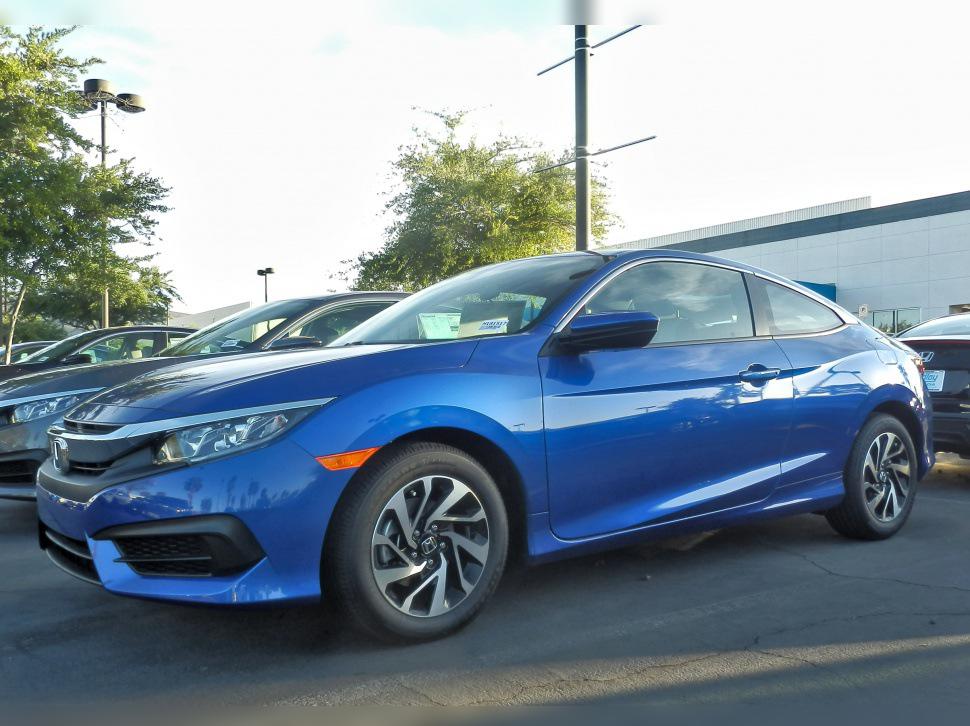
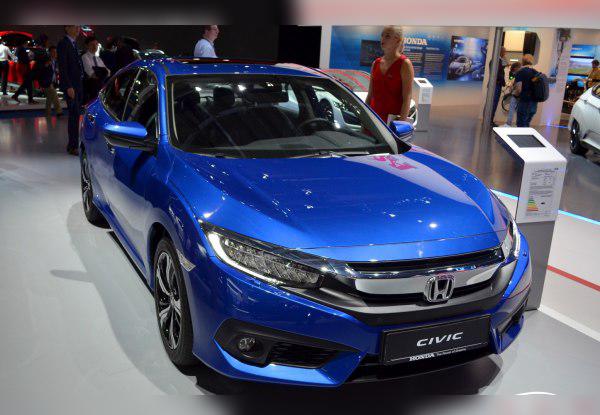
Honda 1.5 VTEC Turbo (L15B) – Experiences, Problems, Fuel Consumption and Buying Used
Honda made a bold move when, in the tenth generation Civic, it replaced its legendary naturally aspirated engines with turbocharged units. The engine we’re talking about today, code name L15B (most often L15B7), is the heart of modern Honda. With its 174 hp (or 182 hp in some variants), this 1.5‑liter unit offers impressive performance on paper, but internet forums are full of discussions about “oil and fuel mixing.” As someone who follows mechanics in detail, I’ll tell you what’s true, what’s exaggerated, and whether this is an engine you should avoid or buy with a smile.
Key points in short (TL;DR)
- Performance: Extremely lively engine, feels stronger than the specs suggest. Not “lazy” at all.
- Oil dilution problem: The biggest downside of this engine. Fuel can get into the oil pan, especially with cold starts and short trips.
- Timing drive: Uses a chain which is reliable and does not require frequent replacement.
- Transmission (CVT): Specific driving feel. Requires regular fluid changes every 40,000 km, but is one of the better CVTs on the market.
- Direct injection: Prone to carbon buildup on intake valves.
- LPG (Autogas): Not recommended or cost‑effective due to the direct injection system.
- Recommendation: An excellent choice for drivers who cover higher mileage on open roads. Not ideal as a “city car” for short winter trips.
Contents
- Technical Specifications
- Reliability and Maintenance
- Specific Parts (Costs)
- Fuel Consumption and Performance
- Additional Options and Modifications
- Transmission (CVT and Manual)
- Buying Used and Conclusion
Technical Specifications
| Feature | Value |
|---|---|
| Engine displacement | 1496 cc (1.5 L) |
| Power | 128 kW (174 hp) @ 6000 rpm |
| Torque | 220 Nm @ 1700–5500 rpm |
| Engine code | L15B / L15B7 |
| Injection type | Direct injection (GDI) |
| Charging method | Single‑scroll turbocharger + intercooler |
| Camshaft drive | Chain (Timing Chain) |
Reliability and Maintenance
Honda engines have for decades been synonymous with indestructibility, but the L15B7 brought some controversy. Still, with proper understanding, this is a very durable unit.
Timing system: Belt or Chain?
This engine uses a chain to drive the camshafts. The chain is designed to last the entire service life of the engine (“lifetime”), which in practice means you shouldn’t have issues before 200,000 or 250,000 km. There is no need for an expensive major timing belt service at 100,000 km. However, regular oil changes are crucial for the longevity of the chain and tensioner.
Most common issues: The “Oil Dilution” problem
The best‑known problem with this engine is fuel getting into the engine oil pan (oil dilution). This happens because the engine has direct injection and high efficiency, so it warms up slowly. In cold climates, if you drive short distances, unburned fuel runs down the cylinder walls and mixes with the oil.
Symptoms: The oil level on the dipstick rises above the maximum and the oil has a strong fuel smell.
Solution: Honda has released software updates (ECU update) that change the injection map and A/C operation so the engine warms up faster. Also, more frequent oil changes are mandatory if you drive mostly in the city.
Service intervals and Oil
There is no classic “major service” in the sense of belt replacement; instead, the condition of the chain and the serpentine (auxiliary) belt is checked.
Oil: This engine takes approximately 3.5 to 3.7 liters of oil (with filter). The recommended grade is strictly 0W‑20. Due to the thin oil, the turbocharger, and the mentioned fuel dilution issue, I recommend changing the oil at a maximum of 10,000 km or once a year, regardless of what the trip computer says.
Oil consumption
By itself, a healthy L15B does not consume oil to a worrying extent. Consumption up to 0.5 liters per 10,000 km is considered acceptable. Paradoxically, due to the dilution problem, the oil level can actually rise instead of dropping.
Spark plugs
High‑performance iridium spark plugs are used. Although the manufacturer specifies longer intervals, for a turbo engine with direct injection the recommendation is replacement every 80,000 to 100,000 km. If the car is tuned, this interval should be halved.
Specific Parts (Costs)
Maintaining a Honda is not as cheap as with some European competitors, but the parts are extremely high quality.
Injection system and Turbo
The engine uses direct injection. The injectors are precise but sensitive to poor‑quality fuel. You can hear them “ticking” at idle, which is normal for this type of injection. They are not prone to widespread failures, but cleaning the intake valves from carbon deposits (carbon cleaning) may be necessary at higher mileage (150,000+ km).
Turbocharger: The engine has a single Mitsubishi TD03 low‑inertia turbocharger. It is very reliable. With regular oil changes, its service life follows the life of the engine. The electronically controlled wastegate can sometimes cause rattling noises, but this is not a common failure that requires urgent intervention.
Emissions: DPF, EGR, GPF
This is a petrol engine, so it does not have a DPF filter (which is for diesels) and does not have an AdBlue system. That is a huge advantage compared to modern diesels.
However, models produced from 2018 (Euro 6d‑TEMP) may have a GPF (Gasoline Particulate Filter). GPFs rarely clog because exhaust gas temperatures in petrol engines are much higher, so passive regeneration happens constantly. There is an EGR valve, but it rarely causes issues before 200,000 km.
Dual‑mass flywheel
If you drive a model with a CVT transmission, it does not have a classic dual‑mass flywheel like manual gearboxes, but uses a torque converter and a flex plate instead. That’s one expensive component less to maintain. Models with a manual gearbox do have a dual‑mass flywheel.
Fuel Consumption and Performance
Is the 1.5 engine “lazy”?
Absolutely not. Don’t let the 1.5‑liter displacement fool you. Thanks to the turbo, the 220 Nm of torque is available from just 1700 rpm. The car pulls linearly and strongly. In practice, this engine often shows more horsepower on dyno tests than stated (often over 180 hp). The Civic X body is not very heavy, so in‑gear acceleration is excellent.
Real‑world fuel consumption
- City driving: Expect between 7.5 and 9.0 l/100 km. The CVT helps keep revs low in traffic, which saves fuel. A heavy right foot in the city easily pushes this to 10 liters.
- Country roads: This is where the engine shines. It’s possible to get consumption down to 5.0 – 6.0 l/100 km.
- Motorway (130 km/h): Consumption is around 6.5 – 7.5 l/100 km.
At 130 km/h, thanks to the CVT transmission with its “infinite” ratio, the engine spins at a very low 2000 to 2200 rpm (depending on road conditions). This makes driving very quiet and economical.
Additional Options and Modifications
LPG conversion (Autogas)
Not recommended. Due to the direct injection system, the injectors are located directly in the cylinder and are cooled by petrol. Installing a regular sequential LPG system is not possible. You need an expensive system (direct liquid gas injection or a system that still uses 20–30% petrol alongside LPG to cool the injectors). The installation cost is high (over 1000 EUR, depending on the market), and the payback is questionable. You also lose boot space.
Chip tuning (Stage 1)
The L15B is very “tuning‑friendly.” Stage 1 maps safely raise power to 200 – 210 hp and torque to around 260–280 Nm.
Warning for CVT: The CVT transmission has a limit to how much torque it can handle before the belt inside starts to slip. If you do a remap, ask for a “torque‑limited” map or one specifically adapted for CVT so you don’t destroy the gearbox.
Transmission: Manual and CVT
In the models you mentioned (Civic Coupe/Sedan 1.5), you will most often find a CVT (Continuously Variable Transmission), although there is also a 6‑speed manual gearbox.
CVT transmission
Honda’s “Earth Dreams” CVT is probably one of the best on the market. It doesn’t behave like a “scooter”; instead, it simulates gear changes when you floor the throttle, which gives a more natural feel.
- Most common issues: Generally reliable, but sensitive to overheating if the car is driven aggressively for a long time (e.g. on a track).
- Maintenance: Changing the CVT fluid is MANDATORY every 40,000 km or every two years. Use only genuine Honda HCF‑2 fluid. Neglecting this leads to expensive failures (whining, slipping).
Manual gearbox
If you find a car with a manual gearbox, you’ll enjoy one of the best shifters in the world – short and precise throws.
Costs: The manual has a dual‑mass flywheel. A clutch kit with flywheel is quite expensive (very expensive, depending on the market), and the clutch may start to slip if the engine power is increased with a remap, because the stock clutch is sized “right on the limit” for 240 Nm.
Buying Used and Conclusion
Before buying a used Honda with this engine, pay attention to the following:
- Check the oil: Pull out the dipstick. If the oil level is well above the maximum and there is a strong fuel smell, that’s a sign of oil dilution issues. Ask the owner whether the software recall has been done.
- Air conditioning: The Civic X has a known weak point with the A/C condenser (radiator), which is prone to leaking. Check whether the A/C cools properly.
- Chain noise: On a cold start, listen for any rattling from the chain in the first few seconds. You shouldn’t hear it.
- CVT behavior: The transmission should take off smoothly, without jerks or hesitation.
Conclusion:
The Honda Civic with the 1.5 Turbo (L15B) engine is a fantastic car that combines a sporty character with efficiency. This is an engine for people who enjoy driving. If you cover very short distances (under 5 km per trip), especially in winter, this engine can suffer from fuel buildup in the oil. For everyone else, especially those who have a mix of city and highway driving, this is a modern machine which, with regular (slightly more frequent) oil changes, will serve flawlessly.
Was this content useful to you?
Your opinion helps us to improve the quality of the content.