R18Z1 Engine
- Engine
- 1798 cm3
- Aspiration
- Naturally aspirated engine
- Fuel
- Petrol (Gasoline)
- Fuel injection system
- Multi-port manifold injection
- Power
- 140 hp @ 6500 rpm
- Torque
- 174 Nm @ 4300 rpm
- Cylinders
- 4
- Valves
- 16, 4 per cylinder
- Cylinders position
- Inline
- Max engine speed
- 6700 rpm
- Valvetrain
- SOHC, i-VTEC
- Oil capacity
- 3.7 l
- Coolant
- 5.6 l
# Vehicles powered by this engine
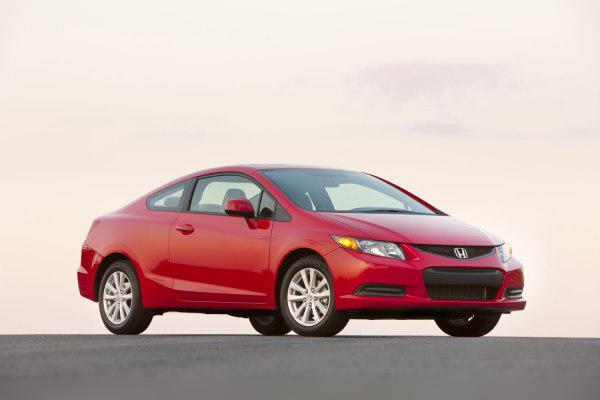
Honda 1.8 i-VTEC (R18Z1) – Experiences, issues, fuel consumption and used car buying guide
Key points (TL;DR)
- Reliability: This is one of the most reliable petrol engines of the modern era. Failures are extremely rare with regular maintenance.
- Timing: The engine uses a timing chain, designed to last as long as the engine itself.
- Performance: No turbocharger. Power delivery is linear, and overtaking requires high revs (dropping down a gear).
- Maintenance: No expensive components such as a dual-mass flywheel (on most variants), turbocharger, DPF or high-pressure injectors.
- LPG (Autogas): An excellent candidate for LPG installation, with mandatory valve clearance checks.
- Gearbox: Available with a precise manual or a conventional automatic transmission. Both are durable.
- Recommendation: Ideal for drivers who want peace of mind and low maintenance costs, and are not chasing sports-car performance.
Contents
- Technical specifications
- Reliability and maintenance
- Specific parts (costs)
- Fuel consumption and performance
- Additional options and modifications
- Gearbox
- Buying used and conclusion
The R18Z1 engine is an evolution of Honda’s famous R-series engines (successor to the R18A), which earned its reputation in previous generations of the Civic (“UFO” model). It was primarily installed in the 9th generation Honda Civic (including the Coupe version, common on the US market but also seen in Europe through imports).
Unlike European competitors who at the time were massively switching to downsized small-displacement turbo engines, Honda with this unit remained faithful to naturally aspirated higher displacement technology. The result is an engine that may lack the punch of a turbo, but offers the kind of indestructibility rarely seen today. It’s important to note that this is a SOHC engine (single camshaft), which simplified the design without sacrificing performance thanks to the i-VTEC system.
Technical specifications
| Specification | Data |
|---|---|
| Engine displacement | 1798 cc (1.8 L) |
| Power | 103 kW (140 hp) at 6500 rpm |
| Torque | 174 Nm at 4300 rpm |
| Engine code | R18Z1 |
| Injection type | Multi-point (port fuel injection) |
| Induction | Naturally aspirated |
| Number of cylinders / valves | 4 / 16 (i-VTEC) |
Reliability and maintenance
Timing system: Chain or belt?
Honda’s R18Z1 engine uses a timing chain to drive the valves. This is great news for owners, as the chain on this engine is extremely robust. Unlike some European manufacturers where chains snap at low mileage, here the chain usually lasts for the entire service life of the engine and does not require preventive replacement, unless a characteristic rattling noise appears (typically above 250,000–300,000 km).
Most common issues
This engine is considered “unbreakable”, but there are a few small things to watch out for:
- Valve adjustment: This is not a failure, but a requirement. The engine does not have hydraulic lifters. Valve clearance must be checked and adjusted mechanically. If this is neglected, the engine can become noisy or lose compression (burnt valves).
- Serpentine belt tensioner: The hydraulic tensioner of the auxiliary (serpentine) belt can sometimes weaken, causing an unpleasant noise.
- Engine mounts: Hydraulic engine mounts can fail over the years, which manifests as increased vibrations in the cabin, especially when the car is idling.
Service intervals and oil
An oil service is recommended every 10,000 to 15,000 km or once a year. A classic “major service” (timing belt replacement) does not exist because of the chain, but at around 100,000–120,000 km it is recommended to carry out a thorough inspection, replace the auxiliary belt, water pump and coolant.
Oil quantity and grade: The engine takes approximately 3.7 to 4.0 litres of oil (including the filter). Honda primarily recommends 0W-20 for fuel economy, but in warmer climates or on higher-mileage engines, 5W-30 is safely used.
Oil consumption: R18Z1 engines are known for not consuming oil excessively. Consumption up to 0.5 litres per 10,000 km is acceptable, but most owners do not need to top up between services. If it uses more than that, valve stem seals or piston rings should be checked (rare).
Spark plugs
Hondas use iridium spark plugs (usually NGK or Denso). Their replacement interval is long, typically every 100,000 to 120,000 km. Do not skimp on spark plugs; use only the recommended part numbers.
Specific parts (costs)
Dual-mass flywheel
This depends on the market and gearbox. Models with an automatic transmission do not have a dual-mass flywheel. Versions with a manual gearbox (especially European Civic models) may have a dual-mass flywheel for comfort, but it is significantly more durable and cheaper than on diesel engines because it is subjected to lower torque. Many US-market versions (Coupe) have a conventional solid flywheel. It is best to check by VIN.
Fuel injection system and turbo
The R18Z1 is a naturally aspirated engine, which means it does not have a turbocharger. This eliminates potential expensive failures of the turbo, intercooler and associated hoses.
The fuel system is a classic multi-point (PGM-FI) setup. Injectors are robust, do not clog easily and are inexpensive to clean or replace. There are no issues with carbon buildup on intake valves as with direct-injection engines.
Emissions equipment (EGR, DPF, AdBlue)
As a petrol engine, it does not have a DPF filter or AdBlue system. It does have an EGR valve and a catalytic converter. The EGR valve rarely gets dirty enough to cause problems, and even if it does, cleaning is straightforward. Catalytic converter issues may appear only at very high mileage or if the engine has been run with poor combustion (bad plugs/coils).
Fuel consumption and performance
City driving
Although the engine is 1.8 litres, thanks to the i-VTEC system which at low loads operates in an “economy mode” (delayed intake valve closing, simulating an Atkinson cycle), fuel consumption is moderate.
Real-world city consumption ranges from 8.5 to 10.5 l/100 km, depending on traffic and how heavy your right foot is. The automatic can use about 0.5 to 1 litre more.
Is the engine “lazy”?
By today’s standards, where we are used to torquey turbo diesels, this engine can feel lazy at low revs (below 3000 rpm). For the 9th gen Civic Coupe to pull strongly, you have to drive it like a typical Honda – above 4000 rpm. That’s when the engine changes its sound and character and becomes quite lively. For relaxed driving, there is more than enough power, but for overtaking you will need to drop one or two gears.
Highway driving
On the motorway the car is stable and comfortable. At 130 km/h, in top gear (6th on the manual or 5th on the automatic), the engine spins at around 3000 to 3200 rpm. Fuel consumption on the open road is around 6.5 to 7.5 l/100 km.
Additional options and modifications
LPG (Autogas) conversion
The R18Z1 engine is ideal for LPG. Since it has port injection and a plastic intake manifold, a sequential LPG system works perfectly.
IMPORTANT: If you run on LPG, the valve clearance inspection interval should be shortened to every 20,000–30,000 km, because LPG burns at a higher temperature, which can lead to faster valve seat recession.
Remapping (Stage 1)
Given that this is a naturally aspirated petrol engine, a “Stage 1 remap” is basically throwing money away. The power gain would be negligible (3 to 5 hp), which you will not feel in real driving. It is better to invest in quality tyres and regular maintenance.
Gearbox
Types of gearboxes
With this engine in the 9th gen Civic Coupe you get two options:
- 6-speed manual: One of the best in its class. Throws are short and precise (a “click-clack” feel).
- 5-speed automatic: A conventional automatic with a torque converter. This is not a CVT (although later generations got CVTs), which is good news for longevity.
Gearbox issues and maintenance
- Manual: Failures are extremely rare. Clutch kit replacement is a standard wear item. The cost of a clutch kit (without flywheel) is in the mid-range (not expensive, market-dependent). Oil in the manual gearbox should be changed every 60,000 to 80,000 km (use genuine Honda MTF oil).
- Automatic: Very reliable if maintained. It is recommended to change the transmission fluid and filter every 60,000 km. Failures are rare, but if the gearbox starts to “bang” when shifting or slips, it is a sign of neglect or torque converter failure.
Buying used and conclusion
When buying a Honda with the R18Z1 engine, check the following:
- Engine noise when cold: Listen for metallic chain rattle (a sign of chain stretch, although rare).
- Ticking noises: Light ticking is normal (injectors), but loud knocking from the cylinder head means the valves are out of adjustment.
- Service history: Check whether the oil has been changed regularly and whether the valves have ever been adjusted.
- Vibrations: Check the engine mounts (put it in D and hold the brake if it’s an automatic, or blip the throttle abruptly if it’s a manual).
Conclusion: The Honda Civic with the 1.8 i-VTEC engine is a car for those who want to buy it and then forget about mechanics. It is not the fastest in its class, nor the most economical in the city, but it offers an excellent balance of performance and legendary reliability. If you find a well-maintained example, it is one of the safest used-car purchases on the market.
Was this content useful to you?
Your opinion helps us to improve the quality of the content.