N22A2 Engine
- Engine
- 2204 cm3
- Aspiration
- Turbocharger, Intercooler
- Fuel
- Diesel
- Fuel injection system
- Diesel Commonrail
- Power
- 140 hp @ 4000 rpm
- Torque
- 340 Nm @ 2000 rpm
- Cylinders
- 4
- Valves
- 16, 4 per cylinder
- Cylinders position
- Inline
- Valvetrain
- DOHC
- Oil capacity
- 5.9 l
- Coolant
- 6.8 l
- Systems
- Particulate filter
# Vehicles powered by this engine
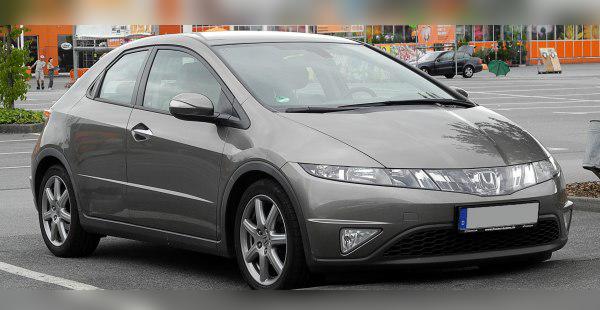

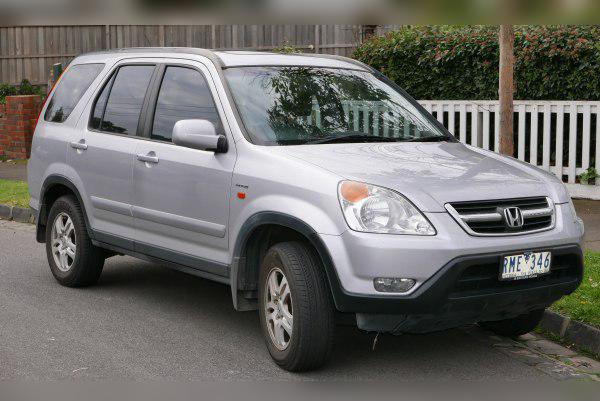
Honda 2.2 i-CDTi (N22A2) – Experiences, problems, fuel consumption and used-car buying tips
When Honda decided to build its first diesel engine, the automotive world was skeptical. However, the N22A series, known as i-CDTi, set new standards in refinement, quiet operation and linear power delivery. This is not a typical rough diesel; it is an engineering masterpiece that, with proper maintenance, can run for hundreds of thousands of kilometers. Still, time takes its toll, and certain parts do have a service life.
Key points in short (TL;DR)
- Durability: Extremely robust engine (“aluminum block”), covers high mileage without opening the engine.
- Drive: Uses a timing chain instead of a belt, which reduces regular maintenance costs, but requires checking for rattling.
- Main weakness: Cracking of the exhaust manifold on older models (smell of fumes in the cabin).
- Clutch: The factory clutch is sensitive and may start slipping earlier than on competitors, especially after remapping.
- DPF: Depending on market and model year, many Civics with this engine do not have a DPF, while the CR-V mostly does.
- Recommendation: An excellent choice for highway driving, but check the condition of the dual-mass flywheel and clutch before buying.
Contents
- Technical Specifications
- Reliability and Maintenance
- Specific Parts and Costs
- Fuel Consumption and Performance
- Tuning Options and Modifications
- Gearbox and Drivetrain
- Conclusion and Buying Advice
Technical Specifications
| Feature | Data |
|---|---|
| Engine code | N22A2 (i-CDTi) |
| Displacement | 2204 cc |
| Configuration | Inline 4-cylinder, DOHC, 16 valves |
| Power | 103 kW (140 hp) at 4000 rpm |
| Torque | 340 Nm at 2000 rpm |
| Injection type | Common Rail (Bosch) |
| Induction | Variable-geometry turbocharger + intercooler |
| Engine block | Aluminum |
Reliability and Maintenance
Does this engine have a timing belt or a chain?
The N22A2 uses a timing chain. Honda did a good job here – the chain is generally reliable and designed to last for the “service life” of the vehicle. However, that doesn’t mean it’s eternal. At mileages over 250,000 km, or if oil changes were infrequent, the chain can stretch. The symptom is a characteristic rattling (metallic noise) on cold start. If you hear that rattle, replacement is mandatory and not cheap, as the system is complex.
What are the most common failures on this engine?
Although the engine is a real “workhorse”, there are some specific issues:
- Cracking exhaust manifold: This is the best-known problem, especially on pre-facelift models. The stainless manifold cracks, which leads to exhaust gases entering the cabin (diesel smell while idling at traffic lights). Honda later switched to cast iron, so check whether the manifold has already been replaced.
- Alternator: The alternator stator often fails at around 150,000–200,000 km.
- IMRC valve: The intake manifold runner control valve can get dirty or fail, causing loss of power.
- Fuel rail pressure sensor: Can cause starting issues or stalling.
Service intervals and oil
A minor service is recommended every 10,000 km to 15,000 km (or once a year). Although the manufacturer may allow longer intervals (20,000 km), shorten them if you want to preserve the chain and turbo.
Major service: Since it has a chain, a classic timing-belt major service does not exist. Instead, the auxiliary (serpentine) belt and associated rollers and tensioners are replaced, usually around 100,000–120,000 km or as needed.
Oil: quantity and grade
This engine has a “large capacity” for a 4-cylinder. The sump holds about 5.9 liters of oil (with filter). The recommended grade is 0W-30 or 5W-30. Always use fully synthetic oil that meets the required standards (e.g. ACEA C2/C3 if it has a DPF, or A3/B4 if it doesn’t).
Oil consumption
The Honda 2.2 i-CDTi should not consume noticeable amounts of oil between services. If the engine uses more than 0.5 liters per 10,000 km, this may indicate a problem with the turbocharger (oil leaking past the shaft) or, more rarely, worn piston rings (if the engine has overheated or has very high mileage).
Injector longevity
The engine uses Bosch Common Rail solenoid injectors. They are very durable and less sensitive to poorer fuel quality compared to piezo injectors. They often exceed 300,000 km without overhaul. However, pay attention to the injector copper washers. If they leak, carbon builds up around the injector (“black death”), which makes removal difficult later.
Specific Parts (Costs)
Dual-mass flywheel
Yes, the engine has a dual-mass flywheel (DMF). Given the 340 Nm of torque, the flywheel is under heavy load. Its lifespan is usually between 150,000 and 200,000 km, depending on driving style. Symptoms of failure are knocking when switching off the engine, vibrations at idle and rattling when setting off. Replacing the clutch kit with the flywheel is expensive (falls into the “expensive/very expensive” category, depending on the market).
Turbocharger
The engine has a single variable-geometry turbocharger (Garrett). The turbo is generally long-lasting if you follow cool-down procedures after hard driving and change the oil regularly. It is not prone to sudden failures, but the VNT actuator can stick due to soot if the car is driven only in the city (“choking” the engine).
DPF filter and EGR valve
EGR valve: It is present and prone to clogging with soot, as on any diesel. Cleaning is possible and solves the problem in most cases.
DPF filter: Here the situation varies. The Honda Civic 2.2 i-CDTi (2006–2010) often does not have a DPF filter in many European markets, which is a huge advantage for a used car. However, the third-generation Honda CR-V almost always has one. To be sure, check the registration documents (Euro 4 often doesn’t have it, Euro 5 usually does) or physically inspect under the car. If there is a DPF, regeneration is both passive and active, but city driving kills it quickly.
AdBlue
This engine (N22A2) does not have an AdBlue system. That’s one less maintenance concern, as there are no heaters, pumps and urea injectors that often fail on newer diesels.
Fuel Consumption and Performance
Real-world fuel consumption
Consumption depends on the model (the Civic is lighter and more aerodynamic than the CR-V):
- City driving: The Civic uses about 6.5–7.5 l/100 km. The heavier CR-V (especially 4x4) will use between 8.0 and 9.5 l/100 km.
- Highway / open road: This is where this engine shines. The Civic can go down to 4.5–5.5 l/100 km, while the CR-V uses around 6.0–7.0 l/100 km.
Is the engine “lazy”?
Absolutely not. With 140 hp and 340 Nm, this is one of the liveliest diesels of its generation. In the Civic it offers sporty performance (“pins you to the seat”). In the CR-V it is adequate – not a racer, but it has enough torque for overtaking and climbing hills without “struggling”, even when fully loaded.
Behavior on the motorway
This is the natural habitat of the N22A2 engine. Thanks to the 6-speed gearbox, at 130 km/h the engine runs at relatively low revs (around 2200–2400 rpm, depending on the model). The ride is quiet, and there is always enough power in reserve for acceleration up to 160 km/h.
Tuning Options and Modifications
Remapping (Stage 1)
This engine has huge potential for “unlocking” power. A safe Stage 1 remap raises power to about 170–180 hp and torque close to 400 Nm. The engine can handle this mechanically without issues.
But be careful: The weakest link is the clutch. The factory clutch on the N22A2 is known to be sensitive and often starts to slip soon after remapping. If you plan to tune it, be prepared to invest in an uprated clutch (e.g. Kevlar or a Stage 1 clutch kit).
Gearbox
Types of gearboxes
- Manual gearbox (6-speed): The most common choice. Precise, with short throws (typical Honda feel), very well matched to the engine.
- Automatic gearbox: In the CR-V you can find a conventional automatic (torque converter) with 5 speeds. The Civic with this engine came almost exclusively with a manual (apart from the i-Shift robotised gearbox that was paired with petrol engines; with the diesel it is rare or non-existent in this N22A2 generation).
Gearbox problems
Manual: The gearbox itself is virtually indestructible. The problem, as mentioned, is the clutch. It has a self-adjusting mechanism that often seizes or doesn’t work properly, so the clutch feels heavy or slips even when the disc is not worn out. Also, the clutch master cylinder can squeak or fail.
Automatic (CR-V): Reliable but slow. Not known for failures, but it increases fuel consumption by about 1–1.5 liters. It requires regular oil changes.
Gearbox servicing
For the manual gearbox, Honda recommends changing the oil (Honda original MTF-3 is mandatory!) every 60,000 to 80,000 km. Do not use universal gearbox oils; Honda gearboxes are specific. For automatics, changing the oil and filter is also recommended every 60,000 km.
Buying Used and Conclusion
Before buying a Honda with the N22A2 engine, do the following:
- Cold start: Listen to the chain for the first 3–5 seconds. Any rattling or clattering means an expensive repair.
- Clutch test: Put it in 4th gear at around 2000 rpm and floor the throttle. If the revs jump but the speed does not increase proportionally, the clutch is slipping.
- Smell in the cabin: Turn on the ventilation while the car is stationary. The smell of exhaust gases indicates a cracked exhaust manifold.
- Vibrations: If the steering wheel or seat shakes at idle, the dual-mass flywheel is near the end of its life.
Conclusion: The Honda 2.2 i-CDTi (N22A2) is, without exaggeration, one of the best diesel engines of its era. It is more reliable than most European competitors (2.0 TDI, 2.0 dCi, 2.0 HDi of those years). It is intended for drivers who cover a lot of kilometers on the open road and want reliability, and who are ready to pay somewhat higher prices for parts (flywheel, clutch) in exchange for top-notch engineering. If you find a car with a replaced clutch and a quiet timing chain – buy it.
Was this content useful to you?
Your opinion helps us to improve the quality of the content.