L15B1 Engine
- Engine
- 1497 cm3
- Aspiration
- Naturally aspirated engine
- Fuel
- Petrol (Gasoline)
- Fuel injection system
- Multi-port manifold injection
- Power
- 132 hp @ 6600 rpm
- Torque
- 155 Nm @ 4600 rpm
- Cylinders
- 4
- Valves
- 16, 4 per cylinder
- Cylinders position
- Inline
- Valvetrain
- DOHC, i-VTEC
- Oil capacity
- 3.3 l
- Coolant
- 3.78 l
# Vehicles powered by this engine

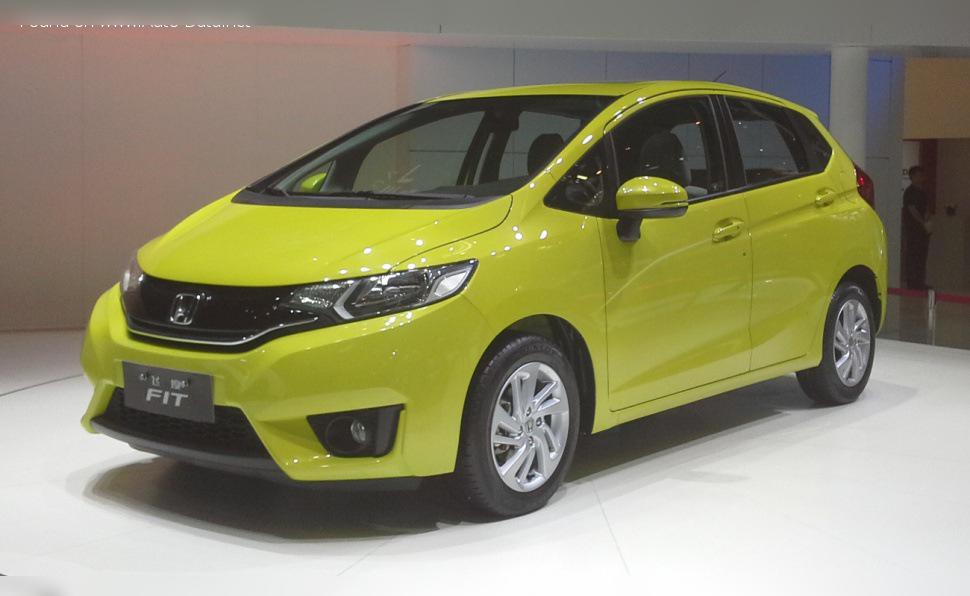
Honda 1.5 i-VTEC (L15B1) – Experiences, problems, fuel consumption and used car buying tips
Key points (TL;DR)
- Timing chain: The engine uses a timing chain which is generally reliable and does not require regular replacement before high mileage.
- Direct injection (GDI): The L15B1 belongs to the "Earth Dreams" series with direct injection, which brings better efficiency but also a risk of carbon buildup on the intake valves.
- Performance: With 132 hp in a light body (Honda Fit/Jazz), this is a very lively engine, far from "lazy".
- CVT transmission: Most examples come with a CVT transmission. It requires strictly regular oil changes (HCF-2) or you risk expensive failures.
- No turbo: This is a naturally aspirated engine, which means fewer potential failures (no turbo, no intercooler), but it needs revs to make power.
- Fuel consumption: Extremely economical for its power, often comparable to diesels in city driving.
Contents
- Introduction and applications
- Technical specifications
- Reliability and maintenance
- Specific parts and costs
- Fuel consumption and performance
- Additional options and modifications
- Transmission (manual and automatic)
- Buying used and conclusion
Introduction and applications
The engine designated as L15B1 represents Honda’s step into the modern era of naturally aspirated petrol engines under the "Earth Dreams" technology banner. Unlike the older L15A engines we saw in previous generations of the Jazz, this unit uses direct fuel injection and a dual overhead camshaft (DOHC). It is primarily installed in the third generation Honda Fit (known as the Honda Jazz on the European market), especially in facelift models from 2017 onwards.
This engine is important because it combines the old-school Honda reliability (high revs, naturally aspirated) with modern demands for low fuel consumption. However, direct injection also brings certain maintenance specifics that the average driver needs to know before buying.
Technical specifications
| Characteristic | Data |
|---|---|
| Engine displacement | 1497 cc (1.5 L) |
| Power | 97 kW (132 hp) at 6600 rpm |
| Torque | 155 Nm at 4600 rpm |
| Engine code | L15B1 |
| Injection type | Direct injection (GDI / DI) |
| Induction | Naturally aspirated |
| Configuration | Inline 4-cylinder, DOHC, i-VTEC |
Reliability and maintenance
Timing belt or chain?
The L15B1 engine uses a timing chain. Honda chains on the L-series engines have proven to be very durable and there is no fixed service interval for their replacement. In practice, the chain often lasts as long as the engine itself, provided the oil is changed regularly. If you hear a metallic rattling noise at cold start, this may indicate chain stretch or a tensioner problem, but this is rare before 200,000 km.
Most common faults and issues
Although Honda is synonymous with reliability, the L15B1 has a few specific "weak spots":
- Carbon buildup on intake valves: Due to direct injection, fuel does not "wash" the intake valves. Over time, carbon deposits form which can restrict airflow, cause rough idle and power loss. It is recommended to clean the intake (so-called "walnut blasting" or chemical treatment) every 80,000 - 100,000 km.
- VTC actuator (Variable Timing Control): A common issue on modern Hondas. The symptom is a short, loud "grinding" noise at cold start that lasts 1–2 seconds. Although it sounds scary, it often does not lead to catastrophic failure immediately, but it does require replacement of the camshaft actuator.
- Injectors: High-pressure injectors are more sensitive to poor fuel quality than on older engines. Failure manifests itself by the "Check Engine" light coming on and fault codes related to fuel mixture (system too rich/lean).
Major service and service intervals
Since the engine has a chain, a classic "major service" (replacement of timing belts and tensioners) is not performed. Instead, at around 100,000 - 120,000 km (or 10 years) you should check the condition of the auxiliary (serpentine) belt that drives the alternator and A/C, and replace the coolant and spark plugs. Valve clearance inspection is recommended every 40,000 - 60,000 km, because Honda still uses mechanical valve lash adjustment, although many drivers ignore this until the valves become audible.
Oil: capacity and consumption
The L15B1 engine takes approximately 3.3 to 3.6 liters of oil (with filter). The recommended grade is exclusively 0W-20. This thin oil is crucial for proper operation of the VTEC system and the engine’s tight tolerances.
As for oil consumption: A healthy L15B1 should not consume a significant amount of oil between services. Consumption up to 0.5 liters per 10,000 km is acceptable; anything above that points to a problem with the piston rings or the PCV valve. It is important to note that with driving exclusively on short trips in winter, the oil level can seemingly rise due to fuel mixing with the oil (oil dilution). Although this is more common on turbo versions, it can also happen on direct-injection engines without a turbo.
Spark plugs
Iridium spark plugs are used (e.g. NGK or Denso). Their replacement interval is long, usually around 100,000 to 120,000 km. Do not experiment with cheap copper plugs because access is sometimes more difficult (they are located under plastic covers and coil packs), and direct injection requires a precise spark.
Specific parts (costs)
Flywheel
Versions with a manual gearbox paired with this engine (L15B1) most often use a conventional solid flywheel or possibly a lightened flywheel, but not the problematic dual-mass flywheel commonly found on diesels. Versions with a CVT transmission have a torque converter and a flexplate, so there is no conventional flywheel that can fail. In other words, this is not an expensive item.
Fuel injection system
The system is direct injection. This means the engine has a high-pressure fuel pump (HPFP) mounted on the engine itself, in addition to the pump in the fuel tank. Injectors are more expensive than conventional ones and more sensitive. The price of a single injector can be high (very expensive, depending on the market), and it is usually recommended to replace them as a set if one fails.
Turbo, DPF, EGR, AdBlue
- Turbo: NONE. The L15B1 is a naturally aspirated engine. (There is an L15B7 which is turbocharged, but that is not this engine.) This is a big plus for long-term maintenance.
- DPF filter: NONE (this is a petrol engine).
- GPF/OPF: Models for the European market produced after 2018 may have a GPF (gasoline particulate filter), but it rarely causes problems because petrol engines warm up faster. Models for the US/Asian markets (often badged as Fit) generally do not have it.
- EGR valve: There is an exhaust gas recirculation system, but it rarely clogs to the point where the car stops. A more common issue is fouling of the EGR passages in the intake manifold.
- AdBlue: NONE.
Fuel consumption and performance
Real-world fuel consumption
This is one of the most economical petrol engines on the market.
- City driving: Expect between 6.5 and 7.5 l/100 km. With a light right foot and the CVT in ECON mode, it is possible to get down to around 6 l/100 km.
- Highway / open road: Consumption easily drops to 5.0 - 5.5 l/100 km.
Is the engine "lazy"?
Absolutely NOT. The Honda Fit/Jazz is a light car (around 1100 kg), and 132 hp is very serious power for this class. The power-to-weight ratio is excellent. The engine loves to rev and the VTEC "kick" can be felt at high rpm. In the city it is very eager, especially thanks to the CVT’s response, which immediately raises the revs.
Highway driving
The engine has no problem maintaining cruising speeds of 130–140 km/h. With the CVT transmission, at 130 km/h the engine runs at quite low revs (around 2500–2800 rpm), which contributes to low noise and good fuel economy. With the manual 6-speed gearbox, revs are somewhat higher (around 3500 rpm at 130 km/h), which can increase cabin noise on longer trips.
Additional options and modifications
LPG (autogas) conversion
Not recommended or very expensive. Since the engine has direct injection, you cannot install a standard sequential LPG system. You need a direct-injection LPG system (which uses a mixture of petrol and gas to cool the injectors) or a liquid-phase LPG injection system. Both systems are expensive (often over 1000 EUR) and given the low petrol consumption, the cost-effectiveness is questionable unless you drive more than 30,000 km per year.
Remapping (Stage 1)
Since the engine is naturally aspirated, remapping makes no real sense. The gain would be marginal (maybe 3–5 hp), which you will not feel in everyday driving. It is better to invest the money in quality tyres and regular maintenance.
Transmission
Manual and automatic
There are two options with the L15B1:
- 6-speed manual gearbox: Typical for Honda, precise, with short throws, a real joy to use.
- CVT (Continuously Variable Transmission): Honda’s "Earth Dreams" CVT. It has no fixed gears, but simulates 7 steps under aggressive driving or when using the paddle shifters.
Transmission faults and maintenance
- Manual: Very reliable. The clutch is a wear item and replacement is not overly expensive (depends on the market, but falls within standard prices). The gearbox oil (MTF) should be changed every 60,000 - 80,000 km.
- CVT: This is the critical point. The CVT is reliable ONLY if the oil is changed regularly. The recommendation is every 40,000 km (even if the service book suggests a longer interval). You must use genuine Honda HCF-2 fluid. If the oil is not changed, the transmission will start to "whine", shudder when taking off, or slip, which leads to a failure that can cost more than the value of a used car. Symptoms of a bad CVT include delay when shifting from P to D or R, as well as vibrations when idling at a traffic light.
Buying used and conclusion
Before buying a car with the L15B1 engine, make sure to do the following:
- Cold start: Insist that the engine be completely cold. Listen for a short "rattling" sound (VTC actuator) or chain noise.
- Idle: Once warm, the engine should idle smoothly. If it shakes, there may be issues with carbon deposits on the valves or dirty injectors.
- Test drive (CVT): The transmission must accelerate smoothly, without shuddering when taking off from a standstill.
- VIN check: These models are often subject to recalls for the fuel pump or software. Check whether all recalls have been carried out at an authorised dealer.
Conclusion: The Honda Fit/Jazz with the 1.5 i-VTEC (L15B1) engine is an excellent choice for drivers who want a reliable, quick and economical car. It is probably the best engine in the small city car class. Although direct injection and the CVT require more specific (and somewhat more frequent) maintenance than older Hondas, in return you get great performance and low fuel consumption. Ideal for city traffic, yet perfectly capable of longer trips.
Was this content useful to you?
Your opinion helps us to improve the quality of the content.