L15A Engine
- Engine
- 1496 cm3
- Aspiration
- Naturally aspirated engine
- Fuel
- Petrol (Gasoline)
- Fuel injection system
- Multi-port manifold injection
- Power
- 110 hp @ 5800 rpm
- Torque
- 143 Nm @ 4800 rpm
- Cylinders
- 4
- Valves
- 16, 4 per cylinder
- Cylinders position
- Inline
- Oil capacity
- 3.6 l
- Coolant
- 3.7 l
# Vehicles powered by this engine
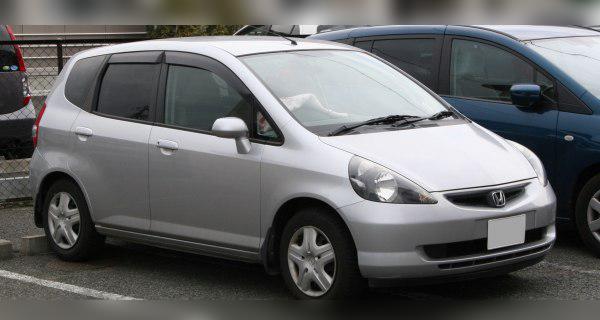
Key points in short: Honda L15A 1.5 VTEC (TL;DR)
- Timing drive: Uses a timing chain instead of a belt, which is extremely durable and rarely needs replacement.
- Performance: With 110 hp in a light body (Honda Fit/Jazz), this is a very lively and fun engine (a real "pocket rocket").
- Gearbox: Manual gearboxes are excellent, while first‑generation CVT automatic transmissions can have issues with the "start clutch" (judder when moving off).
- Maintenance: Requires manual valve adjustment every 40,000–50,000 km, which is often neglected.
- LPG: It is possible to install, but Honda engines have "soft" valve seats, so a valve lubrication system (dripper) and regular valve adjustment are mandatory.
- Fuel consumption: Extremely economical for the power it offers, often below 7 l/100 km in mixed driving.
- Conclusion: One of the most reliable small petrol engines on the market, provided it is regularly serviced and quality oil is used.
Table of contents
Honda L15A 1.5 i-VTEC: Real‑world experience, problems and buying used
Honda’s L‑series engines brought a small revolution to the city‑car segment in the early 2000s. Specifically, the L15A engine with 110 hp (often referred to as VTEC compared to the weaker i‑DSI) turned the practical Honda Fit (known as the Jazz in Europe) from a simple people carrier into a rather fun car.
This unit is known for its compactness, low weight and typical Honda character – it loves to rev. Although it is primarily associated with the first generation Honda Fit/Jazz (GD chassis), its variants remained in use for a long time. Unlike many modern engines, this “Japanese” stays old‑school: no turbo, no complicated exhaust after‑treatment systems, but it offers reliability that has become rare today. Still, like any machine, it has its quirks you should know before buying.
Technical Specifications
| Parameter | Value |
|---|---|
| Displacement | 1496 cc (1.5 L) |
| Power | 81 kW (110 hp) |
| Torque | 143 Nm at 4800 rpm |
| Configuration | Inline 4‑cylinder, 16 valves |
| Injection type | MPI (Multi‑Point Injection) |
| Timing drive | Chain |
| Turbo / Naturally aspirated | Naturally aspirated |
| Valve technology | SOHC VTEC (Variable Valve Timing) |
Reliability and Maintenance
Timing system: Chain or belt?
The Honda L15A engine uses a timing chain to drive the valves. This is great news for owners because the chain on this engine is designed to last as long as the engine itself. It is not prone to stretching like on some European competitors (e.g. TSI or N47 engines). Chain rattling is extremely rare and usually indicates that the car has covered huge mileage (over 300,000 km) or that oil changes were done very infrequently.
Most common issues and symptoms
Although the engine is “bulletproof”, there are some peripheral problems:
- EGR valve: Often gets clogged from city driving. Symptoms are a “flat spot” when you press the throttle, rough idle or jerking under light acceleration. Cleaning usually solves the problem.
- Ignition coils: Over time they can fail. Symptoms are running on 3 cylinders, loss of power and the “Check Engine” light coming on.
- Valve clearance: Since the engine has no hydraulic lifters, the valves must be adjusted mechanically. If this is neglected, the engine becomes noisy (ticking), and in the worst case valve burning can occur.
Service intervals and oil
A minor service is recommended every 10,000 km or once a year. Japanese engines like fresh oil.
Oil capacity: The engine takes approximately 3.6 to 4.0 liters (with filter).
Viscosity: Recommended grades are 0W‑20 or 5W‑30. Always use fully synthetic oil.
Oil consumption
A healthy L15A engine should not consume noticeable amounts of oil between services. Consumption up to 0.5 liters per 10,000 km is considered acceptable, especially if driven aggressively in VTEC mode (high revs). If it consumes more than that, the usual culprits are valve stem seals or stuck oil control rings due to poor maintenance.
Spark plugs and injectors
Unlike the 1.4 i‑DSI engine which has 8 spark plugs, this 1.5 VTEC has the standard 4 spark plugs. Replacement interval depends on the plug type:
- Standard (nickel): 30,000–40,000 km.
- Iridium: 80,000–100,000 km (recommended).
Specific Parts (Costs)
Dual‑mass flywheel and clutch
Good news: This engine DOES NOT have a dual‑mass flywheel. It uses a classic solid flywheel that doesn’t fail. The clutch kit (pressure plate, disc, release bearing) is relatively cheap and considered regular maintenance (price depends on the market, but it falls into the affordable‑parts category).
Fuel injection system and turbo
The engine uses classic MPI (Multi‑Point Injection) into the intake manifold. The injectors are extremely robust, tolerant of fuel quality variations and failures are rare.
Turbocharger: The engine is naturally aspirated, it does not have a turbocharger, which means one (expensive) worry less.
DPF, EGR and AdBlue
As an older‑generation petrol engine, this unit has no DPF filter and no AdBlue system. It does have a catalytic converter and an EGR valve. As mentioned, the EGR valve is the only emissions component that really needs attention (cleaning).
Fuel Consumption and Performance
Real‑world fuel consumption
The L15A is an efficiency champion. Thanks to the VTEC system which optimizes valve opening:
- City driving: Expect between 7.0 and 8.5 l/100 km, depending on traffic and how heavy your right foot is.
- Highway / open road: Consumption drops to 5.5 to 6.5 l/100 km.
Is the engine “lazy”?
Absolutely not. With 110 hp in a car weighing around 1000–1100 kg, this engine offers excellent performance. Up to 3500 rpm it is tame and economical, and above 4000 rpm (when the more aggressive cam profile – VTEC – kicks in) it becomes very eager. 0–100 km/h is usually around 9–10 seconds, which is excellent for a city car.
Behavior on the motorway
This is perhaps the only downside for drivers who travel a lot. Due to the lack of a sixth gear (on manuals) and the engine’s characteristics, at 130 km/h the engine spins at about 3500–4000 rpm. This means noticeable engine noise in the cabin. There is enough power for overtaking, but the sound insulation and high revs can be tiring on long journeys.
Additional Options and Modifications
LPG installation
Honda engines are known for their “soft” valve seats. LPG installation is possible and the engine runs well on gas, but there is a risk.
Conditions for long‑term LPG use:
- Mandatory installation of a valve lubrication system (“Flashlube” dripper or electronic system).
- Strict adherence to valve‑clearance checks every 20,000–30,000 km (more often than on petrol).
Remapping (Stage 1)
Since this is a small‑displacement naturally aspirated engine, remapping doesn’t make much sense. The gain is negligible (maybe 3–5 hp) and you won’t feel a real difference in driving. It’s better to invest the money in quality tyres and regular servicing.
Gearbox
Manual gearbox (5‑speed)
A typical Honda gearbox: short throws, precise, with a “click‑clack” feel. Very reliable. The only thing to watch out for are gearbox bearings (whining noise) at high mileage, but this is not a widespread issue. Gearbox oil should be changed every 60,000 km (Honda MTF).
Automatic gearbox (CVT)
This engine is often paired with a CVT (Continuously Variable Transmission).
Most common problems: The first generation CVT in the Honda Fit/Jazz has a known weakness with the “start clutch”.
Symptoms: Strong vibration or judder when moving off from a standstill, especially when the transmission is cold or under load.
Maintenance: The CVT requires fluid changes (only Honda CVT‑F fluid) every 40,000 km or sooner. Regular fluid changes can prevent or reduce judder, but if the clutch is already damaged, repairs can be expensive (depends on the market and is often not cost‑effective on older cars).
Buying Used and Conclusion
What to check before buying?
- CVT test: If you are buying an automatic, warm up the car, stop on an incline and move off gently with no throttle or just a little throttle. If the car shakes strongly, the gearbox is problematic.
- Idle quality: The engine should idle smoothly. Rough idle often indicates a dirty EGR valve or valves out of adjustment.
- Moisture in the boot: This is a known body issue (roof joints), but check that water hasn’t reached any electronics.
- Service history: Check when the valves were last adjusted.
Final verdict
The Honda L15A (1.5 VTEC) is a fantastic engine. It offers performance above its class, combined with workhorse‑level reliability. It is ideal for drivers who want a small city car that can pull strongly when needed, without using much fuel.
Recommendation: Look for a car with a manual gearbox for complete peace of mind. If it has to be an automatic, be extremely careful when checking the CVT transmission.
Was this content useful to you?
Your opinion helps us to improve the quality of the content.