L15B Engine
- Engine
- 1496 cm3
- Aspiration
- Naturally aspirated engine
- Fuel
- Petrol (Gasoline)
- Fuel injection system
- Direct injection
- Power
- 131 hp @ 6600 rpm
- Torque
- 155 Nm @ 4600 rpm
- Cylinders
- 4
- Valves
- 16, 4 per cylinder
- Cylinders position
- Inline
- Valvetrain
- DOHC, i-VTEC
- Oil capacity
- 3.3 l
- Coolant
- 3.63 l
# Vehicles powered by this engine
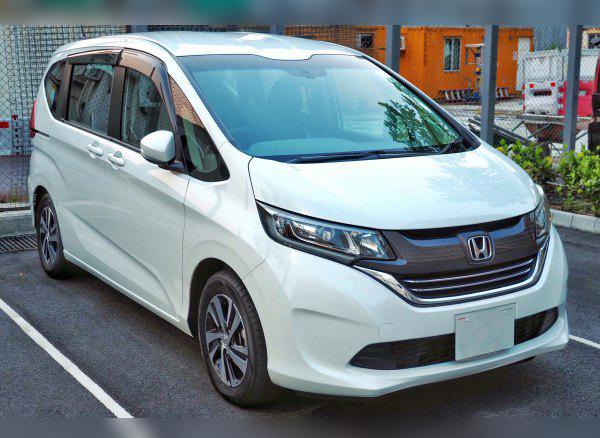
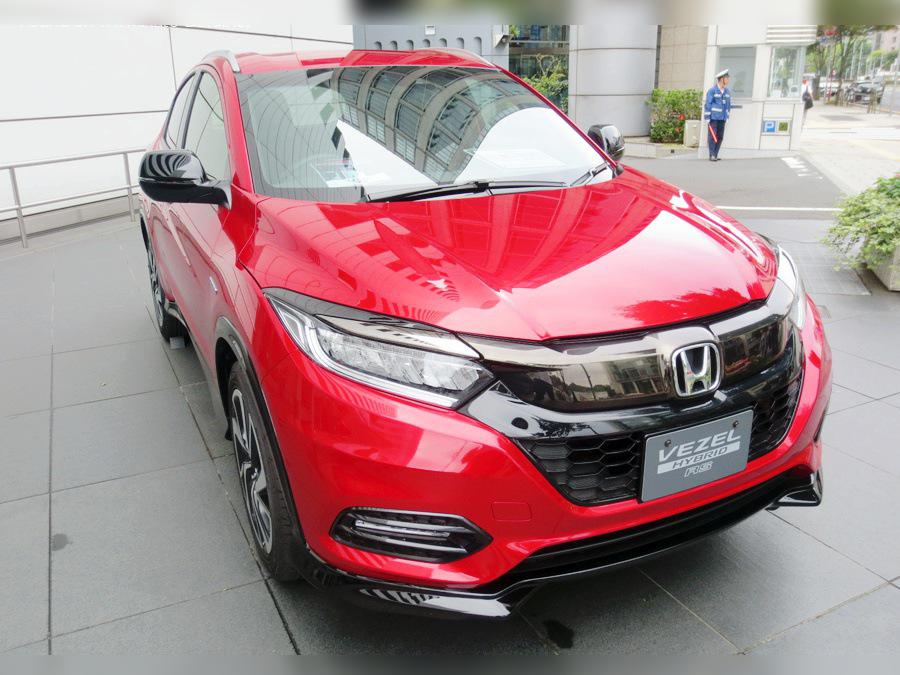
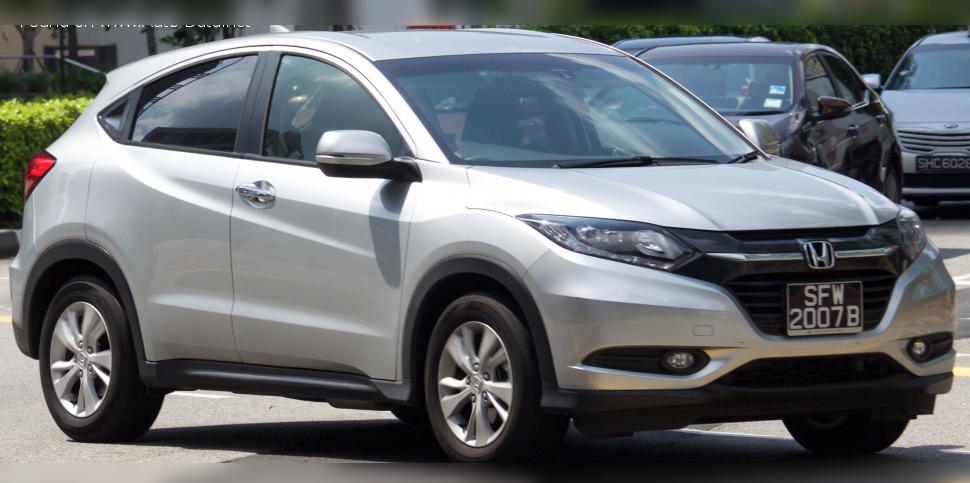
Honda L15B 1.5 i-VTEC (131 hp) – Experiences, issues, fuel consumption and used car buying tips
When it comes to modern Honda petrol engines, the L15B "Earth Dreams" series holds a special place. This is not the old, simple VTEC that Honda fans got used to in the nineties. This is a technologically advanced unit with direct injection, designed to meet strict environmental standards while retaining Honda’s distinctive character. Installed in models such as the Honda Vezel (HR-V on other markets) and Honda Freed, this 131 hp engine represents the golden middle ground between efficiency and performance.
In this article we take a detailed look at what to expect if you decide to buy a car with this engine – from CVT transmission maintenance to potential fuel injection issues.
Key points in short (TL;DR)
- Timing chain: The engine uses a chain for timing, which significantly reduces regular maintenance costs.
- Direct injection: Provides better efficiency and power, but carries the risk of carbon buildup on intake valves.
- CVT transmission: Requires strictly regular oil changes (every 40,000 km) in order to last long.
- Naturally aspirated: No turbocharger, which means fewer expensive parts that can fail, but it needs higher revs for overtaking.
- LPG conversion: Due to direct injection, LPG installation is expensive and complicated.
- Recommendation: Ideal for city and suburban driving, reliable if quality oil and fuel are used.
Contents
- Technical specifications
- Reliability and maintenance
- Specific parts (costs)
- Fuel consumption and performance
- Additional options and modifications
- Transmission (CVT and manual)
- Buying used and conclusion
Technical specifications
| Engine displacement | 1496 cc (1.5 litres) |
| Power | 96 kW (131 hp) at 6600 rpm |
| Torque | 155 Nm at 4600 rpm |
| Engine code | L15B (Earth Dreams Technology) |
| Injection system | Direct injection |
| Aspiration | Naturally aspirated – no turbo |
| Timing drive | Chain |
Reliability and maintenance
Timing belt or chain?
The L15B engine uses a timing chain (silent chain). This is great news for owners because the chain on this engine does not tend to stretch or snap prematurely, provided that the oil is changed regularly. It is not scheduled for replacement at a fixed interval; it is only replaced if symptoms appear (rattling on cold start), which rarely happens before 200,000 km.
Most common faults and issues
Although Honda is known for reliability, direct injection technology brings specific challenges:
- Carbon buildup on intake valves: Since fuel does not wash the intake valves (because it is injected directly into the cylinder), deposits build up over time. Symptoms include rough idle and a slight loss of power. The solution is mechanical cleaning (walnut shell blasting) at higher mileages.
- Oil dilution with fuel: This is more common on turbo versions of this engine, but can also occur on the naturally aspirated one if the car is driven only on short trips in winter. Fuel runs down the cylinder walls into the sump. A strong smell of petrol can be noticed on the dipstick.
- Dirty injectors: Direct injectors are sensitive to poor fuel quality. Failure manifests as a "Check Engine" light and jerking under load.
Service intervals and oil
An oil service is recommended every 10,000 km up to a maximum of 15,000 km, or once a year. Japanese engines with tight tolerances do not tolerate old oil.
- Oil capacity: The engine takes approximately 3.3 to 3.5 litres of oil (including the filter).
- Viscosity: Honda strictly recommends 0W-20 oil that meets the latest API standards. This thin oil is crucial for proper VTEC operation and reduced fuel consumption. 5W-30 can be used in warmer climates, but 0W-20 is the factory standard.
Oil consumption
L15B engines are generally “dry” and do not burn oil in alarming amounts like some German competitors. Consumption of up to 0.5 litres per 10,000 km is acceptable and often barely noticeable. If it uses more, the usual cause is the PCV valve or stuck oil control rings due to infrequent oil changes.
Spark plugs
Since this is a petrol engine with direct injection, the spark plugs are under higher stress. Only iridium spark plugs are used (e.g. NGK or Denso). Although the factory sometimes states an interval of 100,000 km, real-world practice suggests replacement at 60,000 to 80,000 km to protect the ignition coils.
Specific parts (costs)
Dual-mass flywheel and clutch
If you drive a version with a CVT transmission (which is 95% of models like the Freed and Vezel), you do not have a dual-mass flywheel in the classic sense that fails. Instead, there is a torque converter, which is very durable. Manual versions usually have a simple single-mass flywheel which is cheap, but those versions are rare.
Injection system
As mentioned, the engine uses high-pressure direct injection. Injectors are more expensive than those on older MPI engines. If the high-pressure fuel pump (HPFP) fails, the cost falls into the “expensive” category (depends on the market), but fortunately this is not a common failure on naturally aspirated versions.
Turbo, DPF, EGR
- Turbo: None. The 131 hp L15B is a pure naturally aspirated engine. One less thing to worry about.
- DPF: No DPF filter (that’s for diesels). However, newer models (Euro 6d standards) may have a GPF (Gasoline Particulate Filter). Checking by VIN is a must, but most models before 2019/2020 do not have it.
- EGR: It does have an EGR valve. It can get dirty from city driving, but it can often be cleaned before replacement is needed.
- AdBlue: None.
Fuel consumption and performance
Real-world fuel consumption
This engine is a fuel economy champion in its class, especially when paired with the CVT transmission.
- City driving: Expect between 7.0 and 8.5 l/100 km. The start-stop system helps here.
- Country roads (up to 90 km/h): Consumption can drop to an impressive 5.0 – 5.5 l/100 km.
- Motorway (130 km/h): Due to the aerodynamics of the SUV/MPV body (Vezel/Freed), consumption rises to around 6.5 – 7.5 l/100 km.
Is the engine “lazy”?
With 155 Nm of torque available only at 4600 rpm, this engine needs revs to pull strongly. In the city it feels lively thanks to the instant response of the CVT. However, on open roads, if the car is loaded (Honda Freed with 7 seats or a fully loaded Vezel), the engine will feel stressed when overtaking. Do not expect a shove in the back like with a turbo diesel.
Motorway driving
When cruising at 130 km/h, the CVT keeps revs relatively low, usually around 2500 – 3000 rpm (depending on gradient). However, on every uphill stretch the transmission will “jump” to 4000+ rpm to maintain speed, which increases cabin noise. This is a characteristic of CVTs, not a fault.
Additional options and modifications
LPG installation
Is it possible? Yes. Is it worth it? Probably not. Due to direct injection, a specific LPG system is required. There are two options:
- A system that constantly injects 20–30% petrol to cool the petrol injectors (petrol consumption remains present).
- A liquid LPG injection system using the petrol injectors (very expensive, often over 1000 EUR).
Given the engine’s low petrol consumption, the payback period for an LPG system is very long.
Remapping (tuning)
This is a naturally aspirated engine. A “Stage 1” remap will give you maybe 3 to 5 hp and a slightly better throttle response. Investing in remapping this engine is a waste of money. You’re better off investing in quality tyres or regular maintenance.
Transmission
Types of transmission
With the L15B engine in the Freed and Vezel (facelift) models, you most commonly get Honda’s CVT (Continuously Variable Transmission) from the “Earth Dreams” series. Six-speed manual gearboxes are rare on these models in Europe and Japan with this engine specification (they are more common on the regular Jazz).
CVT reliability
Honda CVT transmissions are better than Nissan’s (Jatco), but they are not immune to problems. The most common issues are:
- Belt slip: Occurs if the oil is not changed or if the car is driven aggressively (frequent hard acceleration).
- Whining bearings: A sign of wear.
- Overheating: If driven for a long time uphill under full load.
Transmission maintenance
This is the key point. The oil in the CVT must be changed every 40,000 km or every two years. Use only genuine Honda HCF-2 CVT fluid. Using universal CVT oils can permanently damage the transmission. The oil change is not very expensive, and it protects a gearbox that costs thousands of euros.
Buying used and conclusion
What to check before buying?
- Cold start: Listen for chain “rattling” in the first 2–3 seconds. If you hear it, the tensioner or chain needs replacing.
- Injector noise: A direct-injection engine naturally “ticks”, similar to a sewing machine. This is normal. But if the sound is metallic and irregular, walk away.
- CVT behaviour: Put it in D and release the brake. The car should start moving immediately without pressing the accelerator. While driving, there should be no jerking or rpm oscillations at a constant speed (the so-called rubber-banding effect is normal under acceleration, but not when cruising).
- Oil filler cap: Open it and smell. A strong smell of petrol indicates an oil dilution problem or that the car has been used only for short trips.
Conclusion
The L15B 1.5 i-VTEC (131 hp) engine is one of the best naturally aspirated petrol engines of its generation. It offers an excellent balance between power sufficient for everyday needs and low fuel consumption. It is ideal for drivers who spend most of their time in the city and suburbs, and who value Japanese reliability and the practicality of models such as the Freed and Vezel.
If you are prepared to change the oil regularly (both in the engine and in the transmission) and do not expect sports-car performance on the motorway, this engine will serve you for hundreds of thousands of kilometres without major failures.
Was this content useful to you?
Your opinion helps us to improve the quality of the content.