R18Z9 Engine
- Engine
- 1799 cm3
- Aspiration
- Naturally aspirated engine
- Fuel
- Petrol (Gasoline)
- Fuel injection system
- Multi-port manifold injection
- Power
- 141 hp @ 6500 rpm
- Torque
- 172 Nm @ 4300 rpm
- Cylinders
- 4
- Valves
- 16, 4 per cylinder
- Cylinders position
- Inline
- Max engine speed
- 6700 rpm
- Valvetrain
- SOHC i-VTEC
- Oil capacity
- 3.7 l
- Coolant
- 5.24 l
# Vehicles powered by this engine
Honda 1.8 i-VTEC (R18Z9): Experiences, problems, fuel consumption and used-car buying tips
Key points (TL;DR)
- Reliability: This is one of the "last of the Mohicans" – an old-school naturally aspirated petrol engine. Extremely reliable and long-lasting.
- Timing system: The engine uses a timing chain that does not require regular replacement and rarely causes problems.
- Gearbox: Most commonly paired with a CVT gearbox. It requires a specific driving style and regular oil changes; otherwise, it is expensive to repair.
- Fuel consumption: Acceptable for this displacement, but do not expect diesel-like economy, especially in city driving.
- LPG suitability: An excellent candidate for LPG conversion due to its indirect injection, but it requires valve clearance checks.
- Performance: It’s not a racer. The engine needs high revs to pull properly (lack of torque at low rpm).
Contents
- Introduction and applications
- Technical specifications
- Reliability and maintenance
- Specific parts and injection system
- Fuel consumption, performance and comfort
- LPG and remapping
- Gearbox: CVT and manual
- Buying used and conclusion
Introduction and applications
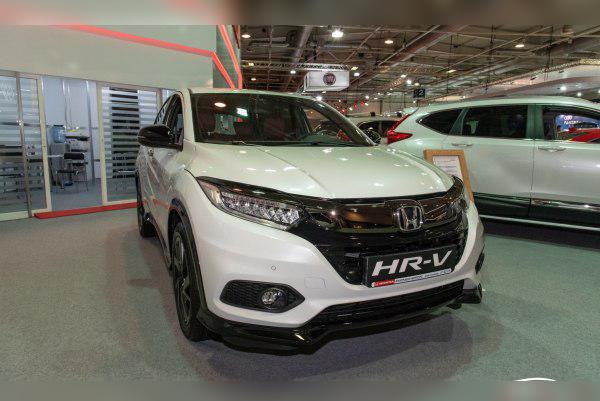
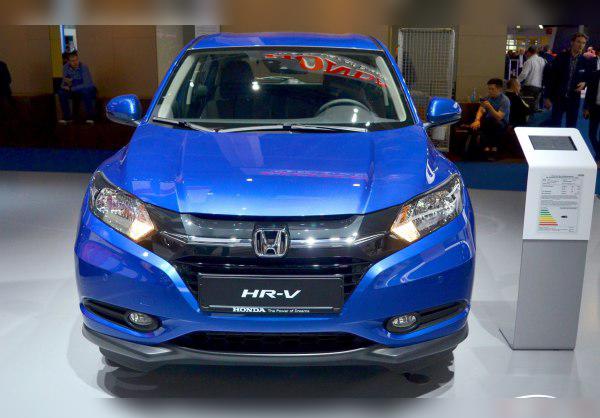
The engine designated R18Z9 belongs to Honda’s well-known R-series engines. It was primarily installed in the second-generation Honda HR-V (including the 2018 facelift models). Unlike modern trends of downsizing and adding turbochargers, Honda kept a classic approach here: 1.8 litres of displacement and natural aspiration.
This engine is important because it represents a "golden middle ground" for buyers who are afraid of modern turbo petrol engines and expensive diesel repairs, but want a car that will serve them for years with minimal investment. Its simplicity is its biggest advantage.
Technical specifications
| Parameter | Value |
|---|---|
| Engine code | R18Z9 |
| Displacement | 1799 ccm |
| Power | 104 kW (141 hp) at 6500 rpm |
| Torque | 172 Nm at 4300 rpm |
| Fuel type | Petrol (Gasoline) |
| Aspiration | Naturally aspirated |
| Injection | Multi-point (PGM-FI) – indirect |
| Cylinders/Valves | 4 / 16 (SOHC i-VTEC) |
Reliability and maintenance
Timing system (belt or chain?)
Good news for your wallet: the Honda R18Z9 uses a timing chain. Honda chains are known for their durability, and it’s not uncommon for them to last as long as the engine itself, provided the oil is changed regularly. There is no scheduled replacement interval; it is replaced only if it starts to make noise (rattling at cold start), which rarely happens before 200,000–250,000 km.
Most common issues
This engine is mechanically very robust, but there are some specifics:
- Valve adjustment: This is not a failure, but regular maintenance that many people forget. The engine does not have hydraulic lifters. Valve clearance must be checked and adjusted mechanically (usually every 40,000 to 100,000 km, depending on driving style and whether you use LPG). A typical symptom of out-of-spec valves is characteristic "ticking" or rough running.
- Engine mounts: Due to vibrations, especially on models with a CVT gearbox in city driving, the hydraulic engine mounts can fail, which is felt as stronger vibration in the cabin while standing at a traffic light.
- Oil pressure sensor (VTEC solenoid): Sometimes oil can leak at the VTEC solenoid gasket. It’s a cheap repair, but you must pay attention so the engine does not run low on oil.
Major and minor service
Since it has a chain, the classic "major service" (timing belt replacement) is not done. Instead, at around 100,000–120,000 km it is recommended to replace the auxiliary (serpentine) belt, tensioner and water pump as a preventive measure.
Spark plugs: The R18Z9 uses iridium spark plugs. The factory replacement interval is long, usually at 100,000 km or 120,000 km. Do not skimp on them; buy original NGK or Denso.
Oil: quantity and consumption
The engine takes approximately 3.7 litres of oil (with filter). Honda recommends 0W-20 viscosity for fuel economy and easier cold starts. However, in warmer climates or for higher-mileage engines, 5W-30 is perfectly acceptable and often provides better protection.
Does it burn oil? In general, the R18Z9 does not consume oil in worrying amounts. Consumption of up to 0.5 litres per 10,000 km is acceptable, especially if the car is driven on the motorway at high revs. If it uses more than a litre between services, that indicates a problem (often stuck oil control rings due to poor maintenance in the past).
Specific parts (costs)
Dual-mass flywheel and clutch
Versions with a manual gearbox usually have a conventional solid flywheel or a very robust dual-mass flywheel that rarely fails on petrol engines because the torque is not as brutal as on diesels. The cost of replacing the clutch kit is around average (depends on the market, not particularly expensive).
Versions with a CVT gearbox do not have a conventional clutch or dual-mass flywheel; instead, they use a torque converter.
Injection system, turbo, DPF, EGR
- Injection: This is a naturally aspirated engine with indirect (multi-point) injection. The injectors are extremely durable, tolerant of slightly poorer fuel quality and cheap to clean or replace if ever needed.
- Turbo: The engine does not have a turbocharger. That means one (expensive) worry less for the owner.
- EGR valve: There is an exhaust gas recirculation system, but on petrol engines the EGR valve almost never clogs as severely as on diesels, because there is far less soot.
- DPF / AdBlue: This engine does not have a DPF filter and does not use AdBlue. It has a conventional catalytic converter, which can fail only if the engine burns a lot of oil or is driven with a faulty ignition system.
Fuel consumption and performance
Real-world fuel consumption
Honda is a master at building economical petrol engines, but physics is unforgiving.
- City driving: Expect between 8.5 and 10.5 l/100 km. The CVT gearbox can help keep consumption closer to the lower end if you are gentle on the throttle.
- Open road: This is where it shines. Consumption can drop to 6.0–7.0 l/100 km.
Is the engine "lazy"?
On paper, 141 hp sounds decent, but the 172 Nm of torque is available only at a high 4300 rpm. In practice, the HR-V with this engine feels sluggish at low revs. To get proper pull when overtaking, you have to rev it above 4000 rpm. The VTEC system changes the cam profile and the engine wakes up, but this is accompanied by a lot of noise.
On the motorway at 130 km/h:
- With CVT gearbox: Revs are lower (around 2500–2800 rpm), which reduces noise and fuel consumption.
- With manual gearbox: The engine runs at higher revs (around 3500 rpm), so it can be noisier in the cabin.
Additional options and modifications
LPG conversion
Yes, this engine is excellent for LPG! Due to its indirect injection, installation is simple and cheaper than on direct-injection engines. However, there is one BIG "BUT": Honda engines have softer valve seats. If you install LPG, it is essential to add a valve lubrication system ("valve saver") and strictly check valve clearances every 30,000–40,000 km. If you do this, the engine will cover hundreds of thousands of kilometres on LPG.
Remapping (Stage 1)
On a naturally aspirated petrol engine, remapping is basically a waste of money. You might gain 3 to 5 hp and a barely noticeable improvement in throttle response. The gain is so small that it’s not worth the risk or the cost of a software modification.
Gearbox
Variants
With the R18Z9 engine in the HR-V, there are two options:
- 6-speed manual gearbox: Precise, with short throws, a real pleasure to drive.
- CVT (Continuously Variable Transmission): The most common choice. It has no conventional gears, but an infinite number of ratios.
Maintenance and issues
- Manual: Almost indestructible. Gearbox oil should be changed every 60,000–80,000 km (use Honda MTF oil only).
- CVT: This is the critical point. Honda CVT gearboxes are reliable ONLY if they are maintained. The oil in the CVT (HCF-2 fluid) MUST be changed every 40,000 km or 2 years (whichever comes first). Many owners neglect this.
Symptoms of a bad CVT: Jerking when taking off, slipping (revs rise but speed doesn’t), grinding noises. Repairing a CVT gearbox is very expensive (often more expensive than a used engine).
Buying used and conclusion
When buying an HR-V with this engine, pay attention to the following:
- Gearbox service history: If it’s a CVT, ask for proof of oil changes. If there is no proof and the car has over 100,000 km, it is a big risk.
- Engine sound: Listen to it on a cold start. Any chain rattling is a red flag (even though it’s rare). Also, listen for a "tick-tick-tick" sound – if it is too loud, the valves are due for adjustment.
- Vibrations: Put it in 'D' (for automatics) and hold the brake. Strong vibrations indicate worn engine mounts.
Conclusion: The Honda HR-V with the 1.8 i-VTEC (R18Z9) engine is an ideal choice for a rational buyer. It’s not the fastest, it’s not the quietest under acceleration, but it will spare you headaches with turbos, DPFs and injectors. If you find a car with a proper service history (especially for the gearbox), you can buy it without much hesitation.
Was this content useful to you?
Your opinion helps us to improve the quality of the content.