J35Y6 Engine
- Engine
- 3471 cm3
- Aspiration
- Naturally aspirated engine
- Fuel
- Petrol (Gasoline)
- Fuel injection system
- Direct injection
- Power
- 280 hp @ 6000 rpm
- Torque
- 355 Nm @ 4700 rpm
- Cylinders
- 6
- Valves
- 24, 4 per cylinder
- Cylinders position
- V-engine
- Max engine speed
- 6800 rpm
- Valvetrain
- SOHC, i-VTEC
- Oil capacity
- 5.4 l
- Coolant
- 7.13 l
- Systems
- Start & Stop System
# Vehicles powered by this engine
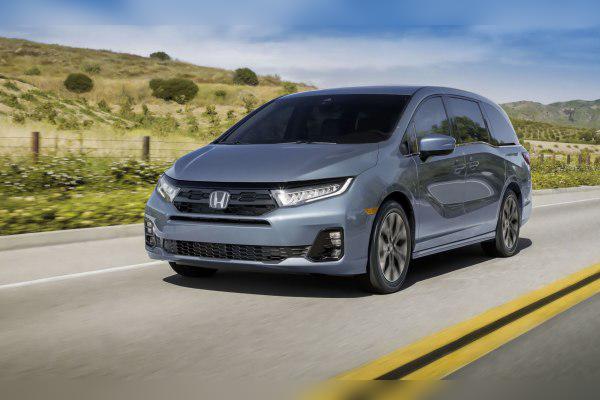
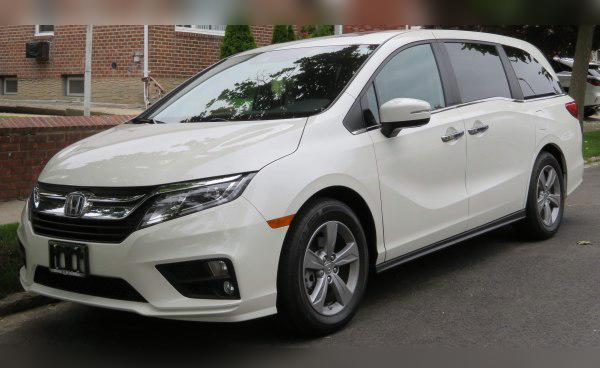


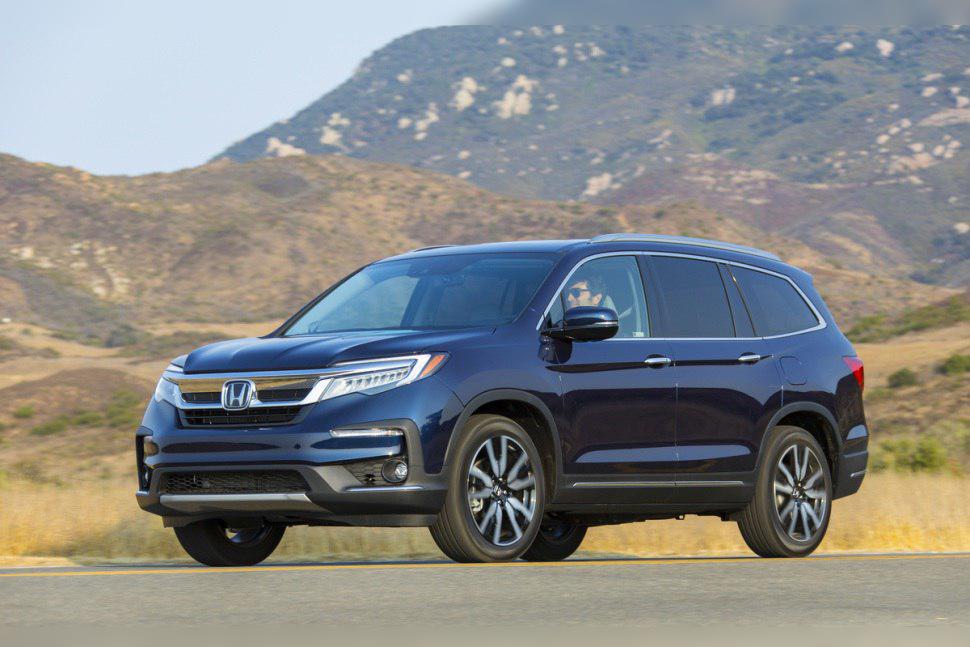

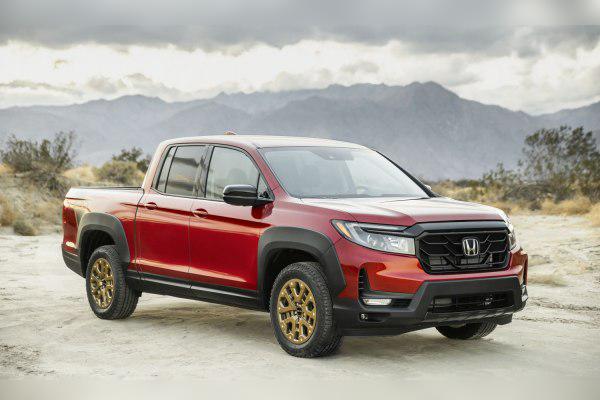

Honda J35Y6 3.5 V6: The last breaths of a naturally aspirated "beast" – Experiences, issues and maintenance
Key points (TL;DR)
- Naturally aspirated power: A non‑turbo V6 that offers linear acceleration and instant throttle response, but needs revs to really "breathe".
- Timing belt: The engine does NOT USE a chain, but a timing belt that must be replaced on time (an expensive service).
- VCM system: The cylinder deactivation system for fuel saving is the main source of problems (vibrations, oil consumption, engine mounts).
- Direct injection: Unlike older J35 engines, the Y6 version has direct injection, which means a risk of carbon buildup on the intake valves.
- Transmissions: Mostly paired with a 9‑speed ZF or Honda’s 10‑speed automatic. They are sensitive to oil quality and change intervals.
- Fuel consumption: Acceptable on the highway (thanks to VCM), but high in city driving.
- Recommendation: An extremely durable engine if regularly maintained and if the VCM system is dealt with (or accepted).
Contents
Introduction: The heart of Honda’s big models
The engine designated J35Y6 belongs to Honda’s legendary J‑series of V6 engines. It is part of the "Earth Dreams" technology line, which means Honda modernized the good old V6 by introducing direct injection to meet stricter emission standards and improve efficiency. It is installed in the largest and heaviest vehicles Honda offers, primarily intended for the North American market, although many of them make their way to Europe through imports.
This engine is important because it represents one of the last big naturally aspirated V6 petrol engines before the mass shift to hybrids and small turbo units. Drivers appreciate it for its smooth operation and sound, but like any modern engine, it comes with specific maintenance challenges.
Technical specifications
| Specification | Data |
|---|---|
| Displacement | 3471 cc (3.5 liters) |
| Configuration | V6 (SOHC – single camshaft per head) |
| Power | 206 kW (280 hp) @ 6000 rpm |
| Torque | 355 Nm @ 4700 rpm |
| Engine code | J35Y6 |
| Fuel injection | Direct injection (GDI) |
| Aspiration | Naturally aspirated |
| Timing drive | Timing belt |
Reliability and maintenance
Timing belt or chain?
This is the most important item for every owner. The Honda J35Y6 uses a timing belt, not a chain. It is an interference engine, which means that if the belt snaps, the pistons will hit the valves and the engine will suffer catastrophic damage.
The major timing service must be done strictly on time. The recommendation is every 100,000 to 120,000 km or every 7 years (whichever comes first). When replacing the belt, you must also replace the tensioner (hydraulic tensioner), idler pulleys and the water pump, as it is driven by the same timing system. The cost of this service falls into the expensive category, but it is still cheaper than a full engine rebuild.
Most common issues and the VCM system
The Achilles’ heel of this engine is the VCM (Variable Cylinder Management) system. It shuts down 3 cylinders during light‑load driving to save fuel. While it sounds great on paper, in practice it causes:
- Vibrations: Although the engine has active mounts to cancel them out, they wear out quickly (very expensive active mounts).
- Oil consumption and fouled spark plugs: When cylinders are deactivated, a vacuum is created in the combustion chamber that can pull oil past the rings. That oil fouls the spark plugs and leads to misfire codes on cylinders 1–3 or 4–6.
- Solution: Many owners install "VCM Muzzler" devices that disable this system, so the engine runs on all 6 cylinders all the time. Fuel consumption rises slightly, but reliability improves dramatically.
Oil and spark plugs
The engine takes approximately 5.4 liters of oil (with filter). The recommended viscosity is strictly 0W‑20. Due to the VCM system and thin piston rings (to reduce friction), oil consumption between services is common. Consumption up to 0.8 L per 1000 km is often considered "within normal limits" by the manufacturer, even though owners find it alarming. Regular oil level checks are mandatory!
The spark plugs are iridium and are replaced every 100,000 km. However, if the VCM system is not disabled, expect to replace the plugs on the bank that gets deactivated earlier due to oil and carbon deposits.
The injectors on this model are high‑pressure (direct injection). They have proven to be more sensitive than on older Hondas. Symptoms of problems include warning lights on the dash (Check Engine, Emissions System Problem), rough running and a smell of fuel. Replacing a full set of injectors is very expensive.
Specific parts (costs)
Turbo and dual‑mass flywheel: Good news – this engine does not have a turbocharger, which means less worry about turbos, intercoolers and hoses. Also, since it is always paired with an automatic transmission (torque converter), there is no conventional dual‑mass flywheel like on diesels with manual gearboxes. There is a flexplate, but it rarely fails.
EGR and emissions: The engine has an EGR valve. Because of direct injection, the intake valves are not "washed" by fuel, so carbon buildup on the valve heads is possible. This may require mechanical cleaning (walnut blasting or chemicals) at higher mileages (over 150,000 km). There is no DPF (it’s a petrol engine), and AdBlue is not used.
Fuel consumption and performance
Is the engine sluggish? Absolutely not. With 280 hp and 355 Nm, the J35Y6 pulls these heavy vehicles (Pilot, Odyssey, Ridgeline) surprisingly strongly. Acceleration is linear and powerful, especially above 3500 rpm when VTEC on the intake side kicks in.
Real‑world fuel consumption:
- City driving: Expect between 13 and 16 L/100 km. These are heavy vehicles (over 2 tons) and in stop‑and‑go traffic physics does its thing.
- Highway: This is where the engine shines. Thanks to the 9‑ or 10‑speed transmissions and the VCM system, consumption drops to 9 – 10.5 L/100 km at speeds up to 130 km/h.
- Cruising: At 130 km/h the engine runs at very low revs (often below 2000 rpm in top gear), which contributes to cabin quietness.
Additional options and modifications
LPG conversion: Since this is an engine with direct injection, installing LPG is complicated and expensive. You need a special direct‑injection LPG system that also uses a bit of petrol while running on gas (to cool the petrol injectors), or an even more expensive liquid‑injection LPG system. Given the sensitivity of the injectors on the J35Y6, many mechanics recommend avoiding LPG unless you cover very high annual mileage.
Chip tuning (Stage 1): This is a naturally aspirated engine. "Chipping" it yields very little extra power (maybe 10–15 hp), which is barely noticeable in real driving. A better investment is a throttle response controller or the aforementioned device to disable the VCM system.
Transmission: Achilles’ heel or not?
The J35Y6 is only paired with automatic transmissions. Depending on the model and year, you will encounter:
- ZF 9‑speed automatic (9HP): Used in the Pilot, Passport and Ridgeline. This gearbox is known for being somewhat indecisive ("hunting gears") and harsher when shifting in the lower gears (especially 1–2 and 2–3). It uses specific dog clutches for some gears.
Maintenance: Requires specific (expensive) ZF fluid. Service is recommended every 60,000 – 80,000 km. Ignoring oil changes leads to jerks and transmission control issues. - Honda 10‑speed automatic (10AT): A newer, in‑house Honda design (mainly in the Odyssey and newer Pilots). Generally smoother than the ZF unit, but mechanically extremely complex.
Maintenance: Although Honda claims the fluid is long‑life, in practice changing it every 60,000 km is crucial for longevity. - 6‑speed automatic: Older models and lower trim levels. The most reliable and cheapest to maintain, but with slightly higher fuel consumption.
Clutch costs: There is no conventional clutch or dual‑mass flywheel. Overhauling an automatic transmission is very expensive (often exceeding half the vehicle’s value in some markets), so a thorough test drive is essential.
Buying used and conclusion
Before buying a Honda model with the J35Y6 engine, make sure you do the following:
- Listen to the engine on a cold start: Rattling may indicate the need for valve adjustment (they are adjusted mechanically, not hydraulically).
- Check the timing belt history: If there is no proof of replacement and the car has over 100,000 km, immediately factor that cost in (parts + labor are a significant expense).
- Test drive the transmission: The gearbox must shift without harshness, especially when slowing down. The ZF 9‑speed can be a bit rough, but it should not bang or slam.
- Vibrations: At a steady speed (e.g. 80 km/h), try to feel if there are vibrations when the "ECO" light comes on (VCM active). If it shakes, the engine mounts are likely worn out.
Conclusion
The J35Y6 engine is an excellent choice for those who want power, comfort and the sound of a true V6. It is not the most economical in the city, but it is a king of the open road. It is aimed at families who tow trailers or travel long distances. If you are ready to change the oil regularly, disable the VCM system and never skip the timing belt service, this engine can easily cover over 400,000 km without being opened.
Was this content useful to you?
Your opinion helps us to improve the quality of the content.