EA211evo / DADA, DPCA Engine
- Engine
- 1495 cm3
- Aspiration
- Turbocharger, Intercooler
- Fuel
- Petrol (Gasoline)
- Fuel injection system
- Direct injection
- Power
- 150 hp @ 5000 rpm
- Torque
- 250 Nm
- Cylinders
- 4
- Valves
- 16, 4 per cylinder
- Cylinders position
- Inline
- Valvetrain
- DOHC
- Oil capacity
- 4.3 l
- Coolant
- 8 l
- Systems
- Start & Stop System, Cylinder deactivation system, Particulate filter
# Vehicles powered by this engine
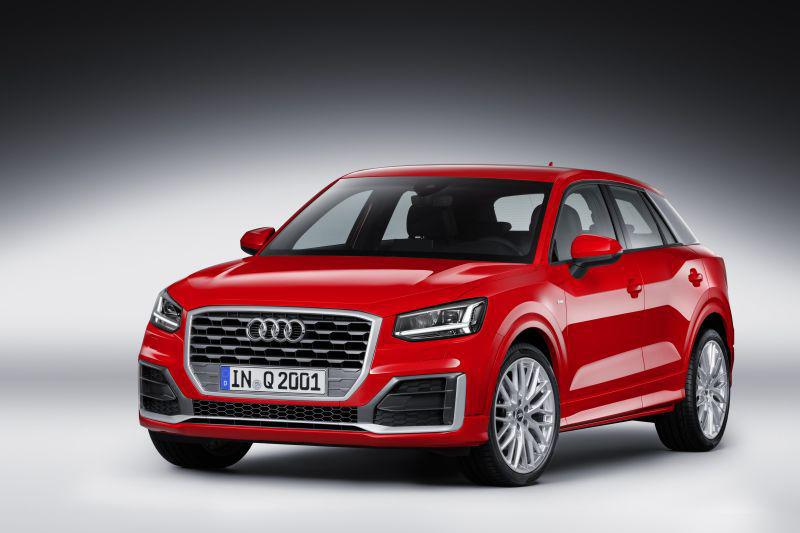
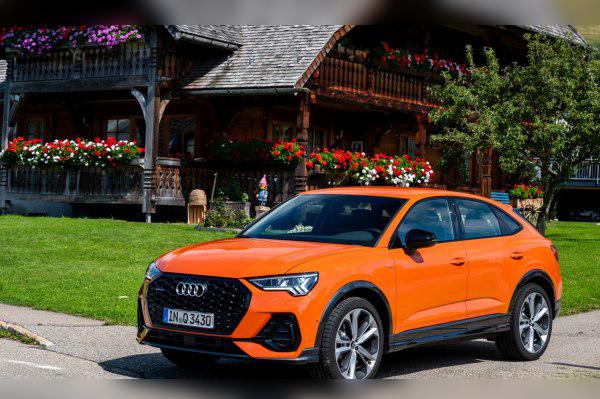
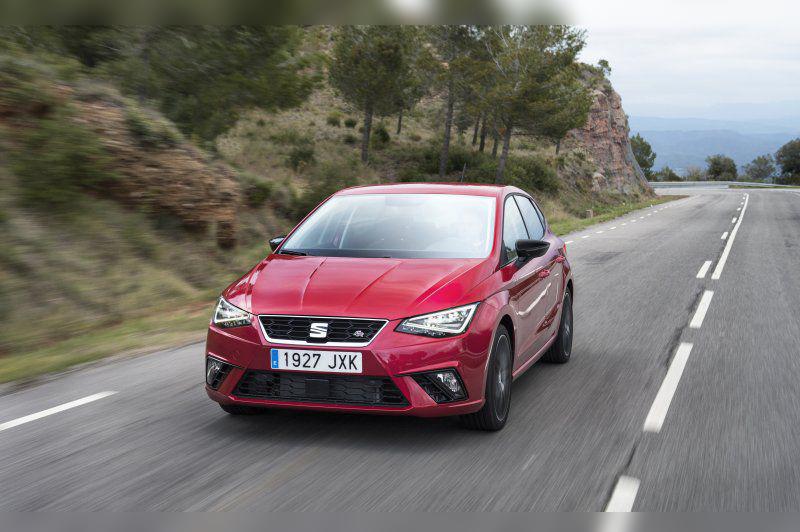

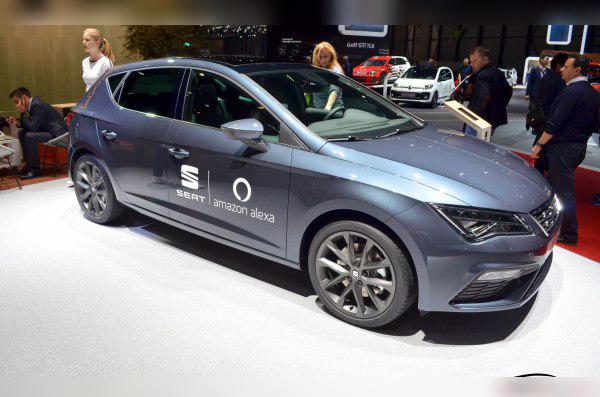
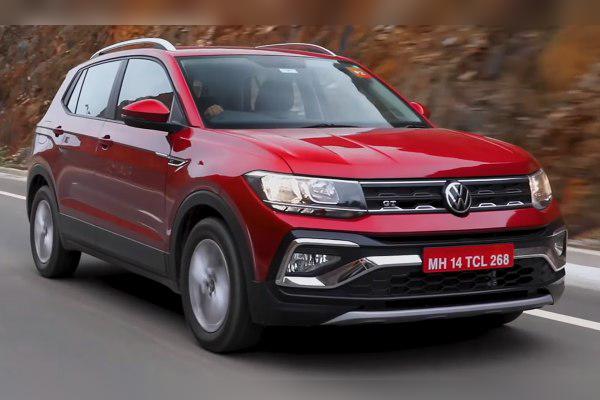

1.5 TSI EVO (DADA, DPCA) – Experiences, problems, fuel consumption and buying tips
1. The most important in short (TL;DR)
- Successor to a legend: This engine is a direct evolution of the 1.4 TSI engine and brings advanced technology such as ACT (cylinder deactivation) and VTG turbo.
- "Kangaroo" effect: Early models (2017–2019) had an issue with jerking when setting off while the engine is cold. It is solved by a software update.
- Oil consumption: It uses very thin oil (0W-20), so minimal consumption is normal, but it must not be excessive.
- Complexity: It has a GPF filter (gasoline particulate filter) and a dual-mass flywheel (both with manual and automatic gearboxes).
- Recommendation: Excellent balance between performance and efficiency, but it requires strict maintenance and high-quality fuel.
Contents
- Introduction and applications
- Technical specifications
- Reliability and maintenance
- Specific parts and costs
- Fuel consumption and performance
- Additional options and modifications (LPG, tuning)
- Gearbox (manual and DSG)
- Buying tips and conclusion
Introduction and applications
The 1.5 TSI EVO engine (EA211 evo engine family, most commonly DADA and DPCA) was introduced in 2017 as a replacement for the extremely popular 1.4 TSI. With this engine, the Volkswagen Group aimed to meet stricter emission standards (Euro 6d-TEMP and newer) while maintaining performance. It is a high-tech unit that uses the Miller cycle for higher efficiency and a variable-geometry turbocharger (VTG), which until then was mostly reserved for diesel engines and Porsche models.
This engine is the "golden middle" of the range – powerful enough for larger models such as the VW Tiguan or Audi Q3, and sporty in lighter bodies such as the Seat Ibiza or Leon. Its key feature is the ACT system (Active Cylinder Technology), which shuts down two cylinders when the engine is under low load in order to save fuel.
Technical specifications
| Parameter | Data |
|---|---|
| Displacement | 1495 cc (1.5 L) |
| Power | 110 kW (150 hp) at 5000–6000 rpm |
| Torque | 250 Nm at 1500–3500 rpm |
| Engine codes | DADA, DPCA (most common) |
| Injection system | Direct injection (TSI), up to 350 bar |
| Charging | Turbocharger with variable geometry (VTG) |
| Camshaft drive | Timing belt |
Reliability and maintenance
Timing belt or chain?
Unlike older generations of TSI engines (EA111) that had problematic chains, the 1.5 TSI EVO uses a timing belt. This is great news for owners because the system is quieter and more reliable. The factory replacement interval is very optimistic (often listed as "lifetime" or 210,000 km for the first inspection), but practice and experience suggest that the major service should be done at a maximum of 150,000–180,000 km or every 8–10 years, whichever comes first. A snapped belt leads to catastrophic engine damage, so prevention is crucial.
Most common failures and the "Kangaroo effect"
The best-known problem of this engine, especially in early series (with the DADA code), is the so-called "kangarooing" or the car hopping.
Symptoms: When setting off while the engine is cold (first gear), the car jerks unpleasantly and loses power, as if it cannot decide how much fuel to inject.
Cause: Poor factory engine map that did not properly balance the lean mixture for emissions while the engine is cold.
Solution: A software update at an authorized service center usually solves the problem, although in some cars the issue remains slightly present.
Another common issue is the build-up of carbon deposits on the intake valves. Since this is a direct-injection engine, fuel does not "wash" the valves. Over time (after 100,000+ km) this can lead to rough running and loss of power. The solution is mechanical cleaning (walnut shell blasting).
Oil: quantity, grade and consumption
The engine takes approximately 4.3 liters of oil. This is a modern design engine with very tight tolerances and requires specific low-viscosity oil, most commonly 0W-20 (VW 508.00 / 509.00 standard). This oil is often green in color.
Does it consume oil? Yes, modern TSI engines can consume some oil, especially due to the thin 0W-20 grade. Consumption of up to 0.5 liters per 3,000–5,000 km can be considered acceptable, particularly if driven aggressively or on the highway. If it consumes more than that (e.g. one liter per 2,000 km), this points to an issue with piston rings or the turbo. It is recommended to keep the oil level close to the maximum at all times for better turbo cooling.
Spark plugs and injectors (maintenance)
Since it is a gasoline engine, spark plugs are crucial. The factory interval is often 60,000 km, but due to direct injection and high ignition voltage, it is recommended to replace them every 40,000–50,000 km. Worn spark plugs can damage the coils (ignition coils), which is a more expensive failure.
Specific parts (costs)
Dual-mass flywheel
Yes, the 1.5 TSI (150 hp) has a dual-mass flywheel. It is present both in versions with a manual gearbox and in models with a DSG gearbox. Its role is to dampen engine vibrations and enable smooth driving, especially when the 2-cylinder mode is active. Replacement is expensive (often over 600–800 EUR, depending on the market), and failure symptoms are metallic noise when switching the engine off and vibrations at idle.
Turbocharger and injection
The engine uses an advanced VTG turbocharger (variable geometry). This provides excellent throttle response at low revs. Its lifespan is long if the rules are followed: regular oil changes and letting the engine cool down after fast driving. Overhauling a VTG turbo on a gasoline engine is more complex and more expensive than with older fixed-geometry turbos.
The injection system operates at pressures of up to 350 bar. Injectors are sensitive to poor fuel quality. Injector failure manifests as engine misfire, the "Check Engine" light coming on, and a smell of gasoline. They are not a widespread weak point, but when they fail, replacement is expensive.
Emissions: GPF/OPF and EGR
This engine HAS a GPF (Gasoline Particulate Filter), which is the equivalent of a DPF on diesels. However, gasoline exhaust gases are hotter, so the GPF regenerates (cleans) much more easily and quickly while driving. GPF clogging is very rare, unless the car is driven exclusively on very short trips (under 3–4 km) in winter.
There is no AdBlue fluid; that is reserved for diesels. GPF maintenance does not require any special actions from the driver, apart from occasionally driving on open roads.
Fuel consumption and performance
Real-world fuel consumption
Thanks to the ACT system, which shuts down two cylinders at constant speed and low load, this engine can be very economical.
- City driving: Expect between 7.5 and 9.0 l/100 km. In heavy stop-and-go traffic and in heavier vehicles (Tiguan Allspace), this can go up to 10–11 liters.
- Country roads: This is where the engine shines. It is possible to bring consumption down to 5.0–5.5 l/100 km if you drive smoothly.
- Highway (130 km/h): Consumption is around 6.5–7.5 l/100 km, depending on the vehicle’s aerodynamics (Ibiza uses less than Tiguan).
Is the engine "lazy"?
With 150 hp and 250 Nm, this engine is not lazy. In models such as the Seat Ibiza or Leon, it offers almost sporty performance (0–100 km/h in about 8 seconds).
In heavier vehicles such as the VW Tiguan Allspace, the engine is "adequate". It is not a racer, and you will feel it running out of breath if the car is fully loaded with passengers and luggage on an uphill, but for normal family use it is more than sufficient. Torque is available low down (from 1500 rpm), which helps in city driving.
Highway driving
At 130 km/h in the highest gear (7th with DSG or 6th with the manual), the engine spins at a pleasant 2,200–2,400 rpm. This means the cabin is quiet, and the engine has enough power in reserve for overtaking without having to drop three gears down.
Additional options and modifications
LPG conversion
Due to the direct-injection system, installing an LPG kit is complicated and expensive (much more expensive than classic systems). You need a system that either injects liquid gas directly through the gasoline injectors (the best but most expensive solution) or a system that uses a mixture of gas and gasoline (e.g. 80% gas, 20% gasoline) to cool the injectors.
Cost-effectiveness: Considering the high installation cost (often over 1000 EUR, depending on the market) and the engine’s low gasoline consumption, the cost-effectiveness is questionable unless you drive more than 30–40,000 km per year.
Chiptuning (Stage 1)
The engine has potential. A Stage 1 remap usually raises power to 170–180 hp and torque to around 300–320 Nm.
Warning: If you have a DSG gearbox (DQ200), be careful. This gearbox is factory-rated for 250 Nm. Although it can handle a bit more, aggressively increasing torque drastically shortens the lifespan of the clutch pack and mechatronics. With the manual gearbox, the dual-mass flywheel will suffer.
Gearbox
Types of gearboxes
- Manual: 6-speed gearbox (precise, easy to use).
- Automatic (DSG): Most commonly the DQ200 is fitted (7-speed with dry clutch). In heavier models or specific versions (4Drive/Quattro) you may find the DQ381 (7-speed with wet clutch), but with the 1.5 TSI it is usually the DQ200.
Problems and maintenance
Manual gearbox: Very reliable. The main cost is the clutch kit and dual-mass flywheel. Oil change in the gearbox is not prescribed, but is recommended every 100,000 km for smoother shifting.
DSG (DQ200 – dry clutch): This is the "Achilles' heel" of the VW Group in combination with smaller engines.
Failures: The mechatronics unit (the gearbox brain) and the clutch pack (friction plates) most often fail. Symptoms are jerking when setting off, harsh shifts or delayed response. Repairs are expensive (often 500–1500 EUR, depending on the failure and the market).
Maintenance: The factory says the oil is "sealed for life". However, experienced mechanics recommend changing the oil in the mechatronics and gear section every 60,000–80,000 km to extend its life, even though this is harder to do on this gearbox than on the "wet" versions.
Buying used and conclusion
What to check before buying?
1. Cold start: Insist on starting the car when the engine is completely cold. If the engine runs unevenly, misfires or stalls when setting off, this may indicate issues with the software, carbon build-up or injectors.
2. Chain/belt noise: Although it has a belt, listen for any strange noises (whistling) from the timing area.
3. DSG test: Try setting off uphill without throttle (auto hold off). The car must move off smoothly. Any shuddering indicates worn clutches.
4. Service history: Check whether the oil has been changed on time (ideally every 15,000 km, and not at "Long Life" intervals of 30,000 km).
Final conclusion
The 1.5 TSI EVO is a modern, refined and efficient engine. It is ideal for drivers who spend most of their time in the city and on country roads, and who want gasoline refinement and low registration costs. If you are buying used, the manual gearbox is the safer (cheaper) option in terms of maintenance. If you choose DSG, be prepared with a budget for potential mechatronics or clutch repairs.
For heavier SUV models (Tiguan Allspace), if you often tow a trailer or drive fully loaded, the 2.0 TDI is still a better choice due to its higher torque. For everything else – the 1.5 TSI is just right.
Was this content useful to you?
Your opinion helps us to improve the quality of the content.