EA288 / DFHA Engine
- Engine
- 1968 cm3
- Aspiration
- Turbocharger, Intercooler
- Fuel
- Diesel
- Fuel injection system
- Diesel Commonrail
- Power
- 190 hp
- Torque
- 400 Nm
- Cylinders
- 4
- Valves
- 16, 4 per cylinder
- Cylinders position
- Inline
- Valvetrain
- DOHC
- Oil capacity
- 4.7 l
- Coolant
- 8 l
- Systems
- Start & Stop System, Particulate filter
# Vehicles powered by this engine
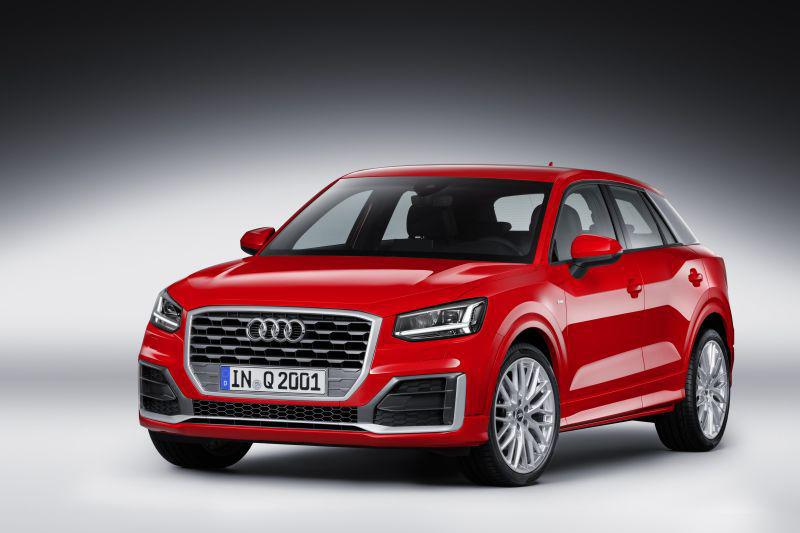

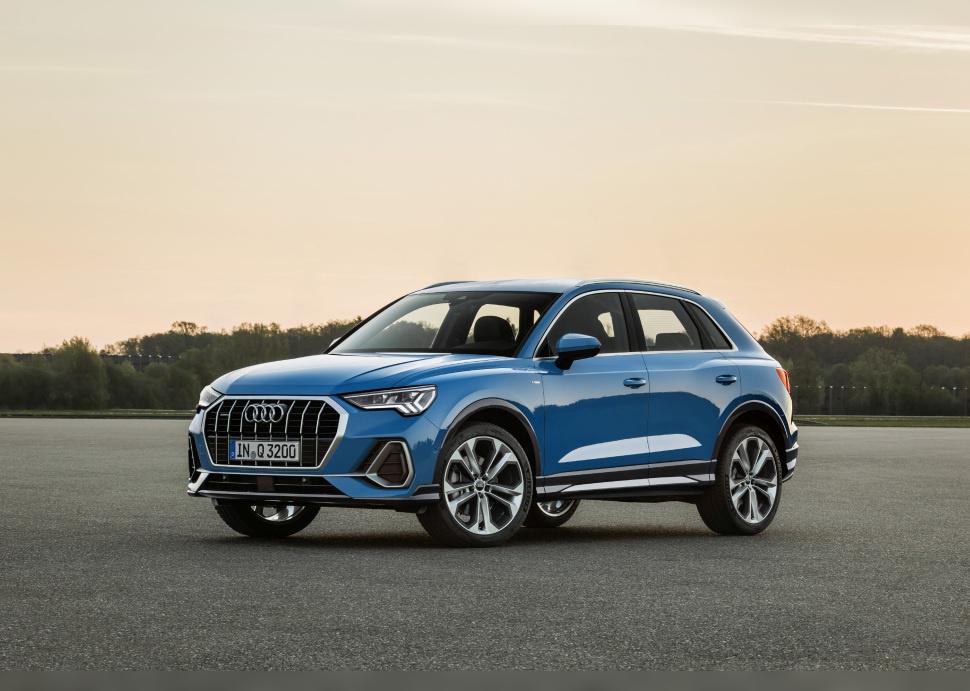

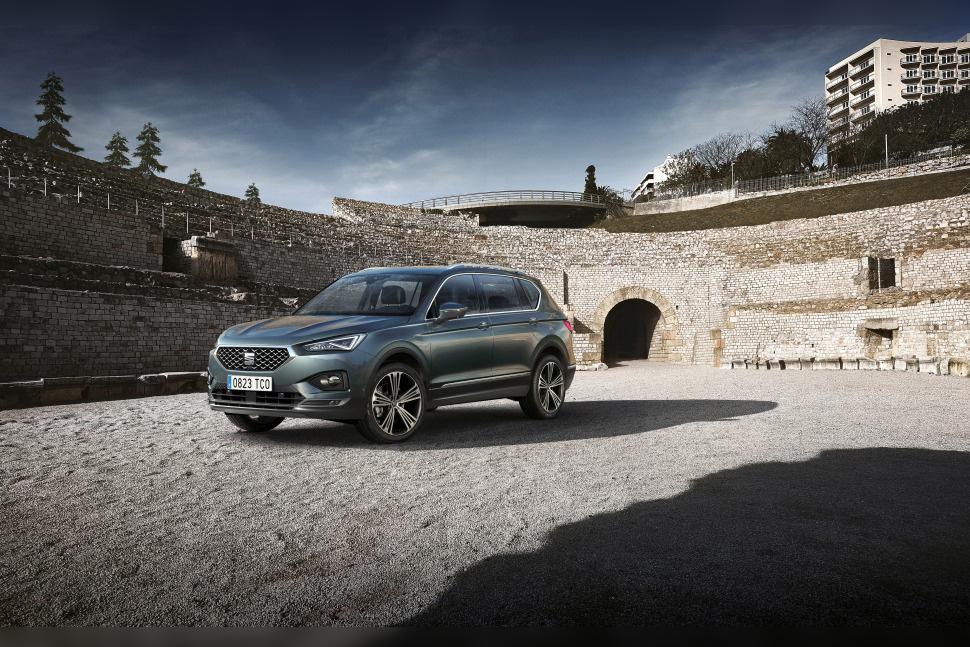
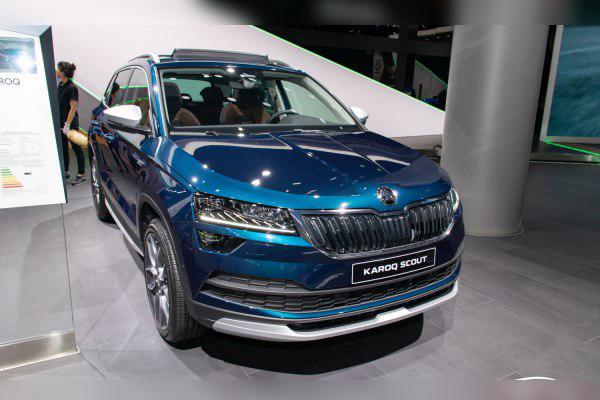
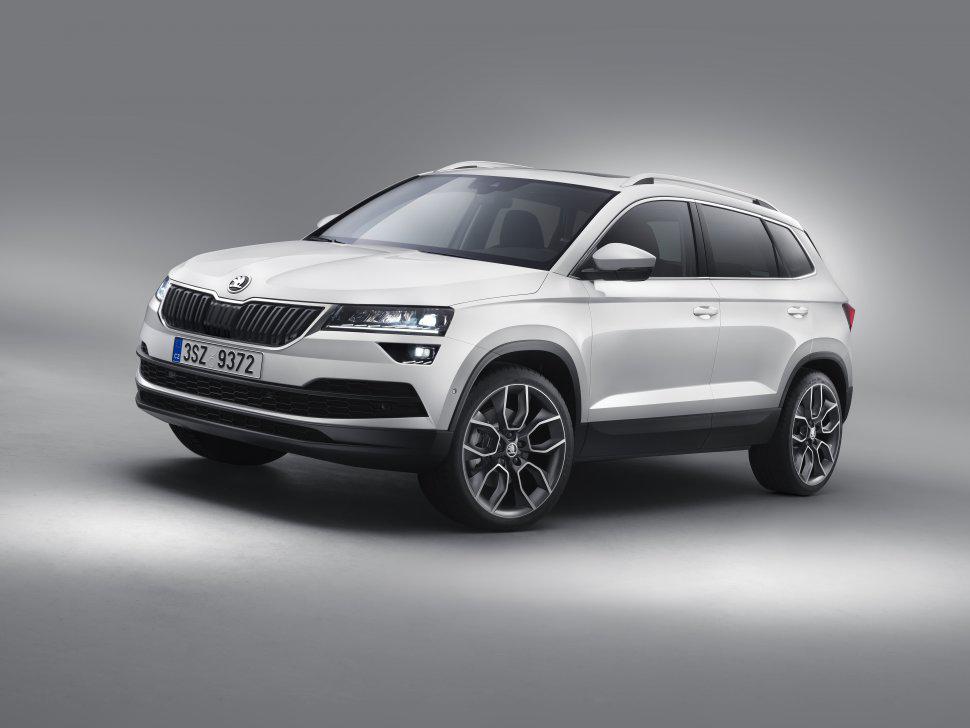
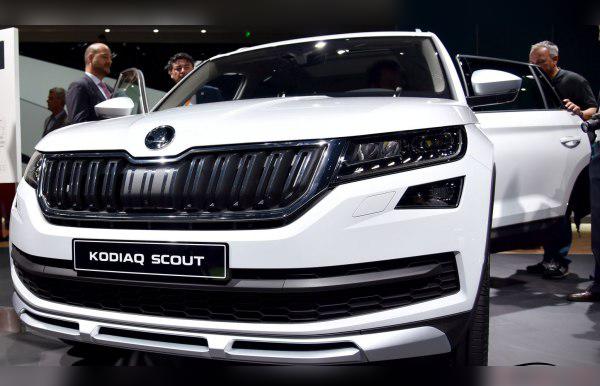

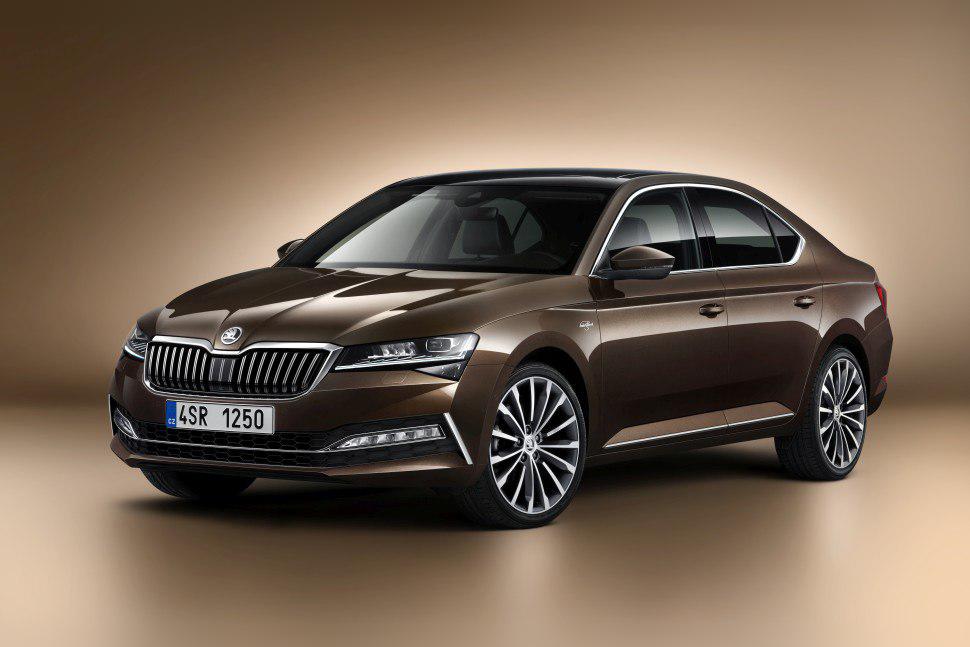
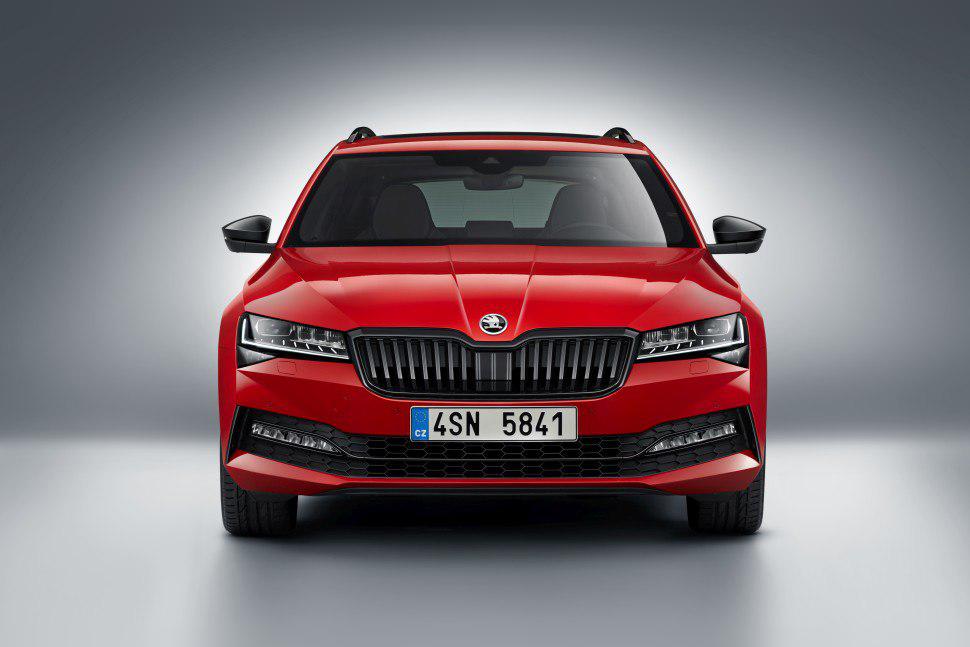

2.0 TDI (190 hp / DFHA) – Experiences, problems, fuel consumption and buying tips
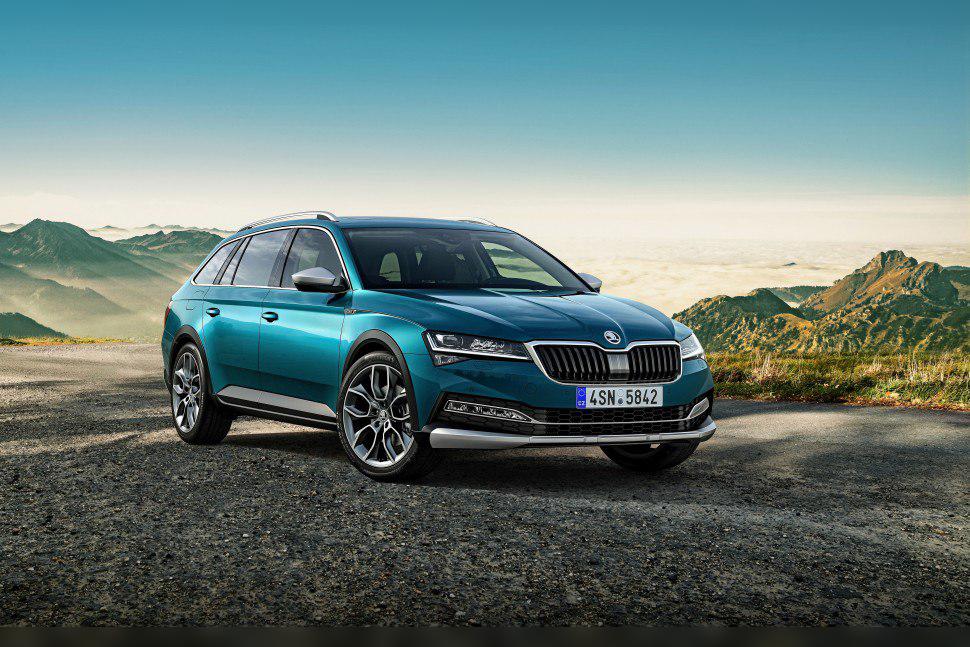
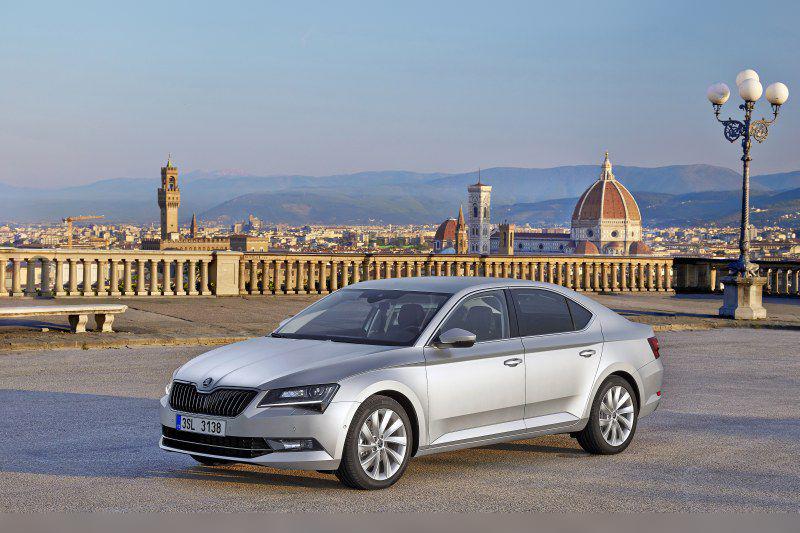
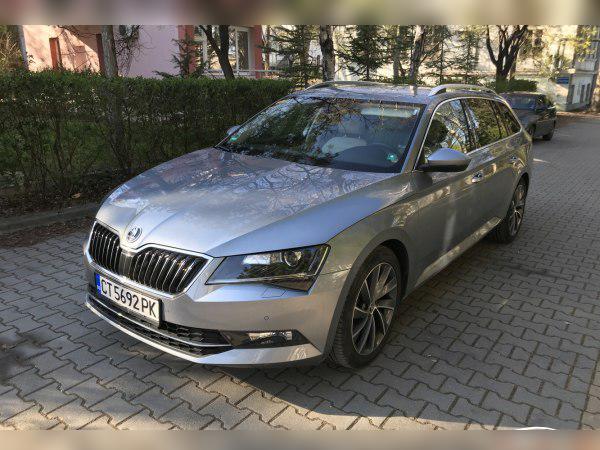
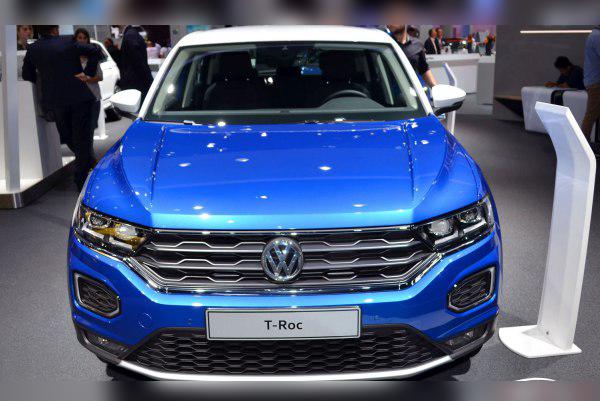
If you’re looking for the “golden middle” in the Volkswagen Group’s engine range for larger vehicles, the DFHA engine (part of the EA288 family) with 190 horsepower is probably at the top of the list. This is the powerplant that drives an army of SUVs and sedans, from Škoda Superb and Kodiaq, through Seat Tarraco, all the way to Audi Q3 and VW Tiguan.
As someone who has spent years analyzing VAG engines, I can tell you this is a modern evolution of the legendary TDI concept – powerful, relatively refined, but burdened by strict emission standards that bring specific issues. Is this the right engine for you or a ticking time bomb? Let’s take a look under the hood.
Key points in short (TL;DR)
- Performance: 400 Nm of torque is ideal for heavy SUVs and overtaking on open roads.
- Major service: The engine uses a timing belt. The factory says 210,000 km, real life says change it earlier because of the water pump.
- AdBlue system: The Achilles’ heel of newer generations. Problems with the pump, heater and crystallization are common.
- Gearbox: Almost exclusively comes with a DSG (most often DQ381, 7-speed “wet” clutch). Requires regular oil changes.
- Fuel consumption: Extremely economical on the highway, but “drinks” quite a bit in the city if installed in a heavy 4x4 body.
- Recommendation: Excellent choice for long-distance driving, poor choice for short city trips because of the DPF.
Contents
- Technical specifications
- Reliability and maintenance
- Specific components (costs)
- Fuel consumption and performance
- Additional options and modifications
- Gearbox and drivetrain
- Used car buying guide and conclusion
Technical specifications
| Parameter | Data |
|---|---|
| Engine displacement | 1968 cc (2.0 l) |
| Power | 140 kW (190 hp) |
| Torque | 400 Nm at 1900–3300 rpm |
| Engine code | DFHA (EA288 Gen 3 / Evo) |
| Injection type | Common Rail (Up to 2000+ bar) |
| Charging method | Variable-geometry turbocharger (VGT) + intercooler |
| Camshaft drive | Timing belt |
Reliability and maintenance
Timing belt or chain?
The 2.0 TDI (DFHA) engine uses a timing belt to drive the camshafts. This is good news because the system is quieter and generally more predictable than the chains on older TSI engines. However, there is a “but”. Although the factory optimistically specifies a replacement interval of up to 210,000 km, experienced mechanics strongly recommend doing the “major service” between 150,000 and 180,000 km or after 5 to 7 years of age.
The reason for earlier replacement is not so much the belt snapping, but the water pump. On this engine, the pump is electronically controlled (it has a variable “shroud” that moves to help the engine warm up faster). That mechanism is prone to sticking or coolant leaks, which can lead to overheating.
Most common failures
Besides the mentioned water pump, owners most often encounter oil leaks at the crankshaft seal (between the engine and gearbox), which is a repair that requires a lot of labor (gearbox removal). Also, due to the complex cooling system, the thermostat and thermostat housing can cause issues, making it hard for the engine to reach operating temperature or causing it to lose temperature on downhill stretches.
Oil and service intervals
This engine takes approximately 5.7 liters of oil. Only 0W-30 or 5W-30 oil that meets the strict VW 507.00 specification should be used (Low SAPS oil because of the DPF filter). This is critical – using the wrong oil will quickly destroy the DPF filter.
As for oil consumption, these engines are significantly better than their predecessors (PD engines). It is normal to consume around 0.5 to 0.8 liters between services (over 10,000–15,000 km). If you drive aggressively or often cruise on the motorway at high speeds, consumption can be higher, but anything over 0.5 l per 1,000 km indicates a problem (usually turbo or piston rings, although this is rarer at this mileage).
Injectors
The system uses Bosch piezo-electric or solenoid injectors (depending on the exact sub-variant and model year). They have generally proven to be very durable and can easily exceed 250,000+ km with good-quality fuel. Symptoms of bad injectors include “odd” idle, increased smoke under acceleration or difficult starting. Refurbishment is possible, but a new injector is a costly investment (depends on the market).
Specific components (costs)
Dual mass flywheel
Yes, this engine has a dual mass flywheel (DMF). Considering the 400 Nm of torque, the flywheel is under heavy load. Failure symptoms include a metallic “rattling” sound when switching the engine off, vibrations at idle that can be felt through the seat, or jerking when setting off (with DSG this is harder to feel until it becomes critical). Typical lifespan is around 200,000 km, but city driving can cut that in half.
Turbocharger
It uses a single variable-geometry turbocharger. The turbo is reliable if you follow the cool-down procedure after fast driving and change the oil regularly. Problems most often occur with the actuator (the electronic part that moves the vanes) or due to soot build-up if the car is constantly “lugged” at low revs.
Emissions: DPF, EGR and AdBlue
This is the section that worries owners the most:
- DPF and EGR: They work in tandem. If you mostly drive on open roads, you will likely never have an issue. However, in city driving the DPF clogs quickly. EA288 engines have an efficient regeneration system, but they need to be “blown out” regularly.
- AdBlue (SCR): Yes, the 190 hp (DFHA) variant always has an AdBlue system. This is often a weak point. The heater in the AdBlue tank frequently fails, as does the pump, and the injector that doses urea can crystallize and clog. Repairs to this system are very expensive (often the entire tank with pump/electronics has to be replaced). It is recommended to use anti-crystallization additives for AdBlue every time you refill.
Fuel consumption and performance
Is the engine “lazy”? Absolutely not. With 190 hp and 400 Nm, this engine copes excellently even with heavy bodies like the Škoda Kodiaq or Seat Tarraco loaded with 7 passengers. Acceleration is linear and convincing.
Real-world fuel consumption:
- City: Expect between 8.0 and 10.0 l/100 km. A heavy car, 4x4 drivetrain and automatic gearbox in traffic take their toll.
- Country roads: This is where the engine shines, consumption drops to 5.5 to 6.5 l/100 km.
- Motorway (130 km/h): At this speed the engine spins at a comfortable 2,000–2,200 rpm (depending on whether the gearbox has 6 or 7 gears). Consumption is around 6.5 to 7.5 l/100 km.
Additional options and modifications
Remap (Stage 1): This engine responds very well to a software power increase. A safe “Stage 1” tune raises power to around 220–230 hp and torque to 450–480 Nm. This drastically changes the character of the vehicle. However, be careful – the gearbox (DSG) must be in perfect condition to handle the extra torque, and the DPF filter must be healthy. Overdoing the torque can shorten the life of the flywheel.
Gearbox and drivetrain
In 99% of cases this engine comes paired with a DSG automatic gearbox and often with 4Motion / Quattro / 4Drive all-wheel drive.
- Gearbox type: In older model years (up to approx. 2017/2018) you may find the DQ250 (6-speed, wet clutch). Newer models, and especially this 190 hp variant in heavier vehicles, mostly use the newer DQ381 (7-speed, wet clutch). Both are excellent, but the DQ381 is more efficient on the motorway thanks to the seventh gear.
- Gearbox maintenance: This is MANDATORY. The oil and filter in the DSG gearbox must be changed every 60,000 km (some say 120,000 km for newer units, but don’t risk it – 60k is the benchmark). If this is neglected, the mechatronics (the gearbox “brain”) and clutches will fail.
- Manual gearbox: Rare for this power level and 4x4, but if you find one, the clutch and flywheel are wear items. Replacing the clutch kit with flywheel is expensive (depends on the market).
- 4x4 drivetrain: It uses a Haldex coupling (usually 5th generation). It also requires an oil change every 3–4 years or 45,000–60,000 km for the all-wheel drive to function properly.
Used car buying guide and conclusion
The 2.0 TDI 190 hp engine is a fantastic piece of engineering that offers an excellent balance between power and efficiency, but it requires a disciplined owner.
What to check before buying?
- Cold start: Listen for knocking (flywheel) and check whether the engine runs smoothly immediately after starting (injectors).
- Coolant: Look at the coolant reservoir. If the level is low or you see traces of leakage around the timing belt area, the water pump is probably due for replacement.
- DSG behavior: The gearbox must not jerk when setting off, nor hesitate when shifting gears. Check the service history – has the gearbox oil been changed?
- AdBlue errors: Always plug in a diagnostic tool. Fault codes related to “Reductant pressure” or “Heating element” mean expensive repairs are looming.
Conclusion: If you cover a lot of kilometers on open roads and need a strong family car that can pull hard, this is an excellent choice. If you need a car for short city commutes from home to work, this engine (and its DPF/AdBlue system) will give you headaches. In that case, a petrol engine is a better option.
Was this content useful to you?
Your opinion helps us to improve the quality of the content.