DFYA Engine
- Engine
- 1498 cm3
- Aspiration
- Turbocharger, Intercooler
- Fuel
- Petrol (Gasoline)
- Fuel injection system
- Direct injection
- Power
- 150 hp @ 5000 rpm
- Torque
- 250 Nm
- Cylinders
- 4
- Valves
- 16, 4 per cylinder
- Cylinders position
- Inline
- Valvetrain
- DOHC
- Oil capacity
- 4.3 l
- Coolant
- 8 l
- Systems
- Particulate filter
# Vehicles powered by this engine





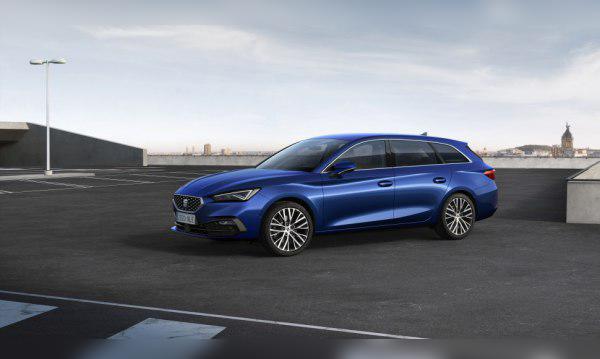
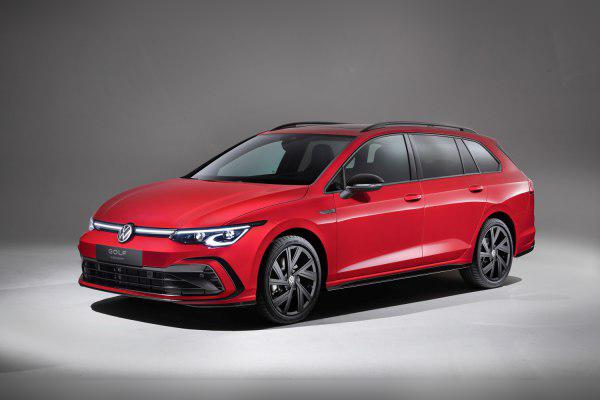
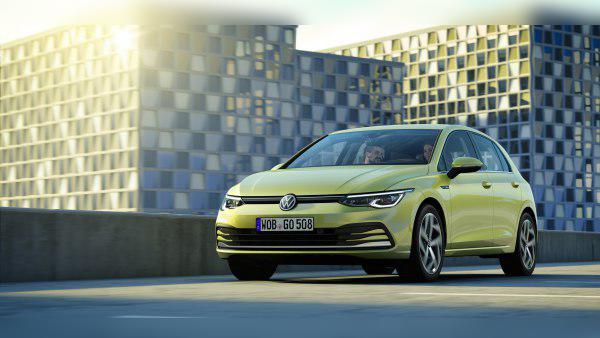
1.5 TSI / eTSI (DFYA) – Experiences, issues, fuel consumption and used car buying guide
Key points (TL;DR)
- Technology: Modern turbo petrol engine with a “Miller” cycle and cylinder deactivation (ACT) for fuel savings. The DFYA code often denotes the version paired with a 48V Mild Hybrid system (eTSI).
- Timing belt: The engine uses a timing belt, not a chain, which is good news for owners (quieter operation, cheaper replacement).
- Oil: Requires a specific “thin” 0W-20 oil (VW 508.00). Using the wrong oil can permanently damage the engine.
- Gearbox: Most commonly comes with a DSG automatic (DQ200) with dry clutches – sensitive to heavy stop‑and‑go city traffic.
- Specific issue: “Kangaroo effect” (jerking) on cold start in early production series, mostly solved with a software update.
- Recommendation: Excellent balance of power and fuel economy, ideal for those driving up to 25,000 km per year who want diesel‑like performance without diesel noise.
Contents
- Introduction and applications
- Technical specifications
- Reliability and maintenance
- Specific components and injection system
- Fuel consumption and performance
- Additional options (LPG and remapping)
- Gearbox: Manual and DSG
- Buying used and conclusion
Introduction and applications
The DFYA engine belongs to the newer generation of VAG engines (EA211 Evo). It is the direct successor to the popular 1.4 TSI engine, but with significant technical improvements. This is a 1.5‑liter unit which, in this specific variant, delivers 150 hp. What makes this engine special in models such as the Golf 8, Audi Q3 Sportback or Seat Leon IV is its frequent integration with a 48V Mild Hybrid system, which is why it carries the eTSI badge.
The engineers’ goal was clear: build a petrol engine that consumes fuel like a diesel, but performs like a sporty petrol. Thanks to a variable geometry turbocharger (VTG) – which is rare in petrol engines – and a system that deactivates two cylinders (ACT) during light‑load driving, this engine represents the technological peak in the “people’s car” segment.
Technical specifications
| Characteristic | Data |
|---|---|
| Engine displacement | 1498 cc (1.5 liters) |
| Power | 110 kW (150 hp) at 5000–6000 rpm |
| Torque | 250 Nm at 1500–3500 rpm |
| Engine code | DFYA (EA211 Evo family) |
| Injection type | Direct injection (TSI/FSI) – up to 350 bar |
| Charging | VTG turbocharger + intercooler |
| Hybrid support | MHEV (Mild Hybrid) 48V system (on eTSI models) |
Reliability and maintenance
One of the first questions every buyer asks is about the timing drive. The DFYA engine uses a timing belt. This is an improvement over older chain‑driven TSI engines that suffered from chain stretch issues. The belt is reinforced and designed for long life. Although the manufacturer often states “lifetime” or very long intervals (sometimes over 200,000 km just for inspection), experienced mechanics recommend doing the major service between 150,000 km and 180,000 km or at 8 to 10 years of age, whichever comes first. The timing kit is not excessively expensive (depends on the market), but special tools are required because of electronically controlled actuators.
Most common failures and symptoms:
The best‑known issue with this engine (especially in early production years, before 2020) is the so‑called “kangaroo effect”. It manifests as jerking or hopping of the car when pulling away from a standstill with a cold engine. The cause is the engine’s software map, which tries to heat up the catalytic converter too quickly using a lean mixture. The solution is usually a software update at an authorized service center. In addition, there may be problems with the actuators of the cylinder deactivation system (ACT), which can be felt as an unpleasant vibration when the engine is running on two cylinders.
Oil and service intervals:
This engine takes approximately 4.3 liters of oil. This is a critical point: the engine is designed for 0W‑20 viscosity oil with VW 508.00 / 509.00 specification. This oil has a slightly greenish color and is extremely thin. Do not use 5W‑40 or 10W‑40, as higher viscosity affects the operation of valve actuators and turbo lubrication.
As for oil consumption, these engines are significantly better than the old EA888 Gen2 units. It is normal to consume around 0.2 to 0.4 liters per 10,000 km, especially if driven aggressively on the motorway. If it consumes more than 0.5 liters per 1,000 km, that indicates a problem (piston rings or turbo), but this is rare at low mileage.
Spark plugs:
Since this is a petrol engine with direct injection, the spark plugs are under high stress. It is recommended to replace them every 60,000 km or 4 years. Using worn spark plugs can lead to coil failure (there is a separate coil for each cylinder).
Specific components (costs)
Dual‑mass flywheel:
Yes, this engine does have a dual‑mass flywheel, regardless of whether it is paired with a manual or automatic (DSG) gearbox. The 250 Nm of torque requires a dual‑mass flywheel to neutralize vibrations and protect the gearbox. Its typical lifespan is around 150,000–200,000 km, and replacement is quite expensive (depends on the market).
Injection system and injectors:
The engine uses high‑pressure direct injection (up to 350 bar). The injectors are precise and generally reliable, but sensitive to poor fuel quality. Carbon deposits can build up on the intake valves because the fuel does not “wash” the valves (it is injected directly into the cylinder). This may require mechanical cleaning (walnut blasting) at higher mileage (over 150,000 km).
Turbocharger:
The DFYA uses an advanced VTG turbocharger (variable geometry). This provides excellent throttle response at low revs. Service life is long if the engine is properly maintained and allowed to cool down after fast driving, but in case of failure, a VTG turbo is significantly more expensive to overhaul or replace than a conventional fixed‑geometry turbo (very expensive).
EGR, GPF and AdBlue:
The engine does not use AdBlue because it is a petrol unit. However, to meet Euro 6 standards, it is equipped with a GPF (Gasoline Particulate Filter) – the petrol equivalent of a DPF. The GPF rarely clogs because exhaust gas temperatures in petrol engines are higher, so passive regeneration is happening almost constantly. Still, if you only drive short trips in winter, a warning light may come on. There is also an EGR valve which can get dirty, but it is less problematic than on diesels.
Fuel consumption and performance
Real‑world fuel consumption:
In city driving, thanks to the Mild Hybrid system (on eTSI versions) which shuts the engine off during deceleration and the start‑stop system, consumption is around 7.0 to 8.5 l/100 km. Without hybrid support, in a pure petrol version, expect about one liter more in heavy traffic.
On open roads and highways, fuel consumption can drop to an impressive 4.5–5.5 l/100 km, partly thanks to the ACT system, which deactivates two cylinders while cruising.
Power and motorway driving:
Is the engine sluggish? Absolutely not. With 150 hp and 250 Nm available from just 1500 rpm, this engine moves the body of a Golf or Leon with ease. Even in the heavier Audi Q3, there is more than enough power for normal and dynamic driving. It is not a full‑on sports engine, but overtaking is safe and confident.
At 130 km/h, the engine (in 7th gear with the DSG gearbox) spins at about 2,300–2,500 rpm, which makes for quiet and economical cruising (consumption around 6.0–6.5 l/100 km).
Additional options and modifications
LPG conversion:
Since the engine uses direct injection, installing LPG is complex and expensive. It requires a system that either injects liquid gas directly through the petrol injectors (very expensive) or a system that uses a mixture of petrol and gas (e.g. 80% gas, 20% petrol) to cool the petrol injectors. Given the engine’s low petrol consumption, the cost‑effectiveness of LPG on this engine is questionable unless you drive very high mileage (over 30–40k km per year).
Chip tuning (Stage 1):
The engine can be remapped, but caution is advised. A Stage 1 tune raises power to about 170–180 hp and torque to over 300 Nm. However, the limiting factor is often the DSG gearbox (DQ200), whose clutches are rated for a maximum of 250 Nm. Although the gearbox has some tolerance, increasing power significantly shortens the life of the clutches and mechatronics. If you want long‑term reliability, it is recommended to leave this engine stock, especially the eTSI variants due to their complex electronics.
Gearbox
Two gearbox options are available with the DFYA engine:
- Manual gearbox (6‑speed): Precise and easy to use. The most common wear items are the clutch kit and flywheel, which depend heavily on driving style. An oil change in the gearbox is advisable at 100,000 km, even though it is not officially prescribed.
- DSG automatic gearbox (7‑speed, DQ200): This is the version with dry clutches. It is the fastest, but also the most sensitive gearbox.
DSG issues:
The DQ200 does not like “creeping” in traffic jams (stop‑and‑go driving without fully releasing the brake), because this overheats and wears the clutches. Failures manifest as jolts during gear changes (especially from 1st to 2nd) or delayed response. The mechatronics unit (the gearbox’s “brain”) can also fail, which is an expensive repair (expensive / very expensive).
Gearbox oil change: The manufacturer claims the oil is “sealed for life”, but in practice it is wise to change the oil in the mechatronics and gear set every 60,000–80,000 km to extend service life.
Buying used and conclusion
When buying a used car with the DFYA engine, make sure to check:
- Cold start: Insist on starting the car with a completely cold engine. Listen for any rattling (you should not hear a chain because there isn’t one, but hydraulic lifters can make some noise) and check whether the engine idles smoothly without “hunting” revs.
- Noise during cylinder deactivation: On the test drive, maintain a constant speed of about 80 km/h. When the display shows “2‑cylinder mode” or “Eco”, there should be no strong vibrations.
- Fluid leaks: Check the thermostat housing and water pump; these are weak points where coolant can be lost.
- DSG condition: The gearbox should shift almost imperceptibly. Any noticeable jolt is a sign of a potential repair bill running into several hundred euros.
Conclusion:
The 1.5 TSI / eTSI (DFYA) engine is an excellent choice for the modern driver. It offers sophistication, quiet operation and low fuel consumption that older petrol engines simply did not have. It is more complex than old naturally aspirated units, so it requires strict maintenance (high‑quality oil and fuel), but in return it provides a great driving experience. It is ideal for families who spend most of their time in the city, go on trips at weekends, and want to avoid potential issues with diesel DPF filters.
Was this content useful to you?
Your opinion helps us to improve the quality of the content.