EA288 evo / DTSB Engine
- Engine
- 1968 cm3
- Aspiration
- Turbocharger, Intercooler
- Fuel
- Diesel
- Fuel injection system
- Diesel Commonrail
- Power
- 150 hp @ 3500 rpm
- Torque
- 360 Nm
- Cylinders
- 4
- Valves
- 16, 4 per cylinder
- Cylinders position
- Inline
- Valvetrain
- DOHC
- Oil capacity
- 5.5 l
- Coolant
- 8 l
- Systems
- Start & Stop System, Particulate filter
# Vehicles powered by this engine

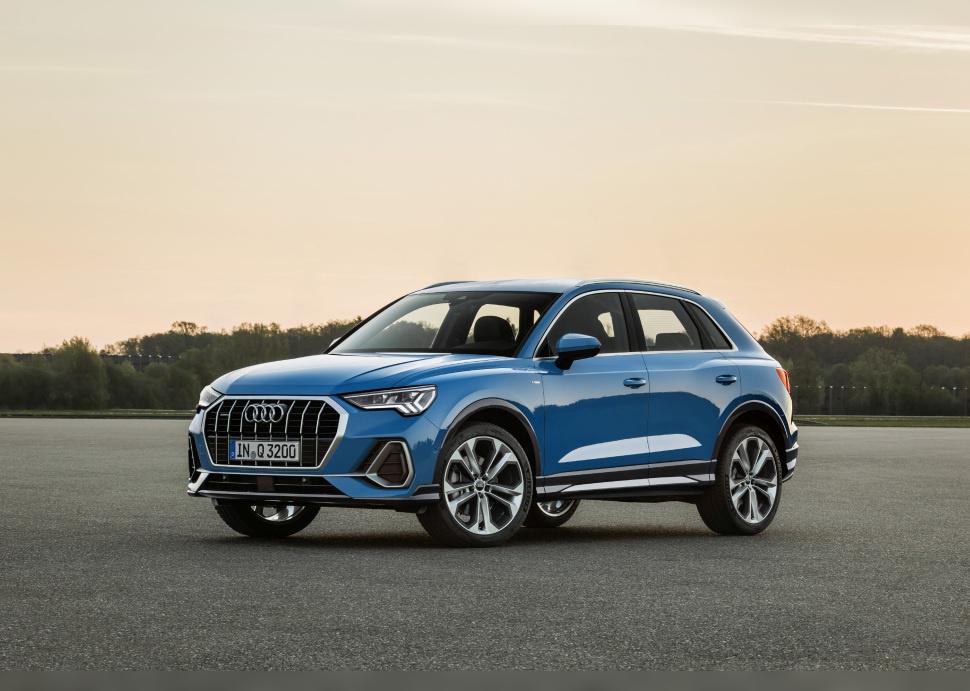
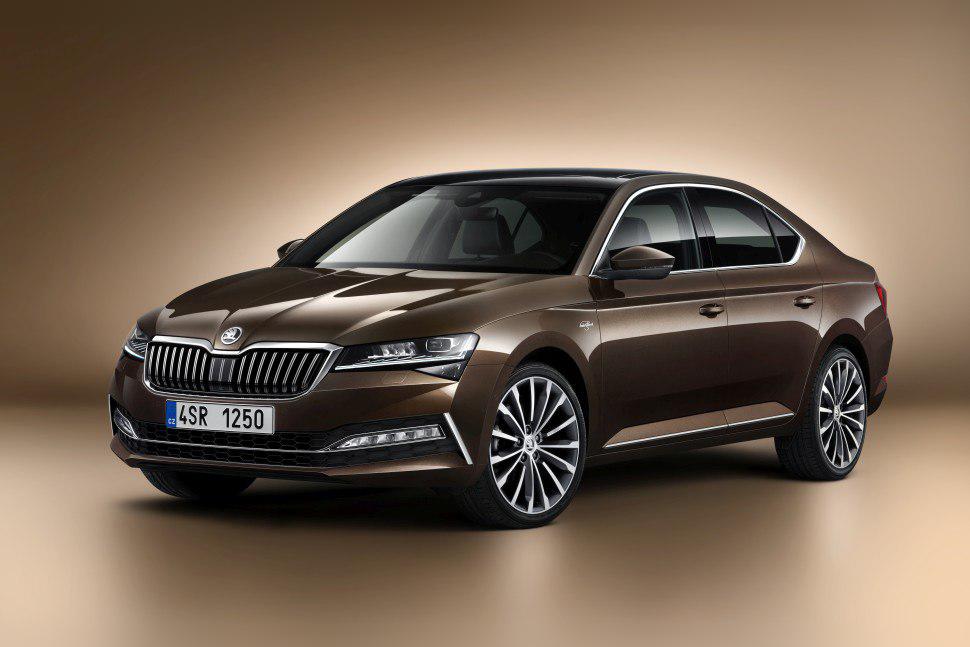
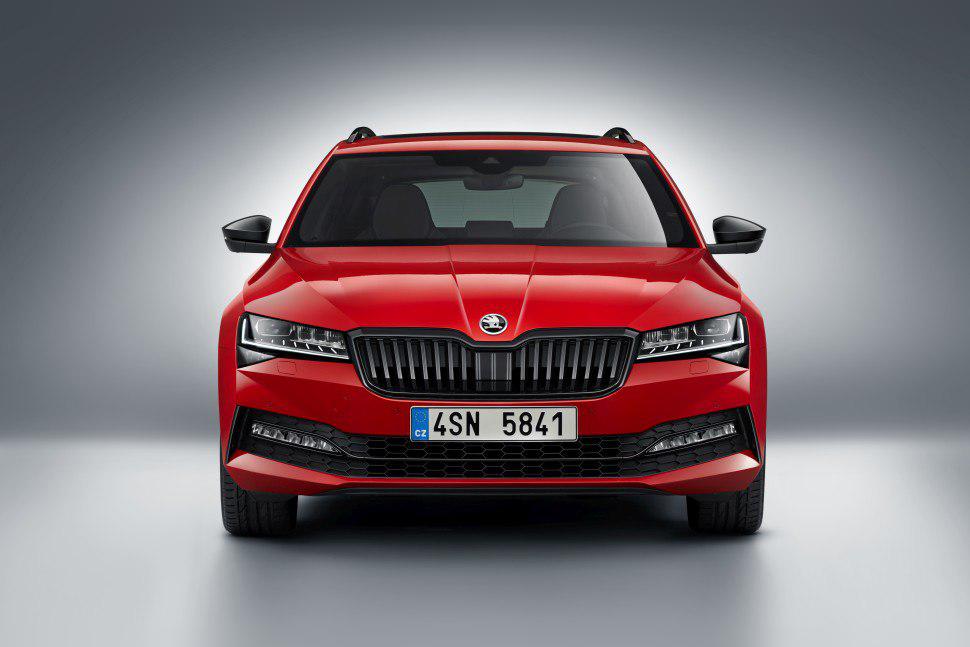
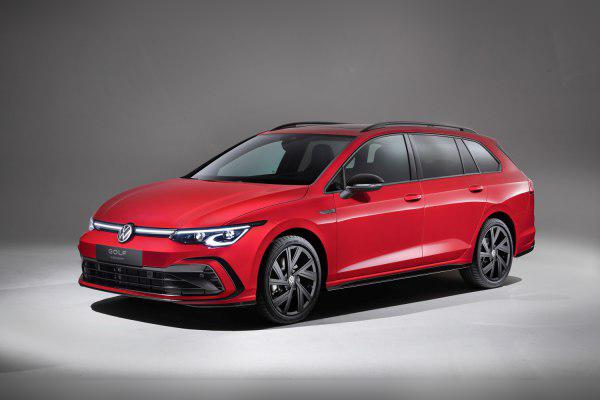
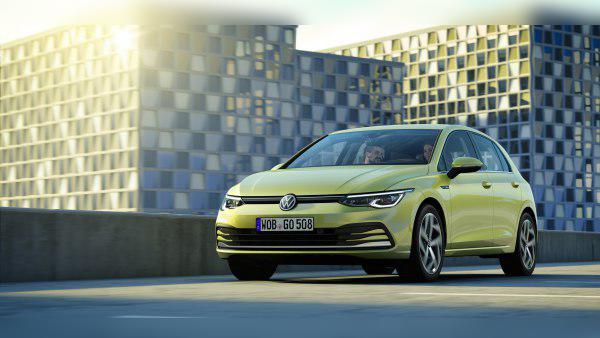
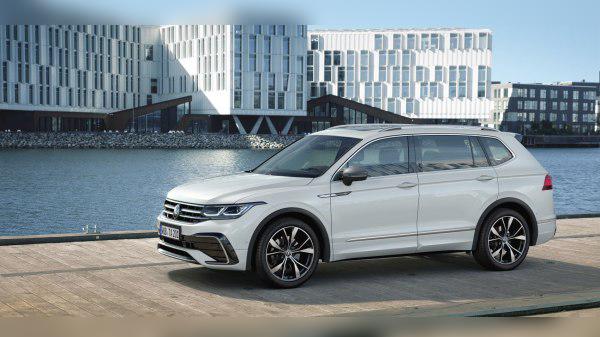
2.0 TDI (EA288 evo / DTSB) 150 HP – Experiences, problems, fuel consumption and used car buying guide
Key points in short (TL;DR)
- Latest diesel generation: EA288 evo (DTSB) is a refined version of the legendary 2.0 TDI engine, compliant with strict Euro 6d emission standards.
- Twin Dosing AdBlue: Uses two AdBlue injectors to drastically reduce NOx emissions. Great for the environment, but potentially expensive to maintain if the system fails.
- Excellent power-to-economy ratio: With 150 HP and 360 Nm, this is the "sweet spot" for the Golf 8, Superb and Q3. It’s not a race car, but it pulls very well with laughably low fuel consumption on the open road.
- Reliability: Mechanically very robust. The main concerns are the water pump (electronically controlled) and the sensors around the DPF/AdBlue system.
- DSG gearbox: Most of these models come with the DQ381 (7-speed, wet clutch), which is more reliable than the older versions, provided the oil is changed on time.
- Recommendation: An ideal engine for drivers who cover a lot of kilometers on open roads. For exclusively city driving, DPF and AdBlue can cause problems.
Contents
Introduction: Evolution of the most popular diesel
The engine with the code DTSB belongs to the EA288 evo family. This is not just a mild "facelift" of the old 2.0 TDI engine, but a serious revision made to meet draconian emission standards while retaining the performance VW Group drivers expect. It is installed in the modern range of vehicles (from 2019/2020 onwards) such as the Golf 8, Škoda Superb III facelift, Audi Q3 and Tiguan.
The main difference compared to its predecessors is the focus on reducing internal friction, improved thermal management and, most importantly, the implementation of the "Twin Dosing" exhaust gas aftertreatment system. For you as an owner, this means quieter operation and lower fuel consumption, but also a somewhat more complex system under the hood.
Technical specifications
| Feature | Data |
|---|---|
| Displacement | 1968 cc |
| Power | 110 kW (150 HP) at 3000–4200 rpm |
| Torque | 360 Nm at 1600–2750 rpm |
| Engine code | DTSB (EA288 evo family) |
| Injection type | Common Rail (up to 2200 bar) |
| Charging | Variable geometry turbocharger (VGT) + intercooler |
| Emission standard | Euro 6d-TEMP / Euro 6d |
Reliability and maintenance
Timing belt or chain?
The EA288 evo engine uses a timing belt to drive the camshafts. This is good news because modern belts are quieter and cheaper to replace than chains, which were known to cause problems on older VAG engines. The oil pump drive is solved via a separate belt running in oil (wet belt), which is designed to last as long as the engine, but it requires regular oil changes to prevent degradation.
Major service and intervals
The manufacturer is very optimistic here and often states a timing belt replacement interval of up to 210,000 km (depending on the market and year of production). However, as an experienced editor, I advise caution.
A realistic recommendation for peace of mind is to replace the complete timing kit (belt, tensioners, rollers and water pump) at 150,000 to 160,000 km or every 5 to 7 years. Rubber ages, and a failure due to a snapped belt is catastrophic.
Oil: quantity and grade
This engine takes approximately 5.5 to 5.7 liters of oil. What is specific for the "evo" engines is the switch to low-viscosity oils to save fuel. The manufacturer recommends 0W-20 with the VW 508.00 / 509.00 specification (often green in color).
You can also use 0W-30 or 5W-30 (VW 507.00), but only if the service booklet for your specific vehicle allows it. Do the minor service every 10,000 to 15,000 km, never at 30,000 km (LongLife), if you want the engine to last 300,000+ km.
Oil consumption
EA288 evo engines are quite "tight" and oil consumption is minimal. Between two services (at 15,000 km), you should not need to top up more than 0.5 to 1 liter. If the engine consumes more than that, it may indicate a problem with the piston rings or turbocharger, although this is rare on newer vehicles.
Injectors
Modern piezo or solenoid Common Rail injectors are used, operating at pressures up to 2200 bar. They have proven to be very durable. The expected service life is over 250,000 km with good-quality fuel. Symptoms of bad injectors are rough idle ("hunting" revs), increased smoke under acceleration or difficult starting. Reconditioning is possible, but not cheap.
Most common failures
Although reliable, the DTSB engine has its "bugs":
- Variable-flow water pump: A common issue. It has a "shroud" that moves over the impeller to help the engine warm up faster. This mechanism can stick, leading to engine overheating. Keep an eye on the temperature!
- Exhaust gas temperature sensors and NOx sensors: Due to the complex aftertreatment system, these sensors are prone to failure.
- Coolant leaks: Sometimes from the thermostat housing or the water pump itself.
Specific parts and costs
Dual-mass flywheel
Yes, this engine has a dual-mass flywheel (DMF). Given the high torque of 360 Nm, the flywheel is under significant stress, especially in stop-and-go city driving. Failure symptoms are a metallic "clattering" sound when switching off the engine, vibrations at idle or jerking when setting off.
Turbocharger
The engine uses a single variable geometry turbocharger. It is not particularly problematic. Its service life is usually equal to the life of the engine with regular oil changes and proper turbo cooling after fast driving (let the engine idle for 1–2 minutes before switching off).
DPF, EGR and AdBlue (Twin Dosing)
This is the critical section. The EA288 evo uses a Twin Dosing system, which means it has two SCR catalysts and two points where AdBlue fluid is injected. This drastically reduces emissions, but...
- AdBlue system: AdBlue pumps, heaters in the tank and the AdBlue injectors themselves are expensive components. Urea crystallization can clog the system if the car is driven infrequently. Repair costs are high (depending on the market).
- DPF and EGR: The low- and high-pressure EGR valves are prone to soot build-up, especially if the car is driven "pensioner-style" in the city. The DPF filter regenerates successfully on open roads, but city driving kills it.
Advice: Do not buy this engine if you spend 90% of your time in city traffic jams.
Fuel consumption and performance
Is the engine "lazy"?
Absolutely not. With 150 HP and 360 Nm, this engine copes very well even with heavier bodies such as the Škoda Superb Combi or Audi Q3 Sportback. The driving impression is that the engine has power "from the basement" (already from 1600 rpm). It is more than sufficient for normal and dynamic driving. It’s not a sports engine, but overtaking is safe and quick.
Real-world fuel consumption
- City driving: Expect between 6.5 and 8.0 l/100 km. For heavier SUV models (Tiguan Allspace, Q3) with quattro drive, this can go up to 9 liters in heavy traffic.
- Open road / secondary roads: This is where this engine shines. Consumption easily drops to 4.5 to 5.0 l/100 km.
- Motorway (130 km/h): Consumption is around 5.5 to 6.5 l/100 km.
At 130 km/h, depending on the gearbox (usually 7th gear on the DSG), the engine spins at a pleasant 1800 to 2000 rpm, which guarantees a quiet cabin.
Additional options and modifications
Chip tuning (Stage 1)
This engine block has a good power reserve. A safe Stage 1 remap usually raises power to about 185–195 HP and torque to 420–440 Nm.
However, be careful: increasing torque further stresses the dual-mass flywheel and the clutches in the DSG gearbox. If you decide to do this, shorten your service intervals. Also keep in mind that the new ECUs (MD1/MG1) are harder to crack and the software is more expensive.
Gearbox: manual and DSG
Types of gearboxes
- Manual: Usually a 6-speed (e.g. MQ350). Very precise and reliable. The only major cost is the clutch kit and flywheel.
- Automatic (DSG): With the EA288 evo, the most common is the DQ381 (7-speed with wet clutch). This is a significantly improved version of the old DQ250 and the problematic DQ200.
DSG maintenance and failures
The DQ381 is a robust gearbox, capable of handling high torque. Still, its longevity depends entirely on the oil.
Service interval: The manufacturer often says 120,000 km, but the expert recommendation is to change the oil and filter in the gearbox every 60,000 to 80,000 km.
Mechatronic failures are rarer than before, but they do happen (symptoms: jerks when shifting, popping out of gear). Clutch replacement on a DSG gearbox is a very expensive operation.
Clutch replacement cost
For the manual gearbox, a clutch kit with flywheel is an investment ranging from "moderately expensive" to "expensive" (depending on the market and parts brand – LuK, Sachs, Valeo). For the DSG gearbox, the clutch kit is significantly more expensive, and replacement requires special tools and software adaptation.
Buying used and conclusion
What to check before buying?
- Cold start: Listen to the engine when it is cold. There should be no metallic rattling (flywheel) or uneven running (injectors).
- Coolant: Check the coolant expansion tank. The fluid must be clean (G13 or G12evo), and the level stable. Traces of limescale around the water pump are a red flag.
- Diagnostics: Be sure to check the DPF filter status (ash load) and the AdBlue system status. Faults related to NOx sensors are expensive to fix.
- Gearbox service history: If it’s a DSG, ask for proof of oil changes. If there is no proof and the car has over 100,000 km, that is a major risk.
Final verdict
The 2.0 TDI (150 HP) DTSB engine is currently one of the best diesels on the market in its class. It offers a perfect balance between performance and efficiency.
Who is it for? Drivers who cover more than 20,000 km per year, mostly on open roads and motorways. It is ideal for families and business users who want reliability and low fuel consumption.
Who is it not for? Those who drive short distances in the city (to kindergarten and the supermarket). For them, modern petrol engines (TSI) or hybrids are a better option, because the complex diesel aftertreatment systems (DPF/AdBlue) will quickly generate costs higher than the savings on fuel.
Was this content useful to you?
Your opinion helps us to improve the quality of the content.