EA888 / CULC Engine
- Engine
- 1984 cm3
- Aspiration
- Turbocharger, Intercooler
- Fuel
- Petrol (Gasoline)
- Fuel injection system
- Direct injection and Multi-port manifold injection
- Power
- 220 hp
- Torque
- 350 Nm
- Cylinders
- 4
- Valves
- 16, 4 per cylinder
- Cylinders position
- Inline
- Valvetrain
- DOHC
- Oil capacity
- 5.7 l
- Coolant
- 10 l
- Systems
- Start & Stop System
# Vehicles powered by this engine




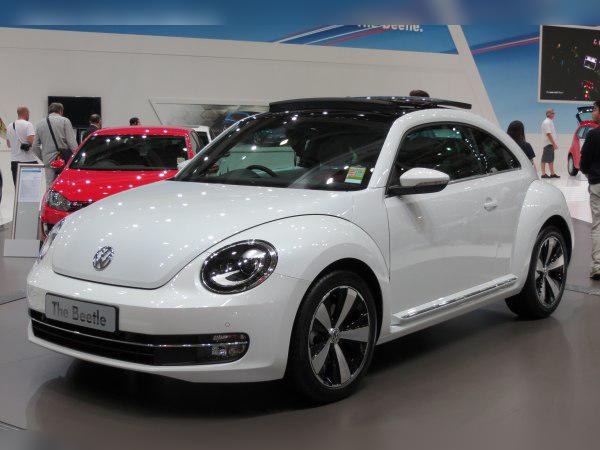
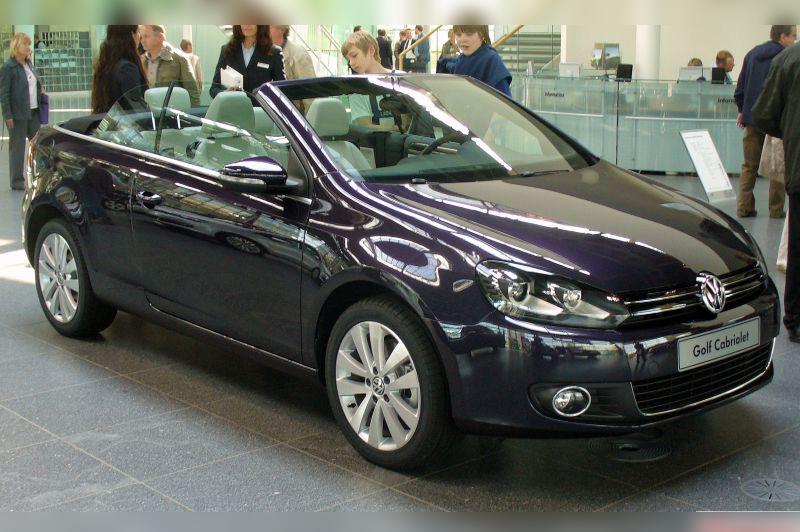

2.0 TSI / TFSI (EA888 Gen 3 CULC) – Experiences, issues, fuel consumption and maintenance
Key points in short (TL;DR)
- Generation 3: This is a significantly improved version of the infamous EA888 engine. The issue of extreme oil consumption (due to bad piston rings) is largely solved here.
- Timing chain drive: Uses a timing chain. Although the tensioner system is better than before, the chain can still stretch at higher mileage.
- Water pump: The "Achilles' heel" of this engine. The thermostat housing and pump are made of plastic that cracks due to heat cycles, which leads to coolant leaks.
- Performance: An extremely potent engine. With 220 hp and 350 Nm, it turns models like the VW Beetle or Scirocco into serious sports machines.
- DSG gearbox: Usually paired with the DQ250 (6-speed, wet clutch). Requires regular oil changes every 60,000 km, otherwise repairs are very expensive.
- Recommendation: An excellent choice for enthusiasts who want a high-performance petrol engine, but it requires strict maintenance and high-quality oil.
Contents
Introduction: The heart of the modern "GTI" experience
The engine code CULC belongs to the third generation (Gen 3) of the famous VAG EA888 family. This is crucial to know because the first two generations had a bad reputation due to catastrophic oil consumption. The 220 hp CULC variant is essentially the same engine found in the Golf 7 GTI, but here it is "packaged" in models that are more oriented towards style (VW Beetle, Scirocco GTS) or practicality (Audi Q3).
This powerplant represents a perfect balance between everyday drivability and sporty performance. Thanks to variable valve lift (AVS) on the exhaust side, the engine offers great throttle response and minimal turbo lag.
Technical Specifications
| Parameter | Value |
|---|---|
| Displacement | 1984 cc (2.0 L) |
| Power | 162 kW (220 hp) at 4500-6200 rpm |
| Torque | 350 Nm at 1500-4400 rpm |
| Engine code | CULC (EA888 Gen 3) |
| Injection type | Combined (Direct FSI + Indirect MPI) *Depending on market |
| Charging system | Turbocharger (IHI IS20) + Intercooler |
| Number of cylinders / valves | 4 / 16 (DOHC) |
Reliability and Maintenance
Timing belt or chain?
The EA888 CULC engine uses a chain to drive the camshafts. This was a weak point of previous generations. Although the Gen 3 tensioner system and the chain itself are significantly improved, the chain is not "lifetime". It is recommended to check chain stretch via diagnostics or visually (through the inspection opening on the cover) every 100,000 km. If you hear rattling on a cold start that lasts longer than 2–3 seconds, that is a sign that replacement is urgently needed.
Most common failures
Although more reliable than its predecessors, this engine has several characteristic issues:
- Thermostat module and water pump: This is the most common failure. The housing is made of plastic that deforms over time due to engine heat, which leads to coolant leaks. The symptom is a dropping coolant level and the smell of coolant under the hood.
- PCV valve (crankcase ventilation / oil separator): When the membrane in this valve tears, the engine starts to run rough, the "Check Engine" light comes on, and oil consumption may increase or oil may start leaking at seals due to excess crankcase pressure.
- Diverter valve (on the turbo): It can weaken, resulting in loss of power (boost leak).
Service intervals and oil
A classic "major service" (as with a timing belt) does not exist as a fixed item; instead, it comes down to replacing the chain when it stretches (usually between 150,000 and 200,000 km, but it can happen earlier or later). The minor service must be done at a maximum of every 15,000 km or once a year, and for city driving it is advisable to do it every 10,000 km.
Oil quantity and type: The engine takes approximately 5.7 liters of oil. Full synthetic oil with a viscosity grade of 5W-30 or 0W-30 that meets the strict VW 504.00 / 507.00 specifications is recommended.
Oil consumption
Does it consume oil? Yes, all turbo engines consume a bit of oil, but the CULC engine does not have the piston ring problem of the older models. Normal consumption is up to 0.5 liters per 5,000–8,000 km. If you have to top up a liter every 1,000 km, that points to a fault (PCV valve, turbo, or more rarely rings/cylinders due to poor maintenance), not a factory defect.
Spark plugs and coils
On this turbo petrol engine, the spark plugs are under high thermal load. Replacement is recommended every 60,000 km. If the car is "chipped" (tuned), this interval should be halved to 30,000 km, using "colder" plugs. Coils (ignition coils) can also fail, manifesting as jerking under acceleration (misfire).
Specific Parts (Costs)
Dual-mass flywheel
Yes, this engine has a dual-mass flywheel, regardless of whether it is paired with a manual or DSG gearbox. Its role is to dampen engine vibrations before they are transferred to the gearbox. Symptoms of failure are metallic knocking at idle that changes when you press the clutch, and vibrations when switching the engine off. Replacement is expensive (depends on the market, but it is among the pricier items).
Fuel injection system
European versions of the EA888 Gen 3 engines (including the CULC) often have a dual injection system: 4 direct injectors (FSI) and 4 port injectors in the intake manifold (MPI). This is a great solution because the MPI injectors wash the intake valves and prevent carbon buildup, which was a major issue on engines with direct injection only. Injectors are generally reliable, but the high-pressure fuel pump (HPFP) can fail at high mileage.
Turbocharger
The engine uses a single turbocharger, most commonly the IHI IS20. This turbo is very responsive and reliable. With regular oil changes and proper cooldown after spirited driving, the turbo can last as long as the engine itself (200,000+ km). The electronic wastegate actuator can cause problems, as it sometimes sticks, which requires refurbishment or replacement.
DPF, EGR and AdBlue
Since this is a petrol engine:
- No DPF (Diesel Particulate Filter).
- No AdBlue system.
- No conventional sooting EGR valve. VVT (variable valve timing) performs the function of internal exhaust gas recirculation.
- OPF/GPF (Gasoline Particulate Filter): Most models with the CULC engine (e.g. Scirocco up to 2017, Beetle up to 2016/17) were produced before OPF filters became widespread (Euro 6d-TEMP standard from 2018). Still, check by VIN. If there is no OPF, the sound is better and maintenance is cheaper.
Fuel Consumption and Performance
Real-world fuel consumption
This is a powerful 2.0 turbo engine, so do not expect miracles in terms of fuel economy.
- City driving: Expect between 10 and 13 l/100 km. In heavy stop-and-go traffic in winter, this can easily go up to 14 liters.
- Highway / country roads: At moderate speeds (80–90 km/h), consumption drops to around 6.5–7.5 l/100 km.
- Combined: A realistic average for most drivers is around 9–10 l/100 km.
Is the engine "lazy"?
Absolutely not. With 220 hp and 350 Nm of torque available from as low as 1500 rpm, this engine moves the body of a VW Beetle, Scirocco or Q3 with incredible ease. 0–100 km/h times are in the 6.5–6.9 second range (depending on the model). Overtaking is lightning fast and the engine feels strong in every gear.
Highway driving
This is the natural habitat of this engine. At 130 km/h in top gear (6th gear on the DSG), the engine spins at around 2,800–3,000 rpm (depending on the specific model’s gearing). The cabin is quiet, and there are always ample power reserves for acceleration up to 200 km/h without the need to downshift.
Additional Options and Modifications
LPG conversion
Not recommended and not cost-effective. Due to direct fuel injection into the cylinders, a sophisticated (and expensive) LPG system is required. There are two options: 1. A system that uses a mixture of petrol and LPG (to cool the petrol injectors). The savings are small. 2. A liquid LPG injection system through the petrol injectors (Direct Liquid Injection). This is the best solution, but installation is very expensive (often over 1000–1500 EUR), which makes the payback period too long.
Chiptuning (Stage 1)
The EA888 Gen 3 is a tuning king. The engine is factory "detuned" and has huge potential. With just a software remap (Stage 1), power can be safely raised to 290–310 hp, and torque to 420–440 Nm. Note: If you go Stage 1, be sure to shorten the oil and spark plug service intervals. Also, the DSG gearbox may require a remap (TCU tune) to cope with the increased torque.
Gearbox
Types of gearboxes
The CULC engine is most commonly paired with:
- Manual gearbox (6-speed): Code MQ350. Very precise and robust.
- Automatic DSG gearbox (6-speed): Code DQ250. This is a gearbox with a "wet" clutch pack (clutches are immersed in oil).
Failures and maintenance
- DSG (DQ250): This is a reliable gearbox, but it requires oil and filter changes every 60,000 km. If this is neglected, the Mechatronic unit (the "brain" of the gearbox) or the clutch pack can fail. Mechatronic repair is very expensive. Symptoms of problems are jerking when taking off, delayed shifting, or harsh shifts.
- Manual: The most common issue is the clutch disc wearing out faster due to the high torque, especially if the car is driven aggressively or is chipped. A clutch kit with flywheel is a significant expense.
Buying Used and Conclusion
What to check before buying?
- Cold start: Insist that the engine be completely cold. Listen to the chain. A short rattle (1 second) is OK, but anything longer points to a tensioner problem.
- Coolant leaks: Look under the intake manifold (front part of the engine block). White or pink crystalline traces mean that the water pump/thermostat is leaking.
- DSG service history: If it is an automatic, ask for proof of gearbox oil changes every 60k km. Without that, the risk is too high.
- Exhaust condition: Black tailpipes are normal for TSI, but thick smoke when revving or oily residue indicates turbo issues or excessive oil consumption.
Conclusion
Who is this engine for? For drivers who want a smile on their face every time they press the throttle. The 2.0 TSI (CULC) is one of the best four-cylinder engines on the market in terms of power, tuning potential and (now improved) reliability.
If you can live with somewhat higher fuel consumption and you do not skimp on proper maintenance (frequent oil changes, DSG servicing, quality parts), this engine will serve you for hundreds of thousands of kilometers with top-notch performance. Avoid neglected examples without service history, because repairs on this engine are not cheap.
Was this content useful to you?
Your opinion helps us to improve the quality of the content.