DCBE Engine
- Engine
- 2995 cm3
- Aspiration
- Turbocharger, Intercooler
- Fuel
- Petrol (Gasoline)
- Fuel injection system
- Direct injection
- Power
- 340 hp
- Torque
- 450 Nm
- Cylinders
- 6
- Valves
- 24, 4 per cylinder
- Cylinders position
- V-engine
- Valvetrain
- DOHC
- Oil capacity
- 7.6 l
- Coolant
- 20.7 l
- Systems
- Particulate filter
# Vehicles powered by this engine
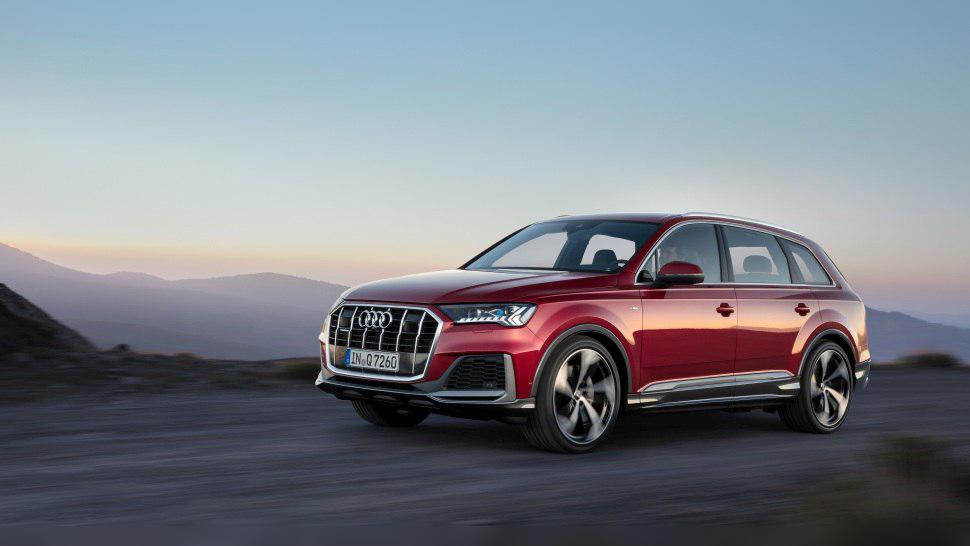
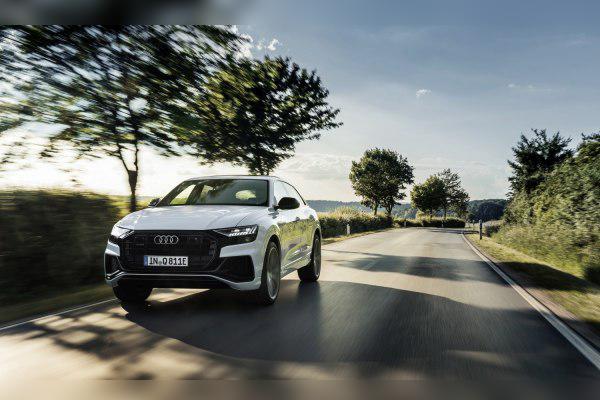
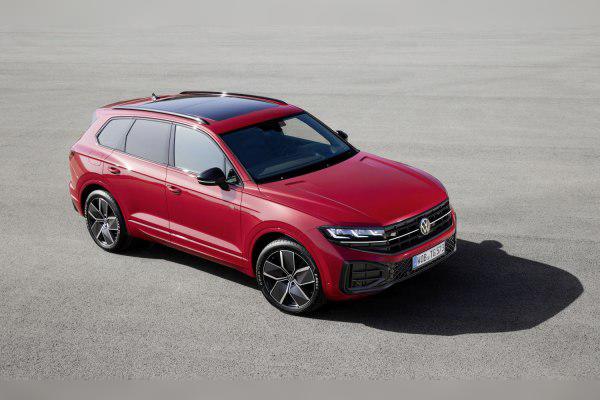
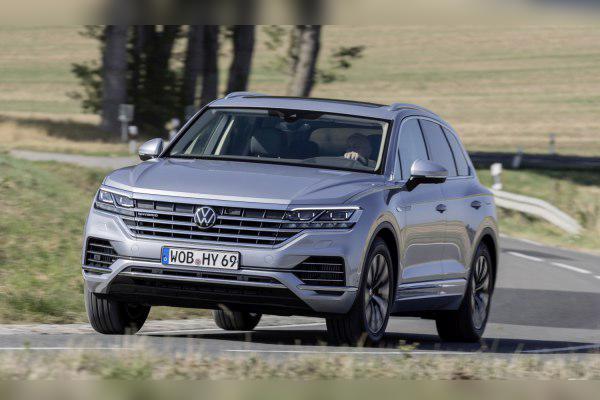
3.0 V6 TSI / TFSI (DCBE) - Experiences, issues, fuel consumption and used car buying tips
Most important in short (TL;DR)
- Complex design: This is a modern V6 engine with a “Hot-V” configuration (turbocharger inside the V-block). It’s efficient, but demanding in terms of cooling.
- Timing chain: The engine uses a chain drive that is located at the rear of the engine (towards the gearbox). Replacement is very expensive because it requires removing the engine.
- Oil consumption: Generally not as big of an issue as with older TFSI engines, but regular checks are mandatory.
- Hybrid system: In Q7 and Q8 (e-Hybrid) models, this engine works together with an electric motor. That reduces fuel consumption but increases the complexity of system maintenance.
- Recommendation: An excellent choice for heavy SUVs. It offers more refinement than a diesel, but with noticeably higher fuel consumption if the battery (on hybrids) isn’t charged.
Contents
- Technical specifications
- Reliability and maintenance
- Specific parts and costs
- Fuel consumption and performance
- Additional options and modifications
- Gearbox
- Conclusion and buying advice
The engine with the code DCBE belongs to the newer generation of VAG power units (EA839 family). It is a 3.0‑liter V6 turbo petrol engine that represents the “golden middle” in the range of premium SUVs such as the Audi Q7, Q8 and VW Touareg. This engine is particularly important because it serves as the base for powerful Plug‑in Hybrid (PHEV) systems, where in combination with an electric motor it delivers sporty performance with the option of electric‑only driving. Unlike the older supercharged V6 engines, this one uses a single twin‑scroll turbocharger mounted between the cylinder heads.
Technical specifications
| Parameter | Value |
|---|---|
| Engine displacement | 2995 ccm (3.0 L) |
| Configuration | V6 (90‑degree angle between cylinders) |
| Power (Internal Combustion Engine) | 250 kW (340 hp) *System output on hybrids goes up to 462 hp |
| Torque (Engine) | 450 Nm (at 1340–5300 rpm) |
| Engine code | DCBE (EA839 family) |
| Injection type | Direct injection (TSI / TFSI) |
| Charging method | Single twin‑scroll turbocharger, intercooler |
Reliability and maintenance
Maintaining this kind of engine in the premium segment requires discipline and a deeper pocket. Although the DCBE engine is technologically advanced, there are specifics you need to be aware of.
Does this engine have a timing belt or a chain?
The DCBE engine uses a chain to drive the camshafts. The system is very complex and consists of several chains. What matters most to owners is the chain’s position: it is located at the rear of the engine (between the engine and the gearbox). This means that any work involving replacement of the chain, guides or tensioners requires removing the engine from the car. This makes the intervention extremely expensive (labor hours), even though the chain itself usually doesn’t cause problems before 200,000 km, provided that the oil has been changed regularly.
What are the most common failures on this engine?
The most common issues include:
- Coolant leaks: The thermostat and water pump are located in the V‑section (between the cylinders). Due to high temperatures, plastic housings and seals can fail, causing coolant to leak into the “valley” of the engine.
- PCV valve (oil separator): If you hear a strange whistling noise or notice increased oil consumption, the PCV valve is often to blame. Its failure can lead to excessive crankcase pressure and oil leaks at the seals.
- Carbon buildup: As a direct‑injection engine, the valves are not “washed” by fuel. Over time, soot builds up on the intake valves, which can cause rough running and power loss.
- Turbo actuator electronics: Occasionally, faults related to turbo boost control appear.
At what mileage is the major service due?
Since the engine has a chain, the classic “major service” (like with a belt at 60–80k km) does not exist. The chain is designed for the engine’s lifetime, but in practice inspection and possible replacement of the chain and tensioners can be expected between 200,000 km and 250,000 km, or earlier if you hear characteristic rattling on cold start. The auxiliary (serpentine) belt and related pulleys should be replaced at around 100,000 km.
How many liters of oil does this engine take and which grade is recommended?
The engine takes approximately 7.5 to 7.6 liters of oil. For this engine (especially newer generations with a GPF filter), the VAG group strictly recommends 0W‑20 oil with the VW 508.00 / 509.00 specification. This “thin” oil is used to reduce friction and fuel consumption, but many enthusiasts and mechanics advise switching to 0W‑30 or 5W‑30 (if the specification allows it for your climate and if you don’t have a GPF) for better protection at high temperatures. However, always consult an authorized service center before changing the oil grade.
Does it consume oil between services?
Consumption of 0.5 to 1 liter per 10,000 km is considered acceptable for this type of V6 engine, especially if driven more aggressively. However, DCBE engines are better in this regard than older Audi TFSI units. If consumption exceeds 1 liter per 2,000–3,000 km, that points to an issue with the piston rings or the PCV system.
At what mileage should the spark plugs be replaced?
On this engine, spark plugs are replaced every 60,000 km or every 4 to 6 years. Due to direct injection and turbocharging, the plugs are under high thermal load. It is recommended to use only OEM or top‑quality (NGK/Bosch) spark plugs specified for this engine.
Specific parts (costs)
Does the engine have a dual‑mass flywheel?
Yes, this engine is paired with a dual‑mass flywheel, even when it comes with an automatic gearbox. The flywheel serves to absorb V6 engine vibrations before they are transmitted to the gearbox. In automatics it lasts longer than in manual gearboxes, but replacement is expensive (depends on the market, but consider it in the “expensive” category).
What kind of injection system does it have and are the injectors problematic?
The system is FSI/TSI high‑pressure direct injection. The injectors are piezoelectric and generally reliable. Symptoms of injector failure include leaking (smell of petrol in the oil), black smoke or rough engine operation. A single injector is expensive.
Does this engine have a turbocharger and what is its lifespan?
The DCBE has a single twin‑scroll turbocharger mounted within the “V” of the cylinders. This “Hot‑V” position allows incredibly quick throttle response (reduces turbo lag), but exposes the turbo to extreme temperatures. Turbo lifespan directly depends on maintenance (regular oil changes) and driving style (cooling the engine down after fast driving). With proper care, the turbo can last over 200,000 km.
Does this model have a DPF filter or an EGR valve?
Since it’s a petrol engine, it doesn’t have a DPF (Diesel Particulate Filter), but newer models (from 2018/2019 onwards, including the DCBE) have a GPF/OPF (Gasoline Particulate Filter) to meet Euro 6d standards. The GPF rarely clogs because exhaust gas temperatures on petrol engines are higher, which makes passive regeneration easier. There is an EGR valve, but on petrol engines it gets much less dirty than on diesels and rarely causes problems.
Does this engine use AdBlue?
No. AdBlue is used exclusively on diesel engines (TDI) for NOx treatment. This engine runs only on unleaded petrol.
Fuel consumption and performance
What is the real‑world fuel consumption in city driving?
This is a large engine in a heavy body (Q7, Touareg).
- Petrol only: In the city, expect 13 to 16 l/100 km, depending on traffic.
- Hybrid (PHEV): If the battery is full, petrol consumption can be 0 l/100 km (as long as there is charge). When the battery is depleted and you drive in hybrid mode, city consumption is around 10–12 l/100 km because the system uses regenerative braking.
Is this engine “lazy” for the weight of the car?
Absolutely not. With 340 hp and 450 Nm (plus the electric motor’s torque on hybrids), this engine “plays” with a 2.2+ ton body. Acceleration is linear and strong. On hybrid versions (55/60 TFSI e), the electric motor’s boost when setting off makes the car feel more agile than the diesels.
How does the engine behave on the motorway and at what rpm does it cruise at 130 km/h?
This is the engine’s natural habitat. Driving is quiet and refined. Thanks to the 8‑speed gearbox, at 130 km/h the engine spins at a low 1,800–2,000 rpm. Fuel consumption on the open road is around 9 to 11 l/100 km, which is acceptable for this class.
Additional options and modifications
Is this engine suitable for LPG conversion?
Technically it’s possible, but economically questionable. Due to direct injection, an expensive system is required (liquid injection system or a system that uses a petrol‑LPG mix to cool the injectors). Installation cost is high (over 1000–1500 EUR), and considering that these models are often driven as hybrids or cover lower annual mileage, the payback is debatable. You also lose boot space (or the spare wheel well, which on hybrids is often already taken up by the battery).
How far can this engine be safely tuned (Stage 1)?
The DCBE has huge potential. With a Stage 1 remap, power can be safely raised to around 400–420 hp, and torque to over 550 Nm. The engine can mechanically handle this power without issues, but you need to be careful with the gearbox and the turbo’s thermal load.
Gearbox
Which gearboxes are fitted to this engine?
With the DCBE engine in Q7, Q8 and Touareg models, only the 8‑speed automatic gearbox (Tiptronic) made by ZF (8HP model) is used. This is not a DSG (S‑tronic) dual‑clutch unit, but a conventional automatic with a torque converter.
What are the most common automatic gearbox issues?
The ZF 8HP is probably the best automatic gearbox on the market today. Failures are rare. Possible issues include oil leaks from the gearbox pan (the plastic pan can deform) or harsher shifts if the oil hasn’t been changed. The “mechatronics” is more reliable than on DSG gearboxes.
At what mileage should the gearbox be serviced?
Although the manufacturer (Audi/VW) often states that the oil is “lifetime”, the gearbox manufacturer (ZF) strictly recommends changing the oil and filter (integrated into the pan) every 80,000 to 100,000 km. This is crucial for longevity.
Used car purchase and conclusion
When buying a used vehicle with the DCBE engine, make sure to check:
- Chain noise on cold start: Let the car be completely cold. If you hear rattling for more than 1–2 seconds when starting, it’s a sign that the chain tensioners are weak (expensive repair).
- Signs of leaks: Remove the plastic engine cover and use a flashlight to inspect the “V” area between the cylinder heads. If you see pink residue (coolant) or oil, prepare for replacement of seals or the filter/cooler housing.
- Gearbox service history: If the car has over 100k km and the gearbox oil hasn’t been changed, that’s a risk.
- Hybrid system (for PHEV): Check the battery “health” (SOH) via diagnostics. Replacing the high‑voltage battery is an extremely expensive investment.
Conclusion: The DCBE 3.0 V6 TFSI is a fantastic piece of engineering. It is intended for drivers who want the quietness and power of a petrol engine and don’t cover 40–50 thousand kilometers per year (where a diesel would be more cost‑effective). In its hybrid form, it is ideal for those who have a garage and a charger, as it allows electric driving around town and unlimited range on longer trips. Maintenance costs are in line with the class – high, but if done regularly, the engine will serve you for hundreds of thousands of kilometers.
Was this content useful to you?
Your opinion helps us to improve the quality of the content.