CATA Engine
- Engine
- 2967 cm3
- Aspiration
- Turbocharger, Intercooler
- Fuel
- Diesel
- Fuel injection system
- Diesel Commonrail
- Power
- 225 hp @ 3750 rpm
- Torque
- 550 Nm @ 1750 rpm
- Cylinders
- 6
- Valves
- 24, 4 per cylinder
- Cylinders position
- V-engine
- Valvetrain
- DOHC
- Oil capacity
- 7.7 l
- Coolant
- 9 l
- Systems
- Particulate filter
# Vehicles powered by this engine
3.0 TDI V6 (CATA) – Experiences, problems, fuel consumption and buying tips
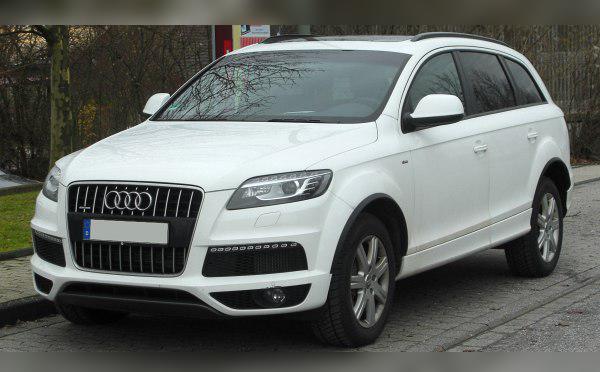
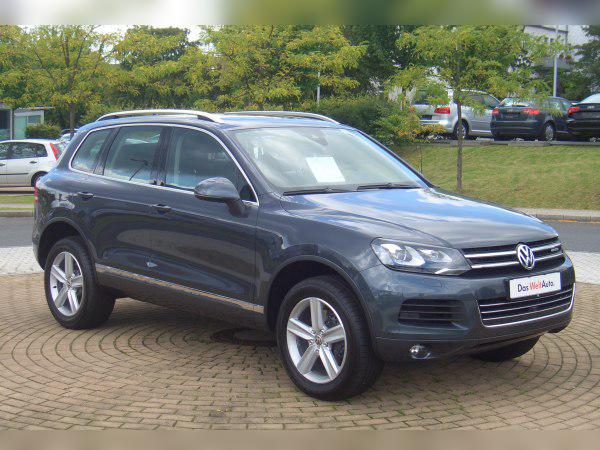
The engine with the code CATA is a specific iteration of the famous Volkswagen/Audi 3.0 V6 TDI power unit. It was primarily installed in the facelifted Audi Q7 (4L) and the second generation VW Touareg (7P). What sets this engine apart from other 3.0 TDI versions from that period is the "Clean Diesel" designation. This means it was one of the first engines prepared for strict emission standards (upcoming Euro 6 / US Bin 5) using SCR (AdBlue) technology, even before it became mandatory for all diesel vehicles.
Although it offers great performance and refinement, the CATA engine comes with specific maintenance costs due to the complex exhaust aftertreatment system and the complicated timing chain layout.
In short (TL;DR)
- Powerful and flexible: 550 Nm of torque easily moves heavy SUV bodies.
- Timing chain: Uses a chain system (4 chains in total) located at the rear of the engine. Replacement is expensive and demanding.
- AdBlue system: As a "Clean Diesel", it has a complex AdBlue system which is a common source of costly failures (heaters, pumps).
- CP4 pump: The high-pressure pump is sensitive to poor-quality diesel, which can lead to failure of the entire injection system.
- Not for city driving: DPF and EGR fail quickly in urban use; this is an engine for long-distance and highway driving.
- Automatic gearbox: Paired with durable Tiptronic gearboxes (Aisin or ZF), which are reliable with regular maintenance.
Contents
- Technical specifications
- Reliability and maintenance
- Specific parts (costs)
- Fuel consumption and performance
- Additional options and modifications
- Gearbox
- Buying used and conclusion
Technical specifications
| Engine displacement | 2967 cc (3.0 L) |
| Configuration | V6 (90-degree angle) |
| Power | 165 kW (225 hp) at 3500-4000 rpm |
| Torque | 550 Nm at 1750-2500 rpm |
| Engine code | CATA |
| Injection system | Common Rail (piezo injectors), up to 2000 bar |
| Charging type | Turbocharger (VGT) + intercooler |
| Emissions | Euro 5 / ULEV II (Clean Diesel with AdBlue) |
Reliability and maintenance
Chain or belt?
The CATA engine uses a timing chain system to drive the camshafts. This is a complex setup consisting of several chains (usually 4), located at the rear of the engine (towards the gearbox/cabin). Although it was designed by the manufacturer to last for the "lifetime" of the engine, in practice this is not the case. Due to long oil change intervals, the hydraulic tensioners can weaken and the chains can stretch.
Most common failures
Besides the timing chains, the CATA engine has several characteristic issues:
- Oil and coolant leaks in the "V" area: Between the cylinder heads there is an oil cooler and the oil filter housing. The gaskets often fail, so oil or coolant accumulates in the "valley" of the engine.
- Intake manifolds (swirl flaps): The small linkages that operate the flaps in the intake manifold wear out or get stuck due to soot. The symptom is a "Check Engine" light and loss of power.
- High-pressure pump (CP4): The Bosch CP4 pump is sensitive to poor fuel quality and the presence of metal shavings. If it seizes, the shavings contaminate the entire system (injectors, tank), which is very expensive to repair (depending on the market, often over 2000-3000 EUR).
- Oil level sensor and thermostat: Relatively common but minor issues.
Major and minor service
Since it has a timing chain, there is no classic "major service" at a fixed mileage. However, the auxiliary (serpentine) belt and its tensioners, which drive the alternator and A/C, are replaced at around 120,000 km. The chains are replaced as needed – most often when you hear rattling on cold start lasting longer than 3 seconds. This usually happens between 200,000 and 300,000 km, but it can occur earlier. To replace the chains, the engine often has to be removed, which drastically increases labor cost.
Oil: quantity and consumption
The CATA engine takes about 7.7 to 8.0 liters of oil (check the exact value by VIN, as oil pans may differ). The required grade is 5W-30 with VW 507.00 specification due to the DPF filter.
Oil consumption: These engines are known to consume some oil, especially if driven aggressively. Consumption of 0.5 to 0.8 liters per 10,000 km is considered acceptable. If it consumes more than 1 liter per 5,000 km, the turbocharger and piston rings should be checked.
Injector lifespan
The CATA engine uses piezo injectors. They are precise and quiet, but sensitive. The expected service life is around 200,000 - 250,000 km. Symptoms of bad injectors are: rough idle, white smoke that stings the eyes, and rising oil level in the sump (injectors "leak" fuel which ends up in the oil). This is dangerous because diluted oil can destroy the engine.
Specific parts (costs)
Dual-mass flywheel
The situation here is specific. Audi Q7 and VW Touareg with this engine come exclusively with a automatic gearbox (Tiptronic). Conventional automatic transmissions with a torque converter (wandler) DO NOT have a dual-mass flywheel as we know it from manual gearboxes or DSG. They have a "flexplate" (automatic flywheel), which is a solid piece of metal and rarely fails. So the cost of replacing a dual-mass flywheel practically does not exist here.
Turbocharger
The engine has a single turbocharger with variable geometry (VGT). It is very durable with regular oil changes and proper cooldown after driving. Service life is often over 250,000 km. The first symptom of trouble is usually the electronic actuator (it does not control the geometry correctly), which results in loss of power or going into "safe mode".
DPF, EGR and AdBlue (SCR)
This is the Achilles' heel of the CATA engine:
- DPF filter: Sensitive to city driving. If the vehicle is not regularly driven on open roads for regeneration, it will clog quickly.
- EGR valve: Soot often causes it to stick, resulting in jerking and smoke. The EGR cooler can also start leaking.
- AdBlue (SCR): Since the CATA is a "Clean Diesel", it has an AdBlue tank, pump, heaters and a urea injector. This system is prone to failures. The most common failures are the heater in the AdBlue tank or the pump. Repairs are expensive (often over 500-800 EUR), and software deletion (AdBlue off) is illegal, but unfortunately a common practice.
Fuel consumption and performance
Real-world fuel consumption
Do not trust the official factory figures. These are heavy vehicles (over 2.2 tons) with permanent all-wheel drive (quattro/4motion).
- City driving: Expect 11 to 14 liters/100 km. In heavy traffic and winter conditions, this easily goes to 15 l/100 km.
- Open road (rural/highway mix): It is possible to get down to 8 - 9 liters/100 km with careful driving.
- Motorway (130 km/h): Consumption is around 9.5 - 10.5 liters/100 km.
Performance and "sluggishness"
With 550 Nm of torque, this engine is far from sluggish. 0–100 km/h takes about 8–8.5 seconds, which is an excellent result for a 2.3-ton "tank". In-gear acceleration is strong and overtaking is safe. The feeling of power is dominant, unless you are expecting sports-car performance.
On the motorway at 130 km/h in top gear (depending on whether it is a 6- or 8-speed gearbox), the engine runs at a low 1800-2200 rpm, which ensures quietness and comfort.
Additional options and modifications
Remapping (Stage 1)
3.0 TDI engines respond very well to remapping. A safe Stage 1 can raise power to about 260-270 hp and torque to an impressive 600-620 Nm. This is clearly noticeable in driving, and fuel consumption can even slightly decrease with normal driving. However, before remapping, you must check the condition of the timing chains and injectors. Also keep in mind that higher torque puts additional stress on the gearbox.
Gearbox
Types of gearboxes
The CATA engine is paired exclusively with automatic gearboxes with a torque converter (Tiptronic):
- 6-speed Tiptronic (ZF 6HP or Aisin): Installed in earlier Q7 versions before the full switch to 8 speeds.
- 8-speed Tiptronic (Aisin TR-80SD in the Touareg / ZF 8HP in the Q7): These are more modern gearboxes. They are excellent, shift imperceptibly and keep revs low.
Gearbox failures and maintenance
These gearboxes are very reliable, much more reliable than DSG/S tronic gearboxes in heavy-duty use (towing, off-road).
- Service interval: The manufacturer often states that the oil is "lifetime". This is not true. Oil and filter in the automatic gearbox should be changed every 60,000 to 80,000 km.
- Failures: If the oil is not changed, the solenoids in the valve body (mechatronics) fail, which manifests as harsh shifts (especially from 2nd to 3rd gear or when stopping). Torque converter (wandler) refurbishment is possible at high mileage (over 250,000 km) if the revs start to fluctuate at constant speed.
- Clutch replacement cost: As this is a conventional automatic, there is no clutch kit that wears out like in a manual. Overhauling the entire gearbox is expensive (1500-2500 EUR), but with regular maintenance this is usually avoided.
Buying used and conclusion
When buying a vehicle with a CATA engine, make sure to do the following:
- Cold start: The engine must be completely cold. Listen to the sound during the first 3–5 seconds. If you hear metallic rattling/knocking that does not stop immediately, the chains need replacement (Cost: very expensive, 1000–2000 EUR depending on the workshop).
- Diagnostics (VCDS): Check injector correction values (anything over +/- 1.5 mg is suspicious) and DPF status (ash load).
- AdBlue system: Check for any fault codes related to "Reductant heater" or "Pump".
- Leak inspection: Remove the plastic engine cover and use a flashlight to inspect the area between the cylinder banks (V-section). It must be dry.
Conclusion: The 3.0 TDI CATA engine is a powerful cruiser. It is ideal for people who cover high mileage on open roads or tow heavy trailers (boats, campers). It offers a premium driving feel that smaller 2.0 engines cannot provide. However, it is not recommended for strictly urban driving due to DPF/AdBlue issues, nor for buyers with a tight maintenance budget, because potential failures (chains, injectors, pump) cost thousands of euros.
Was this content useful to you?
Your opinion helps us to improve the quality of the content.