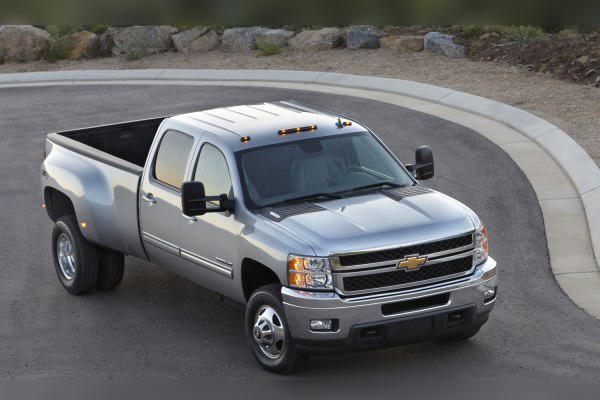
Chevrolet Vortec L96 6.0 V8 (360 hp): Owner Experiences, Common Issues, Fuel Consumption and Used-Buying Tips
- Extremely reliable “workhorse”: The cast-iron block and the absence of problematic cylinder deactivation systems make it one of the longest-lasting V8 engines out there.
- Huge fuel consumption: Be prepared for figures of over 20 l/100 km in city driving conditions.
- Excellent for LPG conversion: Thanks to traditional port injection, an LPG system is a lifesaver for your wallet and does not harm the engine.
- Cheaper maintenance: No dual-mass flywheel, no turbocharger, injectors are durable and inexpensive.
- Most common weakness: Exhaust manifold bolts snapping, which requires machining work and a patient mechanic.
- Robust transmission: Paired with the heavy-duty 6L90 automatic transmission that can handle huge loads, provided you change the fluid regularly.
Contents
- Introduction and basic information
- Technical specifications
- Reliability and maintenance
- Specific parts and costs
- Fuel consumption and performance
- Additional options and modifications
- Transmission and drivetrain
- Buying used and conclusion
Introduction and basic information
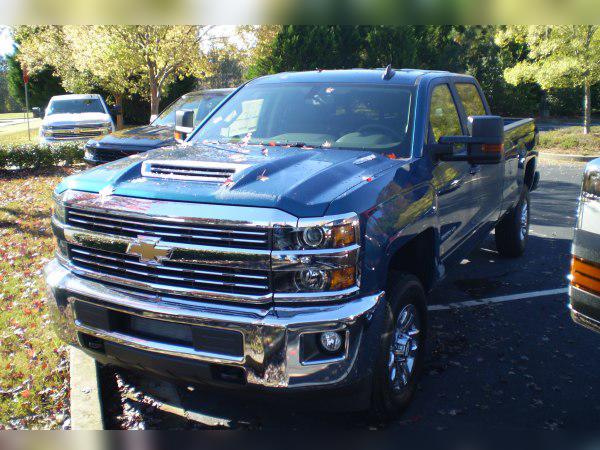
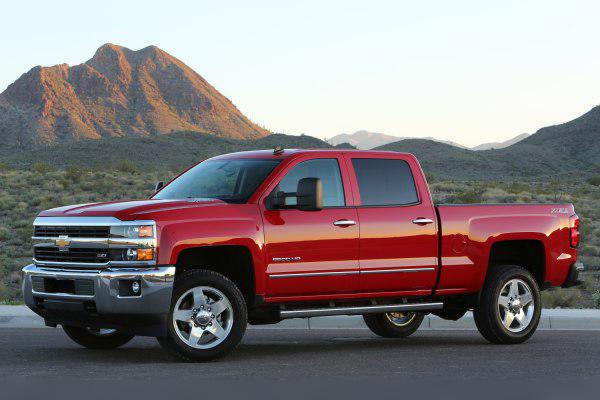
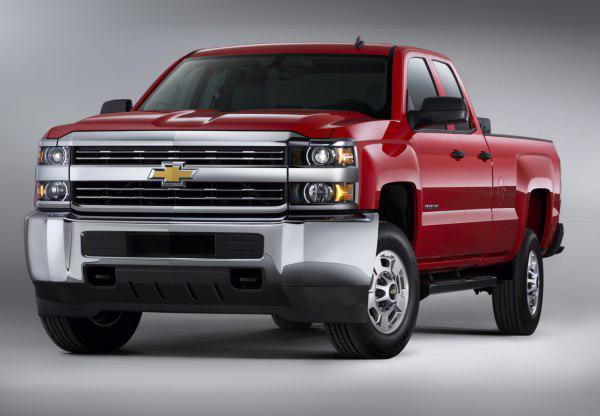
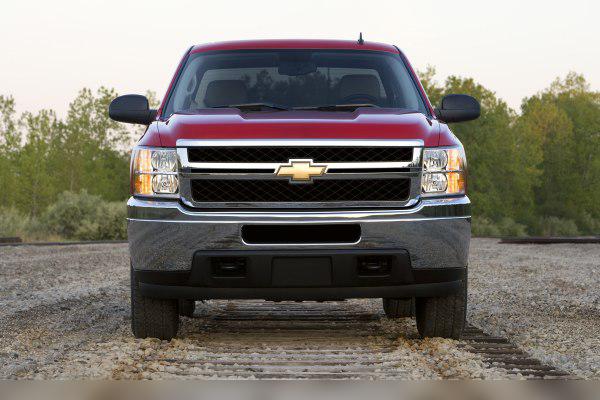
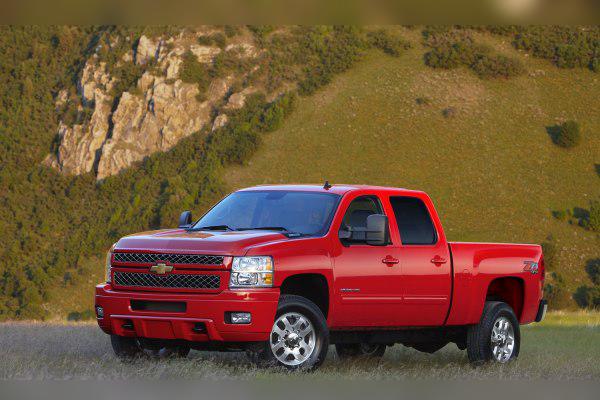
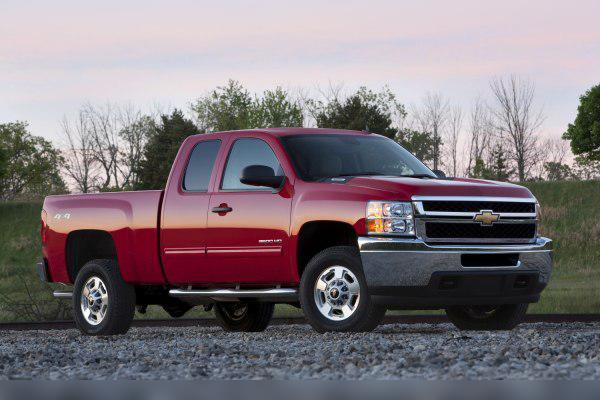
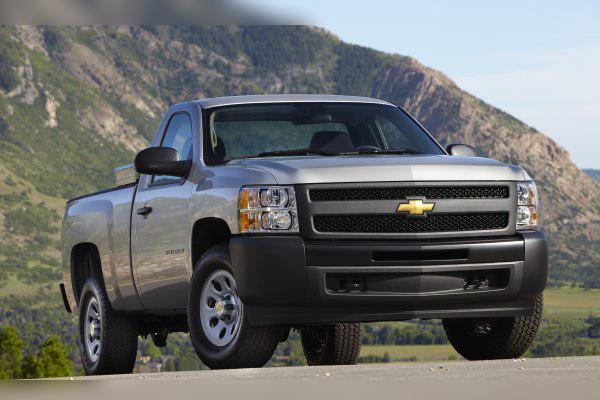
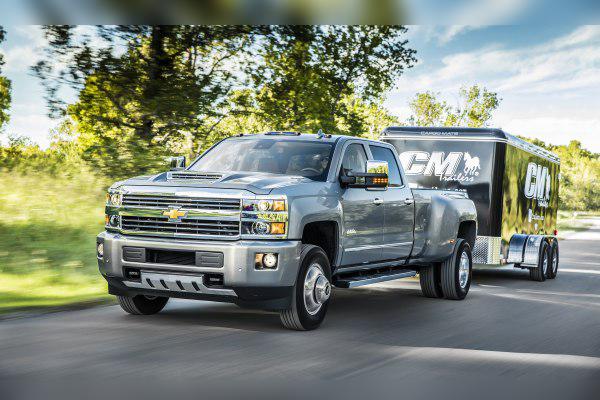
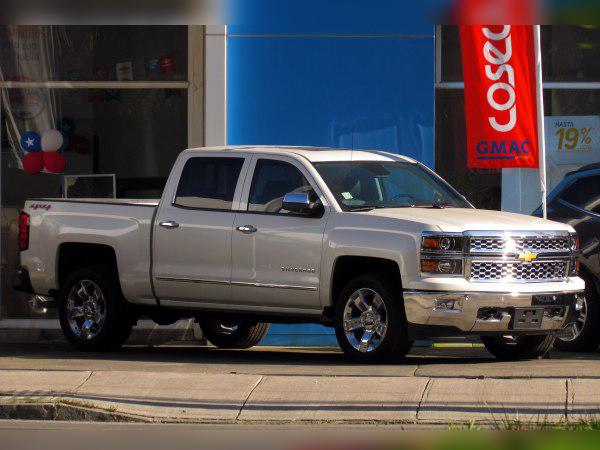
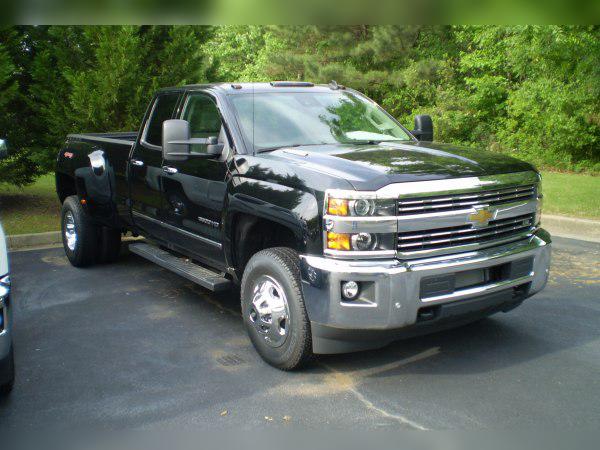
When talking about American work vehicles, the so‑called “Heavy Duty” pickups, the Vortec L96 6.0 V8 is an absolute legend. It is a fourth‑generation (Gen IV) engine from GM’s Small Block family. It was predominantly installed in massive models such as the Chevrolet Silverado 2500 HD and 3500 HD (on the GMT900 and K2XX platforms). Why is this engine so important? Because GM built into it an old‑school philosophy – a cast‑iron block, aluminum heads and simple mechanics, deliberately avoiding fragile modern technologies in favor of maximum durability under full load.
Technical specifications
| Parameter | Specification |
|---|---|
| Engine displacement | 5967 cc |
| Power output | 268 kW (360 hp) |
| Torque | 515 Nm |
| Engine code | L96 (Gen IV Vortec) |
| Injection type | Sequential multi‑point (MPI / Port Injection) |
| Induction | Naturally aspirated |
Reliability and maintenance
Timing system and major service
This engine uses a timing chain instead of a timing belt. The timing system is extremely robust and designed to last as long as the engine itself. There is no classic “major service” interval like on European engines. The chain rarely fails and is replaced only if, at very high mileage (over 300,000 km), diagnostics show deviations in camshaft and crankshaft angles, or if you can hear rattling. What is replaced preventively at around 150,000 km are the serpentine belt, idler pulleys, tensioners and the water pump, which can start leaking over time.
Most common failures and symptoms
Although the mechanical side is nearly indestructible, the L96 has a few annoying flaws. The best‑known issue is exhaust manifold bolts snapping. Due to huge thermal cycles, the outer bolts on the cylinder heads simply break. The driver notices this as a specific “ticking” sound (similar to worn hydraulic lifters) on a cold start, which disappears once the metal heats up and expands. In theory, replacement is cheap, but extracting a broken bolt from the block can be very expensive (depends on the market).
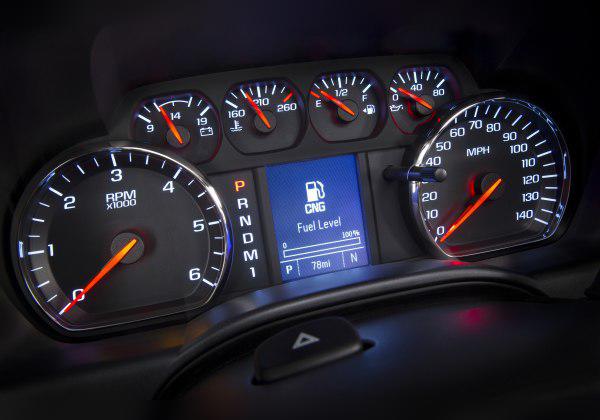
Another known weak point is the oil pressure sensor, located deep behind the intake manifold. When it fails, the oil pressure gauge on the instrument cluster drops to zero or behaves erratically, even though the engine actually has excellent lubrication.
Oil and oil consumption
The lubrication system holds about 5.7 liters of oil, and the recommended grade is 5W‑30 (synthetic that meets the Dexos1 standard). Does it burn oil? Yes, but within reasonable limits. Due to large tolerances and hard work under load, consumption of up to 0.5 to 1 liter per 5,000 km is considered completely normal. If it uses more than that, the problem usually lies in a clogged PCV system (crankcase ventilation) or worn valve stem seals at extreme mileage.
Spark plug replacement interval
Since this is a pure gasoline V8, the engine uses one spark plug per cylinder. The recommendation is to use quality iridium spark plugs and replace them every 100,000 to 120,000 km. If you neglect replacement, you may get misfires, which directly destroy ignition coils and catalytic converters. Replacing the spark plug wires is recommended every second spark plug change.
Specific parts and costs
Flywheel, turbo and DPF issues?
This is the section where owners of this engine save the most money. The Vortec L96 does not have a dual‑mass flywheel. It is paired with a heavy automatic transmission that uses a torque converter. Also, since this is a large naturally aspirated gasoline engine, it has no turbochargers, no intercooler, no DPF filter, and no sensitive AdBlue system. As a result, all the expensive “diesel” nightmares familiar to European drivers simply do not exist here.
Fuel injection system
The engine uses classic Multi‑Port Injection (MPI), injecting fuel behind the intake valves. There is no expensive high‑pressure fuel pump (HPFP) and no injectors working at enormous pressures like on newer direct‑injection engines. The injectors are extremely durable, lasting hundreds of thousands of kilometers, and since the fuel washes the intake valves, there are no issues with carbon buildup in the intake ports. If you ever need to replace the injectors, the cost is not high (depends on the market).
Fuel consumption and performance
How much does this “beast” actually use?
Physics is unforgiving. You are driving a vehicle weighing around three tons, shaped like a brick, with a six‑liter V8. Real‑world consumption in city driving is between 20 and 25 l/100 km. In stop‑and‑go traffic or in winter, it easily exceeds the upper limit.
Highway behavior and driving characteristics
On the open road, things are somewhat better. At a cruising speed of 130 km/h, the heavy automatic transmission keeps revs relatively low, between 2,200 and 2,500 rpm (depending on the chosen differential). Highway consumption without load ranges from 15 to 18 l/100 km.
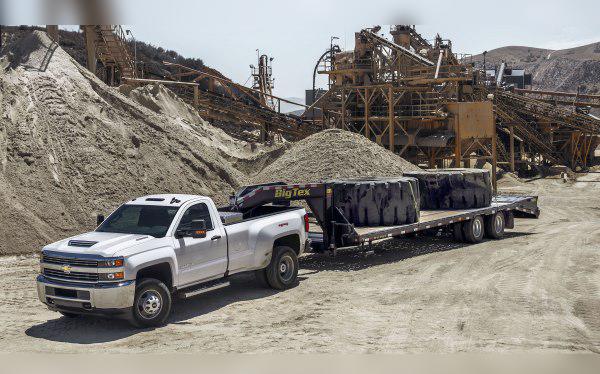
Is the engine “lazy”? With 360 hp and 515 Nm of torque, it can hardly be called lazy, but don’t expect sports‑car acceleration. Power delivery is linear and tuned so that the engine can pull a 5‑ton trailer uphill for days, while coolant temperature (ideal range 90–100 °C) stays rock‑steady in the middle.
Additional options and modifications
LPG (autogas) conversion
If you plan to drive this vehicle in Europe or any region with expensive gasoline, an LPG conversion is almost mandatory. This engine is perfect for LPG. Thanks to classic MPI injection and hardened valve seats (L96 heads were primarily designed to withstand E85 ethanol and heavy loads), the engine handles LPG combustion brilliantly. Installing a sequential LPG system pays for itself very quickly and does not require complex gasoline add‑on injection systems.
ECU remap (Stage 1)
When it comes to “chip tuning”, a Stage 1 map optimization on a naturally aspirated gasoline engine of this displacement brings modest gains. Realistically, you can expect an increase of about 15 to 25 hp and around 30 Nm of torque. However, the main reason owners often go for a remap is not peak power, but transmission calibration. The factory drive‑by‑wire throttle pedal has a programmed delay (lag), and with a remap you get a much more responsive vehicle and a transmission that shifts more intelligently, creating the impression of a much livelier truck.
Transmission and drivetrain
Which transmissions are used?
In the 2500 HD and 3500 HD series with this engine, there are no manual transmissions. The engine is exclusively paired with GM’s famous 6L90 6‑speed automatic transmission. This is a reinforced “Heavy Duty” version capable of handling massive amounts of torque.
Maintenance and the most common automatic issues
The 6L90 transmission is fantastically reliable under one condition – regular maintenance. Problems arise when owners believe in the “lifetime fluid” myth. The interval for changing the transmission fluid and filter is every 70,000 to 90,000 km. If the vehicle is constantly used for towing in hilly terrain, that interval should be halved.
The most common failure on neglected transmissions is fluid overheating, which leads to wear of the friction clutches and torque converter failure. The symptom of a bad converter is a slight shudder of the entire vehicle under acceleration at around 60–80 km/h (the so‑called torque converter shudder). Repairing this kind of failure is an expensive affair (depends on the market).
Buying used and conclusion
What to check before buying?
If you are considering buying a used Chevrolet with the L96 engine, make sure to do the following:
- Listen to it completely cold: If you hear ticking in the first few minutes of running, prepare for drilling and extracting exhaust manifold bolts.
- Check the color and smell of the transmission fluid: The fluid on the dipstick (this model does have a transmission dipstick) must be reddish/pink. If it is black and smells burnt, the transmission is close to failure.
- Check operating temperature: These engines have very strong viscous fans and thermostats. A rock‑steady operating temperature is a must; any fluctuation indicates a faulty thermostat or a leaking water pump.
- Inspect suspension and frame: Since these are HD work vehicles, underneath the body there is a massive ladder frame. Check it for deep rust; surface rust is standard on them due to the type of factory protection, but deep corrosion is a reason to walk away. The suspension carries a lot of weight, so pay attention to ball joints and tie rods.
Who is this engine for?
The Vortec L96 6.0 V8 is the ultimate machine for people who need a brutally reliable vehicle for work, towing boats, car trailers or heavy equipment, and who at the same time have a strong aversion to modern, fragile diesel engines. Fuel costs are astronomical, but they drop drastically with an LPG system. What you pay in gasoline, you save by not having to deal with injector, flywheel and turbo failures. For someone who needs such a truck just for everyday city “buzzing around” and trips to the supermarket – this is a complete mismatch. For a true professional or enthusiast who knows what they are buying – this is an investment in mechanical engineering that simply isn’t made anymore.