Hyundai/Kia 1.0 T-GDi Kappa II / G3LC (120 hp): Experiences, issues, fuel consumption and used-car buying tips
Key points in short (TL;DR)
- This is a modern small-displacement three-cylinder petrol engine with a turbocharger and direct injection (GDI).
- The engine is timed by a chain, which saves money on classic timing-belt services, but the chain needs to be checked and is sensitive to irregular oil changes.
- Because of direct injection, carbon buildup on the intake valves is inevitable on cars driven mostly in city conditions.
- The engine is excellent in lighter models (i20, Venue), while in heavier cars (i30, Kona) it can feel “lazy” at low revs on inclines and under full load.
- Not the best candidate for LPG conversion due to the expensive systems required for GDI engines.
- Versions equipped with a DCT (automatic) gearbox with dual clutch can suffer from more expensive failures and clutch overheating in stop‑and‑go traffic.
Contents
- Introduction: A star of the downsizing era
- Technical specifications
- Reliability, maintenance and failures
- Specific parts and costs
- Fuel consumption and performance
- Additional options, LPG and remapping
- Gearbox characteristics
- Buying used and conclusion
Introduction: A star of the downsizing era
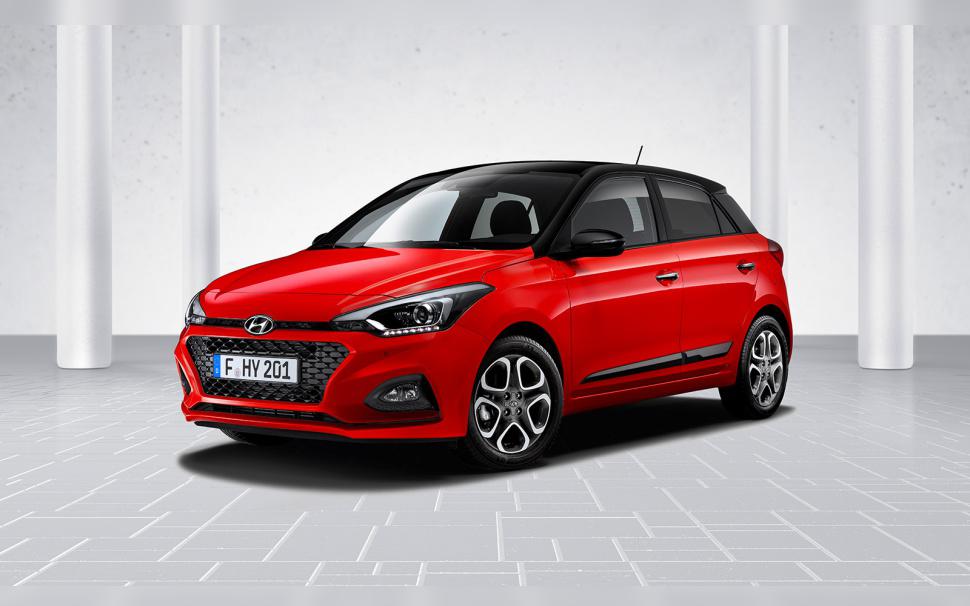
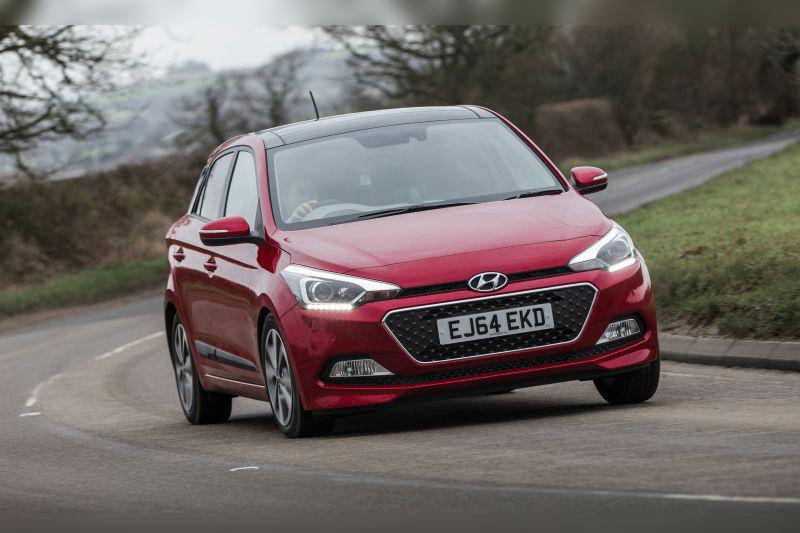
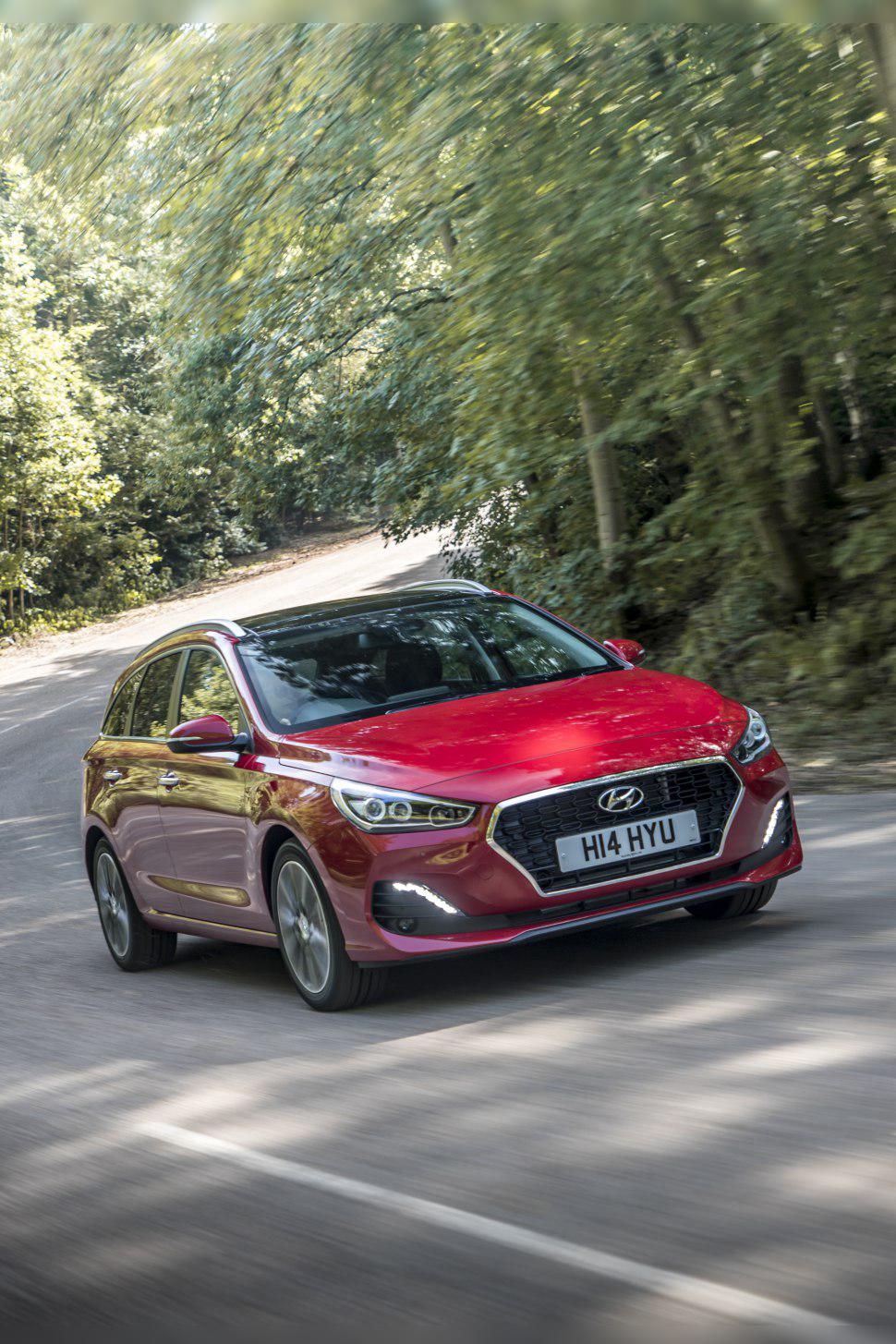
The G3LC engine from the Kappa II generation is one of the key players in the Hyundai and Kia range over the past decade. Designed primarily to meet strict European emission standards, this 1.0 T-GDi unit packs solid power into a very small package. It has been installed in a wide range of cars – from city runabouts like the Hyundai i20 (and i20 Coupe), through the compact i30 (Hatchback, Fastback, CW estate), to urban crossovers such as the Kona and Venue. Over the years it has received upgrades (facelifts, addition of Mild Hybrid systems), but the base has remained the same: one litre, three cylinders, turbo and a lot of direct injection.
Technical specifications
| Displacement | 998 cc |
|---|---|
| Power (kW/hp) | 88 kW (120 hp) |
| Torque | 172 Nm (often available from 1500 to 4000 rpm) |
| Engine codes | Kappa II / G3LC |
| Injection type | Direct (GDI - Gasoline Direct Injection) |
| Turbo/Naturally aspirated | Turbocharger with intercooler |
Reliability, maintenance and failures
When talking about the mechanical side, one of the first questions is the timing system: this engine uses a timing chain, not a belt. In theory, that should mean “maintenance-free”, but in practice the chain is usually checked around 150,000 km and replaced if diagnostics or a mechanic detect stretching.
There is no classic major timing service (timing belt replacement), but the auxiliary belt, pulleys and water pump need to be replaced at around 90,000 to 120,000 km. A common issue at these mileages is slight leakage and sweating from the water pump itself. Another typical problem is carbon buildup on the intake valves. Because of the GDI system, petrol does not wash the valves, so soot accumulates. Symptoms include rough idle, hesitation, and even misfire error codes. The solution is mechanical decarbonisation (“walnut blasting”). Ignition coils also occasionally fail, which the driver notices as loss of power and an illuminated “Check Engine” light.
Oil is the lifeblood of this engine. The sump holds about 3.6 litres of oil (including the filter). Only high-quality fully synthetic oil of grade 0W-30 or 5W-30 is recommended. If the car has a GPF filter (mainly models from 2018 onwards), low-ash oil (ACEA C2/C3 standard) must be used. The engine is known for not being an extreme oil burner. Mild consumption between services (around 0.2 to 0.5 litres per 10,000 km) is considered completely normal and harmless. However, anything above half a litre per 1,000 km requires a serious inspection of the piston rings or turbocharger.
As this is a pure petrol engine, the mixture is ignited by spark plugs. For flawless operation and to avoid serious damage, it is essential to fit quality iridium spark plugs. They are scheduled for replacement every 60,000 km, although many mechanics in city conditions recommend doing it at 45,000 km to protect the ignition coils.
Specific parts and costs
When it comes to power transfer, the situation differs depending on power output and model. The 1.0 T-GDi versions with the higher output of 120 hp generally have a dual-mass flywheel (while the detuned 100 hp version often does without it, although you should confirm this by VIN). Replacing the clutch kit and dual-mass flywheel is very expensive (depends on the market).
The GDI injection system uses a high-pressure pump. The petrol injectors operate at extremely high pressures and are located directly in the combustion chamber. They are not as prone to failure as diesel injectors, but they are extremely sensitive to poor fuel quality, so dirt can clog them and distort the spray pattern, which is why occasional use of cleaning additives is recommended.
The service life of the low-inertia turbocharger depends mostly on the driver. Regular oil changes at a maximum of 10,000–15,000 km and letting the engine idle for half a minute after hard driving will allow it to last from 150,000 to over 200,000 km before an overhaul is needed. If you hear a whistling noise and notice increased (bluish) smoke, the turbo is losing oil at the bearings.
This is a petrol engine, so it does not have a diesel DPF filter and does not use AdBlue (there is no AdBlue tank, no pump or crystallisation issues). However, after 2018 and the new WLTP standards, it received the equivalent – a GPF (Gasoline Particulate Filter). Although it is far less problematic than a diesel DPF because petrol engines run at higher exhaust temperatures and the filter regenerates more easily, exclusive city stop‑and‑go driving can clog it. The EGR function on petrol engines is implemented through variable valve timing or internal systems, along with the PCV (crankcase ventilation) valve, which should occasionally be cleaned because it is precisely what sends oily vapours towards the intake valves and creates the aforementioned carbon deposits.
Fuel consumption and performance
All three-cylinder engines of this displacement are advertised as miracles of efficiency. However, real-world city fuel consumption is often between 7.5 and 8.5 l/100 km, especially in heavy traffic with the air conditioning on. On open secondary roads it can drop to a very modest 5 l/100 km.
In the Hyundai i20, 120 horsepower combined with this torque makes for a very lively car that is anything but sluggish. However, if you put it into a more substantial i30 estate (CW) or a heavier Hyundai Kona crossover, the lack of displacement becomes noticeable. In such bodies, when starting uphill or with a fully loaded car, you will need to press the accelerator much deeper and rev the engine higher to maintain agility.
On the motorway the situation is more pleasant than with naturally aspirated petrol engines. The six-speed gearbox allows the engine to cruise at 130 km/h at a reasonable and not overly noisy 2,800 to 3,000 rpm. In that case, fuel consumption will hover around 6.5–7 l/100 km due to aerodynamic drag and the constant load on the small engine and turbo.
Additional options and modifications
Should you install LPG? From an economic standpoint, the answer is usually no. Since this is a direct-injection engine, a traditional sequential LPG system is not suitable. Dedicated LPG systems for GDI engines are required, which always inject a certain percentage of petrol (around 10–20%) while running on gas to cool the injectors located in the combustion chamber. Such a system is a costly solution (depends on the market), so it only pays off for drivers who cover very high annual mileages.
As for software tuning, so‑called Stage 1 remapping is common on 1.0 T-GDi engines. With minimal map adjustments, power can be raised to 135–140 hp and torque can exceed 210 Nm. Caution: higher outputs than these seriously compromise the thermal integrity of the tiny engine block and the longevity of the turbocharger, and are particularly risky if you have an automatic DCT gearbox, which has a limited torque capacity.
Gearbox characteristics
The G3LC can be paired with several transmissions, depending on the generation and trim level. The most common choices are a 6-speed manual gearbox and a 7-speed DCT (Dual Clutch Transmission – an automatic gearbox with a dual clutch). Newer Mild Hybrid models have also received the iMT (intelligent manual transmission), which can disengage the clutch by itself to save fuel (so‑called coasting).
The manual gearboxes are mechanically robust. Drivers sometimes report that the lever is reluctant to engage reverse or third gear, but it is rarely a serious gearbox failure (the problem is often in the selector cables). With DCT gearboxes, the story is much more complex. This is a transmission with dry clutches. Although it shifts quickly and smoothly, the most common issues are related to overheating in stop‑and‑go city driving. During slow crawling, the clutches are constantly slipping, which causes juddering, rattling and premature wear. Replacing this DCT clutch pack and any dual-mass module is very expensive (depends on the market).
At what mileage should the gearbox be serviced? For manual gearboxes, the practice of the best specialists suggests that changing the oil at around 80,000 to 100,000 km is a smart move. Even though the oil is “lifetime” according to the manufacturer, fresh oil protects the bearings and synchronisers. For DCT automatics, the oil in the gear section and actuator system must be refreshed regularly every 60,000 km to reduce the risk of electronic or mechatronic hydraulic unit failure.
Buying used and conclusion
When inspecting a used car with this engine, the following points are mandatory:
- Listen to it on a cold start: As soon as you start a car that has been standing overnight, the chain should be silent (or rattle very quietly for the first 2–3 seconds until oil pressure builds up). Prolonged metallic rattling from the right-hand side of the engine (as seen from the driver’s seat) means the chain is stretched – expect a very expensive repair.
- Check how smoothly it runs: These units naturally vibrate a bit because they are three-cylinders. However, rough running, stumbling and a bouncing rev counter needle point either to dead spark plugs and coils, or to carbonised intake valves. Always read the fault codes with diagnostics (including previously cleared so‑called history misfire codes).
- Look at the exhaust smoke: Bluish smoke when you blip the throttle at idle indicates excessive oil consumption through the turbo or valve stem seals. A black, sooty puff when you floor it in this engine warns of an incorrect mixture or dirty GDI injectors.
Conclusion: The Hyundai/Kia 1.0 T-GDi (120 hp) G3LC is an engine tailored to modern needs. It is happiest when bought by someone whose daily route includes both city and open-road driving, where the engine can reach operating temperature and burn off the deposits that trouble it. If you plan to haul a heavy family up mountains every weekend under maximum load, or if you are looking strictly for the cheapest running costs on LPG, this is not the best choice. On the other hand, for an average, conscientious driver of a modern hatchback, it offers an excellent mix of performance in a light body with low tax and registration costs.