Mercedes OM 646.963 (2.2 CDI 150 HP) – Experiences, problems, fuel consumption and used car buying tips
Key points in short (TL;DR)
- Exceptional longevity: One of the most reliable Mercedes diesel engines of its generation, capable of huge mileages without major failures.
- Timing chain drive: No conventional timing belt – it uses a massive chain that rarely needs replacing before 300,000 km.
- "Black death" issue: The most well-known weakness is compression leakage at the copper injector washers, which creates stubborn tar-like deposits.
- Intake manifold flaps: Over time they seize up due to soot and grime from the EGR valve, which can lead to the mechanism breaking.
- Gearboxes: The famous 5G‑Tronic automatic is virtually indestructible with regular oil changes, while the manual gearbox is cheaper to maintain (though it does use a dual‑mass flywheel).
- DPF filter: Models with a DPF can cause trouble exclusively in city driving, while on the open road this engine is a true cruiser.
Contents
- Introduction
- Technical specifications
- Reliability and maintenance
- Specific parts (costs)
- Fuel consumption and performance
- Additional options and modifications
- Gearbox
- Buying used and conclusion
Introduction
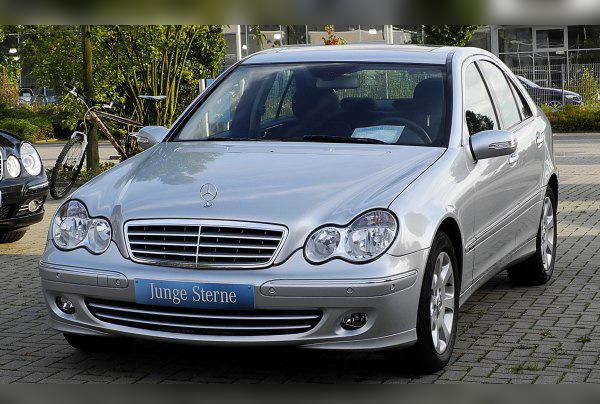
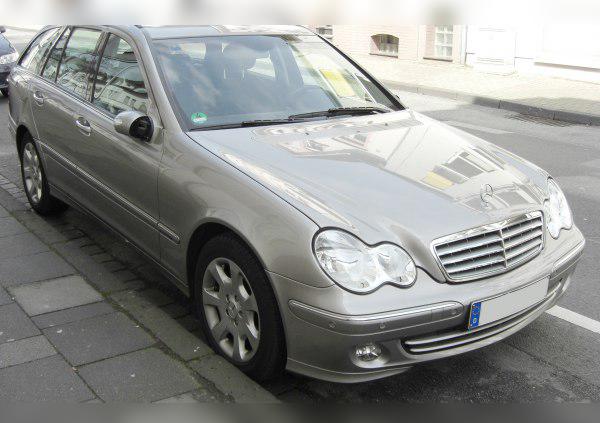
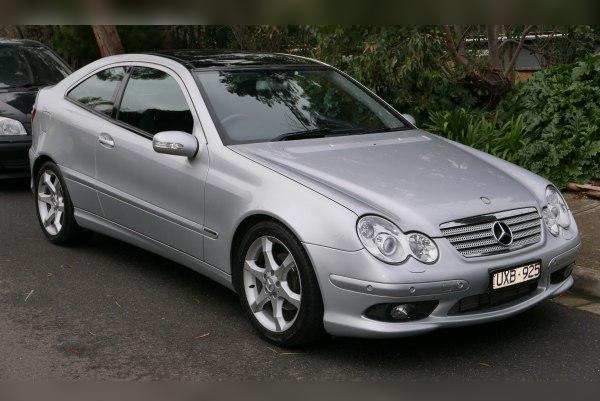
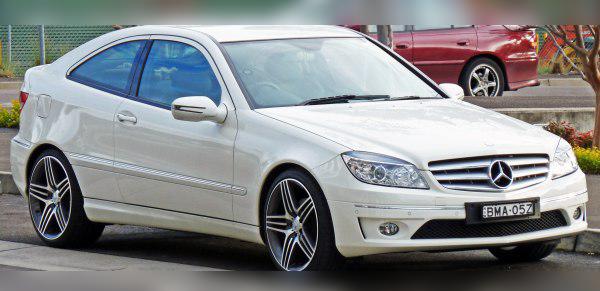
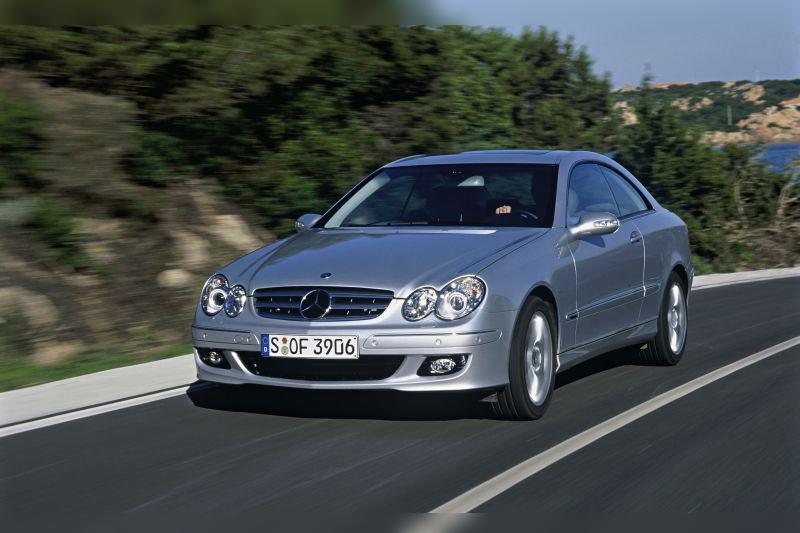
When talking about Mercedes diesel engines that have left a mark in the history of reliability, the designation OM 646 is always high on the list. The OM 646.963 variant, which produces 110 kW (150 HP) and 340 Nm of torque, was primarily installed in the facelifted C‑Class (W203, S203, CL203) and CLK‑Class (C209) in the mid‑2000s. This unit evolved from the previous, also legendary OM 611 engine, bringing smoother operation, a more modern common‑rail injection system and better performance.
This engine is important because it represents the “golden middle ground” – it is powerful enough to easily cope with the weight of the C‑Class and CLK‑Class, while at the same time being extremely economical and simpler to maintain than newer, more complex V6 or Euro 5/6 diesels. If you are looking for a comfortable long‑distance cruiser, this is a drivetrain you can rely on.
Technical specifications
| Parameter | Value |
|---|---|
| Engine displacement | 2148 cc |
| Power | 110 kW (150 HP) at 4200 rpm |
| Torque | 340 Nm at 2000 rpm |
| Engine code | OM 646.963 |
| Fuel type | Diesel (Common Rail Direct Injection) |
| Induction type | Turbocharger (VGT) with intercooler |
| Camshaft drive | Chain (double) |
Reliability and maintenance
Timing belt or chain?
To the delight of many drivers, this engine uses a timing chain (double chain). This means the engine is extremely durable when it comes to the timing drive. Unlike newer generations where the chain snaps or stretches already at 150,000 km, on OM 646 engines the chain usually lasts over 350,000 km up to 500,000 km without any issues, provided the oil has been changed regularly.
Most common failures and symptoms
Although the mechanical side is robust, there are certain issues that follow this unit:
- "Black death": This is the most common problem of OM 646 engines. The copper washers that seal the injectors in the cylinder head loosen over time. Because of this, compression and exhaust gases escape around the injector, creating a hardened black tar‑like mass on the valve cover. Symptoms: You can smell exhaust fumes in the cabin while the car is idling at a traffic light, and under the plastic engine cover you can see black deposits. Fixing it is cheap if caught early, but once the mass hardens, removing the injectors becomes a nightmare for the mechanic.
- Intake manifold flaps: Due to a combination of oil vapors and soot from the EGR valve, the intake manifold gets clogged. The mechanism that actuates the plastic intake flaps can break or seize. Symptoms: Loss of power, the engine going into limp mode (safety mode) and the Check Engine light coming on. This problem is often solved by physically removing the flaps and disabling them in the software.
- Thermostat: It often sticks open, preventing the engine from reaching operating temperature. Symptoms: The temperature gauge stays below 80°C and cabin heating is weak. This directly leads to increased fuel consumption.
Service intervals, oil and oil consumption
Since the engine uses a chain, there is no classic “major timing service”. At around 100,000 km it is recommended to preventively check the condition of the tensioner, idler pulleys, auxiliary (serpentine) belt and water pump, whose replacement is not particularly expensive.
The engine takes about 6.5 liters of oil. Fully synthetic oil of grade 5W‑30 or 5W‑40 is recommended. It is very important to pay attention to the specification: if the car has a DPF filter (which is often the case on facelifted models), you must use oil with specification MB 229.31 or 229.51 (low‑SAPS oils that do not clog the DPF). If the car does not have a factory‑fitted DPF, MB 229.3 or 229.5 can also be used.
As for oil consumption, a healthy OM 646 almost does not consume oil at all between services. A loss of 100 to 200 ml per 10,000 km is completely normal. If the engine consumes more than 1 liter per 10,000 km, the problem is often in the turbocharger or worn piston rings (which is rare on this engine at mileages below 400,000 km).
Injector lifespan
The system uses reliable Bosch solenoid injectors. These injectors have proven to be excellent and easily exceed 250,000–300,000 km. Their operation is often impaired by poor‑quality fuel, but unlike more sensitive piezo injectors, these can be successfully and relatively affordably refurbished in specialized workshops.
Specific parts (costs)
Injection system, turbocharger and dual‑mass flywheel
The engine has a single turbocharger with variable geometry (VGT). Its service life is excellent – with regular oil and air filter changes, it lasts over 250,000 km. If the car is losing power and whistling under throttle, the problem is often not the turbo itself, but a cracked intercooler hose that has failed due to age.
On models with a manual gearbox, there is a dual‑mass flywheel. Its lifespan depends on driving style, but it generally lasts around 200,000 km. Symptoms of wear are knocking when starting and stopping the engine, as well as juddering when pulling away. The price of replacing the clutch kit and dual‑mass flywheel ranges from 600 to 900 euros (depending on the market).
EGR, DPF filter and AdBlue
Most facelifted models equipped with this engine (e.g. W203 from 2004 onwards) came with a DPF filter (Diesel Particulate Filter) as standard or optional equipment. If the car is driven exclusively in city traffic, the EGR valve and DPF filter will inevitably clog. Symptoms include sluggish engine response, frequent regeneration attempts (elevated idle speed, unpleasant smell and smoke) and going into limp mode. Cleaning the EGR is a simple routine procedure, while dealing with the DPF may require machine cleaning (from 100 to 200 euros – depending on the market).
The good news is that this engine does not have an AdBlue system. This means you are spared problems with pumps, heaters and tank injectors for urea that plague owners of newer Mercedes engines.
Fuel consumption and performance
Real‑world fuel consumption
Although brochures promise optimistic figures, reality is different, primarily because the C‑Class, and especially the C‑Class T‑Model (estate), is a fairly heavy car (often over 1500 kg).
- City driving: Expect consumption between 8 and 10 l/100 km. If you have a model with the 5‑speed automatic, city consumption will be closer to 10 liters, especially in winter.
- Open road: Driving on country roads brings consumption down to around 5 to 6 l/100 km.
Dynamics and motorway driving
The engine is by no means sluggish. Its 340 Nm of torque, available from as low as 2000 rpm, provide excellent in‑gear acceleration. The W203 or C209 (CLK) body carries this weight effortlessly. Overtaking is safe and the drive is very smooth.
On the motorway, this is a true cruiser. At 130 km/h in 6th gear (manual gearbox) or 5th gear (automatic), the engine runs at a relaxed 2300 to 2600 rpm (depending on the rear differential ratio). Sound insulation is at a high level, so the engine is barely audible in the cabin at these speeds.
Additional options and modifications
Remapping (Stage 1)
This OM 646.963 is a fantastic platform for modification (chiptuning). Since it uses robust components, a Stage 1 software remap is extremely safe if done by a reputable tuner.
Power can be raised from the stock 150 HP to 180–190 HP without issues or negative consequences for the engine, while torque increases to an impressive 400–420 Nm. Drivers report noticeably better throttle response, easier overtaking and sometimes a reduction in fuel consumption on the open road by up to 0.5 l/100 km due to the greater power reserve.
Gearbox
Manual vs automatic
Two types of gearboxes were offered with this engine:
- 6‑speed manual gearbox: An extremely reliable mechanism. The only real downside of the manual is the shift feel, which is by nature a bit more “rubbery” and longer compared to, for example, BMW. It does not require special maintenance apart from an oil change every 100,000 km. The main cost here remains the dual‑mass flywheel.
- 5‑speed automatic gearbox (5G‑Tronic / 722.6): This is one of Mercedes’ most famous gearboxes. It is very comfortable, but slower when changing gears. Failures: Its most common issue is the so‑called “conductor plate” (electro‑hydraulic plate). When the speed sensor on the plate fails, the gearbox locks into one gear (limp mode) and bangs when engaging D or R. The repair is not particularly expensive, costing from 200 to 350 euros (depending on the market).
For the automatic gearbox it is absolutely crucial to perform regular services – oil, filter and gasket changes every 60,000 km. If this is observed, the gearbox will outlive the car’s body.
Buying used and conclusion
What to check before buying?
Since these cars are now 15+ years old and have usually covered over 300,000 km (regardless of what the odometer says), it is necessary to thoroughly check the following:
- Remove the plastic engine cover: Check around the injectors for black tar‑like deposits (“black death”).
- Cold start: Listen for chain rattle at first start‑up. Rattling for 1–2 seconds means the tensioner is at the end of its life or the chain is stretched. Also listen for knocking from the gearbox area (dual‑mass flywheel).
- Full‑throttle acceleration: Watch the rear‑view mirror. A little black smoke on models without a DPF is normal. If the car emits a cloud of black smoke or loses power, suspect split intercooler hoses, a clogged EGR or a worn turbo. Thick white smoke indicates injector problems.
- Automatic in driving: Accelerate gently and then hard. The gearbox must not jerk when shifting up or down. If it does, the valve body (conductor plate) or torque converter (wandler) is due for overhaul.
- Suspension and electronics: On the W203 C‑Class, pay attention to the front control arm bushings, as well as the proper operation of all modules in the cabin (for example, the small motors for heating/cooling regulation often fail and make a “click‑clack” noise).
Conclusion
The Mercedes‑Benz OM 646.963 with 150 HP is without a doubt one of the most durable and best‑balanced diesel engines of its era. It is the golden choice for drivers who value reliability and low running costs over raw sporty speed.
Who is it for? If you cover a lot of kilometers on the open road, appreciate relaxed driving and the comfort of an older Mercedes, and are ready to invest in fixing minor age‑related issues (such as hoses, EGR valve and injector seals), this engine will serve you for years and keep a smile on your face. Avoid neglected examples and always take a mechanic with Mercedes diagnostics with you before buying, because repairing a neglected premium car very quickly becomes extremely expensive.