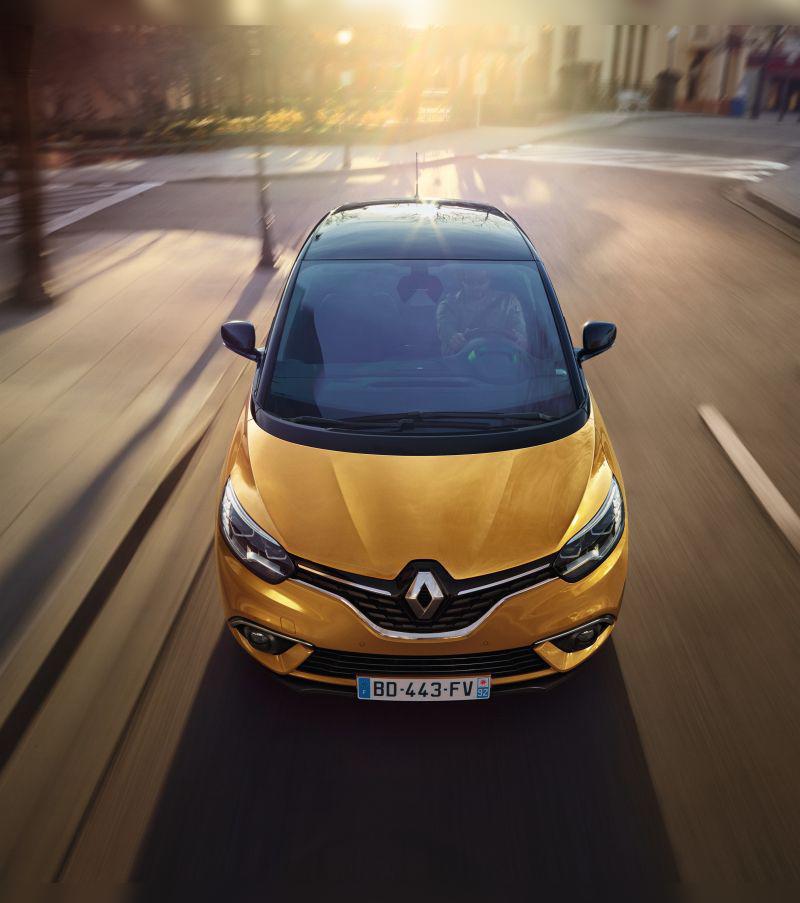
1.5 dCi (K9K) 95 HP Engine: Experiences, Problems, Fuel Consumption and Used Car Buying Tips
Key points (TL;DR)
- Exceptional efficiency: One of the most economical diesel engines on the market, with average fuel consumption often below 5 l/100 km on the open road.
- Improved reliability: The 95 HP version (Energy and Blue dCi) has outgrown the “childhood diseases” of older K9K engines (problematic injectors and crankshaft rod bearings).
- Ecology as the biggest enemy: The EGR valve and DPF filter are sensitive to exclusively city driving, which leads to clogging.
- AdBlue system: On “Blue dCi” models, the exhaust aftertreatment system is the most common and most expensive failure point (pump and tank).
- Maintenance: The engine uses a timing belt and the major service is not too expensive. It requires only high‑quality oil due to the sensitivity of the turbocharger.
- Performance: Excellent for lighter cars (Dacia Sandero, Logan), but rather “lazy” in heavier bodies (Scenic, Kangoo Maxi) when under load.
Contents
- Introduction: Evolution of a legendary diesel
- Technical specifications
- Reliability and maintenance
- Specific parts and costs
- Fuel consumption and performance
- Additional options and modifications
- Transmissions: Manual and EDC
- Buying used and conclusion
Introduction: Evolution of a legendary diesel
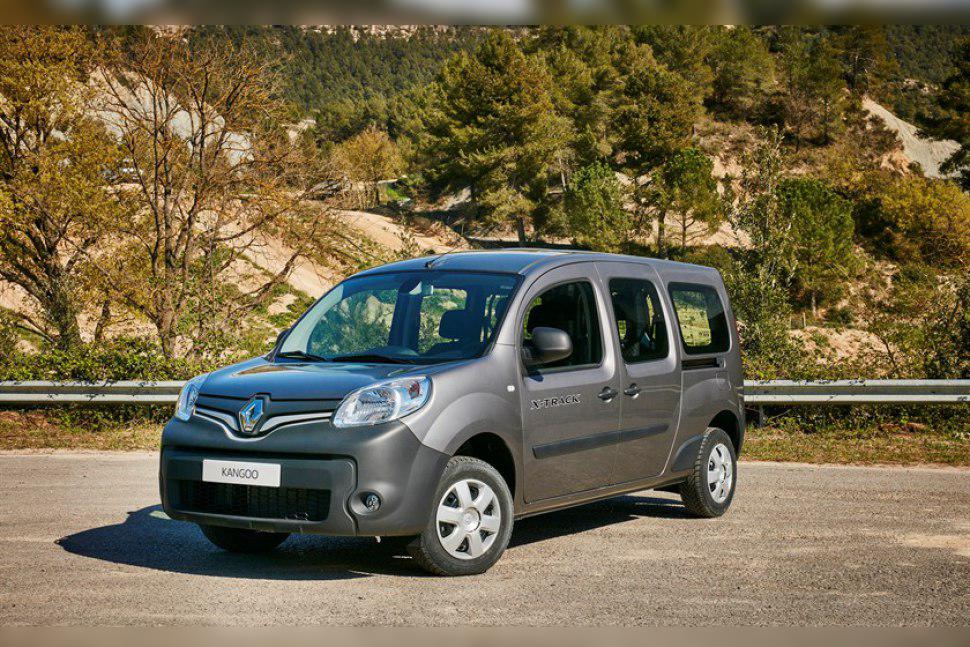
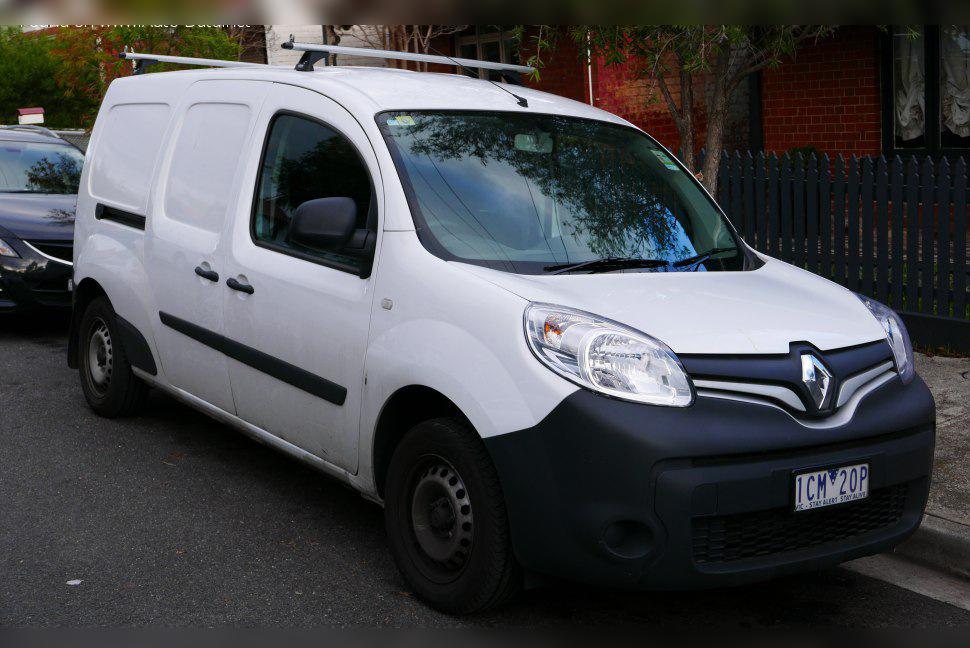
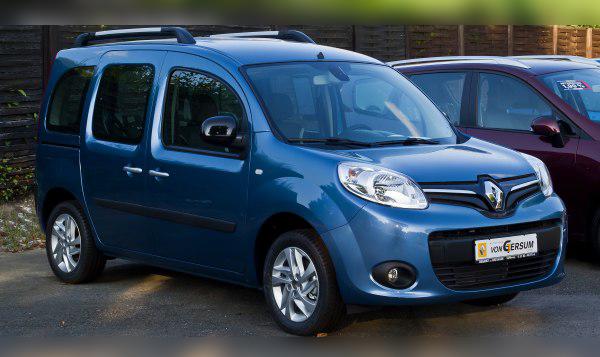
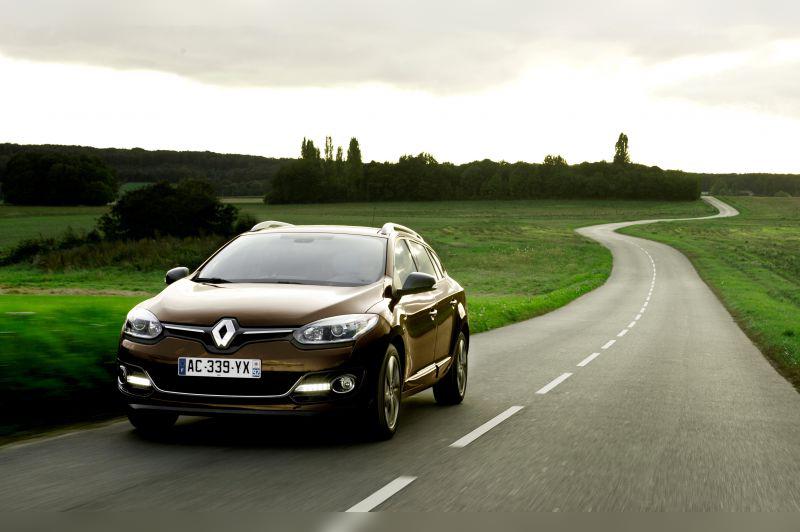
Renault’s engine designated K9K, commercially known as the 1.5 dCi, is one of the most widely produced diesel units in the world. Its history dates back to the early 2000s, but the 95 HP (70 kW) version represents the modern generation (Energy dCi and the newer Blue dCi) that complies with strict Euro 5 and Euro 6 emission standards. It has been installed in a wide range of vehicles, from light passenger cars such as the Dacia Logan and Sandero (including the 2022 facelift models), through the Renault Megane, to family and work vehicles such as the Renault Scenic and various versions of the Kangoo.
What makes this engine important is its incredible balance between fuel economy and durability, provided it is properly maintained. Although it carries the reputation of older generations that suffered serious mechanical failures, the 95 HP iteration has been drastically improved and is considered an extremely reliable choice on the used car market.
Technical specifications
| Engine displacement | 1461 cc |
| Power | 70 kW (95 HP) |
| Torque | 240 Nm |
| Engine codes | K9K (various suffixes depending on emission standard: Gen6, Gen7) |
| Injection type | Common Rail (Direct injection) |
| Charging system | Turbocharger with variable geometry, intercooler |
Reliability and maintenance
Timing belt and major services
Unlike some competing engines that use a chain, the K9K uses a timing belt to drive the camshaft. The factory‑specified interval for the major service (replacement of timing belt, tensioner, idler pulleys and water pump) often goes up to 150,000 km or 6 years. However, experienced mechanics strongly recommend shortening this interval to 100,000 to a maximum of 120,000 km or every 5 years. A snapped belt leads to severe engine damage and contact between valves and pistons, which requires a full engine teardown and brings huge costs.
Oil and regular servicing
This engine takes approximately 4.5 to 4.8 liters of oil. The choice of viscosity and specification is critical because of the DPF filter and turbocharger. For older “Energy dCi” versions, fully synthetic oil that meets the RN0720 specification (mostly 5W‑30) is mandatory, while the latest “Blue dCi” engines require the RN17 specification. Between two minor services (which should be done every 10,000 to 15,000 km, not at 30,000 km as some manufacturers state), the engine may consume a bit of oil. Consumption of 0.2 to 0.5 liters per 10,000 km is considered completely normal, especially if the car is often driven under full load or at high revs on the motorway.
Injector condition (Fuel injection system)
On early generations of the K9K engine, injectors were a nightmare (well‑known issues with Delphi pumps that produced metal shavings). Fortunately, the 95 HP version uses more modern systems (most often Continental, VDO or Bosch, depending on the exact series). The injectors on this engine are extremely durable and can easily exceed 250,000 km or more, provided high‑quality Euro diesel is used and the fuel filter is changed regularly. Symptoms of bad injectors include rough engine operation (jerking) at idle, increased black smoke from the exhaust when accelerating, difficult cold starts and increased fuel consumption.
Most common failures
The mechanical base of the engine is excellent (the crankshaft rod bearing issue has been practically eradicated on the 95 HP version), so the most common failures are related exclusively to the peripherals and emission control. In addition to the exhaust pressure sensor, the biggest headaches are caused by the EGR valve, DPF and, on the latest models, the AdBlue system.
Specific parts and costs
Dual‑mass flywheel
The presence of a dual‑mass flywheel depends on the vehicle in which the engine is installed. In heavier vehicles with a 6‑speed gearbox (Renault Scenic, Megane, Kangoo Maxi), a dual‑mass flywheel is used to dampen the vibrations of the 240 Nm torque and protect the gearbox. In lighter vehicles such as the Dacia Sandero and Logan with 5‑speed gearboxes, a solid flywheel is often fitted. Replacing the dual‑mass flywheel together with the clutch kit is expensive maintenance (depends on the market) and usually comes due between 150,000 and 200,000 km. Symptoms of wear include knocking at idle, vibrations when moving off and jolts when switching the engine off.
Turbocharger
The engine has a single turbocharger with variable geometry (VGT). Its service life is long, usually over 200,000 km, but it directly depends on the quality and interval of oil changes. If the oil is changed rarely, it leads to clogging of the oil passages that lubricate the turbo shaft, which results in whistling, loss of power and oil leaking into the intake system.
EGR valve and DPF filter
These parts are the Achilles’ heel for drivers who mostly use the car in the city. The EGR valve gets dirty from soot and sticks in the open position, which chokes the engine and triggers the “Check Engine” light. The DPF filter (diesel particulate filter) often clogs if the vehicle is not regularly driven on open roads where it can reach the temperature needed for regeneration. A clogged DPF raises the oil level in the sump (due to failed regenerations, diesel ends up in the oil), which can be disastrous for the engine.
AdBlue system (Blue dCi)
If you are buying newer “Blue dCi” models (e.g. Dacia after 2018 or Kangoo III), this engine is equipped with an AdBlue system for exhaust aftertreatment (SCR). This is perhaps the biggest problem of modern K9K engines. Due to crystallization of the fluid, the pump, which is most often integrated into the AdBlue tank itself, tends to fail. The symptom is a warning on the dashboard “Check Anti‑Pollution system” and a message about the remaining mileage until the engine start is blocked. Fixing this problem is very expensive (depends on the market), because in most cases the entire tank with the pump has to be replaced.
Fuel consumption and performance
City driving and open road
The 1.5 dCi is a fuel economy champion. In city conditions, depending on vehicle weight and traffic, real‑world consumption ranges between 5.5 and 6.5 l/100 km. On country roads, that figure easily drops to an impressive 3.8 to 4.5 l/100 km.
Performance depending on body style
With its 95 HP and 240 Nm of torque, this engine offers very different experiences depending on what it powers. In cars such as the Dacia Sandero or Logan, the engine is very agile, flexible and offers excellent acceleration. However, in larger and heavier vehicles such as the Renault Scenic or Kangoo Maxi, the engine can feel rather “lazy”, especially when the vehicles are loaded with luggage and passengers or driven uphill. When overtaking with heavy vehicles, it is necessary to plan the maneuver carefully.
Behavior on the motorway
At speeds of 130 km/h, the K9K behaves decently. When paired with a 6‑speed gearbox, at 130 km/h cruising speed the crankshaft spins at a comfortable 2,400 to 2,600 rpm (depending on the gear ratios of the specific model). Cabin noise at those revs is minimal, and fuel consumption stays at around 5.5 liters.
Additional options and modifications
Remapping (Stage 1 chiptuning)
Given that the K9K has a strong block and a solid turbocharger, the engine is quite suitable for a so‑called “Stage 1” remap. Safe power increase goes up to 115–120 HP, while torque rises to about 280 to 300 Nm. This modification significantly helps heavier models (Megane, Scenic) to “breathe” more easily and overtake more confidently. Still, caution is needed: aggressive chiptuning wears out the dual‑mass flywheel and clutch much faster and can clog the DPF with soot more quickly if the map is not professionally done.
Transmissions: Manual and EDC automatic
Manual gearboxes (5 and 6 speeds)
Reliable Renault manual gearboxes are mostly used. They have no chronic weaknesses. If you notice resistance when engaging gears, it is usually a sign that the oil in the gearbox is worn out or that the selector cables need lubrication. The oil in the manual gearbox should be changed every 80,000 to 100,000 km, even though manufacturers often claim it is “lifetime” oil – workshop experience shows otherwise.
Automatic gearbox (EDC)
Certain models are available with the EDC gearbox (Efficient Dual Clutch) – a dual‑clutch automatic transmission. Although it offers excellent comfort and fast shifting, repairs are complex. The most common failures include wear of the dry clutch set (between 130,000 and 180,000 km) and problems with the TCM module (transmission control unit), which can fail due to overheating. Replacing the clutch on an EDC gearbox is very expensive (depends on the market) and requires special tools for calibration. On EDC gearboxes, oil changes are mandatory every 60,000 km to keep the mechatronics clean.
Buying used and conclusion
What must be checked before buying?
When buying a used car with the 1.5 dCi 95 HP engine, pay attention to the following:
- Cold start: The engine should start “on half a turn” without harsh vibrations. Any jerking in the first few seconds indicates a problem with the glow plugs, their relay or dirty injectors.
- Exhaust condition: Bluish smoke indicates oil burning (turbocharger problem), while thick black smoke when accelerating means that the DPF is not doing its job or the injectors are bad. It is normal for the inside of the exhaust tip to be almost completely clean because of the DPF.
- Diagnostics (OBD): Always connect a diagnostic tool to check the DPF saturation level (how many grams of soot are inside) and whether there are hidden faults related to the AdBlue system or boost pressure (turbo).
- Service history: This engine does not forgive neglecting oil changes. Fleet vehicles (company cars) with “long‑life” services at 30,000 km should be thoroughly inspected.
Final verdict: Who is it for?
The 1.5 dCi 95 HP (K9K) engine is a fantastic workhorse. It is extremely cost‑effective for drivers who cover high annual mileage, live in the suburbs or frequently travel on intercity routes. In smaller cars (Sandero, Clio) it provides a dynamic driving feel, while in larger models it is a compromise in favor of fuel economy at the expense of outright performance.
If you need a car exclusively for short trips from one traffic light to another in the very city center, skip this engine. Its emission control equipment (EGR, DPF, AdBlue) will clog quickly, and the money saved on fuel will end up with mechanics. For mixed and open‑road driving with regular maintenance, this is one of the most reliable diesels of its generation.