Suzuki 1.4 Boosterjet Hybrid Engine (K14D): Experiences, Problems, Fuel Consumption and Used-Buying Tips
- Exceptional reliability: The K14D is an evolution of the already proven K14C engine, with an added 48V mild-hybrid system that smooths out turbo lag and reduces fuel consumption.
- Timing chain: The engine uses a timing chain that is very durable and does not require frequent interventions, provided that the oil is changed on time.
- Low fuel consumption: Thanks to the low weight of Suzuki bodies and the hybrid system, city fuel consumption is impressively low for a crossover.
- Direct injection: As with all direct-injection engines, carbon buildup on the intake valves is inevitable at higher mileages.
- GPF filter: It has a gasoline particulate filter, but it rarely causes headaches if the car is occasionally driven on open roads.
- Not viable for LPG: Due to the complex injection system, installing an LPG kit is very expensive and economically unjustified.
Contents
- Introduction: What does the K14D Boosterjet offer?
- Technical specifications
- Reliability and Maintenance
- Specific Parts and Costs
- Fuel Consumption and Performance
- Additional Options: LPG and Remapping
- Gearbox and Drivetrain
- Buying Used and Conclusion
Introduction: What does the K14D Boosterjet offer?
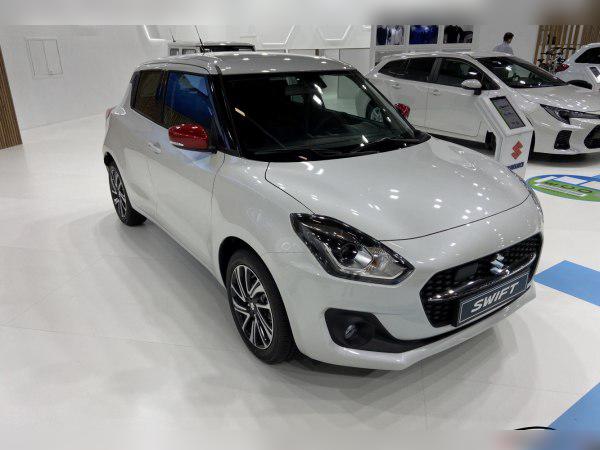
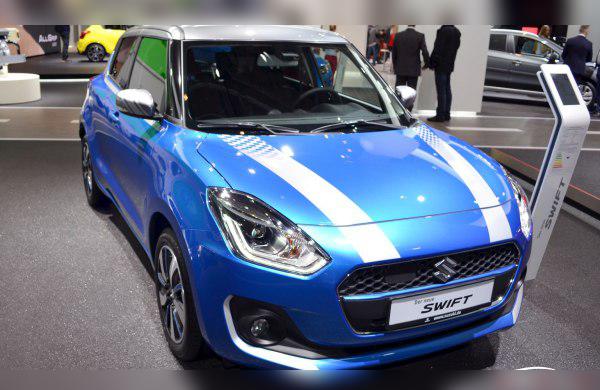
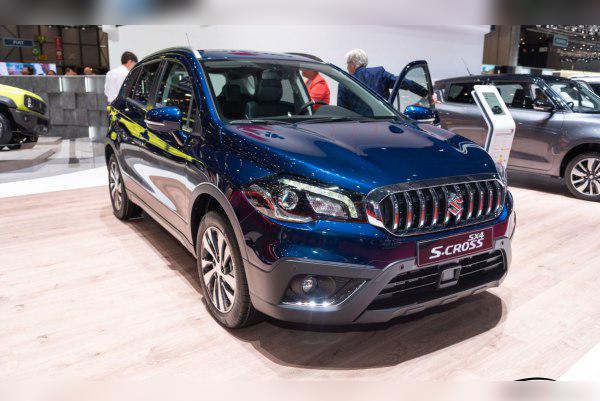
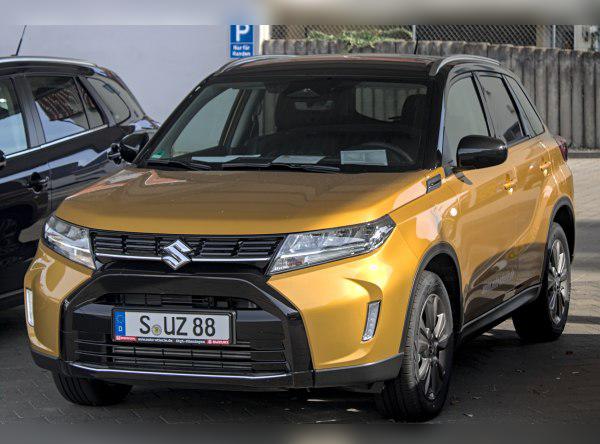
The K14D engine is Suzuki’s answer to increasingly strict emission regulations in Europe. Introduced as the successor to the much-praised K14C unit (which had 140 hp), the K14D brings a slight drop in maximum power to 129 hp, but also integrates a 48V mild-hybrid (MHEV) system. This electric motor (ISG – Integrated Starter Generator) assists the petrol engine during acceleration, adding valuable torque at low revs. It was installed in key models such as the Suzuki Vitara, S-Cross, SX4 S-Cross, as well as the fun Swift Sport. Thanks to the low weight of these cars, this engine offers an excellent balance between performance and efficiency, making it one of the most rational choices on the used-car market.
Technical specifications
| Specification | Data |
|---|---|
| Engine displacement | 1373 cc |
| Power | 95 kW (129 hp) |
| Torque | 235 Nm |
| Engine code | K14D |
| Injection type | Direct injection |
| Induction | Turbocharger with intercooler + 48V ISG |
Reliability and Maintenance
When it comes to the timing system, the K14D uses a timing chain. This is great news for used-car buyers, because the chain rarely causes problems and does not require strict replacement at a specific mileage like a timing belt. However, chain longevity is directly linked to lubrication quality. A rattling sound on cold start is the first sign that the chain has stretched or that the tensioner is not working properly.
A classic major service in the sense of a belt replacement does not exist, but a thorough inspection of the chain, guides, water pump and auxiliary belt is recommended at around 150,000 to 200,000 km. The engine holds about 3.3 litres of engine oil, and the manufacturer insists on the rare viscosity grade 0W-20 (possibly 5W-30 depending on climate, as stated in the manual), which is necessary because of the hybrid system and reduced friction. As for oil consumption, the K14D is not known as an “oil burner”. Consumption of 0.2 to 0.5 litres between oil changes (which should be every 10,000 to 15,000 km) is considered completely normal, especially if the car is often driven on the motorway at higher revs.
Since this is a modern turbocharged petrol engine, the spark plugs are under higher stress. It is recommended to use quality iridium spark plugs, with a replacement interval of around 60,000 km. Skipping this interval can lead to coil problems and rough engine operation.
Most common faults and symptoms
Mechanically, the engine is extremely robust, but its injection type brings one particular issue: carbon buildup on the intake valves. Since the injectors spray fuel directly into the cylinder, the valves are not washed by fuel. After 100,000 km, drivers may notice slight vibrations at idle, difficult cold starts or a mild loss of performance. The solution is mechanical valve cleaning (often so-called “walnut blasting”), which is not an excessively expensive procedure, but is essential for the engine’s longevity. The 48V hybrid system has proven reliable, although it should be kept in mind that the lithium-ion battery located under the seat has a finite lifespan, and its eventual replacement at very high mileage is extremely expensive (depends on the market).
Specific Parts and Costs
Most models equipped with this engine and a manual gearbox (especially AllGrip versions and the heavier S-Cross) have a dual-mass flywheel. Its role is to dampen vibrations and torque fluctuations during electric motor assistance and engagement of the 4x4 system. It is not as sensitive as on powerful diesels, but replacing the clutch kit together with the dual-mass flywheel falls into the category of very expensive jobs (depends on the market).
The fuel injection system is direct, and the injectors are generally reliable if quality fuel is used. If a failure occurs due to contaminated fuel, replacing them is an expensive operation. The turbocharger is standard and very durable. Its service life easily exceeds 200,000 km with proper maintenance (regular oil changes and avoiding shutting the engine off immediately after hard motorway driving).
This engine, as a modern petrol unit (Euro 6d), has a GPF filter (Gasoline Particulate Filter), which is the petrol equivalent of a DPF. The good news is that the GPF regenerates much more easily than a diesel DPF, because exhaust gas temperatures are higher on petrol engines. Clogging problems are extremely rare, unless the car is literally driven 100% of the time in stop‑and‑go traffic on trips shorter than two kilometres. There is an EGR valve, but it rarely causes the typical diesel-related issues. An AdBlue system is not fitted to this engine because it is a petrol unit.
Fuel Consumption and Performance
Thanks to smart engineering and low weight, the K14D is impressively economical. Real-world city fuel consumption ranges between 6.5 and 8.0 l/100 km, which is an excellent result for vehicles such as the Vitara or S-Cross. The MHEV system recovers energy during braking and uses it to power the electronics and assist when pulling away from a standstill, which is where most fuel is usually wasted.
As for the question of whether the engine feels “sluggish” – the answer is a categorical no. Suzuki builds light vehicles (Vitara and S-Cross weigh around 1,200 kg), and with 235 Nm of torque available from about 2,000 rpm (with an instant electric torque boost), in‑gear acceleration is sharp and smooth. In the Swift Sport, this engine delivers a genuine hot‑hatch experience.
On the motorway, the engine performs solidly. At 130 km/h in sixth gear, the crankshaft spins at a pleasant 2,500 to 2,800 rpm (depending on gear ratios and drivetrain type). Fuel consumption then is around 6.5 to 7.5 litres. The engine itself is quiet, although Suzuki models often have somewhat poorer cabin sound insulation, so at higher speeds you hear more wind noise than the engine itself.
Additional Options and Modifications
Should you install LPG? In short: it is not recommended. The K14D has direct petrol injection. For the car to run on LPG, expensive systems are required (so‑called liquid‑phase systems or systems that constantly inject a certain percentage of petrol to prevent the petrol injectors from burning out). Installation is very expensive (depends on the market), and given that the engine is inherently very economical, the payback period would be absurdly long.
Engine remapping (Stage 1): For enthusiasts, the engine has good potential for a software power increase. With a safe Stage 1 remap, the engine can be raised to around 150–160 hp, with torque increasing to nearly 280 Nm. However, be careful – higher torque puts more stress on the clutch (especially on manual AllGrip models), so overdoing the remap can significantly shorten the life of the transmission system.
Gearbox and Drivetrain
The K14D is paired with a six‑speed manual gearbox or an excellent six‑speed automatic gearbox from Japanese manufacturer Aisin.
The manual gearbox is precise, although users sometimes report slightly harsher shifts from first to second gear while the gearbox oil is cold – this is a known Suzuki “quirk”, but not a sign of failure. As for the automatic, the Aisin unit uses a conventional torque converter. It is not as lightning‑fast as dual‑clutch DSG gearboxes, but it is incomparably more reliable and offers smooth operation.
Gearbox maintenance is crucial. For the manual gearbox, an oil change is recommended every 60,000 km. Although many claim that the oil in the automatic gearbox is “lifetime”, any experienced mechanic will tell you that regular ATF replacement in an Aisin automatic (flush and filter change) is necessary every 60,000 to 80,000 km to avoid harsh shifts and expensive overhauls.
Buying Used and Conclusion
When buying a used car with the K14D engine, diagnostics and a careful inspection are half the job. What exactly should you check?
- Cold start: Listen to the engine at first start‑up. Any rattling that lasts longer than a second or two may indicate a stretched chain.
- Idle operation: Once the engine is warm, it should run smoothly. If the revs fluctuate or you feel slight vibrations, carbon buildup on the intake valves is likely.
- Hybrid system: Use the trip computer display to check the energy‑flow graphic. Make sure the battery charges during braking and that the system assists (shows current delivery) during harder acceleration.
- Test drive: Listen for gearbox noise (especially bearing whine in higher gears on the manual) and check whether the AllGrip system (if fitted) switches driving modes (Snow, Sport, Lock) without warning lights on the dashboard.
Who is this engine for? The Suzuki 1.4 Boosterjet Hybrid (K14D) is one of the most desirable small‑crossover engines today. It is intended for drivers who want Japanese reliability, lively city performance and very low fuel consumption, but do not want to deal with diesel‑engine issues. This is “workhorse” technology in a modern package, and if you find a well‑maintained example and keep up with regular servicing, it will serve you for a long time and at low cost.