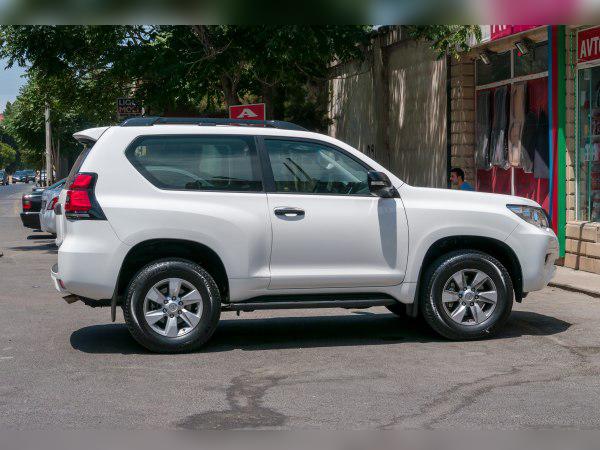
Experiences, Issues and Maintenance: Toyota 1GD-FTV 2.8 D-4D (204 HP) – Used-Buying Guide
The most important in short (TL;DR):
- Robust foundation: The engine uses an extremely durable timing chain instead of a belt, which reduces the risk of failure and maintenance costs.
- Performance: With 150 kW (204 HP) and 420 Nm of torque, the “sluggishness” problem of previous generations of heavy off-roaders has been solved.
- Emissions systems as a weak point: The DPF filter, EGR valve and AdBlue system are the most common sources of headaches, especially if the vehicle is driven mostly in city conditions.
- High cost of specific parts: Replacement of the dual mass flywheel on manual gearboxes and Denso injectors is very expensive (Depends on the market).
- Transmissions: Aisin automatic transmissions are virtually indestructible provided the oil is changed regularly every 60,000 km.
- Fuel consumption: Expect a realistic 10 to 12 l/100 km in city driving, which is normal considering the weight and aerodynamics of these vehicles.
Contents
- Introduction: Why is the 1GD-FTV important?
- Technical specifications
- Reliability and Maintenance
- Specific Parts and Costs
- Fuel Consumption and Performance
- Additional Options and Modifications
- Transmission and Drivetrain
- Buying Used and Conclusion
Introduction: Why is the 1GD-FTV important?
When legendary off-road vehicles and pickups are mentioned, the first association is undoubtedly durability in the toughest conditions. The 1GD-FTV engine, i.e. the 2.8 D-4D, is the heart of modern heavy-duty machines from the Asian stable. This specific 150 kW (204 HP) version, installed from 2020 onwards (facelift models), brought a much-needed injection of power and torque. Previous generations were known for their longevity, but on the highway and during overtaking they were noticeably lethargic.
Today, you can find this engine under the bonnet of iconic models such as the Land Cruiser (J150, J250, and even the legendary 70 Series), the Hilux in various body styles (Double Cab, Extra Cab) and the robust Fortuner II. With the introduction of 48V mild-hybrid technology in the latest Hilux models, this engine is trying to balance between the raw power needed for towing and strict emissions standards. Has it succeeded, and what is the price of that compromise? Let’s tear it down to the last bolt.
Technical specifications
| Specification | Data |
|---|---|
| Engine displacement | 2755 cc |
| Power | 150 kW (204 HP) |
| Torque | 420 Nm (Depending on gearbox, automatic versions can go up to 500 Nm) |
| Engine code | 1GD-FTV |
| Injection type | Common Rail direct injection (Denso i-ART) |
| Charging type | Turbocharger with variable geometry (VNT), intercooler |
| Fuel type | Diesel |
Reliability and Maintenance
Timing: Chain instead of belt
Buyers are often interested whether they’re facing an expensive “major service” every 100,000 km. The good news is that the 1GD-FTV uses a robust timing chain to drive the camshafts (while earlier related engines sometimes used a combination of drives). The chain is designed to last as long as the engine itself, but in practice it is first inspected around 250,000 km. There is no classic timing-belt replacement interval; instead, the auxiliary belt, rollers, tensioners and water pump are replaced at roughly 150,000 km, which significantly lowers long-term maintenance costs.
Oil and regular servicing
This massive four-cylinder engine requires generous lubrication. The system holds between 7.5 and 8.0 liters of engine oil, and the manufacturer strictly recommends synthetic oil of grade 0W-30 or 5W-30 that meets ACEA C2 specification (because of the DPF filter). As for oil consumption between services, the 1GD-FTV is quite stable. A tolerance of up to 0.5 liters per 10,000 km is considered normal, but in practice a healthy engine should not show a significant drop on the dipstick. If you notice increased consumption, the cause usually lies in worn piston rings due to poor maintenance or issues with the turbo shaft.
Injectors and fuel injection
The injection system uses advanced Denso i-ART technology, where each injector has its own pressure and temperature sensor. This allows for fantastic operating precision, but these components are very sensitive to fuel quality. The typical service life of the injectors is between 200,000 and 250,000 km. Failure symptoms include a distinctive metallic rattle (so-called “diesel knock”) on cold start and acceleration, rough idle and increased black smoke from the exhaust. Replacement is very expensive (Depends on the market), and refurbishment often does not provide long-term results due to the complexity of the i-ART system.
Specific Parts and Costs
Flywheel and clutch
Versions equipped with a manual gearbox come with a dual mass flywheel. Its role is to absorb the strong torque shocks from 420 Nm and protect the crankshaft and gearbox. Its lifespan is around 150,000 to 200,000 km, depending on driving style and whether the vehicle is used for heavy towing. Symptoms of wear include judder when moving off, vibrations at idle and a dull thud when switching off the engine. A complete clutch kit with dual mass flywheel is very expensive (Depends on the market).
Turbocharger
The engine uses a single turbocharger with variable geometry (VGT). It has proven to be quite durable and can easily exceed 250,000 km if the oil is changed on time and the driver practices “cooling down” the turbo for several tens of seconds at idle after hard highway driving before switching off the engine. The variable geometry can seize if the vehicle is constantly “lugged” at low revs in city traffic.
DPF, EGR and the infamous AdBlue
In an effort to meet strict Euro 6 standards, Toyota has fitted an EGR valve, DPF filter and SCR catalyst (AdBlue). This is where the main problems arise if you never leave the city.
The EGR valve quickly clogs with soot, resulting in loss of power and engine hesitation.
The DPF filter requires regular regeneration cycles; interrupting the process leads to clogging and diesel mixing with engine oil (rising oil level in the sump – an alarming symptom).
The AdBlue system regularly causes headaches. The most common failures relate to the heater in the tank and the AdBlue pump. Symptom: a warning and countdown appear on the instrument cluster (e.g. the engine will not start in 800 km). Repairing the entire tank module is expensive (Depends on the market), and the system is prone to failures, especially at low temperatures when the fluid crystallizes.
Fuel Consumption and Performance
Is this engine powerful enough?
The bodies it is installed in (Land Cruiser, Hilux) weigh around 2 to 2.5 tons. The older 2.4 D-4D, and even the early 2.8 D-4D with 177 HP, were the very definition of “sluggish”. However, the 204 HP version with 420 Nm available early in the rev range completely changes the character of the vehicle. The engine is no longer lazy; on the contrary, it offers confident acceleration and outstanding pulling power, which is why it is loved by people who tow heavy trailers.
Real-world fuel consumption
Despite modern technology, don’t expect miracles. In pure city driving, real-world consumption ranges from 10 to 12 l/100 km. With stop-and-go traffic and constantly getting a heavy chassis moving, it is physically impossible to get it much lower.
On the highway, aerodynamics (which resemble a brick more than a bullet) take their toll. At a cruising speed of 130 km/h, the engine in sixth gear (manual or automatic) sits at around 2,000 to 2,200 rpm. The drive is acoustically pleasant because the cabin is well insulated, and consumption at that speed ranges between 8.5 and 10 l/100 km, depending on wind direction and load.
Additional Options and Modifications
Chiptuning (Remap / Stage 1)
The engine is extremely “healthy” for software-level modifications. A Stage 1 remap can safely raise power to around 235 to 245 HP, while torque climbs to a brutal 500+ Nm. However, there is a catch. Although the crankshaft and the engine block itself can handle this without issues, the “bottleneck” is the EGT (exhaust gas temperature) and cooling capacity, which on long, steep climbs can overheat the engine if the map is poorly done. Also, the increased torque significantly shortens the life of the dual mass flywheel on manual gearboxes. If you decide to go for a remap, do it only with reputable tuners.
Transmission and Drivetrain
Types of gearboxes and common failures
This engine is most commonly paired with:
- 6-speed manual gearbox (mostly in the Hilux)
- 6-speed Aisin automatic with torque converter (standard on older and current models)
- The latest Land Cruiser J250 introduces a Direct Shift 8-speed automatic for better economy.
Manual gearboxes feel rougher to operate but are mechanically indestructible. Failures are mostly limited to the aforementioned wear of the dual mass flywheel and clutch disc due to careless off-road driving.
Automatic gearboxes (Aisin) are legendarily reliable, but they are NOT “maintenance-free” (“sealed for life”) as manufacturers sometimes like to suggest. If the oil and filter in the automatic transmission are not replaced every 60,000 km or every 4 years, the hydraulic valves (solenoids) can clog with metal shavings, and the torque converter will start to produce characteristic vibrations (shuddering) when shifting from 3rd to 4th gear. Regular servicing solves 99% of issues with these transmissions.
Buying Used and Conclusion
What to check before buying?
When buying a used vehicle with the 1GD-FTV (204 HP) engine, the inspection starts under the bonnet and under the car:
- Diagnostics (Mandatory): Check injector pressure parameters and when the last DPF regeneration was performed. Fault codes in the AdBlue system can be cleared right before the sale.
- Cold start: The engine must not produce a metallic rattle on first start in the morning. Black smoke when revving indicates injectors are at the end of their life; bluish smoke points to oil consumption, most often via the turbo.
- Suspension and chassis: These are workhorses. Check the condition of the suspension, underbody and sump guard. Vehicles driven on rough off-road terrain often hide damage to differentials or drive shafts, which no engine reliability can compensate for.
- Engine oil level: If the level is significantly above maximum and the oil smells of diesel, the DPF is close to being clogged.
Conclusion: Who is it for?
A Toyota with the 1GD-FTV 204 HP engine is absolutely not a car for short city trips, runs to the grocery store or exclusively smooth-asphalt driving. Modern eco-systems (DPF, AdBlue) will make your life miserable if you don’t drive it where it belongs.
This is a top-class tool for users who need power for towing heavy trailers, long journeys on bad roads, off-road expeditions and serious work duties. You get Japanese engineering with a chain-driven timing system, significantly more raw power compared to its predecessor and an indestructible automatic gearbox. If you are ready to change quality oil and filters regularly, and to occasionally “blow it out” on the open road, this engine will not leave you stranded.