Toyota 2.4 D-4D (2GD-FTV) engine: Real-world experience, issues, fuel consumption and used-buying tips
- Timing chain drive: No typical timing belt issues; the chain is extremely durable.
- Reliability: A true workhorse engine, designed for the toughest operating conditions in models like the Hilux and Fortuner.
- Performance: This is not a racing engine; the focus is on torque and pulling power, not on fast acceleration.
- DPF and EGR systems: The weakest point if the vehicle is mostly used in short, city-driving conditions.
- Injectors: The Denso i-ART system is top-notch and precise, but replacement is very expensive.
- Transmissions: Paired with an indestructible Aisin automatic or a robust manual gearbox.
Contents
- Introduction: The legend’s successor
- Engine technical specifications
- Reliability and maintenance
- Specific components and most common failures
- Fuel consumption and performance
- Additional options and modifications
- Transmissions and drivetrain
- Buying used and conclusion
Introduction: The legend’s successor
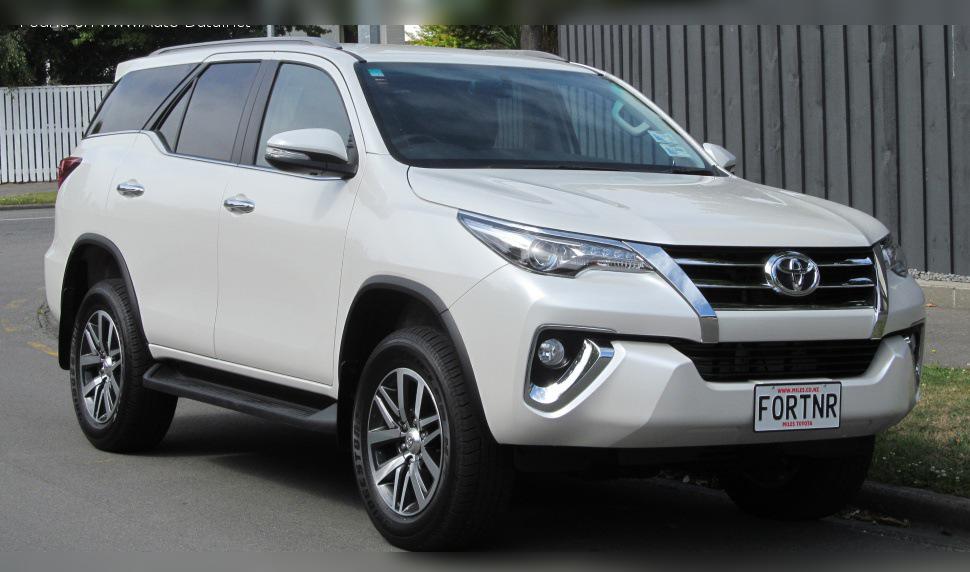
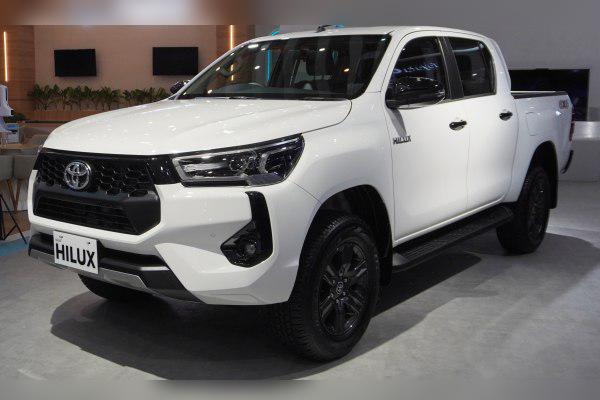
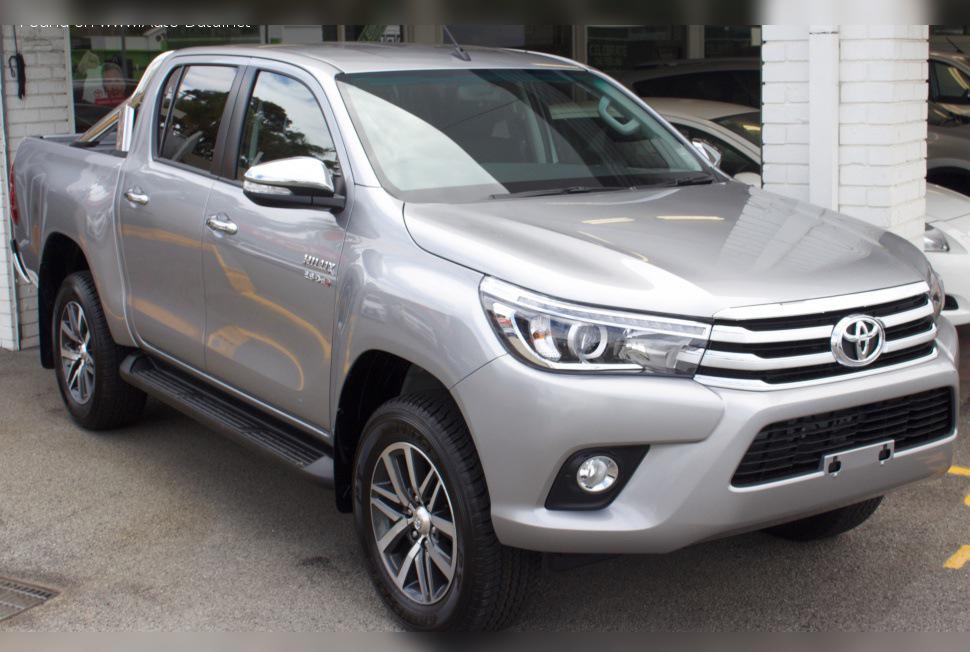
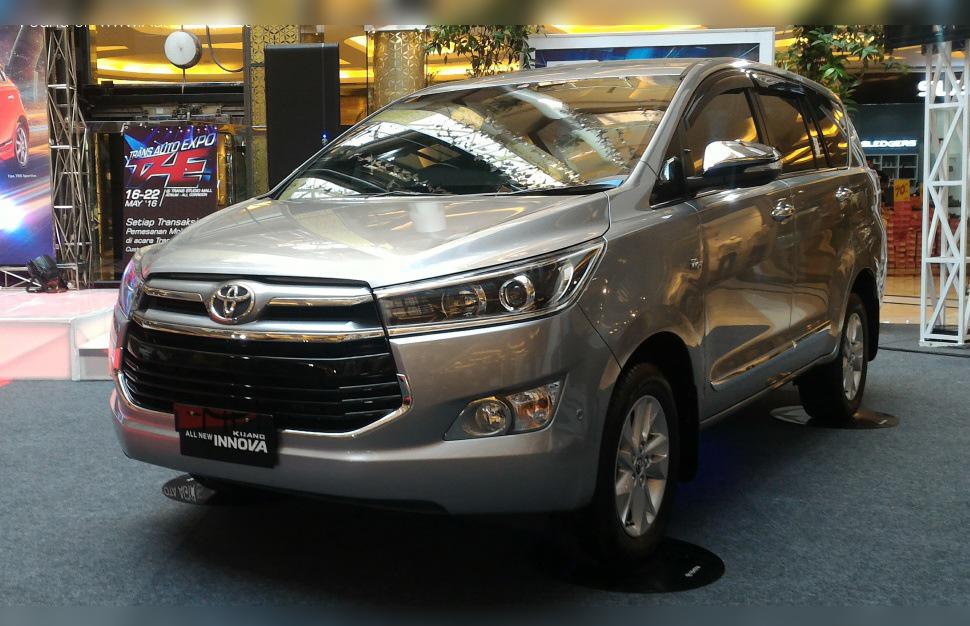
When Toyota decided to retire its famous 2.5-liter KD engine, the world of SUVs and pickup trucks was waiting for a worthy successor. The result is the 2GD-FTV, a modern 2.4-liter D-4D diesel unit from the “Global Diesel” family. Launched with a focus on drastically improving thermal efficiency (ESTEC technology), reducing exhaust emissions and making the engine quieter, it quickly proved itself in workhorses such as the Toyota Hilux, body-on-frame SUVs like the Toyota Fortuner, as well as the passenger Kijang Innova. Through several facelifts (2017, 2020 and 2024), the engine has been slightly adapted to stricter emission standards, but has retained its trademark toughness.
Engine technical specifications
| Specification | Data |
|---|---|
| Engine code | 2GD-FTV |
| Displacement | 2393 cc |
| Power output | 110 kW (150 hp) |
| Torque | 343 Nm (may vary depending on version and gearbox) |
| Fuel type and injection | Diesel, Common Rail (Denso i-ART) |
| Induction type | Variable-geometry turbocharger (VGT), intercooler |
| Camshaft drive | Chain |
Reliability and maintenance
One of the most common questions owners ask is whether this engine uses a timing belt or a chain. To the delight of many, the 2GD-FTV uses a massive timing chain. This drastically reduces the risk of sudden failure and catastrophic engine damage. With regular oil changes, the chain is designed to last as long as the engine itself, so the classic “major service” (replacement of chain, guides and tensioner) has no fixed interval. Typically, the condition of the chain is checked only after 250,000 to 300,000 km. However, at around 100,000 km it is recommended to replace the auxiliary (serpentine) belt, idler pulleys and water pump.
As for lubrication, this block takes approximately 7.5 liters of oil. Toyota strictly recommends 0W-30 or 5W-30 grades that meet the ACEA C2 specification. This is critically important because of the DPF filter – high-SAPS oils will quickly kill the filter. In terms of oil consumption, the 2GD-FTV is a fairly “dry” engine. A loss of 0.2 to 0.5 liters per 10,000 km is considered completely normal. If you notice that the engine is consuming significantly more, the problem is usually not worn piston rings or cylinders, but oil leakage at the turbocharger bearings.
This powerplant is not prone to frequent breakdowns, but its “most common failures” are mostly emissions-related. A clogged EGR valve due to poor-quality fuel or exclusively city driving is a classic. Symptoms include loss of power, jerking at low revs and the infamous “Check Engine” light coming on.
Specific components and most common failures
Fuel injection system
This diesel uses an advanced Denso i-ART Common Rail system. Each injector has an integrated pressure and temperature sensor, allowing the engine to adjust injection in real time. The injectors are extremely high-quality and typically last over 250,000 km. However, if you regularly fill up with questionable fuel full of water, they can fail earlier. The driver will notice the problem as rough idling, metallic “knocking” on cold start and increased fuel consumption. When they fail, replacement is very expensive (depends on market), and rebuilding these specific injectors is often impossible or unreliable.
Turbocharger
The engine is equipped with a single variable-geometry turbocharger (VGT). Its service life is excellent and it usually lasts as long as the injectors, provided you don’t shut the engine off immediately after a hard climb while the turbo is still very hot. If the variable geometry gets stuck due to soot build-up (again, lots of city driving), the engine goes into limp mode (protective mode), and the driver feels a drastic loss of power – the so-called “turbo lag” turning into a “turbo hole”.
DPF, EGR and AdBlue systems
Like any modern diesel, the 2GD-FTV has both a DPF filter and an EGR valve. If you buy a Hilux or Fortuner just to drive to the café and back, the DPF will clog quickly. Interrupted regenerations lead to diesel fuel seeping into the sump, which raises the oil level and degrades its lubricating properties. The AdBlue (SCR) system is present on newer series (Euro 6 standards, especially on post-2020 facelifts). The AdBlue system drastically reduces NOx emissions but can cause headaches. The most common issues include failure of the heater in the AdBlue tank or pump failure, especially in extreme winter conditions. Repairing this module falls into the “expensive” category (depends on market).
Fuel consumption and performance
Although the 2.4-liter displacement suggests moderate fuel consumption, you have to take physics into account. The vehicles it is installed in are about as aerodynamic as a brick and weigh over two tons. In strictly city driving, you can expect real-world consumption of 9.5 to 11.5 l/100 km. On open roads, this can drop to around 7.5 l/100 km.
Is the engine “lazy”? With 150 hp and 343 Nm of torque, its dynamics are focused on load-carrying. An unladen Hilux will accelerate to 100 km/h decently, but when overtaking on a country road with a full cabin and a loaded trailer, you will feel the lack of power compared to the stronger 2.8 D-4D engine. This engine was not built for spirited driving. On the motorway, aerodynamics take their toll. At a cruising speed of 130 km/h, the engine spins at about 2,200 to 2,400 rpm (depending on whether it has a manual or automatic gearbox and the final drive ratio). At these speeds, cabin noise increases and fuel consumption easily exceeds 10 l/100 km.
Additional options and modifications
Many owners complain about that slight lethargy when overtaking, so they turn to “chipping”. A Stage 1 remap is very popular on the 2GD-FTV. You can safely extract around 180 to 190 hp from this engine via software, with torque jumping to over 420 Nm. After such a modification, the vehicle copes with its own weight much more easily. However, aggressive maps can lead to higher exhaust gas temperatures (EGT), which accelerates turbocharger wear and fills the DPF with soot more quickly.
Transmissions and drivetrain
Two transmission options are offered with this engine. The first is a robust 6-speed manual gearbox, and the second is the proven 6-speed Aisin automatic transmission.
Manual versions are equipped with a dual-mass flywheel to dampen the strong vibrations of the large diesel engine and protect the gearbox from torque shocks. Its typical lifespan is between 150,000 and 200,000 km, depending on driving style and load (for example, frequent towing of heavy trailers wears it out quickly). Symptoms of a worn dual-mass flywheel include strong vibrations when starting and stopping the engine, as well as metallic rattling at idle. When the time comes to replace the clutch kit and dual-mass flywheel, be prepared, as this job is very expensive (depends on market).
The Aisin automatic, on the other hand, uses a classic torque converter and does not have a dual-mass flywheel. The most common failures on these automatics are solely the result of human negligence – not changing the oil. Although many manufacturers claim the oil is “lifetime”, to ensure long life of the automatic transmission it is essential to change the ATF every 60,000 to 80,000 km. In the manual gearbox and differentials, it is advisable to refresh the oil at around 60,000 km, especially if the vehicle often wades through deep water or mud.
Buying used and conclusion
Before you hand over your money for a used Hilux or Fortuner with the 2.4 D-4D engine, make sure to check the following:
- Cold start: The engine should fire up instantly. Listen carefully to whether the injectors are “knocking” too loudly until the engine warms up.
- Diagnostics (mandatory): Connect a proper diagnostic tool and check DPF saturation as well as injector correction values. Readings that deviate too far from zero are a sign of imminent and expensive repairs.
- Suspension and 4x4 system: Although not directly part of the engine, you must test the low-range transfer case and differential lock. Drivetrain repairs are astronomically expensive. Look underneath the vehicle for signs of heavy impacts on rocks, and for oil leaks from the sump or differentials.
Who is this engine for? The 2GD-FTV is a perfect choice for drivers who need a reliable workhorse: hunters, foresters, construction workers and adventurers. It eats up kilometers on bad roads without complaint. However, if you are looking for a luxury SUV for daily city traffic jams and occasional trips to the shopping mall, the modern DPF systems and the sheer size of this vehicle will very quickly give you both financial and logistical headaches.